Posts Tagged ‘history’

h1

What am I celebrating?

May 1, 2014

tamanend2This statue of Tamanend is in Philadelphia

May 1 is St. Tamanend’s Day.  Tamanend was leader of the Lenni Lenape nation (Delaware Indians) who lived from about 1625 to 1701.  He is celebrated for being a proponent of friendship and civility in relations between the native and European settlers in the Delaware Valley around the time Philadelphia was being settled.
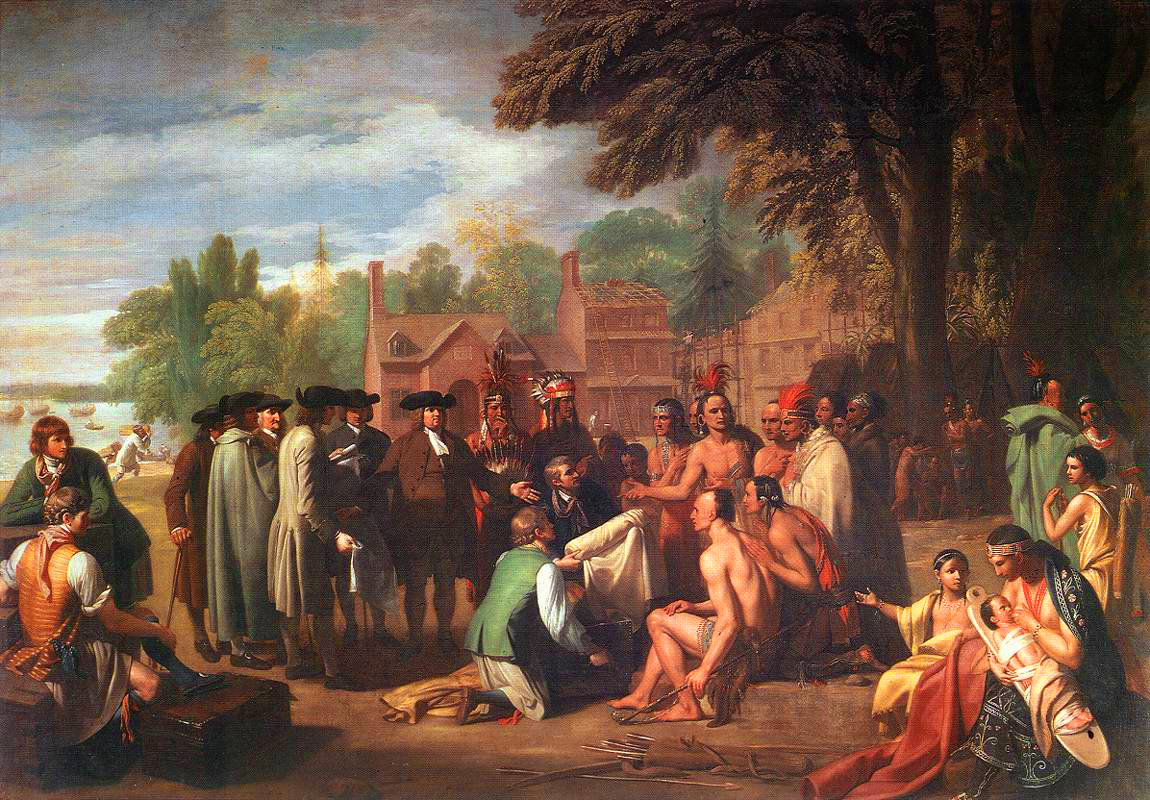
Treaty_of_Penn_with_Indians_by_Benjamin_WestWilliam Penn signing a treaty with the Algonquins

The Lenni Lenape belonged to the greater Algonquin people — tribes who spoke similar languages and who loosely identified with one another. Among the Algonquin, the Lenni Lenape were known as the grandfathers as they were traditionally regarded as the progenitors of all Algonquin tribes.

Tamanend’s people lived in eastern Pennsylvania when William Penn (1644-1718) first settled the colony. As a prominent member of the Society of Friends (i.e. the Quakers), which promoted pacifism and egalitarianism, Penn felt it was important to deal fairly with the indigenous people. Thus, Penn purportedly paid 1,200 pounds for the land on which his first settlement was founded. This is universally regarded as a fair price. Among the Lenape he was given the nickname Minquon which means “quill,” suggesting the pen with which treaties were signed.

Tamanend was one of the indigenous leaders present when, in 1682, Penn signed a treaty of eternal friendship under a great elm tree in the Lenape village of Shakamaxon. Tradition states that on this occasion Tamanend declared that the peace between the Quaker settlers and the Lenape people would endure as long as the streams and rivers flowed and as long as the stars burned in the sky. It is also said that Tamanend was present at a council in Philadelphia in 1694 when the Iroquois people wanted to attack the settlers. Tamanend insisted that despite the occasional obstacle standing in the way of their friendship his people should remain true to their word and keep the peace with the Christians.

tamanend1I don’t know.  I think this statue was Johnny Depp’s inspiration for his portrayal of Tonto in the 2013 Lone Ranger film.

Reblogged from Too Much Information.
h1

What Mutiny do I Commemorate Today?

April 28, 2014
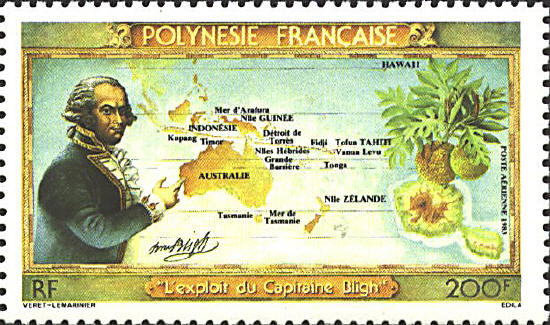
bligh3
April 28 is the anniversary of the Bounty mutiny.  Bligh’s biography written here, indicates he possessed  high level of seamanship and was a loyal officer.  These characteristics earned him respect.  His irascibility and unbending nature also brought him trouble.
He fought under Nelson and earned his praise.  In 1801, he was also elected a Fellow of the Royal Society for his contributions to navigation and botany.
After his naval career, he served as Governor of New South Wales and had a tumultuous career in Australia, as well, due to his hot temper and insistence on carrying out the law.  He was eventually promoted to Vice Admiral and his claims in New South Wales were granted to his estate, providing well for his heirs.
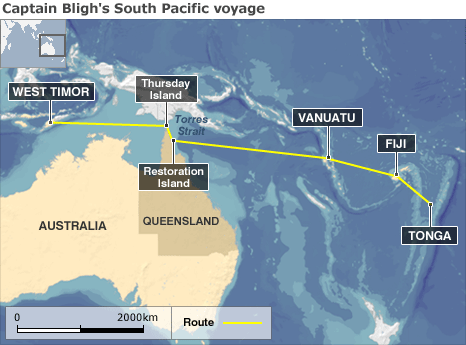
bligh
bligh2
The mutiny occurred on this day in 1789, blamed on harsh treatment of the crew members. Did Bligh really deserve the disfavor that his crew and indeed history has heaped upon him?  Read more here.
h1

Who do I see fading away?

April 21, 2014

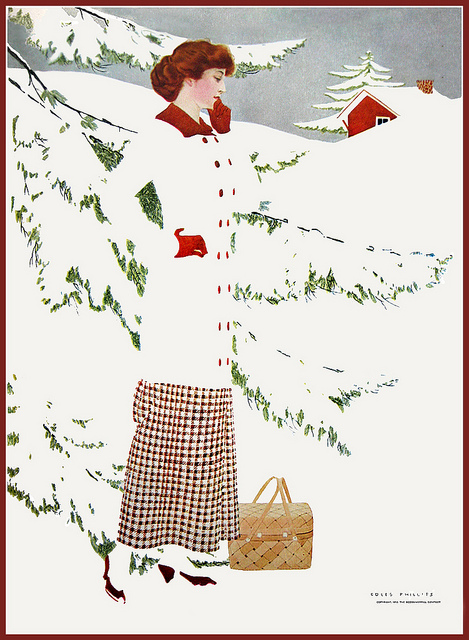
fade 5

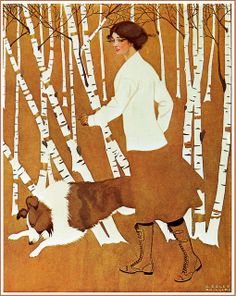
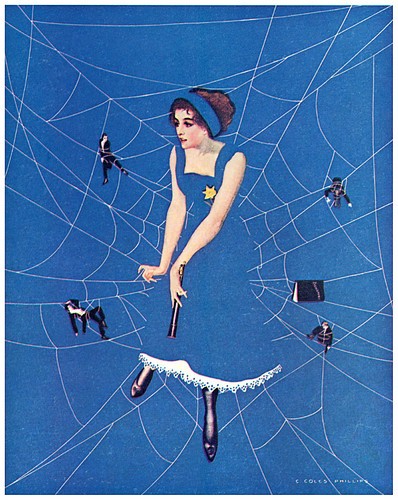
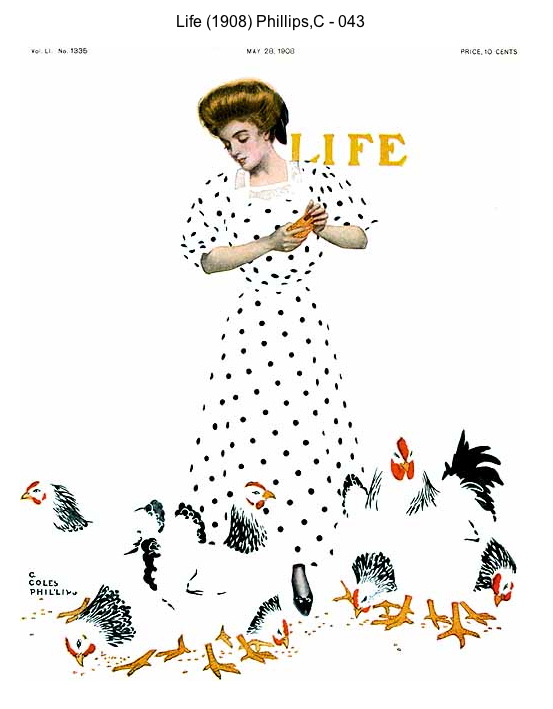
I am fascinated by the illustrations of Coles Phillips (1880-1927).  Phillips was an American illustrator who came to prominence in the early years of the 20th century.  His illustrations – many on the covers of Life, Good Housekeeping,and the Saturday Evening Post – gained popularity through his technique of leaving much to the imagination.
Labeled “fade-away” illustrations, his work often depicts young women whose clothing blend into the surroundings.  In his biography, The Making of an Illustrator, his widow explains,

His arrangements of the masses, small and large, were to him much more exciting than the color or the idea, or whether the girl was pretty.  Pure design, in other words, was his real love, and the fact that he made his reputation as a painter of pretty girls was more an accident than anything else.”

An illustrated biography can be found here.


fade 7

fade 4

fade 2

fade 6

phillp1

h1

Where am I hanging out?

April 14, 2014

I was searching for something else entirely when I came across these photographs of the building of the Empire State Building.  The post was about corporate negligence about safety issues.  That aside, I think the photos are interesting and beautiful.  These is something so lovely about fine grained, black and white photos with high contrast.  These are attributed to sociologist and photographer,  Lewis Wickes Hines.

Empire State Building Being Built in 1930

No such thing as OSHA back then! Amazingly, it is believed only 5 people died during the construction and one of them was hit by a truck. Interesting photos taken during construction of the Empire State Building.


h1

What do we remember today?

April 10, 2014

thresher

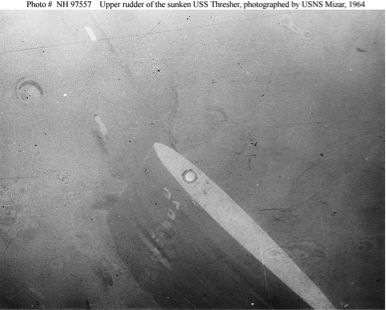
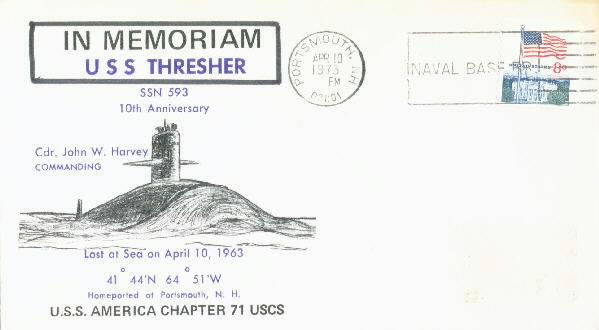
On April 10, 1963, the nuclear submarine Thresher was lost when it was doing scheduled depth tests off the continental shelf in the Atlantic Ocean.  The disaster and the reasons behind it have been shrouded in secrecy.  This secrecy was the order of the day during the Cold War, but still exists, especially when it talking about the submarine fleet.

Here is an article published last year on the 50th anniversary of the Thresher’s loss.  It appeared in the Navy Times.

tresher_2

thresher_letter

And here is the Ballad of the Thresher by the Kingston Trio:

h1

Where am I living?

March 24, 2014

hut6

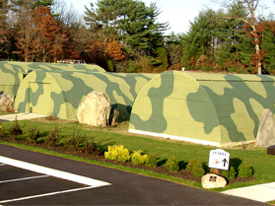
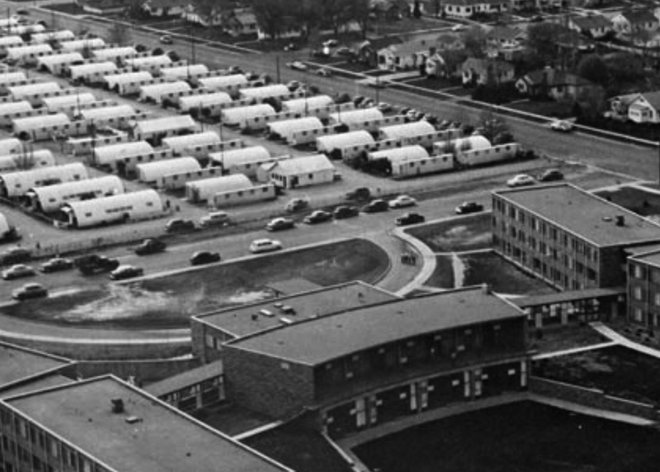
Once in a while, a really good design surfaces — robust, simple, and enduring. The DC-3, the Jeep, and the Quonset hut are all examples of good design. Many are still standing throughout the United States, primarily as commercial buildings.

Ref.: Quonset Huts – Seabees Museum Site.

hut 4

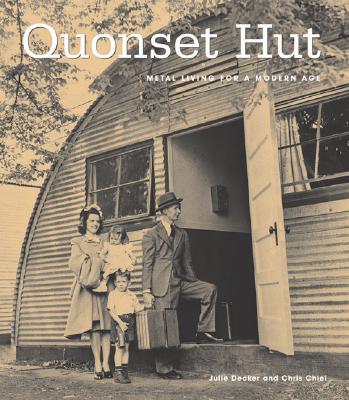
Earlier I wrote about the post-war phenomenon of Lustron Homes.  Quonset huts which were ubiquitous during the war were also considered as a solution to the mid-century demand for housing.

hut 5

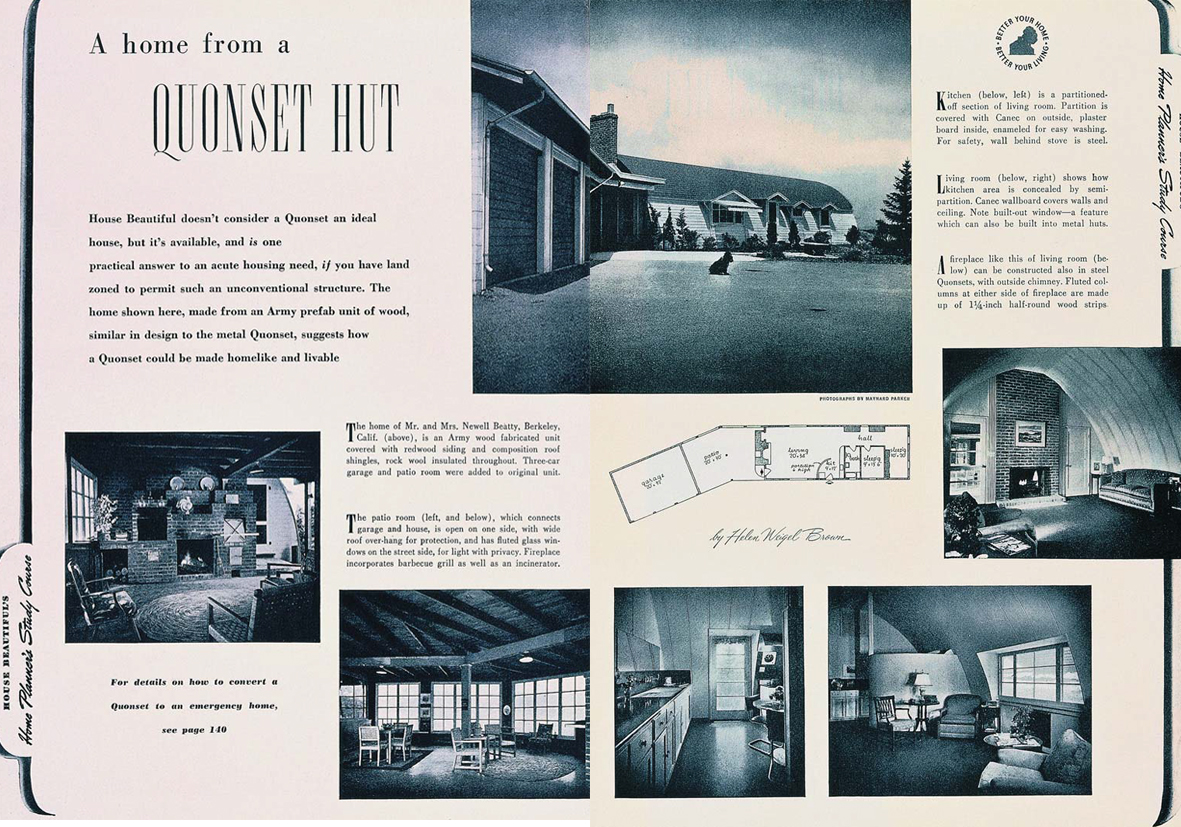
This article, Solving a Different Kind of Housing Crisis, discusses the adaptation of Quonset huts for residential use.

hut 2

As does this article from preservationnation.org.

hut 3 rhode island

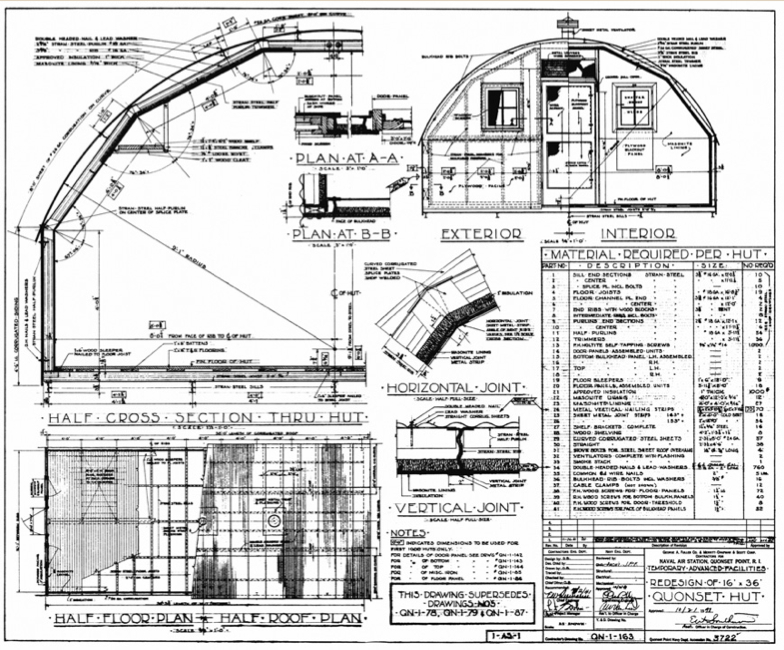
The quonset hut, whose semi-cylindrical form was copied from the British Nissen hut, by the end of the war differed considerably in construction from its prototype. The original quonset hut was framed with arch-rib members of steel, T sections, 2 inches by 2 inches by 1/4 inch. The hut was 16 feet by 36 feet in plan. The members were formed to a radius of 8 feet and covered with corrugated steel sheets, borne by wood purlins.

The principal improvements over the Nissen type were an interior pressed wood lining, insulation, and a tongue-and-groove wood floor. Innumerable detail problems were encountered in the development of the original T-rib huts, principally because of the necessity for 48 different needs, such as galleys. shower-latrines, dental offices, isolation wards, and bakeries.

Each type required individual drawings and layouts for the interior setup, and in many cases it was necessary to develop special interior equipment, such as special ovens and beds, to fit the quonset hut form. All huts were designed and detailed, using the original T- rib design.

From: The Naval Historical Center

hut 6

hut1 u colorado 1953

The photo above shows student housing at the University of Colorado in the 1950s.

To meet the growing demand, a number of other companies produced variations of the Quonset Hut for the Military during the Second World War:

  • The Pacific Hut Company was formed to produce an all-wood hut for Arctic use.
  • Butler Manufacturing made a squat hut with U-shaped arch ribs.
  • Jamesway Manufacturing made a hut with wooden ribs and insulated fabric covering.
  • Armco International made heavy-weight arched bunkers to store ammunition.

  • Cowan and Company made semicircular warehouses for the Air Corp.

When the war ended, Quonset Huts were too good a resource to throw away. So the military sold them to civilians for about a thousand dollars each. They made serviceable single-family homes. Universities made them into student housing and returning veterans occupied Quonset huts by choice. Robert Winton even wrote play about them titled Tents of Tin.

Ref: Seabees

Finally, here’s a little animation about putting a Quonset hut together.

There are still a number of Quonset huts around and in use as commercial buildings in the Connecticut Western Reserve area where I live.  I am going to go out with my camera to capture them.

h1

What is tattoo Tuesday about?

March 4, 2014

mg5It is Shrove Tuesday, Pancake Tuesday, Fat Tuesday, or Mardi Gras!

I suspect that this is another one of those holidays that has been taken over by the church and yet predates Christianity.  If you know its earlier origins, please let me know.

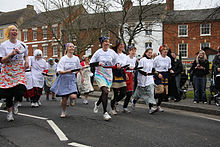
MG4This is a pancake race in Great Britain.

Pancakes are associated with the day preceding Lent because they were a way to use up rich foods such as eggs, milk, and sugar, before the fasting season of the 40 days of Lent. The liturgical fasting emphasized eating plainer food and refraining from food that would give pleasure: in many cultures, this means no meat, dairy products, or eggs.

In Canada, Australia, the United Kingdom, Ireland and New Zealand the day is also known as “Pancake Day” as it is a common custom to eat pancakes as a meal. 

In Newfoundland small tokens are frequently cooked in the pancakes. Children take delight in discovering the objects, which are intended to be divinatory. For example, the person who receives a coin will be wealthy; a nail that they will become or marry a carpenter.

Source:  Wikipedia

And, of course, there are tattoos:

MG3

MG2

MG1

Celebrate the day with pancakes, jambalaya, a slice of King cake, and a hurricane!

h1

What is tattoo Tuesday about?

February 25, 2014

homer6

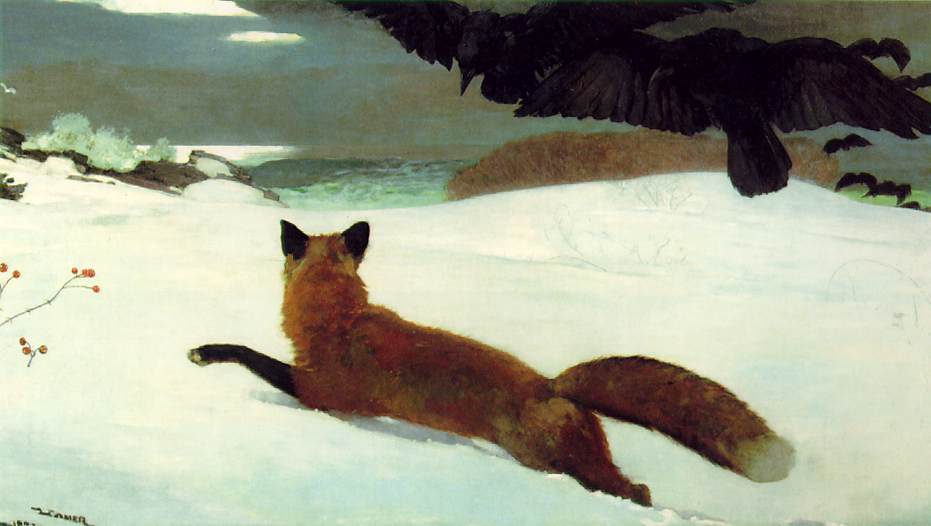
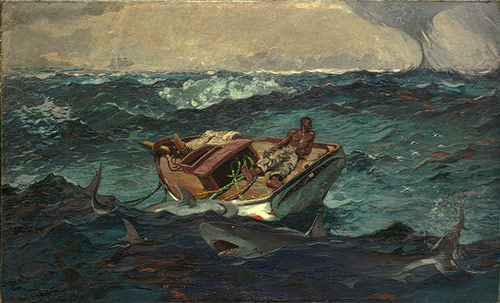
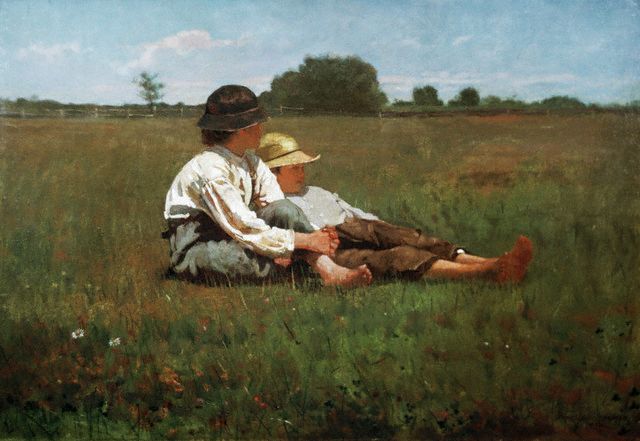
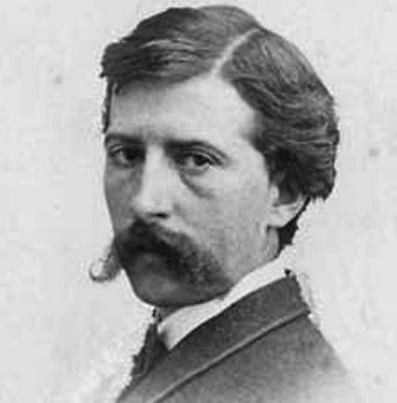
February 24 was Winslow Homer’s 178th birthday.  Homer is probably best known for his seascapes, but he started his career as a print maker.  In 1861, he was sent to the front as an artist-correspondent recording the battles and conditions of the American Civil War.

He lived a good part of his life in New York City employed as a magazine illustrator, but his travels to the east coast of New England, the White Mountains of New Hampshire and eventually to Europe – Paris and the English seaside, influenced his work.  He has been described as foreshadowing the abstract movement, but I think his work is most characterized by his mastery of air, water and weather.

A longer biography can be found here.

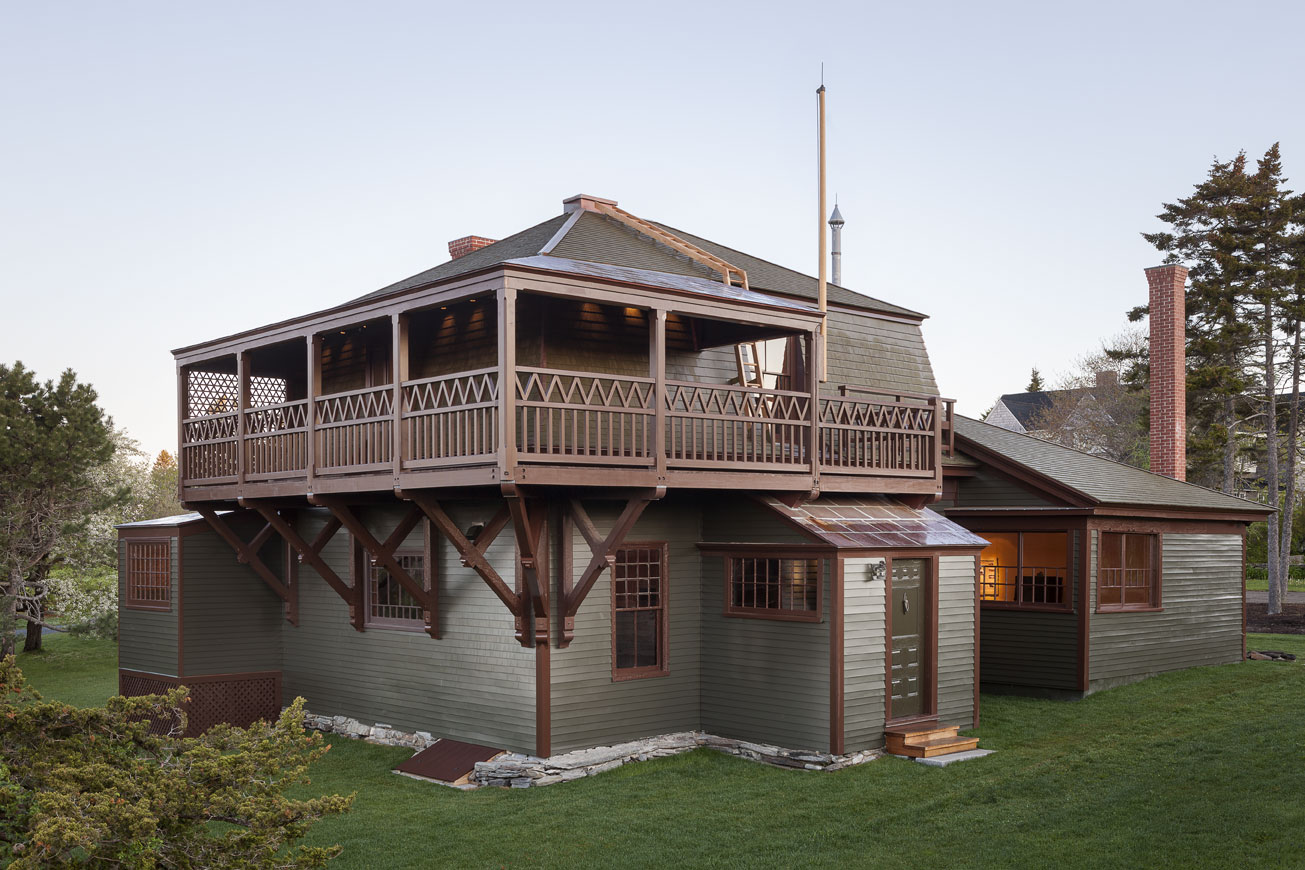
Homer eventually settled in Prouts Neck, Maine.  Some of his most famous paintings come from his life and work in that area.  Interestingly, his studio still exists and it has recently been restored:

On September 25, 2012 the Portland Museum of Art opened the Winslow Homer Studio to the public for the first time. One of the most significant locations in the history of American art, the Studio, located at Prouts Neck, Maine, is where the great American artist Winslow Homer (1836-1910) lived and painted many of his masterpieces from 1883 until his death.

Ref. Pine State Services (of all things)

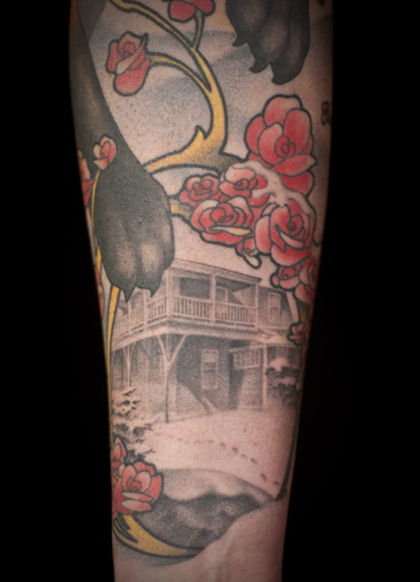
It is tattoo Tuesday, but I thought that finding a tattoo related to Winslow Homer was a long-shot, but I was wrong:

homer1

homer2

homer7

homer3

homer9

 by Winslow Homer

homer5

h1

What is tattoo Tuesday about?

February 18, 2014

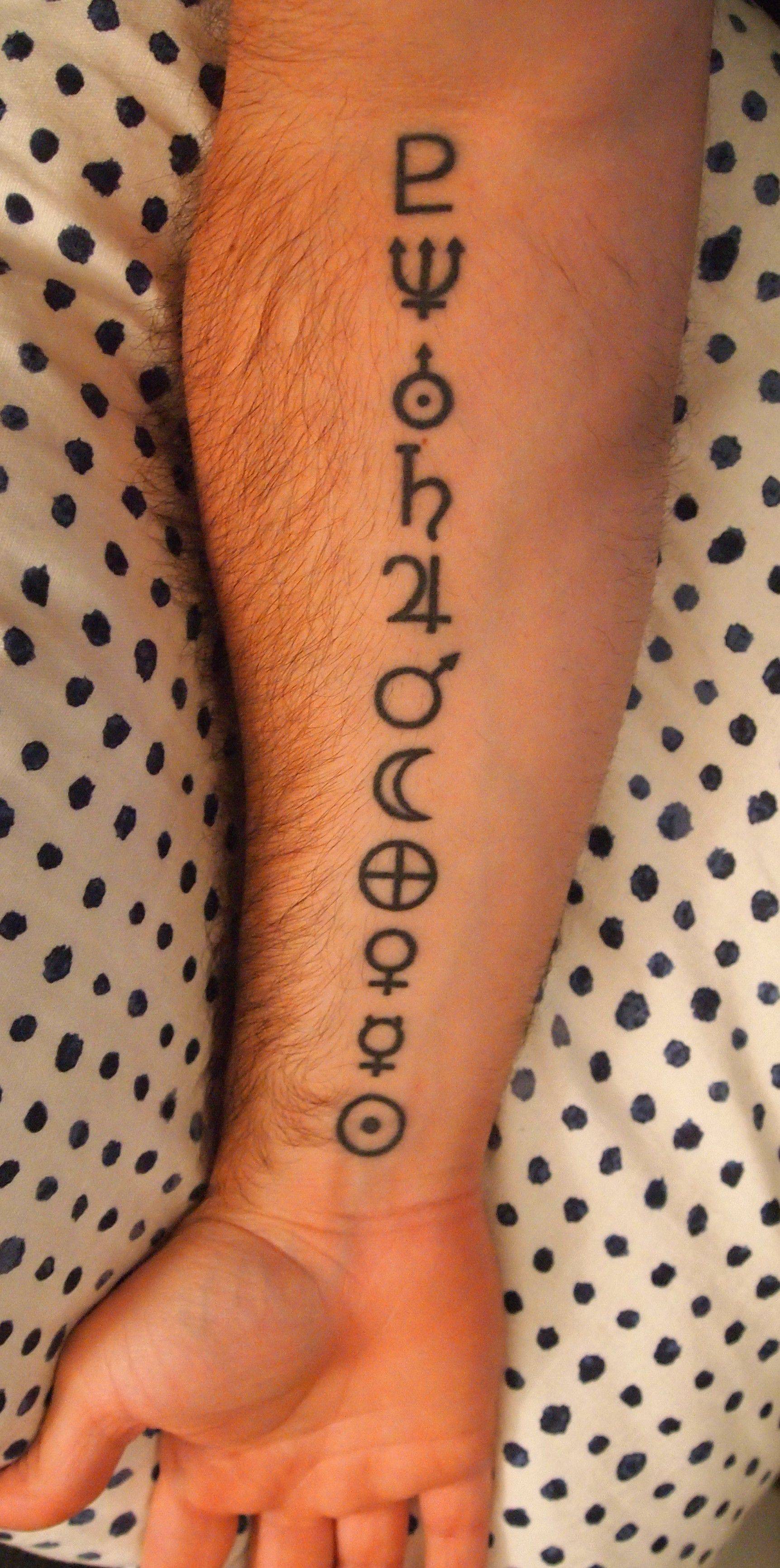
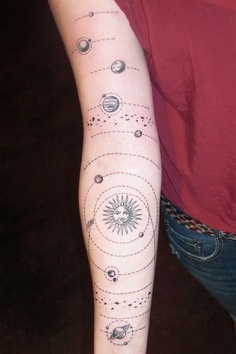
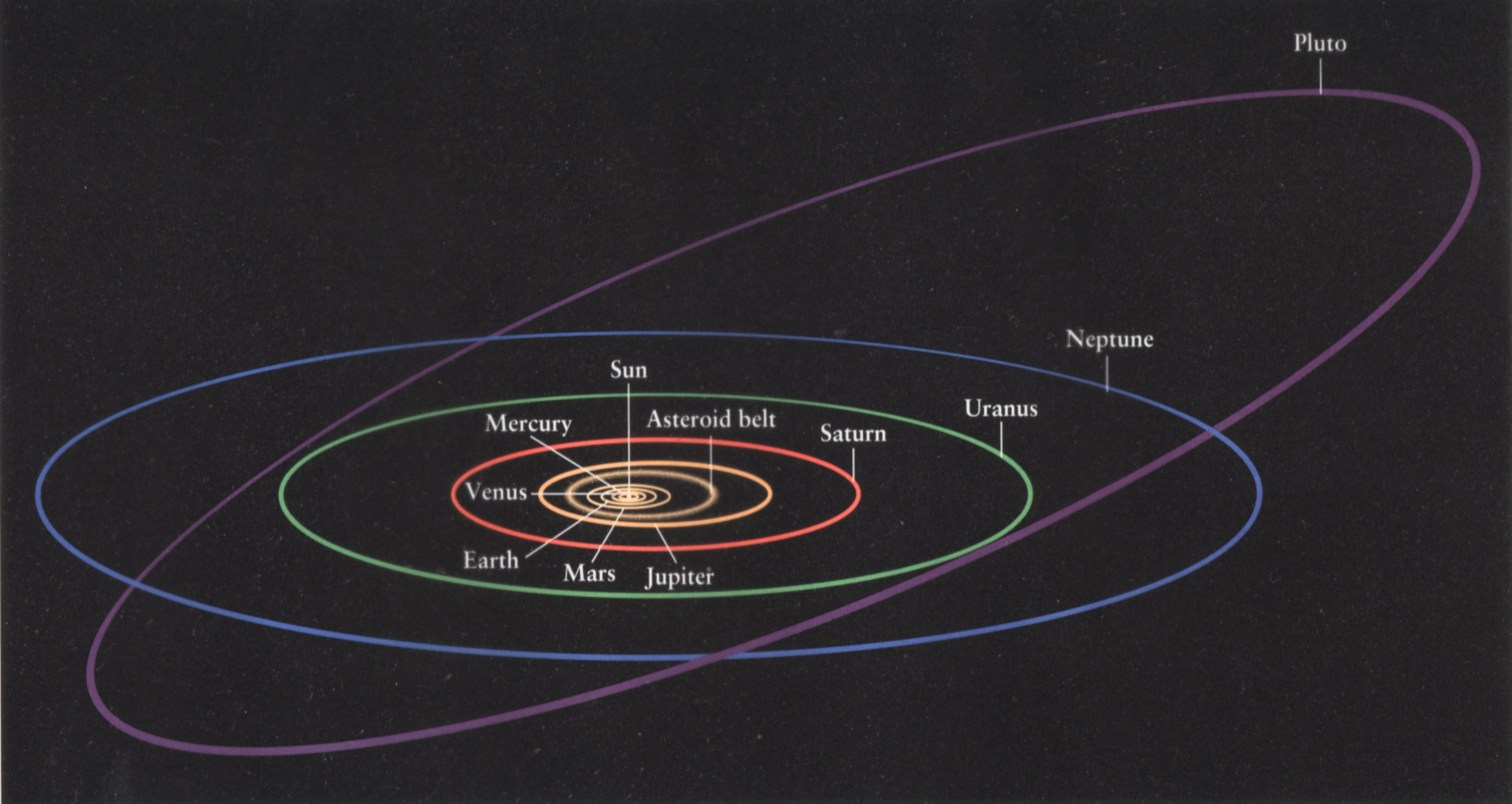
On February 18, 1930, Clyde W. Tombaugh, an assistant at the Lowell Observatory in Flagstaff, Arizona, discovered Pluto. For over seven decades, Pluto was considered the ninth planet of our solar system.

Now we know that is not the case.

This video was made by C G P Grey.

Pluto may not be a planet (one less object to memorize in elementary science class!), but it is the basis for some interesting tattoos:

pluto1

pluto3That’s Pluto up there at the top.

pluto5

pluto4

Still mourning the fact that Pluto is not a planet?  As Neil deGrasse Tyson says, “Get over it!”

h1

Where am I traveling?

February 17, 2014

I love these space-time travelogues and this one by the American Museum of Natural History is particularly well done.