October 8, 2014

I love the Serious Eats newsletter and have found some truly terrific recipes there (thanks, Jessica, for telling me about it!)
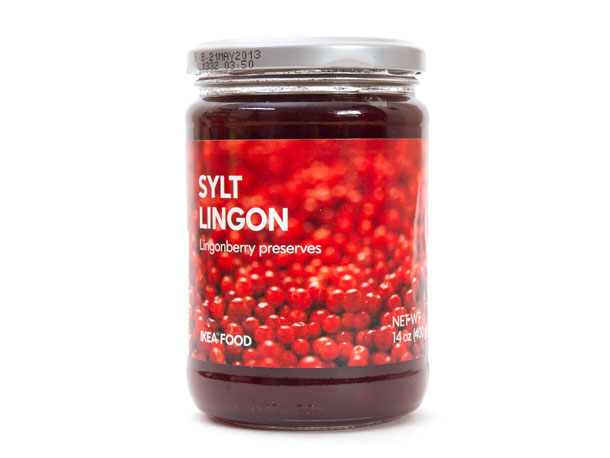
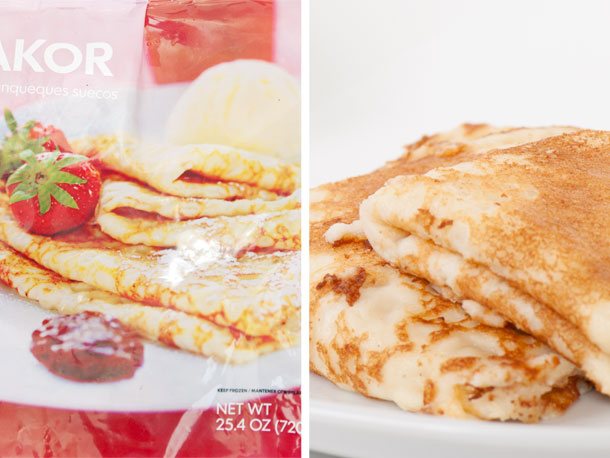
I had to share this posting, however, about all the food at IKEA. Some people, apparently go there for the food.
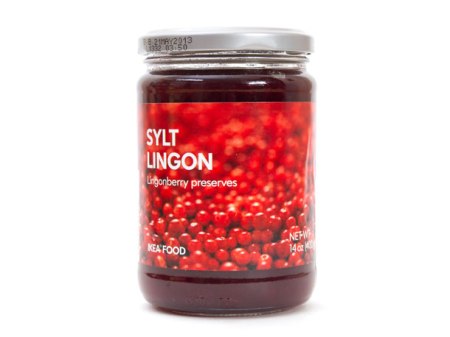
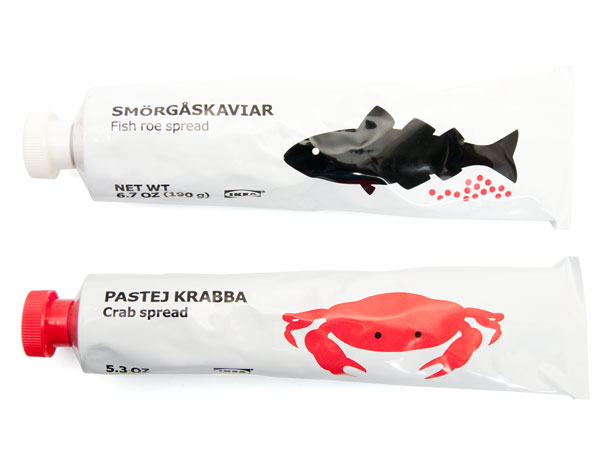
I have never eaten there. I once had a hot dog there. Don’t go by my experience. This article is a wonderful field guide for people who not only are fans of the flat-pack, but also of the pannkakor.

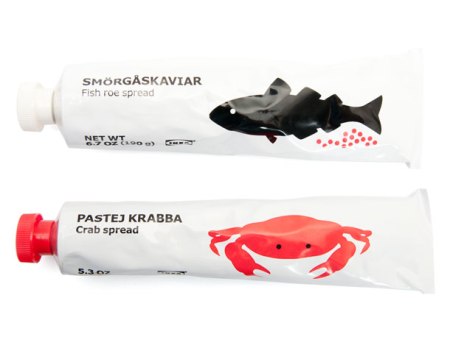
and the Pastej Krabba.
Posted in Uncategorized | Tagged baking, cooking, food, IKEA, Serious Eats, whimsey | 4 Comments »
October 7, 2014
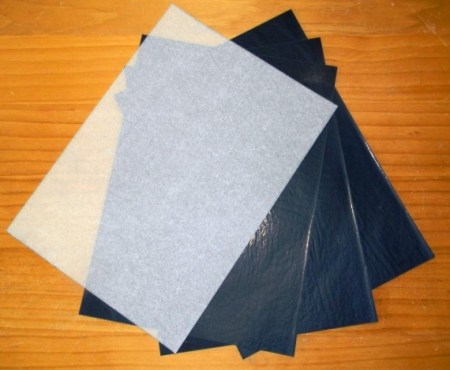
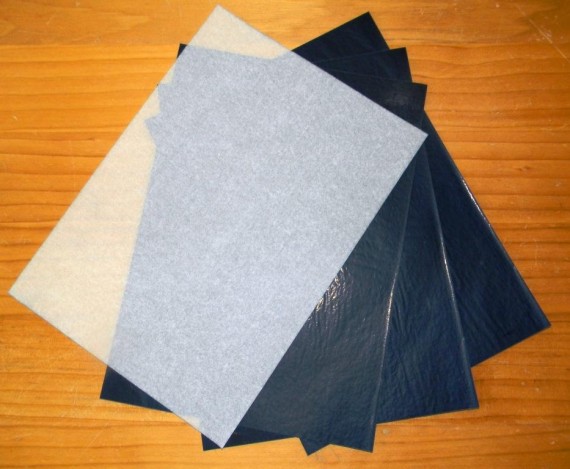
On October 7, 1806, carbon paper was patented by Ralph Wedgewood. According to TopTenZ, carbon paper and 9 other things, have been rendered obsolete by today’s technology.
From Wiki: Ralph Wedgwood (1766–1837) was an English inventor and member of the Wedgwood family of potters. His most notable invention was the earliest form of carbon paper, a method of creating duplicate paper documents, which he called “stylographic writer” or Noctograph.
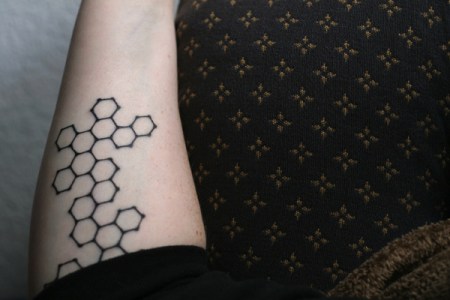
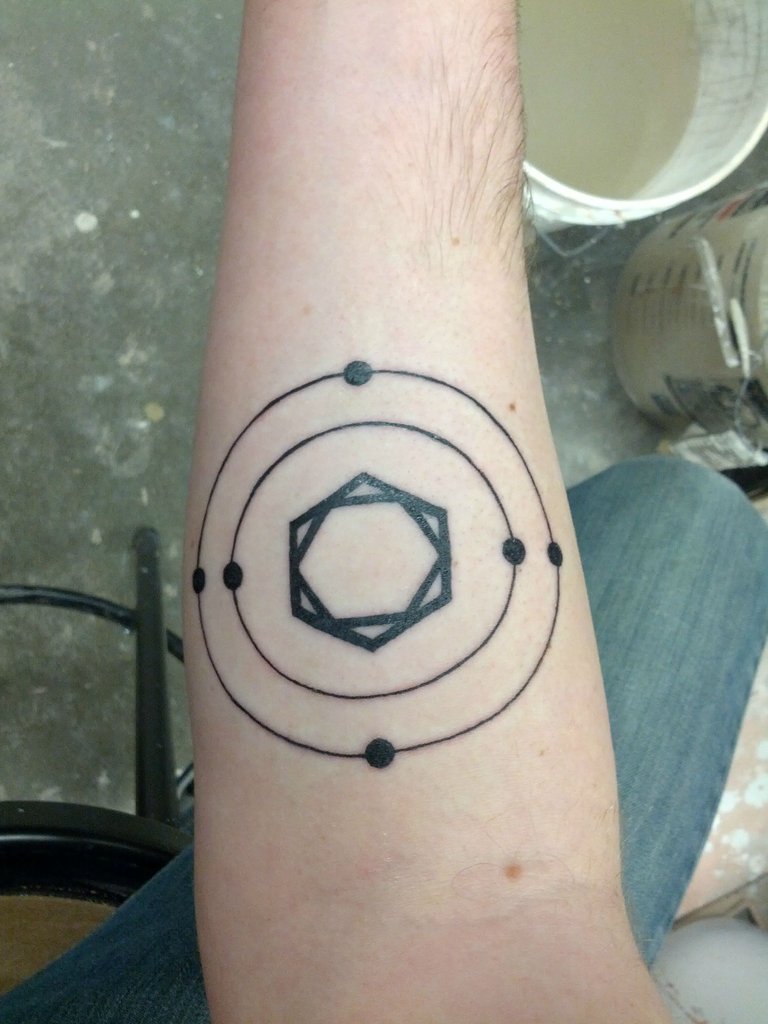
The tattoo above represents a 60 carbon molecule “buckyball” unfolded. Says the tattooee . . .
I didn’t want to choose an ordinary representation of carbon for my…uh…lifetime ink commitment. Behold the carbon 60 molecule, which just happens to fit my idea and look ridiculously cool, especially when “unfolded.” I initially wanted the design to be small and discreet, but my tattoo artist thought it was such a cool design that he insisted I get it bigger. I’m happy I took his advice.
Others have opted for the symbol for the element Carbon . . .
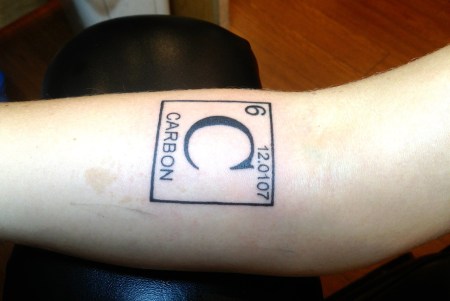
and for a stylized representation of a carbon atom.

Posted in Uncategorized | Tagged art, buckyball, carbon, geeky science blogging, history, Ralph Wedgewood, style, tattoo Tuesday, tattoos, whimsey | 2 Comments »
October 2, 2014
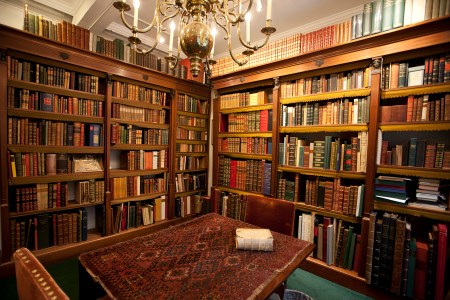
This post is a reblog from IFLS – with thanks.
Old books have a distinctive smell that can make any book lover’s heart melt. Matija Strlic of University College London described it to The Telegraph as “a combination of grassy notes with a tang of acids and a hint of vanilla over an underlying mustiness, this unmistakable smell is as much a part of the book as its contents.”
The secret to the scent is within the hundreds of volatile organic compounds (VOCs) that make up the book’s paper pages, ink, and adhesive. Over time, the VOCs break down, releasing the chemicals into the air that are picked up by our noses. New books also have a trademark aroma, but it isn’t quite as developed as their older counterparts. Additionally, different materials used in manufacturing the book will alter the VOC profile.
Compound Chemistry reports that hints of almond are created by benzaldehyde, while vanillin emits notes of vanilla. Sweet smells come from toluene and ethyl benzene, and 2-ethyl hexanol produces a light floral fragrance. Additionally, the book can also retain some odors it has been exposed to during its history, such as smoke, water damage, or pressed flowers between the pages.
Knowing why paper smells as it does is more than just a fun fact; it could be used to help libraries “sniff out” which books and papers are in danger of degradation. Identifying these aging manuscripts could allow them to be preserved and protected. Strlic led a study published in Analytical Chemistry in 2009 that found 15 VOCs which break down more rapidly than others.
If you’ve switched to an e-reader but miss the smell of old books while you read, there are many options for candles, perfumes, and air fresheners that will help your room smell like a comfy old library.
Posted in Uncategorized | Tagged books, geeky science blogging, science | 4 Comments »
October 1, 2014
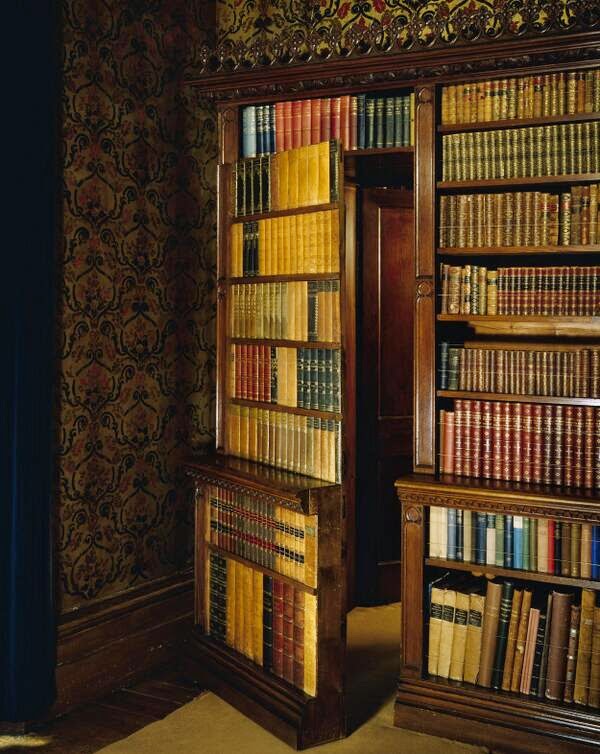
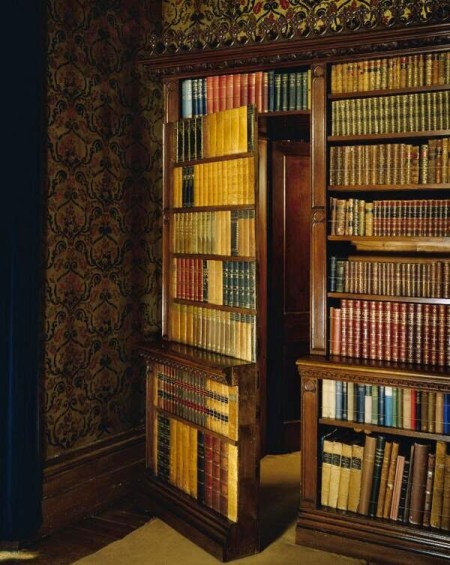 A door hidden within a wall of bookcases at Oxburgh Hall, Norfolk, owned by the National Trust. It is decorated with real book spines, with tongue in cheek titles that reference events and people from the history of Oxburgh.
from bookshelf roundup
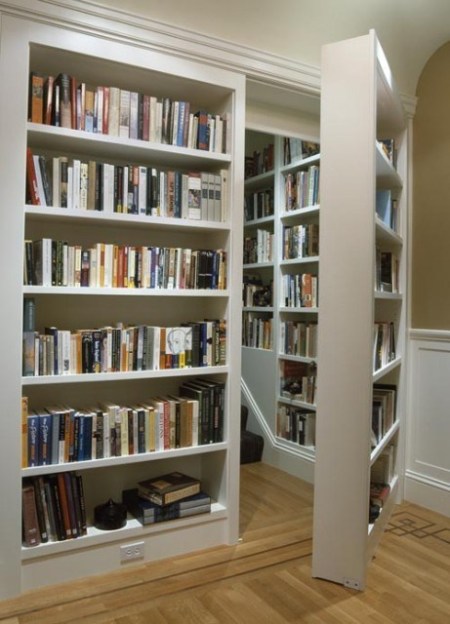
Thanks to Katie for this hidden doorway in a bookcase leading to a hidden stairway and more bookcases!
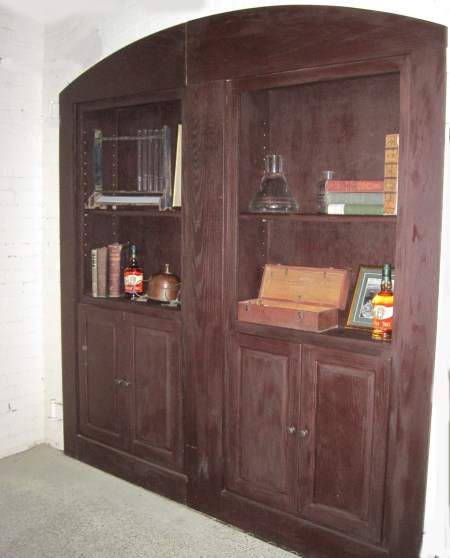
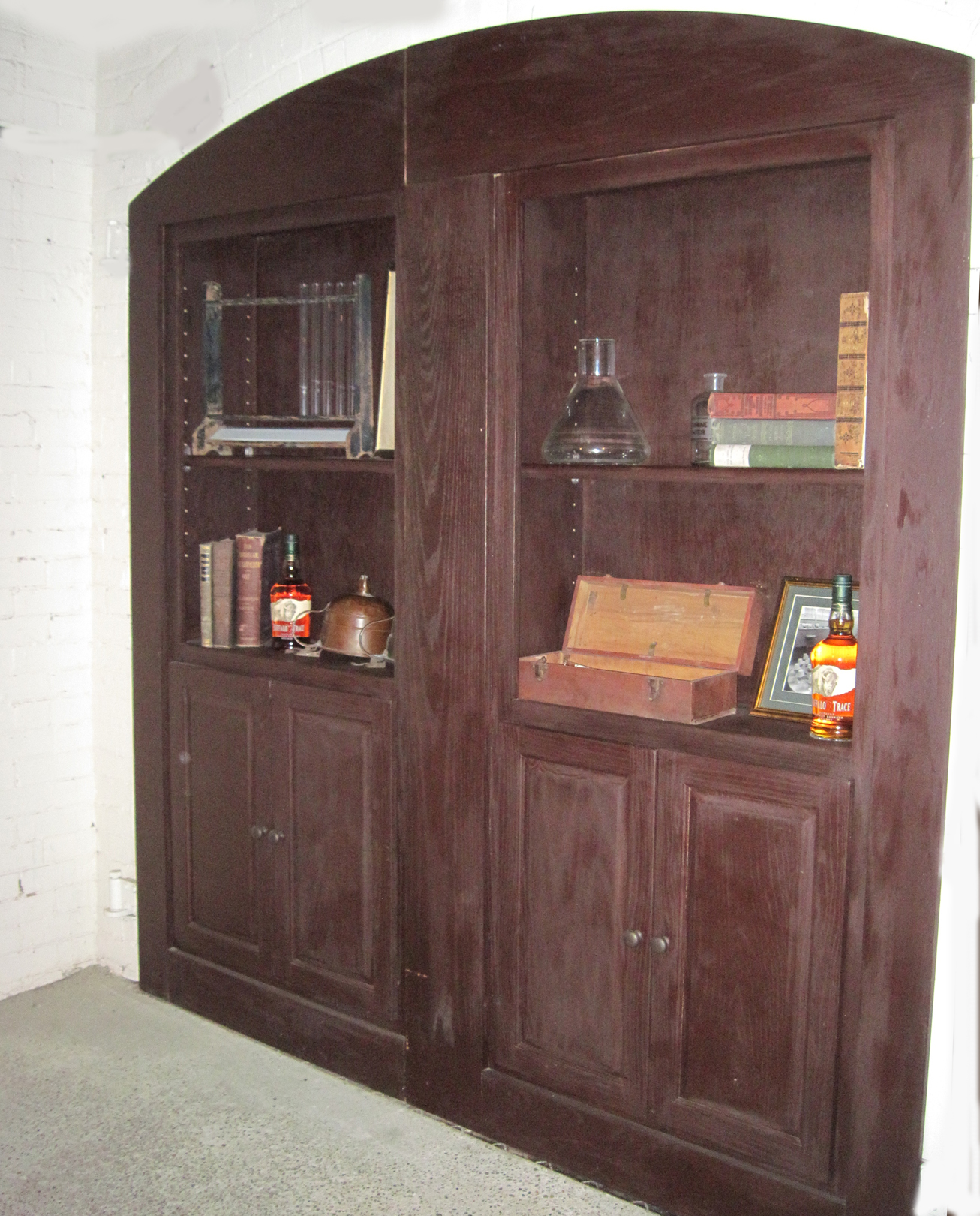
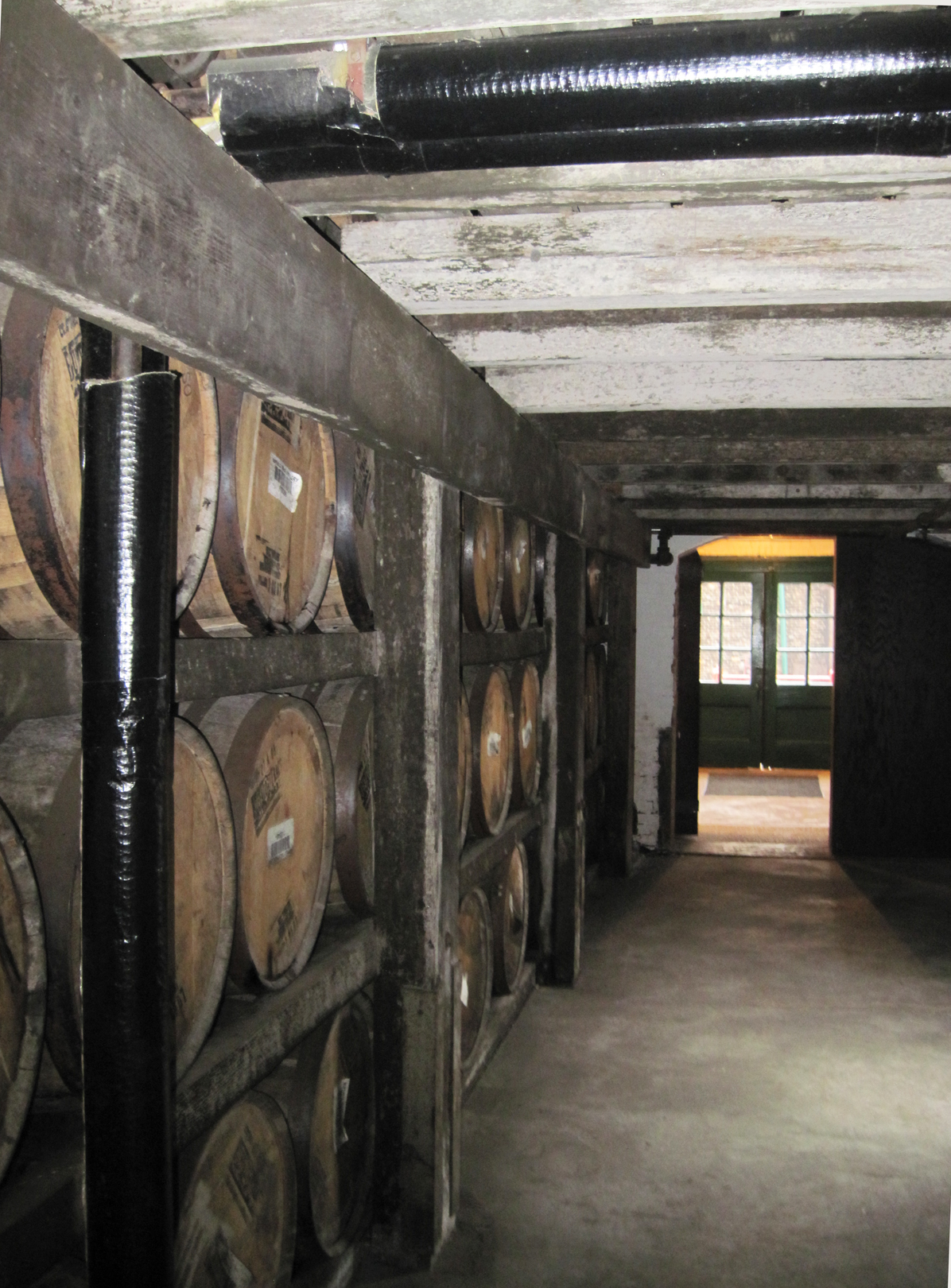
This bookcase at Buffalo Trace Bourbon Distillery in Frankfort, KY, reveals a hidden doorway that leads to . . .

the Aging Room. If you have the opportunity to take the Bourbon Tour, don’t miss Buffalo Trace.
Posted in Uncategorized | Tagged architecture, bookcases, books, hidden doorways, travel | 2 Comments »
September 30, 2014
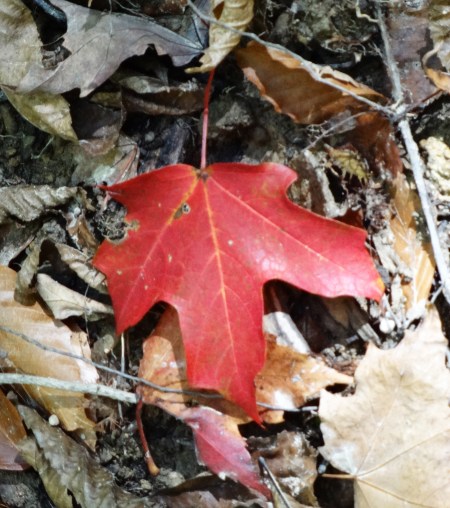
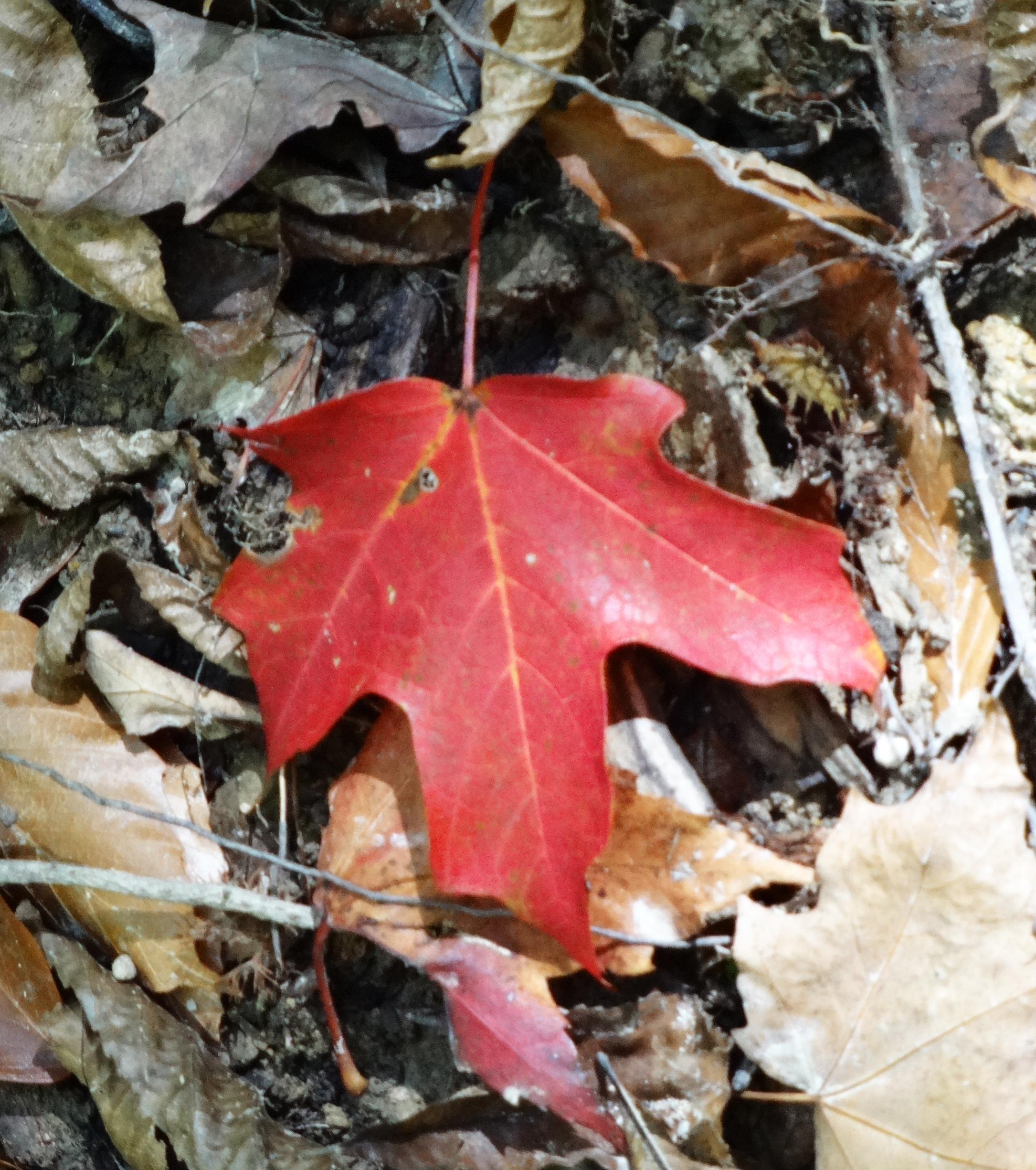
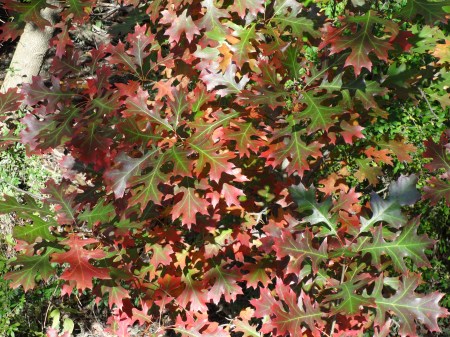
Today is Catch Your 12 Leaves Day
The tradition (my tradition, anyway) is to try to catch 12 leaves before they reach the ground. This will give you good luck in the coming 12 months.
But it is not as easy as it sounds.
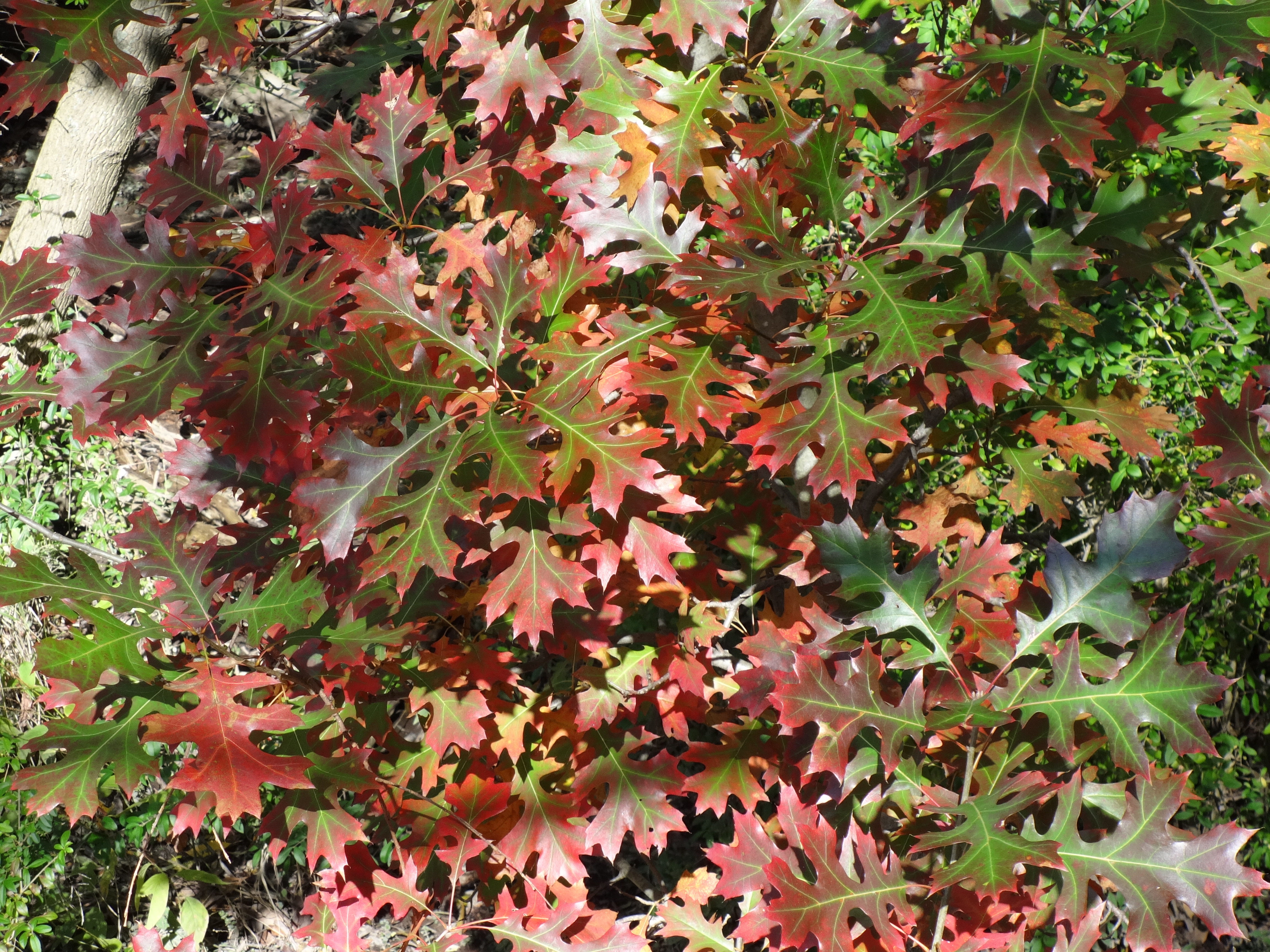
It helps to find a big tree with a lot of big leaves that are just ready to let go. It also helps if it is a windy day. It helps most of all if you are really agile!
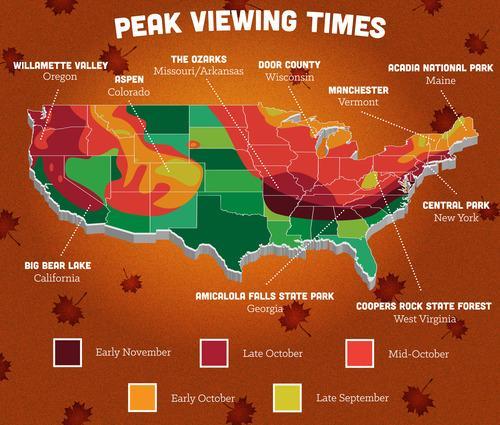
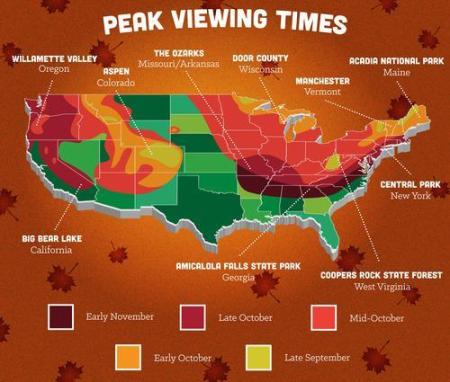
Here’s a map of peak leaf peeper times.

Posted in Uncategorized | Tagged Autumn, leaves, nature, photography, whimsey | 2 Comments »
September 24, 2014
Reblogged from The Art in Science:
NASA’s Scientific Visualization Studio produced this video demonstrating how the earths tides ebb and flow around the world. It doesn’t include narration or annotation because, they explain, ‘The goal was to use ocean flow data to create a simple, visceral experience’.
The visualization shows ocean surface currents around the world during the period from June 2005 through December 2007 – these figures are plotted into a computer that takes in shed loads of data and outputs pretty things like this – I love when computers do that. The computational model is called Estimating the Circulation and Climate of the Ocean, Phase II (ECCO2 for short).
It can calculate ocean flow at all depths but this particular video shows only surface flows. NASA describe it as a ‘high resolution model of the global ocean and sea-ice. ECCO2 attempts to model the oceans and sea ice to increasingly accurate resolutions that begin to resolve ocean eddies and other narrow-current systems which transport heat and carbon in the oceans’.
The dark areas under the ocean show the the undersea bathymetry (basically the opposite of topography). The bathymetry and land topography are exaggerated to enhance the contrast – bathymetry by 20 times and topography by 40 times.
Posted in Uncategorized | Tagged art, geeky science blogging, NASA, ocean currents, photography, science, tides, travel | 4 Comments »