I was searching for something else entirely when I came across these photographs of the building of the Empire State Building. The post was about corporate negligence about safety issues. That aside, I think the photos are interesting and beautiful. These is something so lovely about fine grained, black and white photos with high contrast. These are attributed to sociologist and photographer, Lewis Wickes Hines.
Empire State Building Being Built in 1930
No such thing as OSHA back then! Amazingly, it is believed only 5 people died during the construction and one of them was hit by a truck. Interesting photos taken during construction of the Empire State Building.
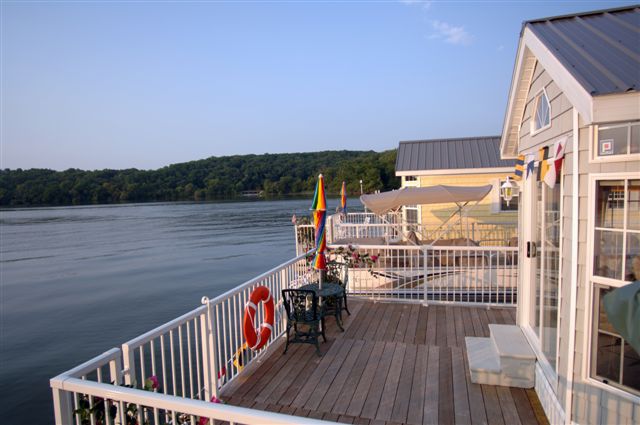
Last year we were able to take a February vacation to Florida. One of our stops was on Marathon Key where we stayed overnight in a houseboat. Granted, it was tied to the dock, but it had comfy chairs on the deck and we watched the moon and stars on the water. Altogether a delightful experience.
These Lake Erie homes are closer to home, but I would guess are definitely seasonal.
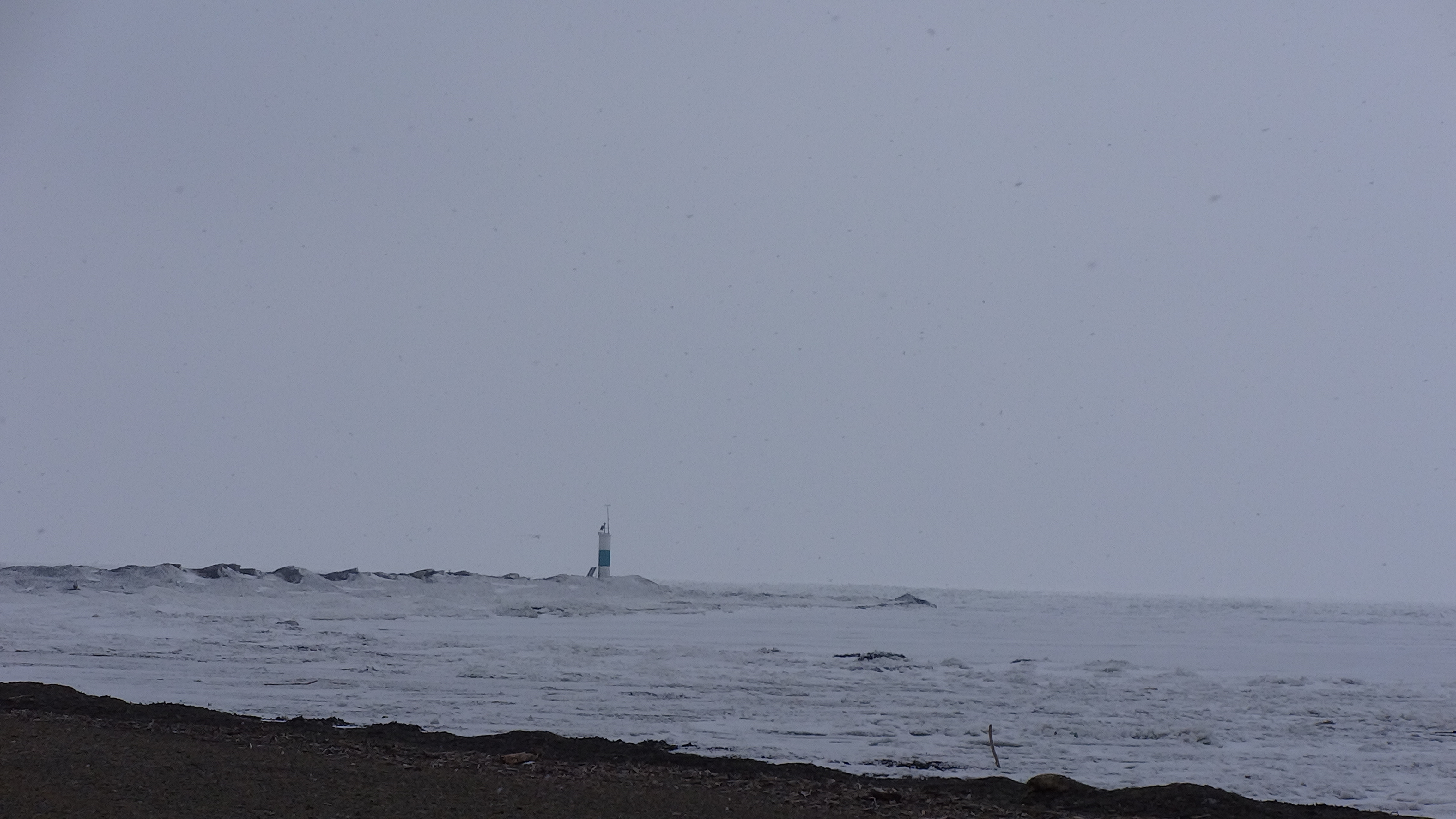
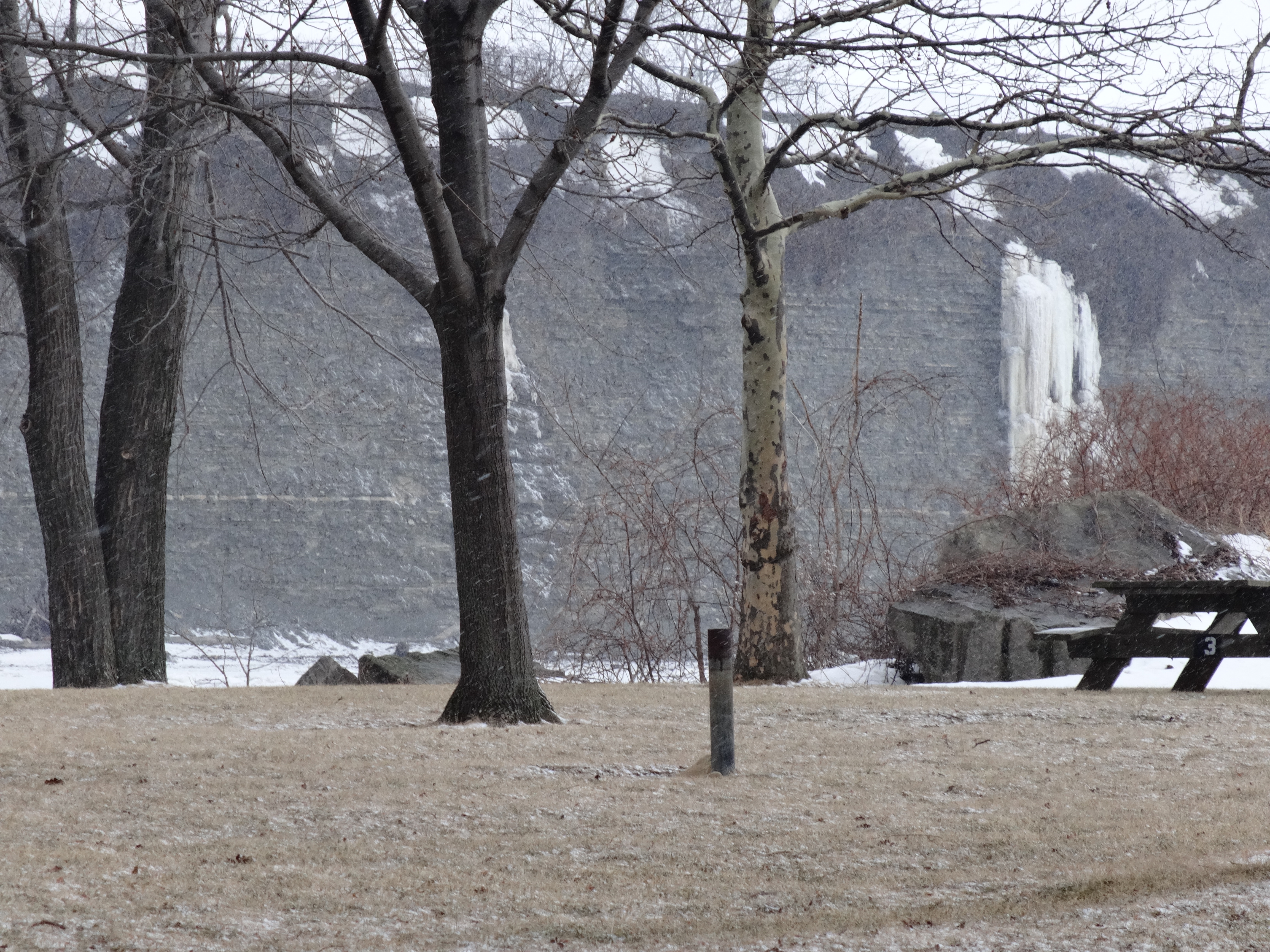
Here are a couple of shots of the lake taken earlier this month.
Yes, that is the frozen lake.
This is by the marina in Rocky River.
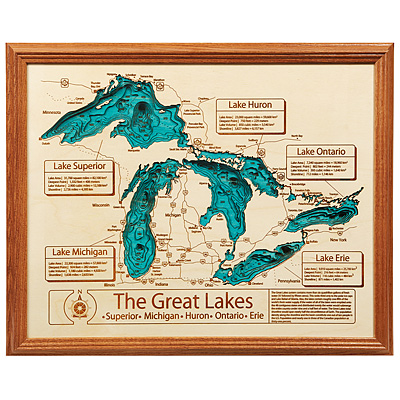
Actually I have a terrific idea for a future lakefront park. I think it would be super to have a model of the Great Lakes done up as ponds with their outline and contour visible. Both educational and fun!
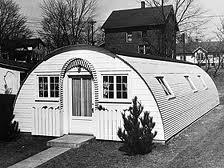
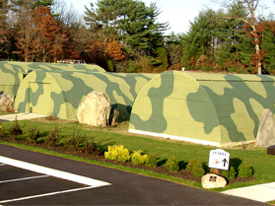
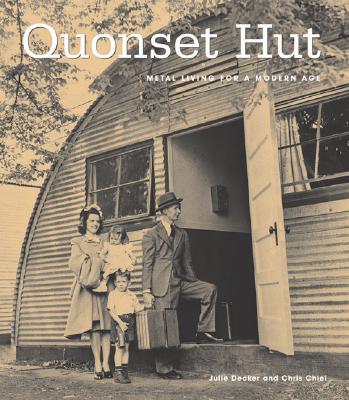
Once in a while, a really good design surfaces — robust, simple, and enduring. The DC-3, the Jeep, and the Quonset hut are all examples of good design. Many are still standing throughout the United States, primarily as commercial buildings.
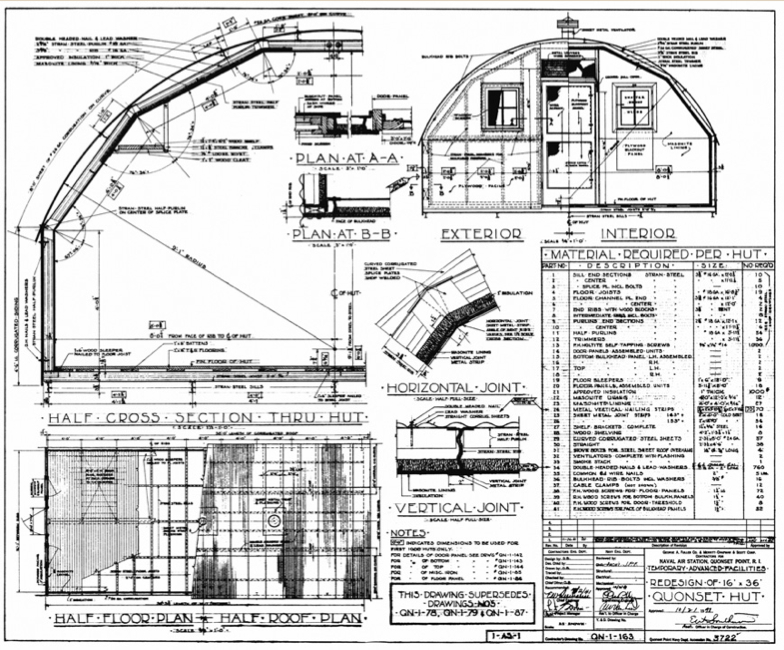
The quonset hut, whose semi-cylindrical form was copied from the British Nissen hut, by the end of the war differed considerably in construction from its prototype. The original quonset hut was framed with arch-rib members of steel, T sections, 2 inches by 2 inches by 1/4 inch. The hut was 16 feet by 36 feet in plan. The members were formed to a radius of 8 feet and covered with corrugated steel sheets, borne by wood purlins.
The principal improvements over the Nissen type were an interior pressed wood lining, insulation, and a tongue-and-groove wood floor. Innumerable detail problems were encountered in the development of the original T-rib huts, principally because of the necessity for 48 different needs, such as galleys. shower-latrines, dental offices, isolation wards, and bakeries.
Each type required individual drawings and layouts for the interior setup, and in many cases it was necessary to develop special interior equipment, such as special ovens and beds, to fit the quonset hut form. All huts were designed and detailed, using the original T- rib design.
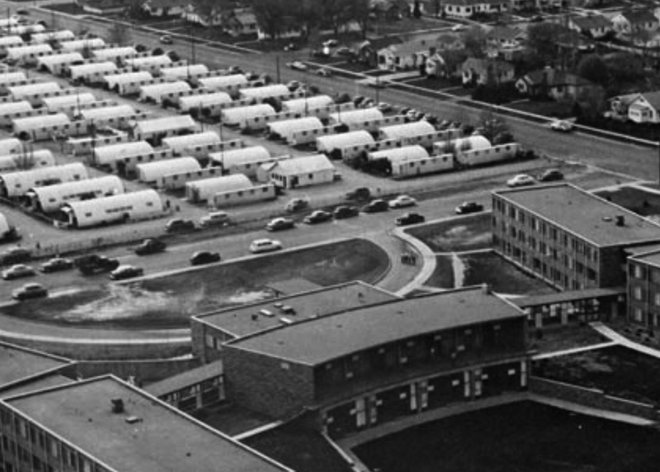
The photo above shows student housing at the University of Colorado in the 1950s.
To meet the growing demand, a number of other companies produced variations of the Quonset Hut for the Military during the Second World War:
The Pacific Hut Company was formed to produce an all-wood hut for Arctic use.
Butler Manufacturing made a squat hut with U-shaped arch ribs.
Jamesway Manufacturing made a hut with wooden ribs and insulated fabric covering.
Armco International made heavy-weight arched bunkers to store ammunition.
Cowan and Company made semicircular warehouses for the Air Corp.
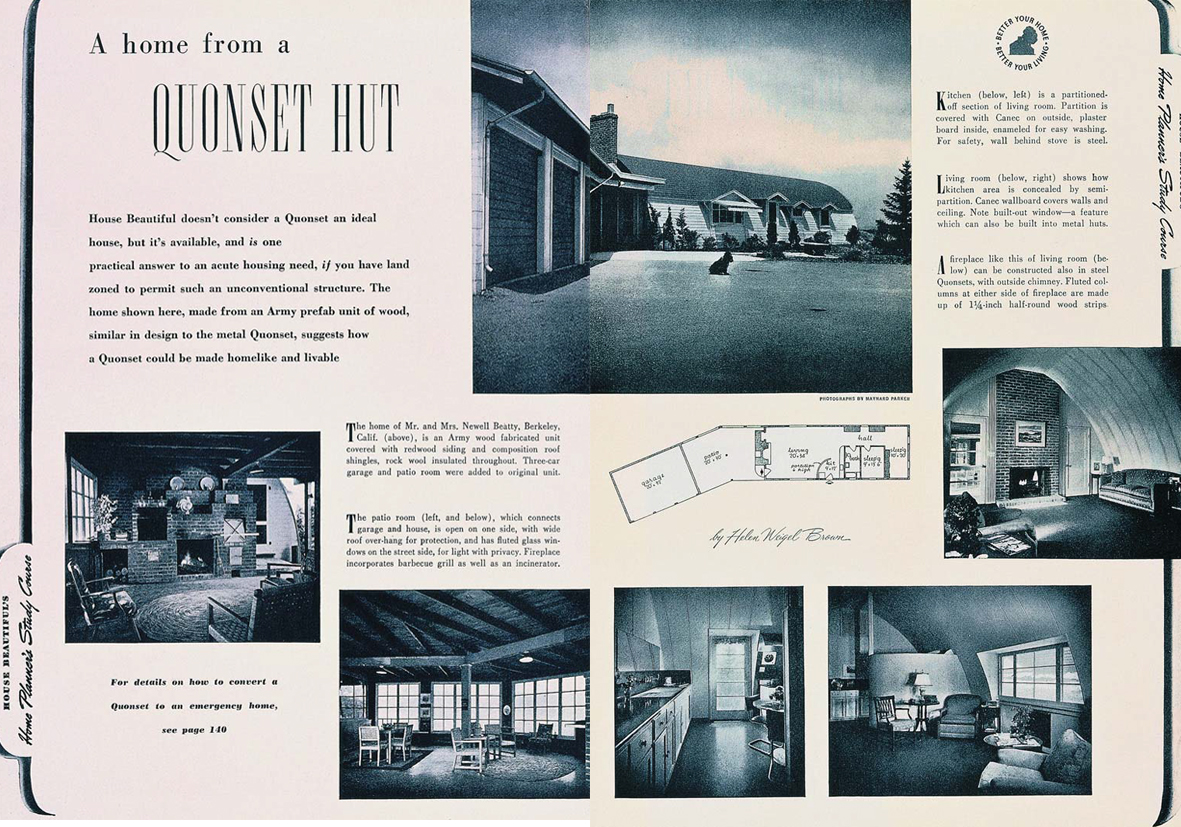
When the war ended, Quonset Huts were too good a resource to throw away. So the military sold them to civilians for about a thousand dollars each. They made serviceable single-family homes. Universities made them into student housing and returning veterans occupied Quonset huts by choice. Robert Winton even wrote play about them titled Tents of Tin.
Finally, here’s a little animation about putting a Quonset hut together.
There are still a number of Quonset huts around and in use as commercial buildings in the Connecticut Western Reserve area where I live. I am going to go out with my camera to capture them.
I thought this was interesting. It is one of those quizzes one finds online. This one is from the New York Times and is based on a Cambridge University study aimed at helping people raise their sensitivity IQ.
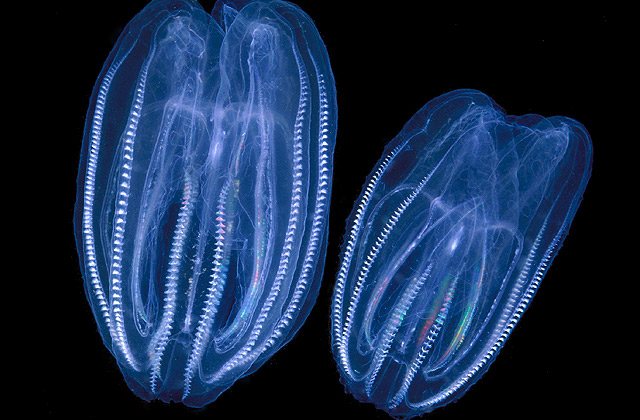
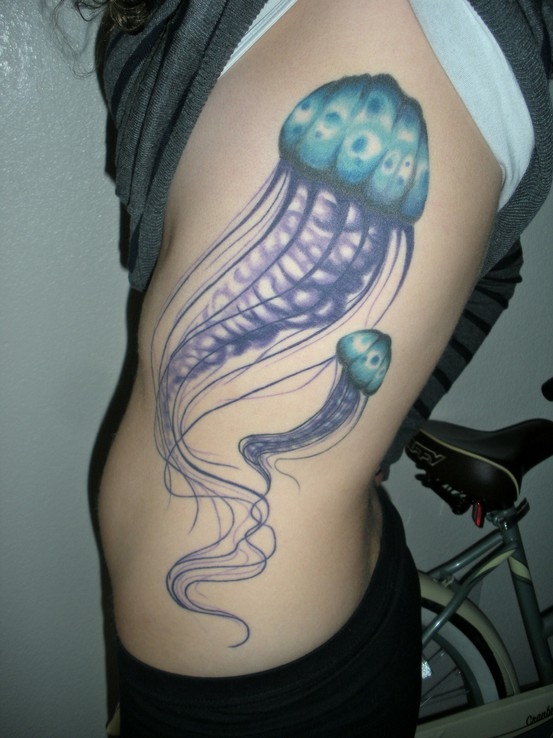
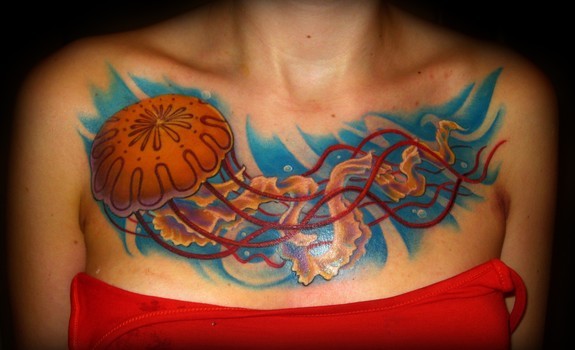
Tattoo Tuesday is about jellyfish – because I think they pretty and interesting. I remember gathering and studying little pink ctenophores – which are comb jellies – relatives of jellyfish, when I was in college on a biology field trip to Chesapeake Bay. We tromped around the Bay in February, gathering specimens and studying them in the Marine Fisheries Lab nearby. I was particularly taken with the comb jellies. Their rows of cilia undulated down their bodies, propelling them along. Fascinating to watch.
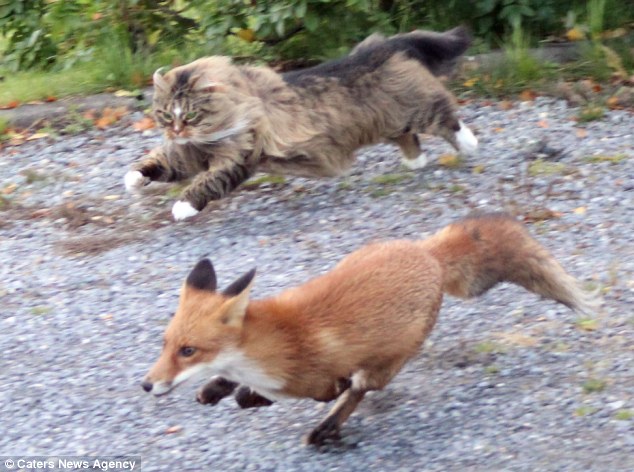
My Sammy (Cmdr. Samuel Vimes) is a Maine Coon and he has a more outgoing personality. I found in once him in the backyard trying to play with an opossum. Not smart – no damage, however. For this reason (and others), Sammy now dominates the house, but not the yard or the neighborhood.
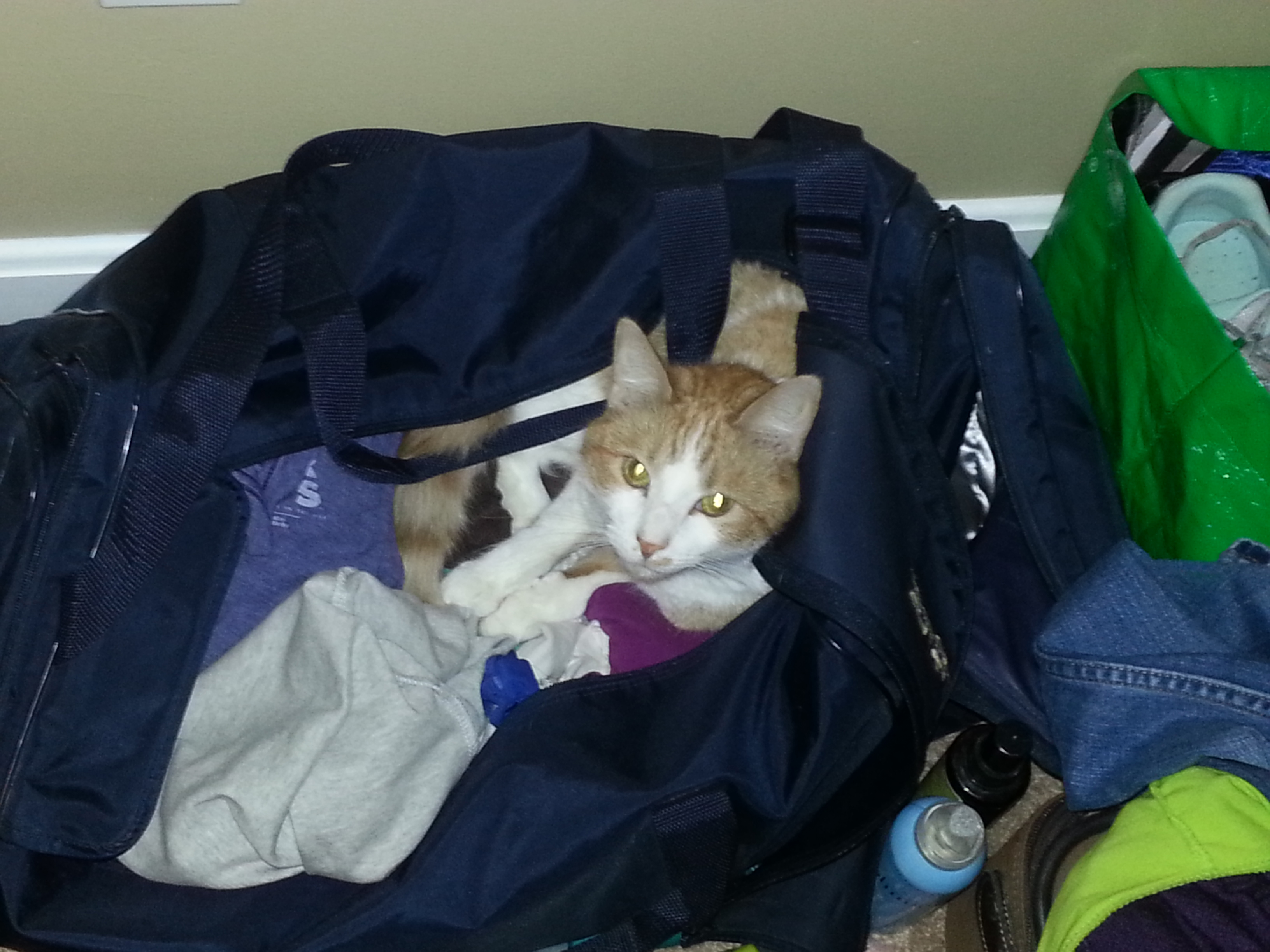
Bonus Sappy Cat -Jill appears to know that her owner is going away for the weekend – and has plans to tag along.














 Gunsmoke and Knitting