This morning when I was on my way to work a fellow just like this one flew at eye level right in front of my car. I am very grateful that his timing was such that there was no collision. Even though I work in an urban area, there are enough trees, parks and connected green space that red tailed hawks can survive. I once saw one take down a pigeon right in front of our concert hall – pretty impressive.
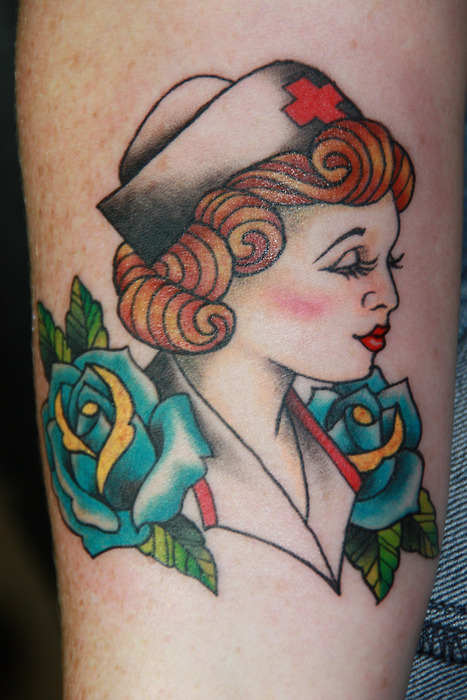
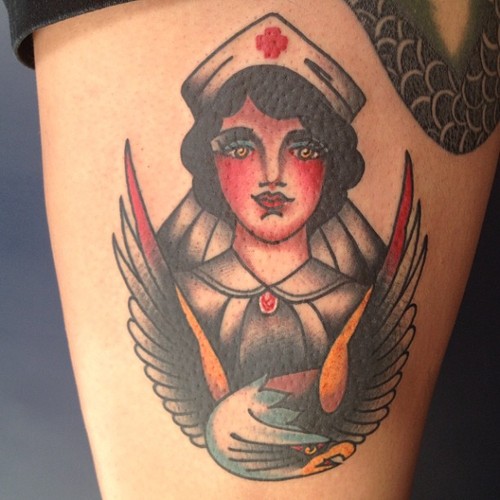
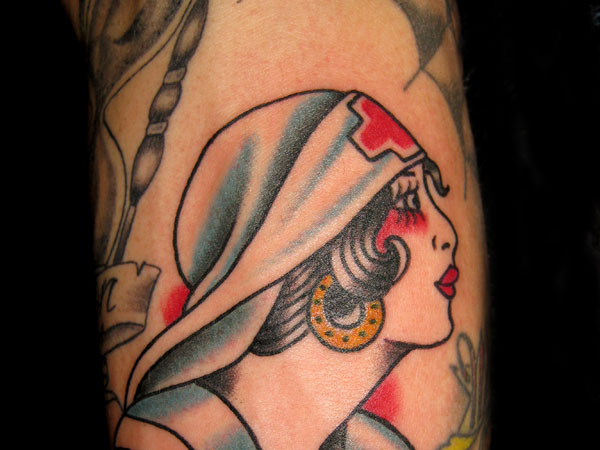
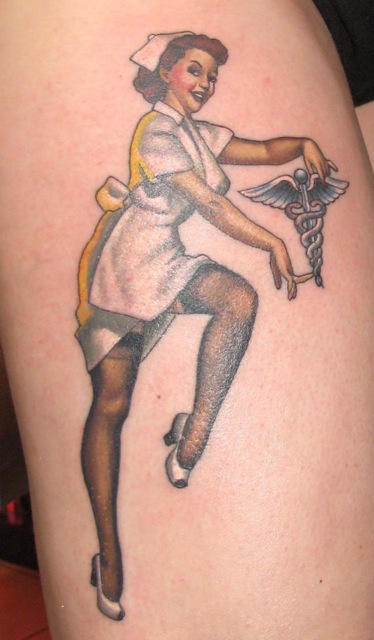
National Nurses Day is celebrated on May 6 in the USA
International Nurses Day is celebrated on May 12.
The history of Nurses Day can be traced back to 1953 when Dorothy Sutherland of the U.S. Department of Health, Education, and Welfare sent a proposal to President Eisenhower to proclaim a “Nurse Day” in October of the following year. The proclamation was never made, but the following year National Nurses Week was observed from October 11 – 16, marking the 100th anniversary of Florence Nightingale’s mission to Crimea.
In 1974, President Nixon proclaimed a “National Nurse Week.” In 1981, a resolution was initiated by nurses in New Mexico to have May 6th declared “National Recognition Day for Nurses.” This proposal was promoted by the ANA Board of Directors and in 1982, with a joint resolution, the United States Congress designated May 6th to be “National Recognition Day for Nurses.” The proposal was signed by President Reagan, making May 6 the official “National Recognition Day for Nurses.” It was later expanded by the ANA Board of Directors in 1990 to a week-long celebration (May 6-12) known as “National Nurses Week.”
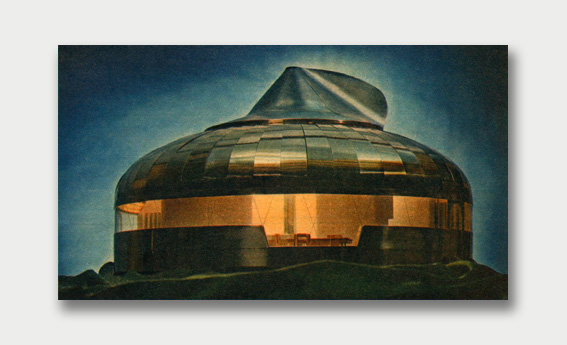
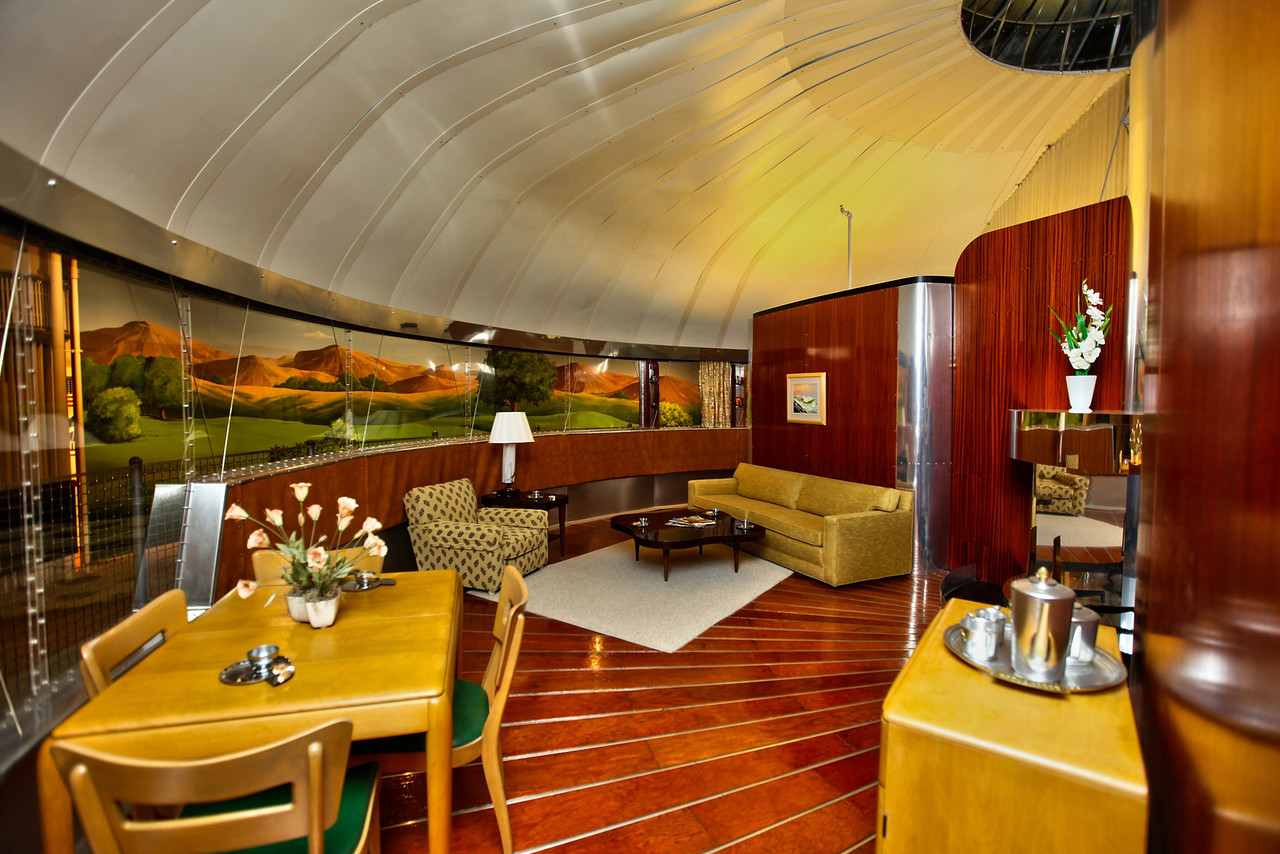
When I think of Buckminster Fuller, I think of geodeisic domes, Bucky balls, and things like that. In 1920, however, he entertained the idea of entering the housing market with what he called the Dymaxion House. The benefits of this thoughtfully designed structure have appeal – easy to heat, dust is drawn down through the baseboards almost eliminating that noxious chore, rotating closets that bring the clothes to you (this was repeated in an episode of Tool Time). A full description is here at the Fuller Institute.
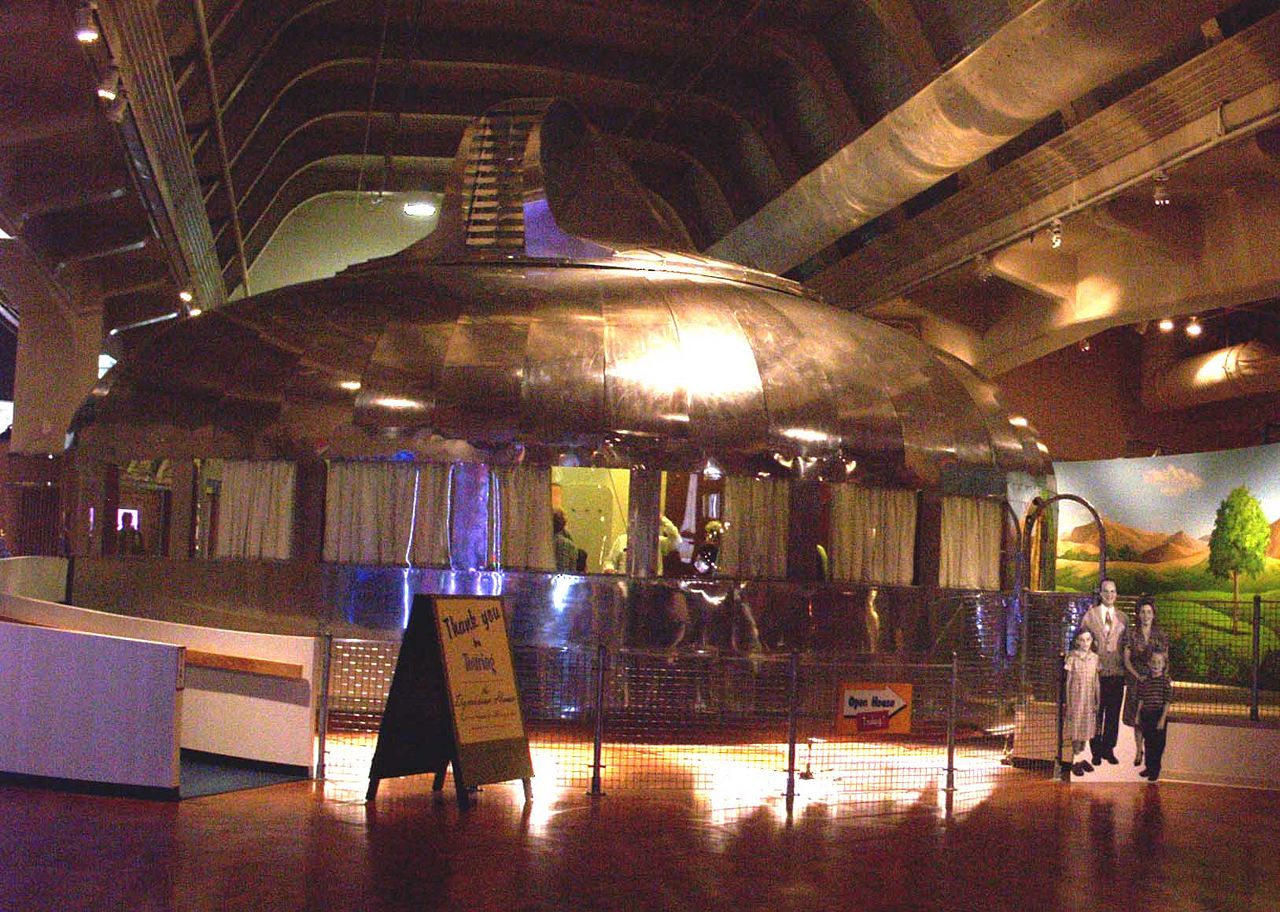
Although the design was conceived in 1920, it was not until 1945 that one of the dymaxion homes was actually built. In spite of all of its benefits, the idea did not take off. The one dymaxion home that was built, was dismantled in 1991 and was eventually reassembled as part of the Henry Ford Museum in Dearborn, Michigan.
How cool is this! The Friends of the National Zoo are auctioning a chance to learn to train one of their lions.
The description reads:
Join a lion keeper for a crash course on animal training! During this special behind-the-scenes experience you will learn about operant conditioning and the importance of training the National Zoo’s lions. Afterward you will have the opportunity to observe a real live training session between one of the Zoo’s lions and their trainer. This unique experience ends with an opportunity to a try out your new skills as a trainer!
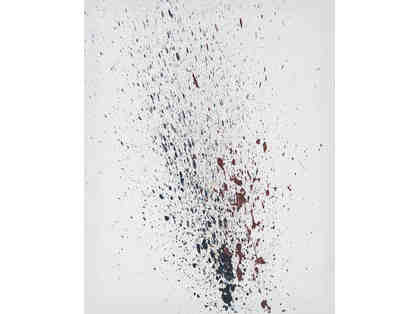
There are a lot of other things to bid for on the site – all going to support the Smithsonian institutions. One I particularly like is the sloth bear spray painting. Suggested value $325.
May 1 is St. Tamanend’s Day. Tamanend was leader of the Lenni Lenape nation (Delaware Indians) who lived from about 1625 to 1701. He is celebrated for being a proponent of friendship and civility in relations between the native and European settlers in the Delaware Valley around the time Philadelphia was being settled.
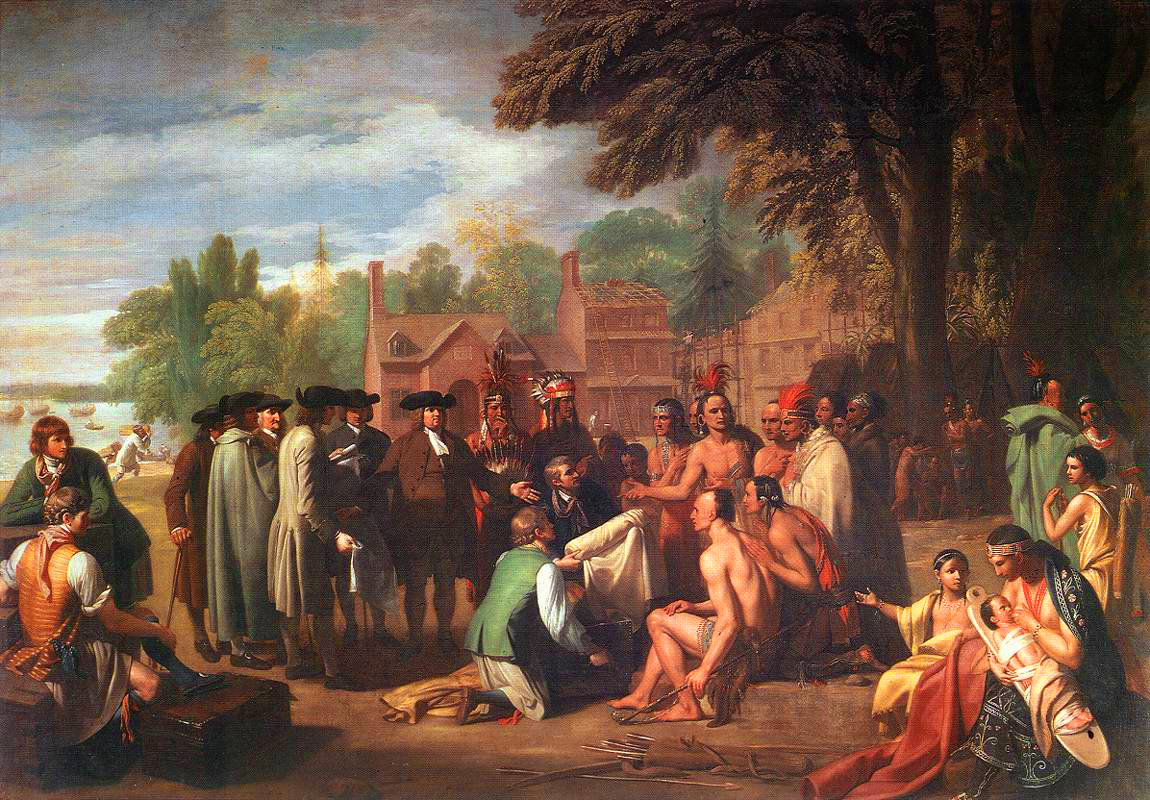
William Penn signing a treaty with the Algonquins
The Lenni Lenape belonged to the greater Algonquin people — tribes who spoke similar languages and who loosely identified with one another. Among the Algonquin, the Lenni Lenape were known as the grandfathers as they were traditionally regarded as the progenitors of all Algonquin tribes.
Tamanend’s people lived in eastern Pennsylvania when William Penn (1644-1718) first settled the colony. As a prominent member of the Society of Friends (i.e. the Quakers), which promoted pacifism and egalitarianism, Penn felt it was important to deal fairly with the indigenous people. Thus, Penn purportedly paid 1,200 pounds for the land on which his first settlement was founded. This is universally regarded as a fair price. Among the Lenape he was given the nickname Minquon which means “quill,” suggesting the pen with which treaties were signed.
Tamanend was one of the indigenous leaders present when, in 1682, Penn signed a treaty of eternal friendship under a great elm tree in the Lenape village of Shakamaxon. Tradition states that on this occasion Tamanend declared that the peace between the Quaker settlers and the Lenape people would endure as long as the streams and rivers flowed and as long as the stars burned in the sky. It is also said that Tamanend was present at a council in Philadelphia in 1694 when the Iroquois people wanted to attack the settlers. Tamanend insisted that despite the occasional obstacle standing in the way of their friendship his people should remain true to their word and keep the peace with the Christians.
I don’t know. I think this statue was Johnny Depp’s inspiration for his portrayal of Tonto in the 2013 Lone Ranger film.
This article from American Digest depicts what every kid wants – enough pieces and parts of building toys to make something REALLY BIG.
This is a fantastic marble raceway – and speaking of marbles. Wikipedia provides some insight into their history:
Various balls of stone were found on excavation near Mohenjo-daro. Marbles are also often mentioned in Roman literature, and there are many examples of marbles from ancient Egypt. They were commonly made of clay, stone or glass.
Marbles were first manufactured in Germany in the 1800s. The game has become popular throughout the US and other countries.
Ceramic marbles entered inexpensive mass production in the 1870s.
A German glassblower invented marble scissors in 1846, a device for making marbles. The first mass-produced toy marbles (clay) made in the U.S. were made in Akron, Ohio, by S. C. Dyke, in the early 1890s. Some of the first U.S.-produced glass marbles were also made in Akron, by James Harvey Leighton. In 1903, Martin Frederick Christensen—also of Akron, Ohio—made the first machine-made glass marbles on his patented machine. His company, The M. F. Christensen & Son Co., manufactured millions of toy and industrial glass marbles until they ceased operations in 1917. The next U.S. company to enter the glass marble market was Akro Agate. This company was started by Akronites in 1911, but was located in Clarksburg, West Virginia. Today, there are only two American-based toy marble manufacturers: Jabo Vitro in Reno, Ohio, and Marble King, in Paden City, West Virginia.
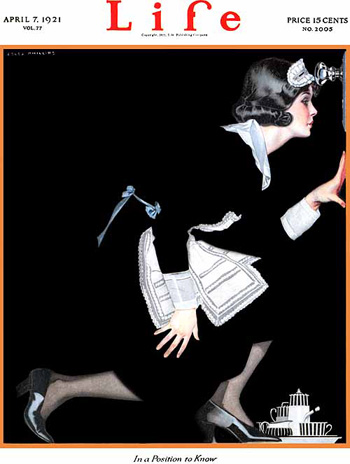
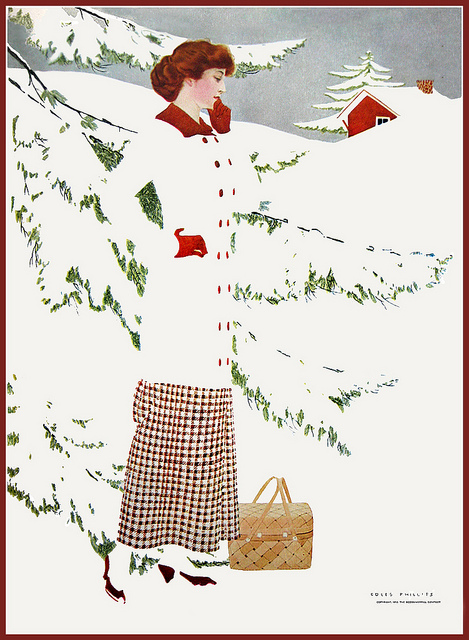
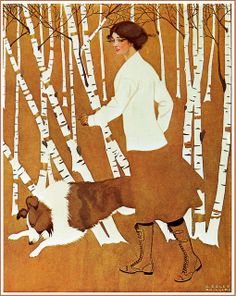
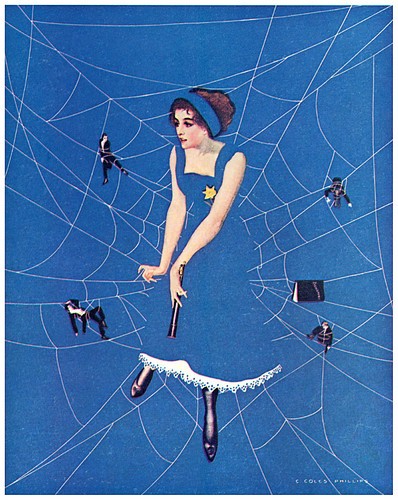
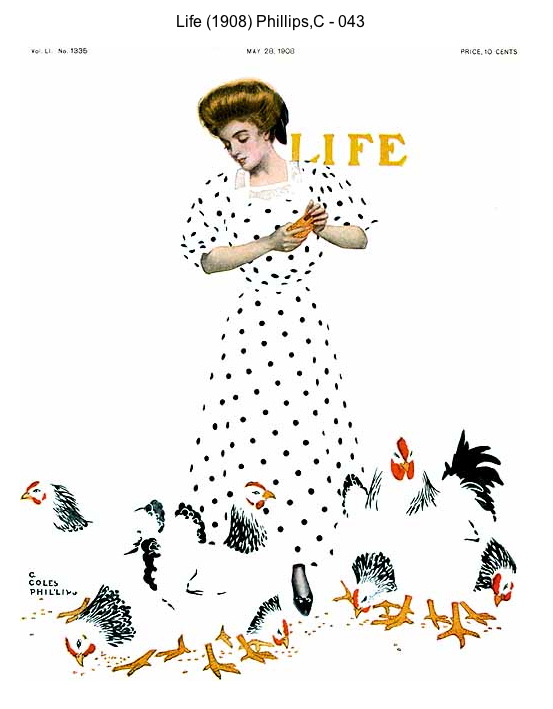
I am fascinated by the illustrations of Coles Phillips (1880-1927). Phillips was an American illustrator who came to prominence in the early years of the 20th century. His illustrations – many on the covers of Life, Good Housekeeping,and the Saturday Evening Post – gained popularity through his technique of leaving much to the imagination.
His arrangements of the masses, small and large, were to him much more exciting than the color or the idea, or whether the girl was pretty. Pure design, in other words, was his real love, and the fact that he made his reputation as a painter of pretty girls was more an accident than anything else.”




























 Gunsmoke and Knitting