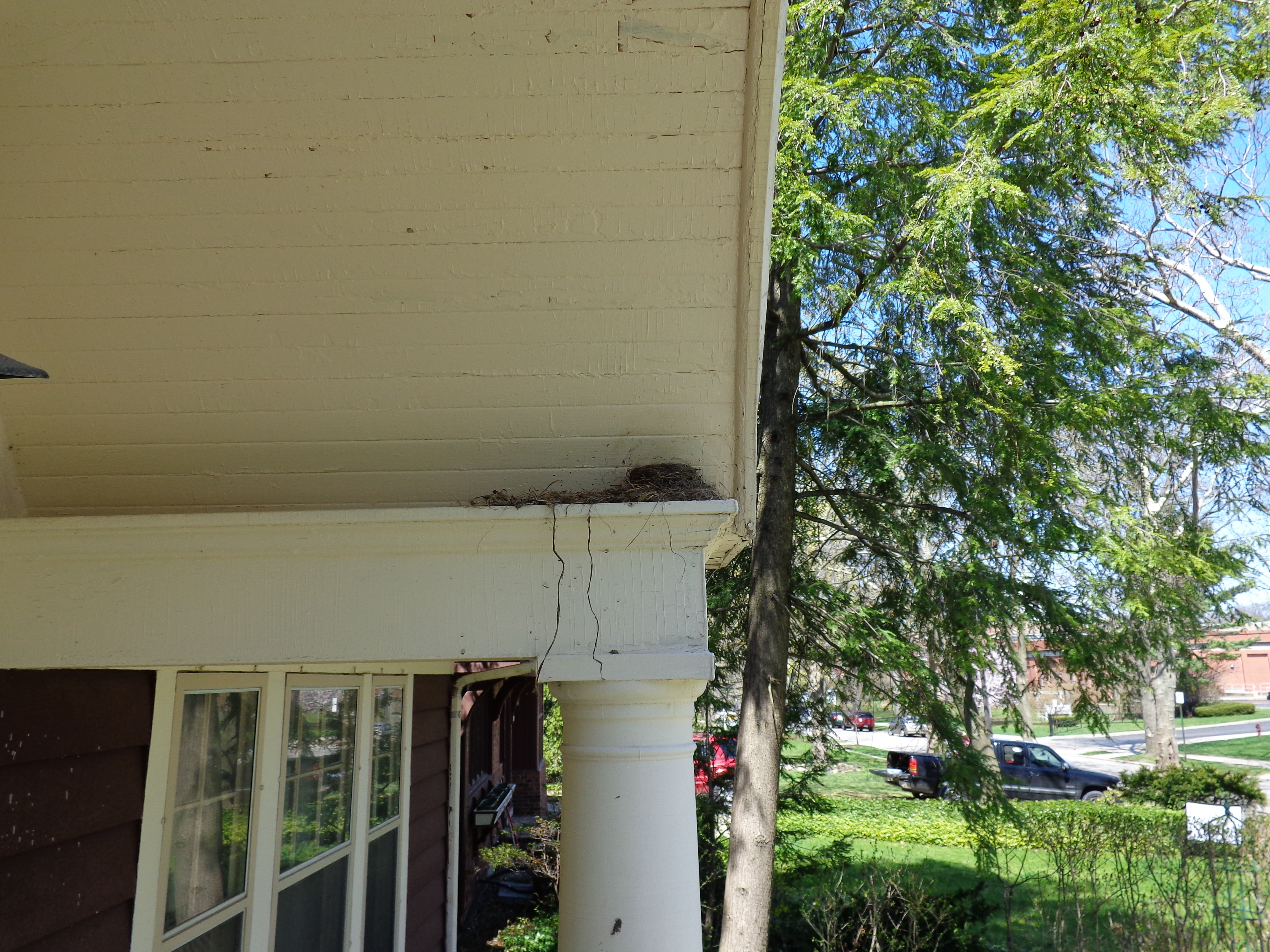
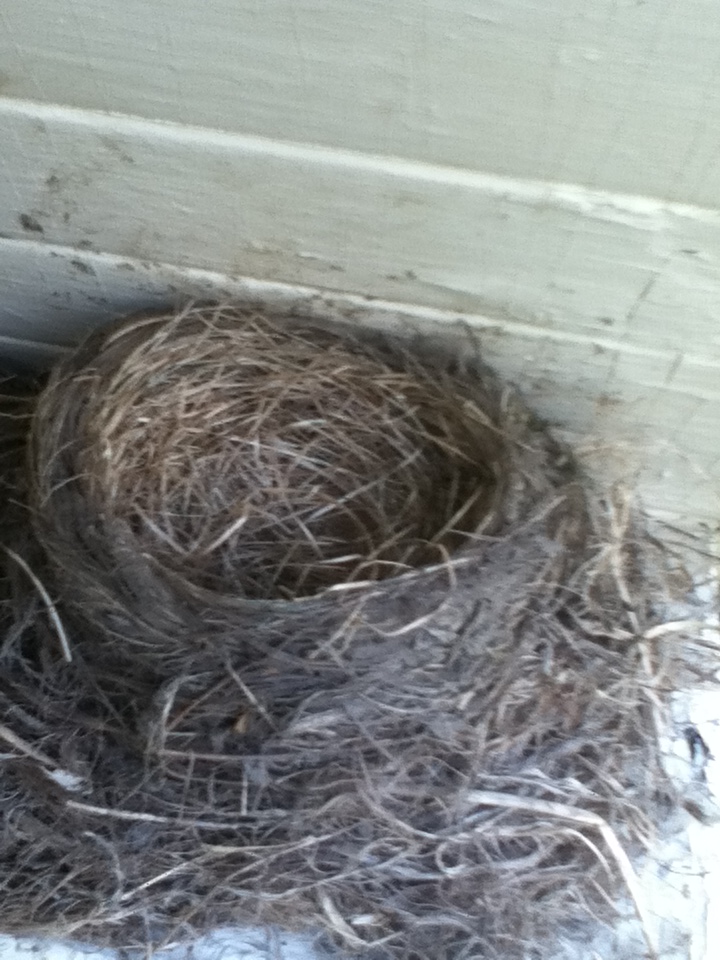
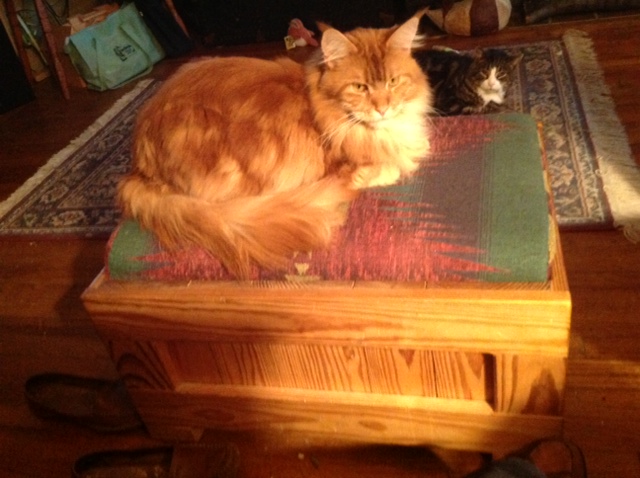
I think I mentioned the nest outside my front door. Here are some photos. The nest is in perfect condition, but the birds must have changed their plans because it does not look as if it was ever put to its intended purpose. Maybe the porch light was too much.
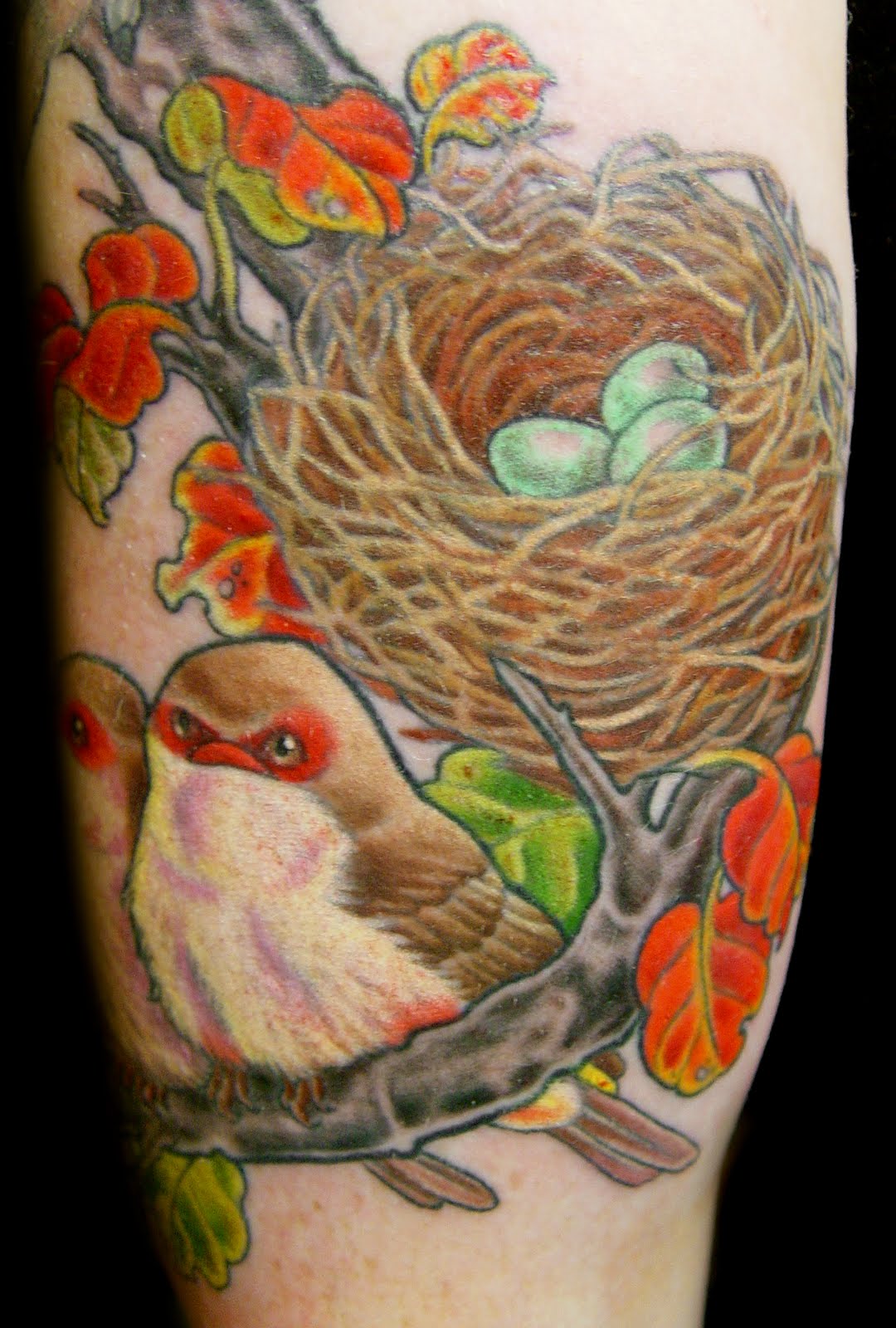
This week I celebrate the vernal appearance of birds and their nests.
Happy spring – and happy mother’s day a bit early.
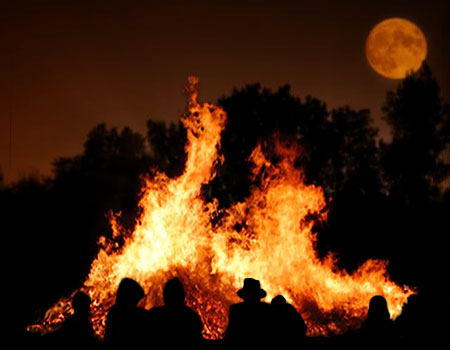
April 30 is Walpurgis Night – the festival exactly 6 month opposite Halloween that marks the beginnings of spring, rather than the harvest season.
The holiday is named for St. Walpurga and it originated in northern and central Europe. Walpurga is the patron saint of those suffering from rabies – make of that what you will.
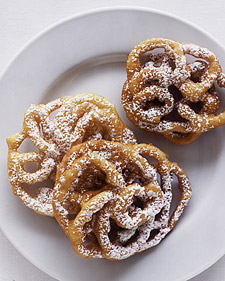
Traditionally celebrated with dancing and a bonfire, in Scandinavia, there are often fresh funnel cakes to celebrate this night.
Here is a funnel cake recipe from Alton Brown:
Funnel Cake
Prep Time: 10 min
Cook Time: 10 min
Level: Easy
Serves: 10 cakes
Ingredients
1 cup water 3/4 stick butter (6 tablespoons) 1 tablespoon sugar 1/8 teaspoon salt 1 cup flour 1 cup eggs, about 4 large eggs and 2 whites Vegetable oil, for frying Powdered sugar, for topping
Directions
Boil water, butter, sugar, and salt together in a saucepan. Add flour and work it in until it is all incorporated and dough forms a ball. Transfer mixture to the bowl of a standing mixer and let cool for 3 to 4 minutes. With mixer lowest speed, add eggs, 1 at a time, making sure the first egg is completely incorporated before continuing. Once all eggs have been added and mixture is smooth, put dough in a piping bag fitted with a number 12 tip. Heat about 1 1/2 inches of oil in a heavy pan. Pipe dough into oil, making a free-form lattice pattern; cook until browned, flipping once. Remove cake from oil, drain on paper towels, and top with powdered sugar. Continue until all of the batter is used.
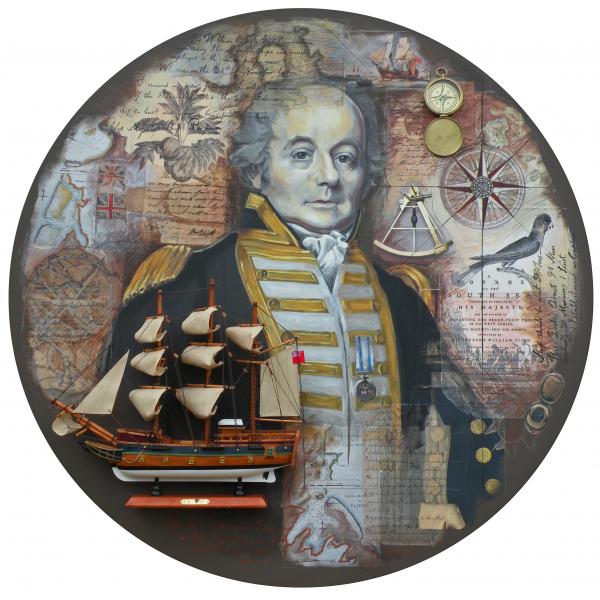
April 28 is the anniversary of the Bounty mutiny. Bligh’s biography written here, indicates he possessed high level of seamanship and was a loyal officer. These characteristics earned him respect. His irascibility and unbending nature also brought him trouble.
He fought under Nelson and earned his praise. In 1801, he was also elected a Fellow of the Royal Society for his contributions to navigation and botany.
After his naval career, he served as Governor of New South Wales and had a tumultuous career in Australia, as well, due to his hot temper and insistence on carrying out the law. He was eventually promoted to Vice Admiral and his claims in New South Wales were granted to his estate, providing well for his heirs.
A complex and interesting man. Here are some quotes from Bligh’s logs:
The object of all the former voyages to the South Seas undertaken by the command of his present majesty, has been the advancement of science and the increase of knowledge.
In our passage from the Cape of Good Hope the winds were mostly from the westward with very boisterous weather: but one great advantage that this season of the year has over the summer months is in being free from fogs.
A reconstruction of the ship Bounty was tragically lost in Hurricane Sandy in 2012. This video shows the heroic efforts of the Coast Guard in rescuing the Bounty’s crew. Fourteen crewmen were rescued; two, including the captain, were lost.
This is a re-blogging of my 2013 post commemorating the mutiny involving my distant cousin.
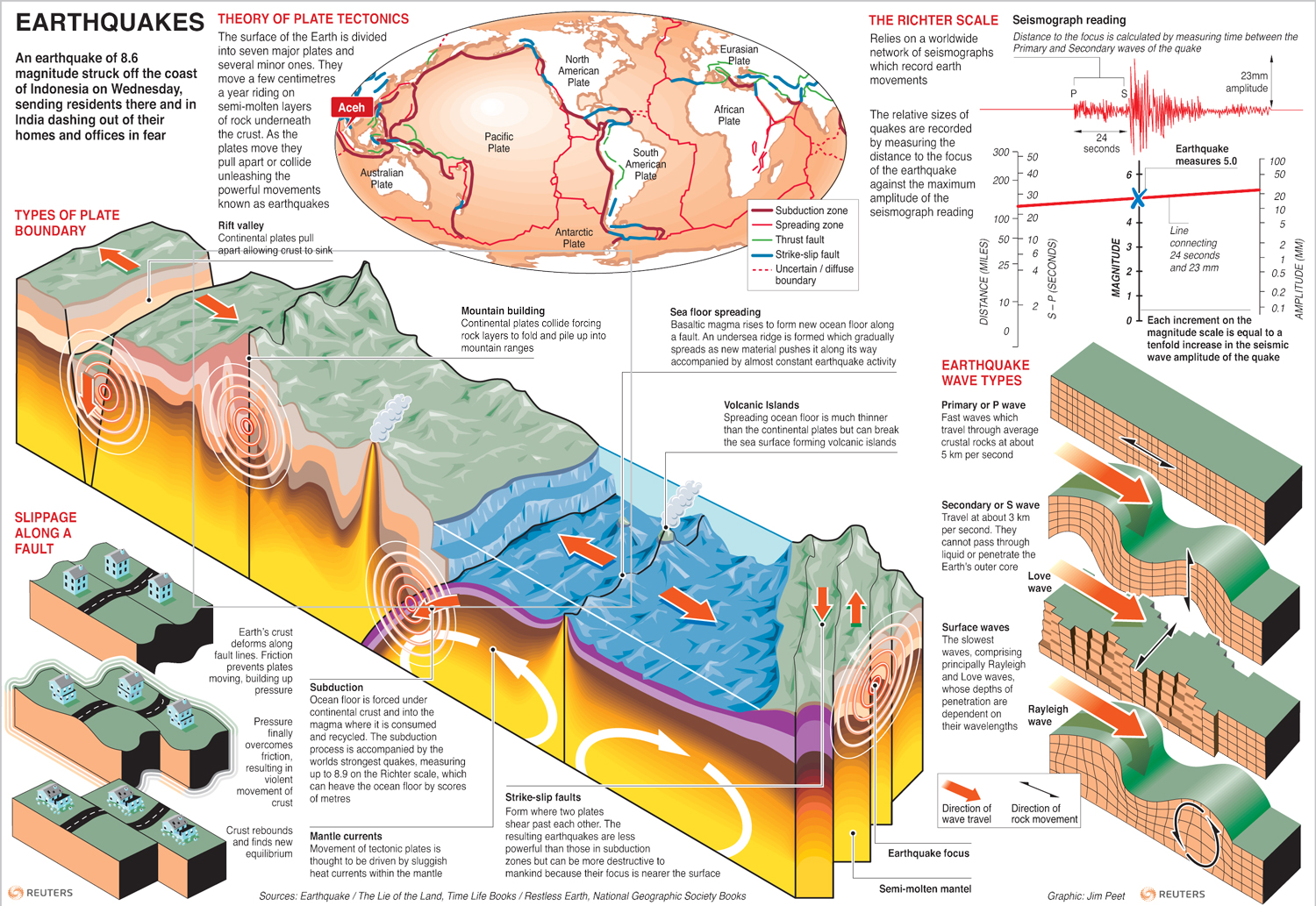
Get ready to rumble – there’s a whole lot of shaking going on because today is Richter Scale Day. April 26 is the birthday of Charles Richter (born in 1900 in Overpeck, Ohio) who developed the eponymous scale for comparing earthquakes. Richter repeated emphasized that there is no upper limit to the scale, however each level of the scale represents a ten-fold increase in magnitude from the previous level. The most powerful earthquake recorded was the 1960 Chilean earthquake that measured 9.5 on the scale.
Magnitude differs from intensity, as explained on the USGS earthquake site:
Magnitude and Intensity measure different characteristics of earthquakes. Magnitude measures the energy released at the source of the earthquake. Magnitude is determined from measurements on seismographs. Intensity measures the strength of shaking produced by the earthquake at a certain location. Intensity is determined from effects on people, human structures, and the natural environment.
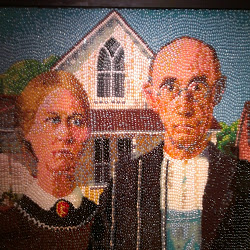
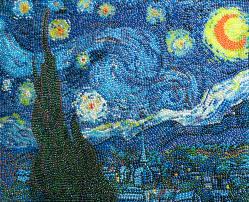
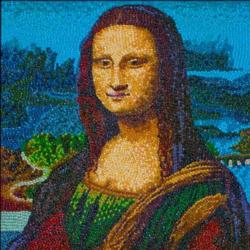
The pictures above are jelly bean art. These creations are an interesting take on the ancient art of mosaics. My research indicates that jelly beans themselves may have an ancient history, having evolved from Turkish delight candy – fruit jells coated with powdered sugar. Advances in manufacturing methods in the late 19th and early 20th centuries enabled candy makers to add a hard sugar shell to soft jell centers and modern jelly beans were created.