A door hidden within a wall of bookcases at Oxburgh Hall, Norfolk, owned by the National Trust. It is decorated with real book spines, with tongue in cheek titles that reference events and people from the history of Oxburgh.
NASA’s Scientific Visualization Studio produced this video demonstrating how the earths tides ebb and flow around the world. It doesn’t include narration or annotation because, they explain, ‘The goal was to use ocean flow data to create a simple, visceral experience’.
The visualization shows ocean surface currents around the world during the period from June 2005 through December 2007 – these figures are plotted into a computer that takes in shed loads of data and outputs pretty things like this – I love when computers do that. The computational model is called Estimating the Circulation and Climate of the Ocean, Phase II (ECCO2 for short).
It can calculate ocean flow at all depths but this particular video shows only surface flows. NASA describe it as a ‘high resolution model of the global ocean and sea-ice. ECCO2 attempts to model the oceans and sea ice to increasingly accurate resolutions that begin to resolve ocean eddies and other narrow-current systems which transport heat and carbon in the oceans’.
The dark areas under the ocean show the the undersea bathymetry (basically the opposite of topography). The bathymetry and land topography are exaggerated to enhance the contrast – bathymetry by 20 times and topography by 40 times.
According to UTC (Coordinated Universal Time – or sort of Greenwich Mean Time – also Zulu Time), summer ended and autumn began at 2:29. That would make it 22:29 EDT on Monday, September 22, where I reside. (Why UTC and not UCT or CUT?)
Approximating Earth’s orbit around the sun to be an ellipse with semimajor axis of 1 au and eccentricity of 0.0167, the distance Earth travels in one year is 940 million kilometers (584 million miles). The average speed of the Earth around the sun is 18.5 miles/second. – ref: Wikipedia
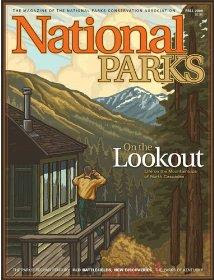
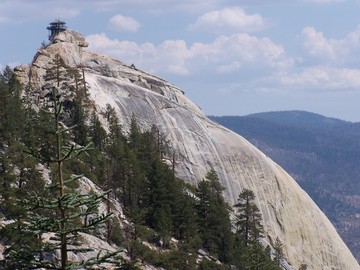
These are high, but not high-end, accommodations, but once you get there, the views must be magnificent!
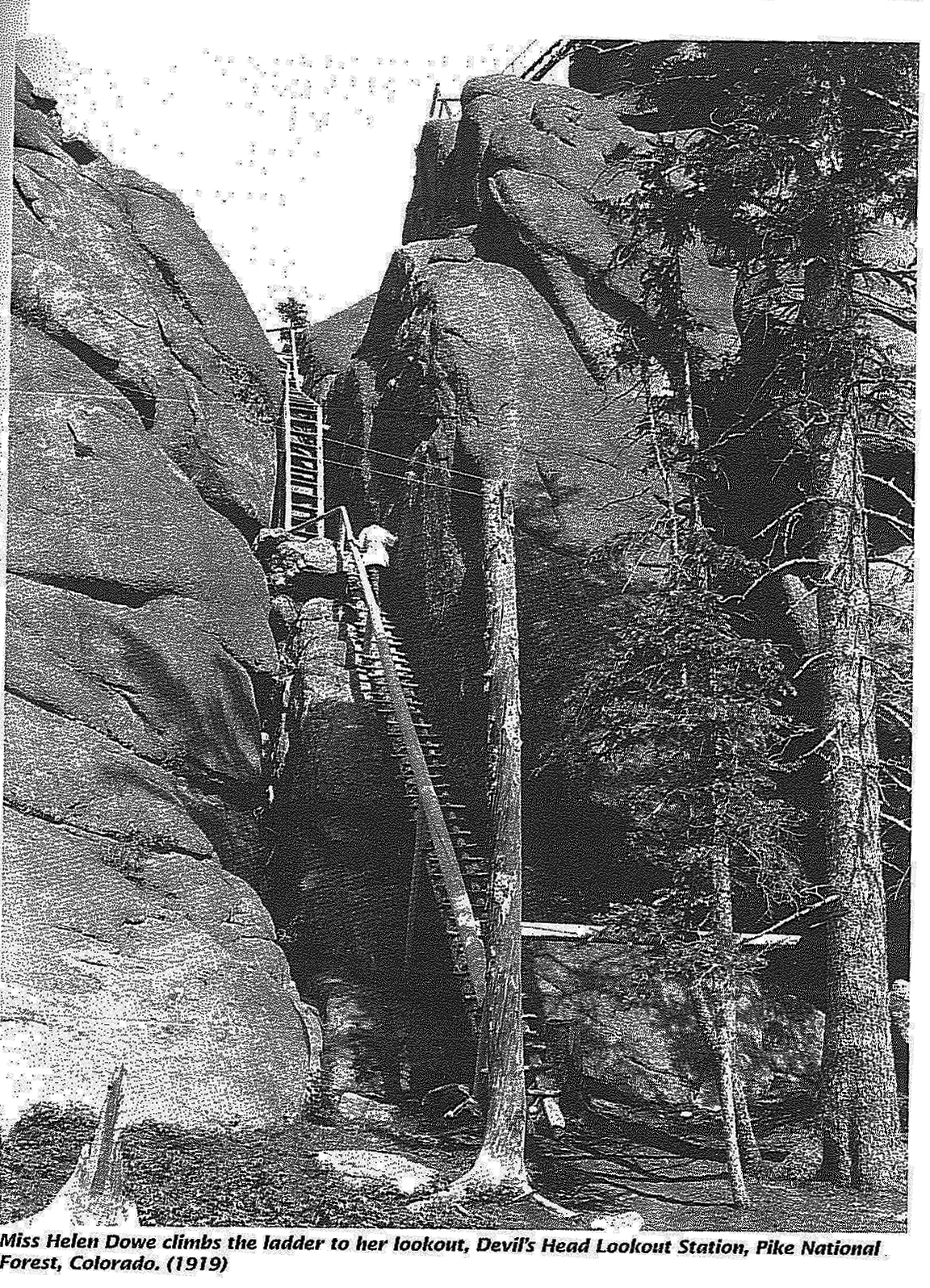
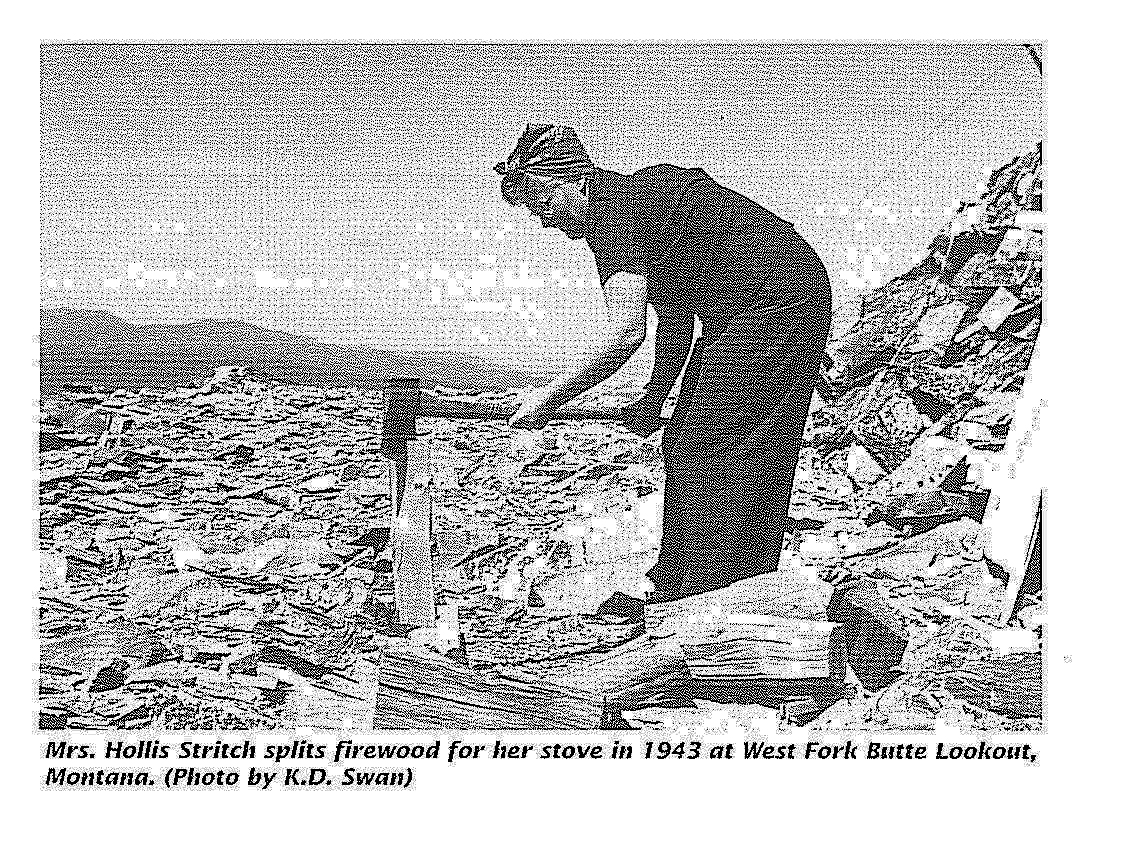
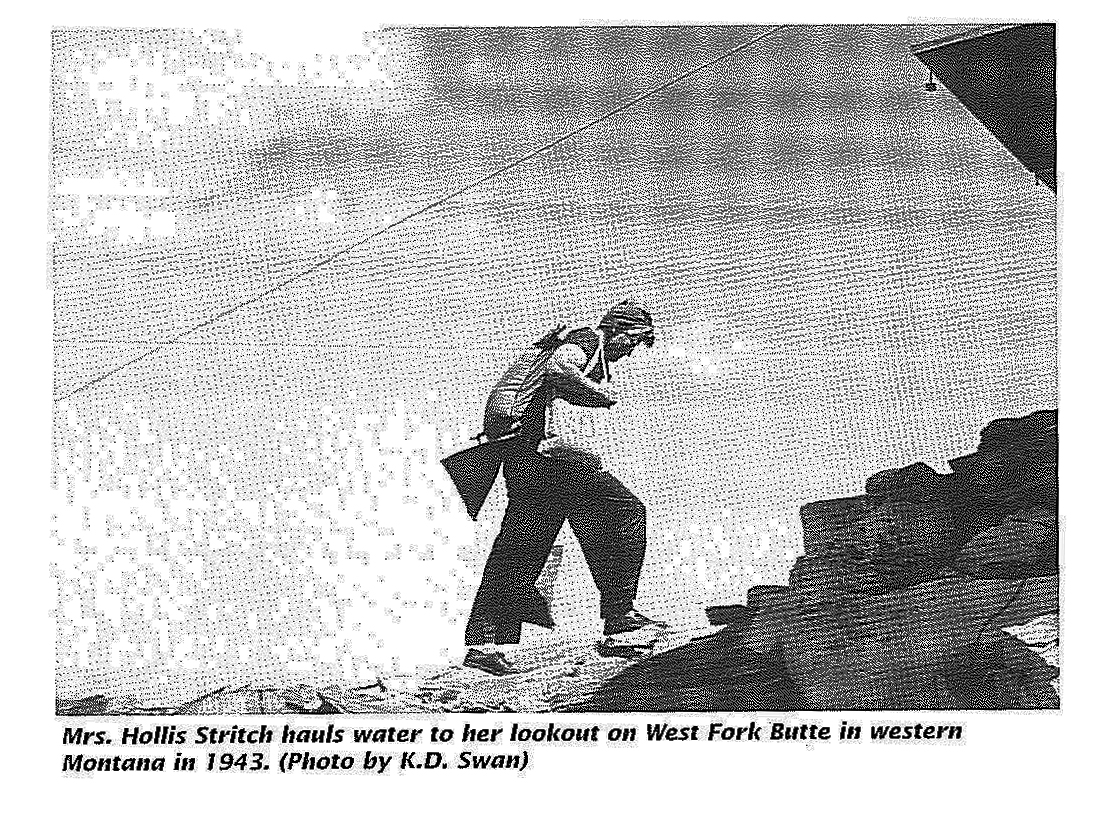
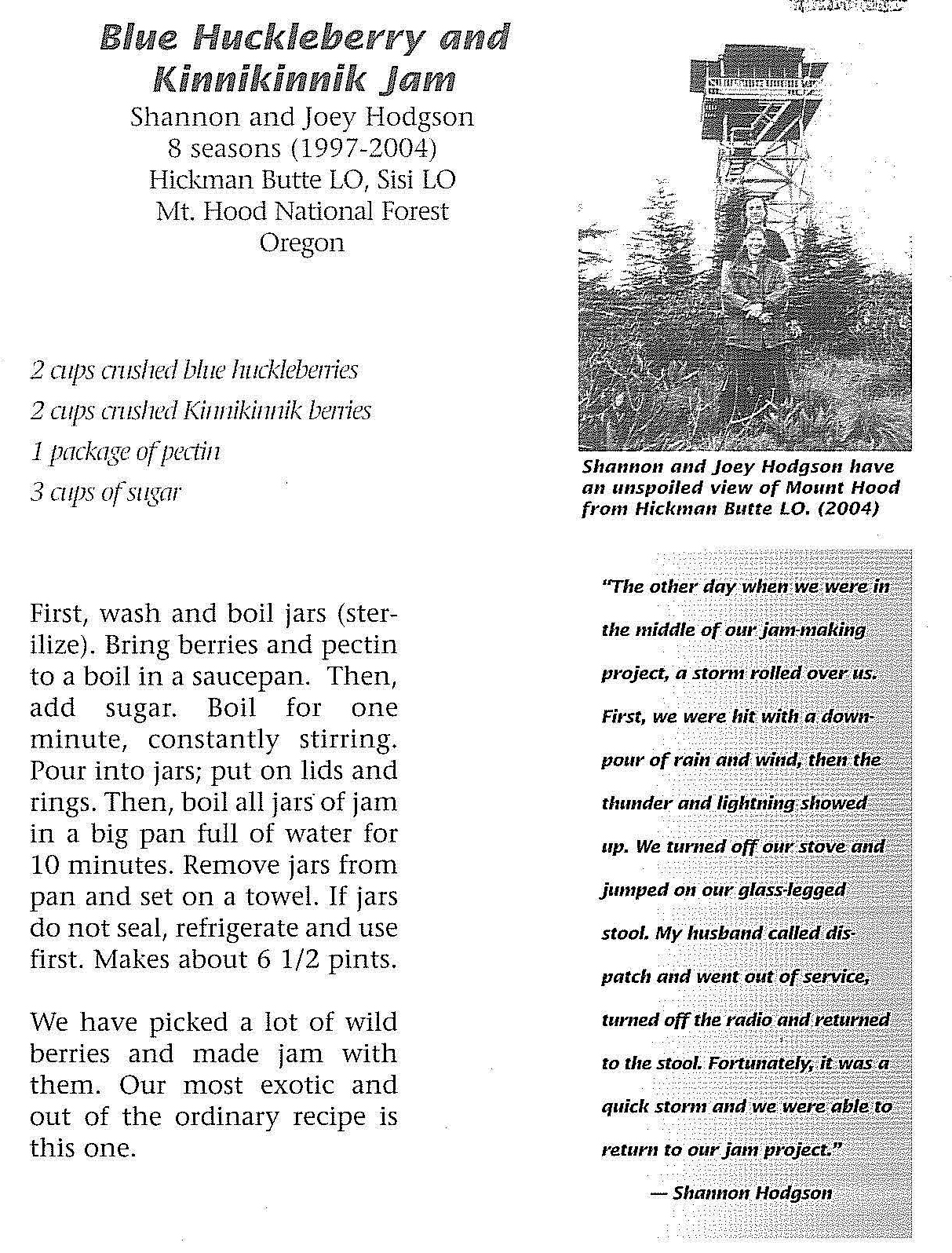
Lookout living is not all blue huckleberries and kinnikinnik jam, however. Like lighthouse keepers, lookout living requires some accommodations.
Here are some of the photos from this delightful book that combines history, drawings, photos and recipes. The book is available from the National Forests Foundation website store, or Amazon.
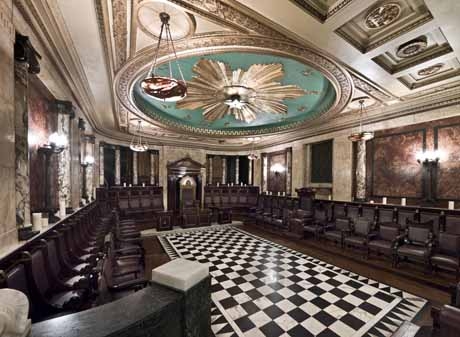
All too often I come across photos or stories or memories of interesting or magnificent places that have been lost to history. This post is about hidden architectural treasures in London which still exist – including a wonderful photo of the interior of the iconic Battersea Power Station. They have been captured in the book, London: Hidden Interiors.
Last year the show was canceled because of government sequestration. This clip is from 2012.
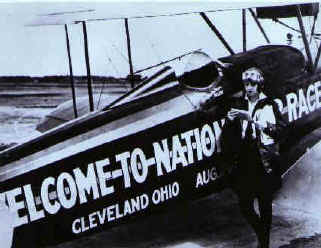
This event began in Cleveland in 1929 as the National Air Races. Holding the races in Cleveland gave a big push to industry in this city.
The event circulated to different cities for nine years and was finally brought to Cleveland in 1929 by a group of local businessmen headed by Louis W. Greve and Frederick C. Crawford. Greve was president of the Cleveland Pneumatic Tool Company, which made the hydraulic undercarriages that held the wheels on airplanes. Crawford was general manager and later president of Thompson Products Inc., now a part of TRW Inc. Thompson Products developed the experimental sodium-cooled cylinders, which enabled Charles Lindbergh’s Spirit of St. Louis to reach France.
The inaugural event in 1929 attracted an estimated 300,000 spectators, and took place over 20 days.
The eruptions of Krakatoa on August 26-27, 1883 were among the most violent volcanic events ever recorded. The eruption was the equivalent of 13,000 nuclear blasts the size of Little Boy that devastated Hiroshima. It obliterated two-thirds of the island on which it is located. Although part of Indonesia, the blast was heard as far away as Perth Australia. Adding to the destruction were the immense tidal waves that followed the event. (Wikipedia)
It is not Krakatoa, but here is a nice volcano tat.
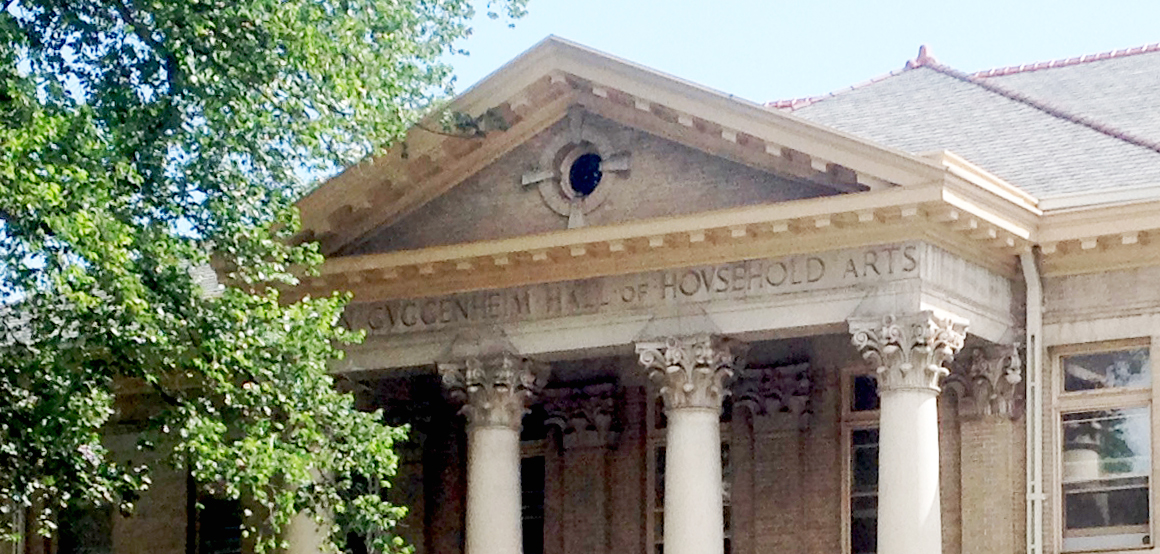
on the campus of Colorado State University in Fort Collins
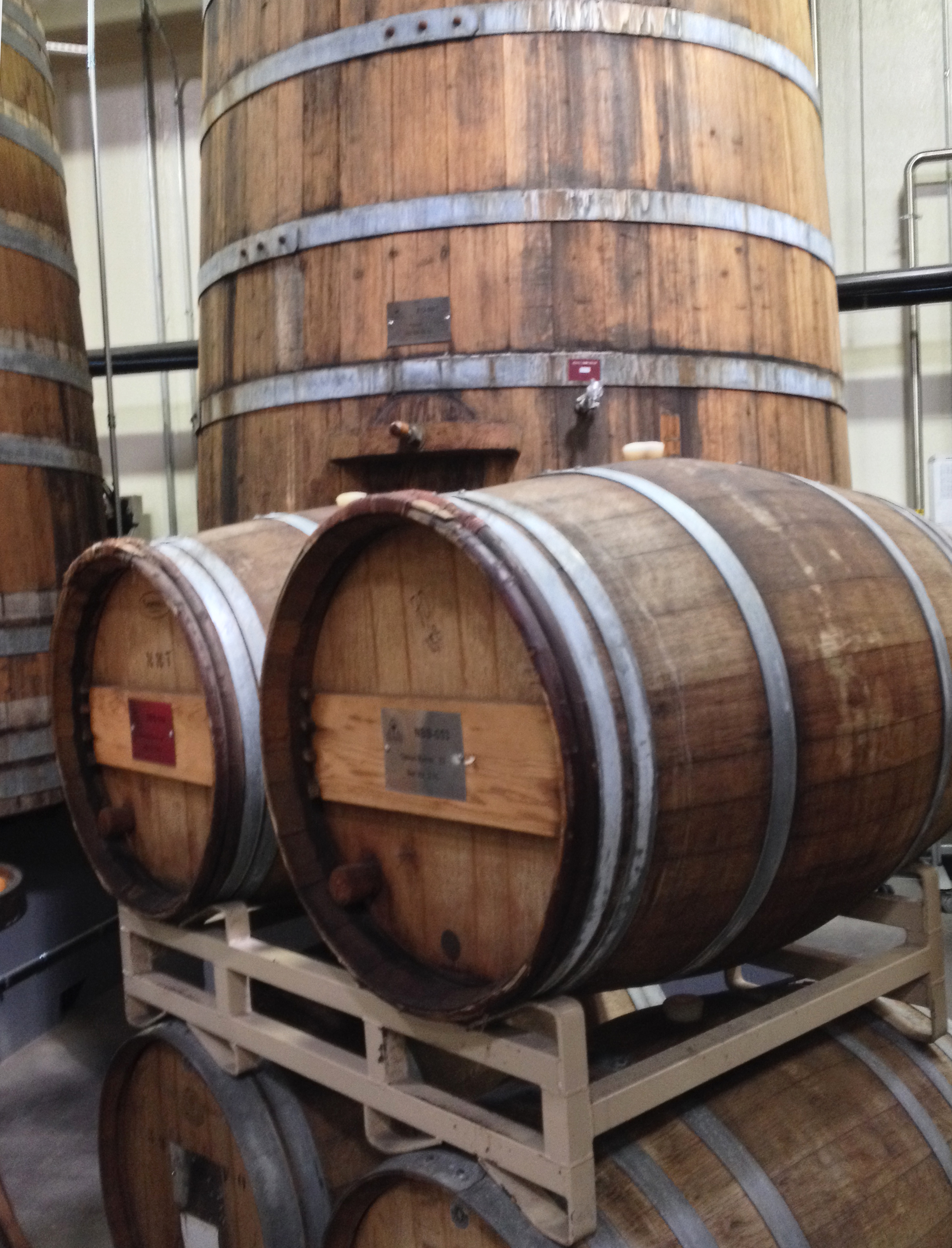
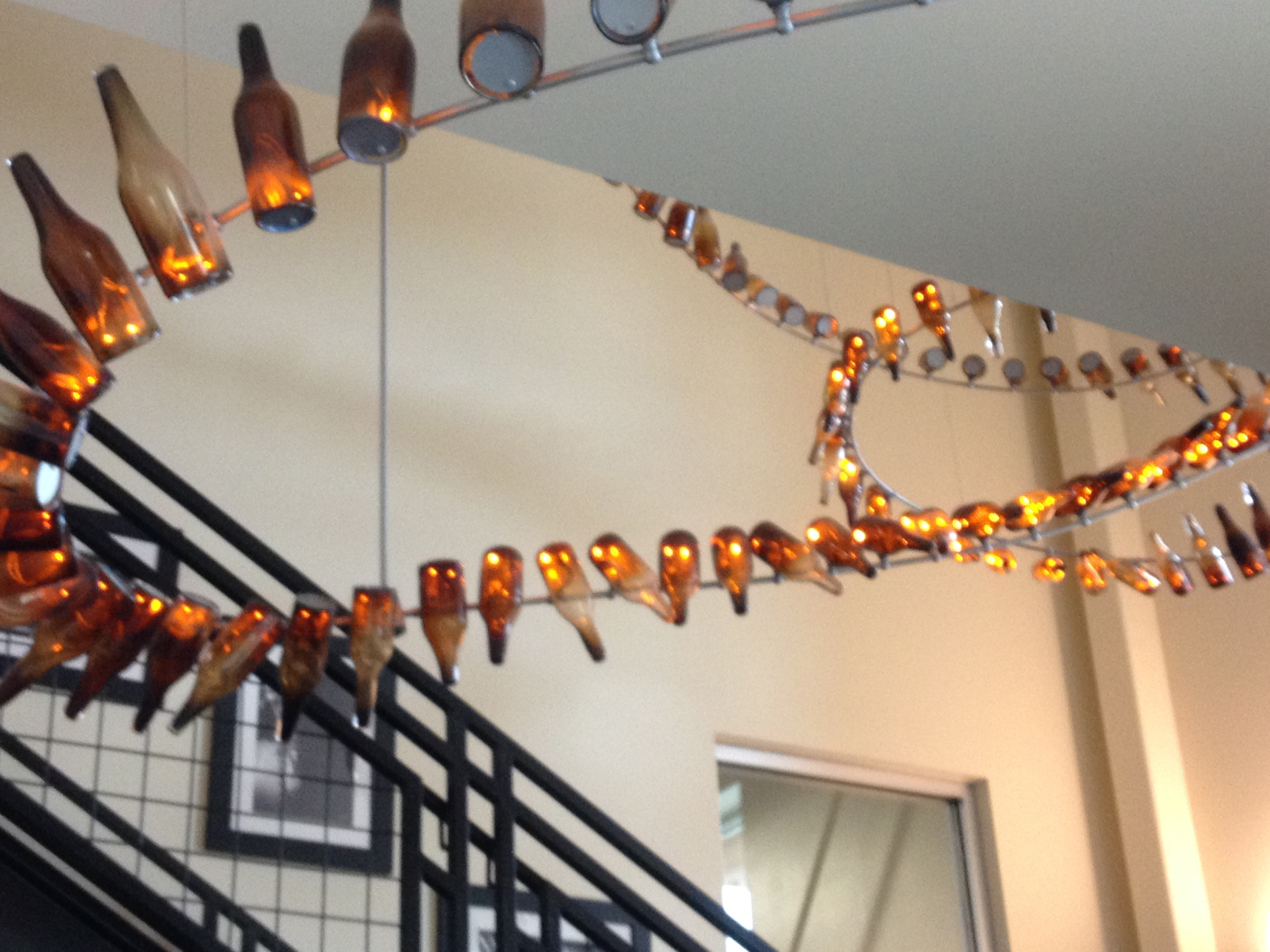
Also in Fort Collins we toured the New Belgium Brewery and saw the production facilities, a bacon statement tee shirt on one of our tour group and a marvelous chandelier of hand blown glass bottle shapes.
On to Breckenridge and Keystone
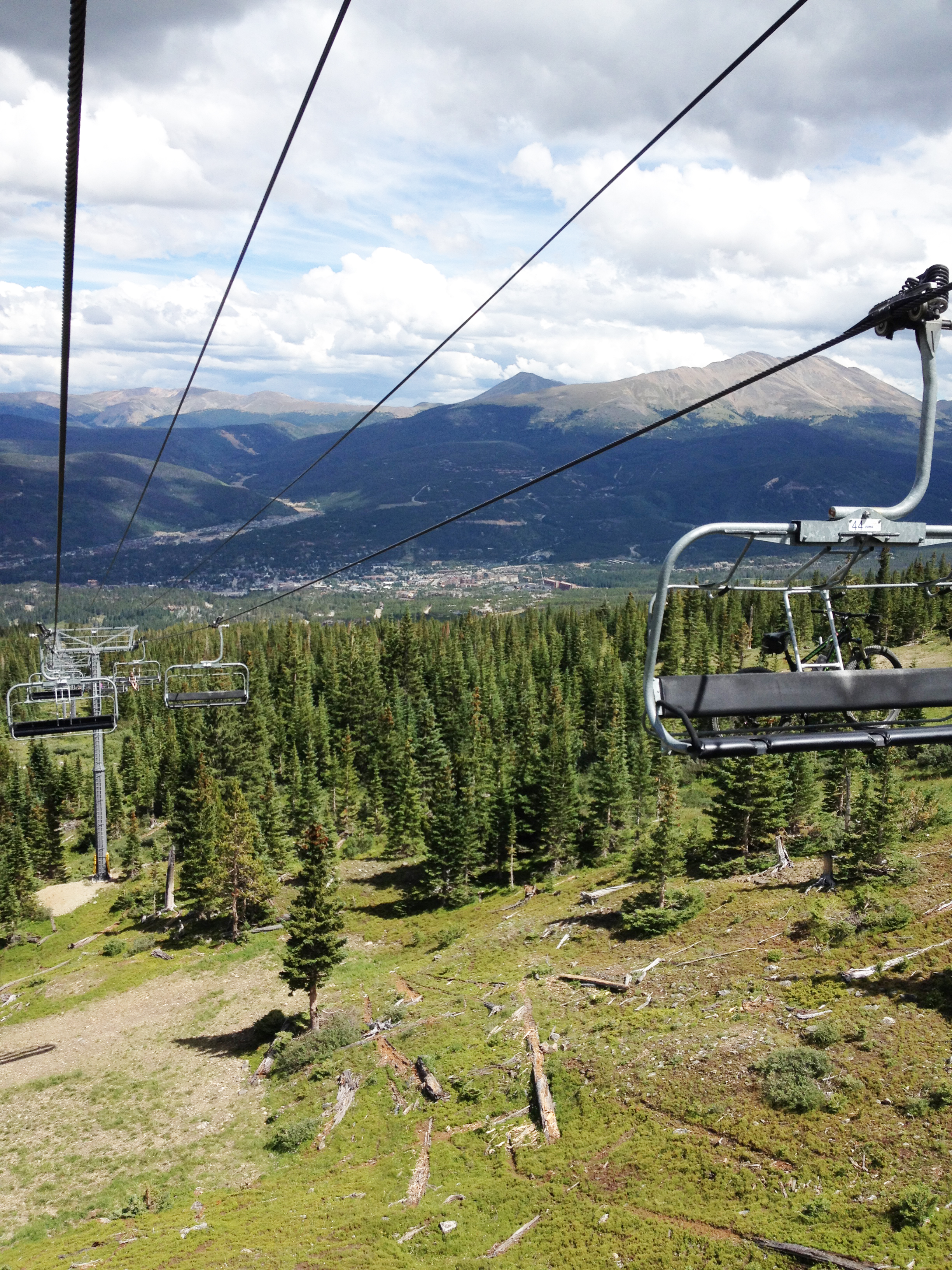
This is the chair lift at Breckenridge – I was white knuckled. Said my companion, “when the last time you were on a ski lift?” My response, “NEVER!” Needless to say, I did not take this picture.
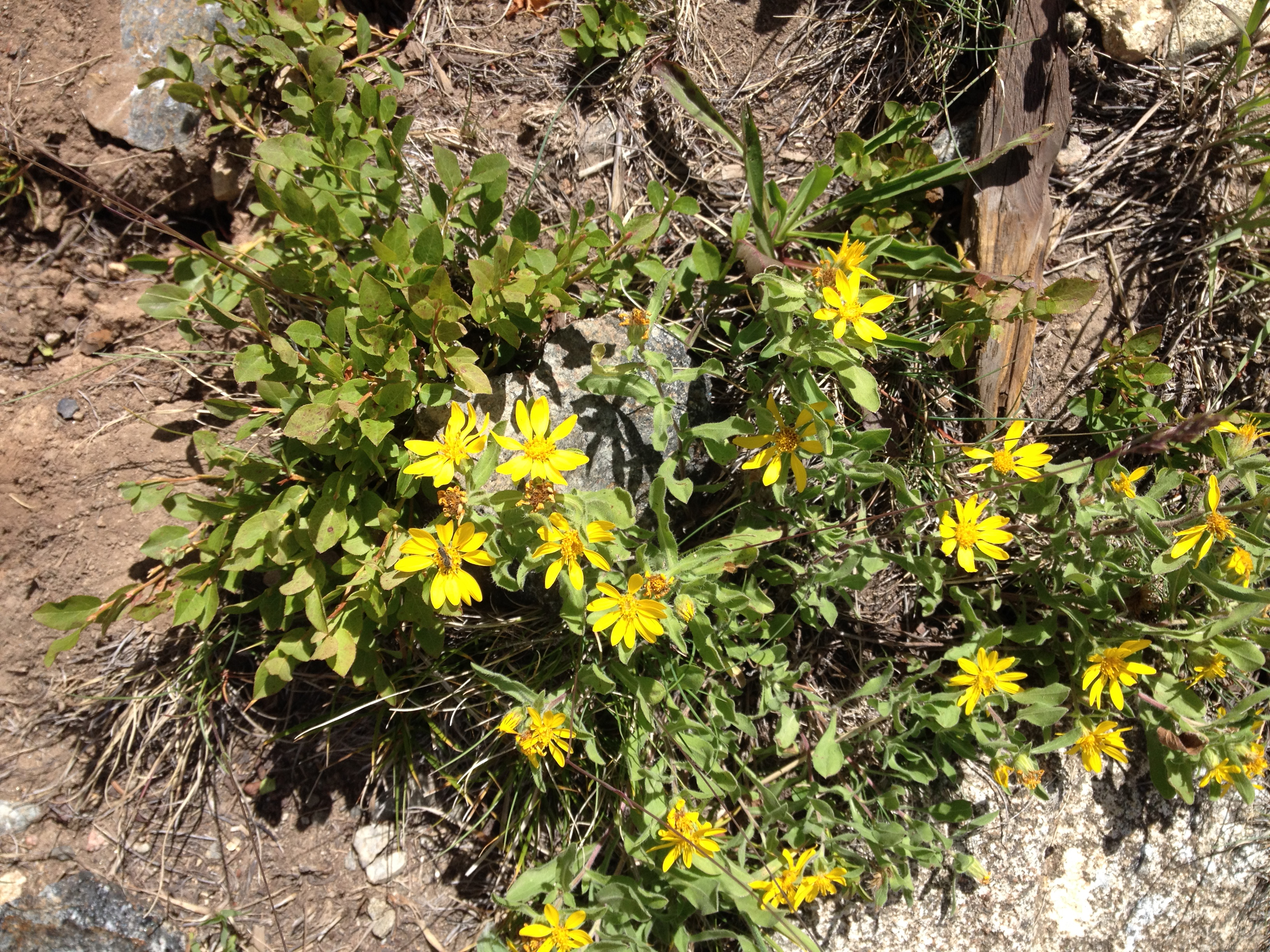
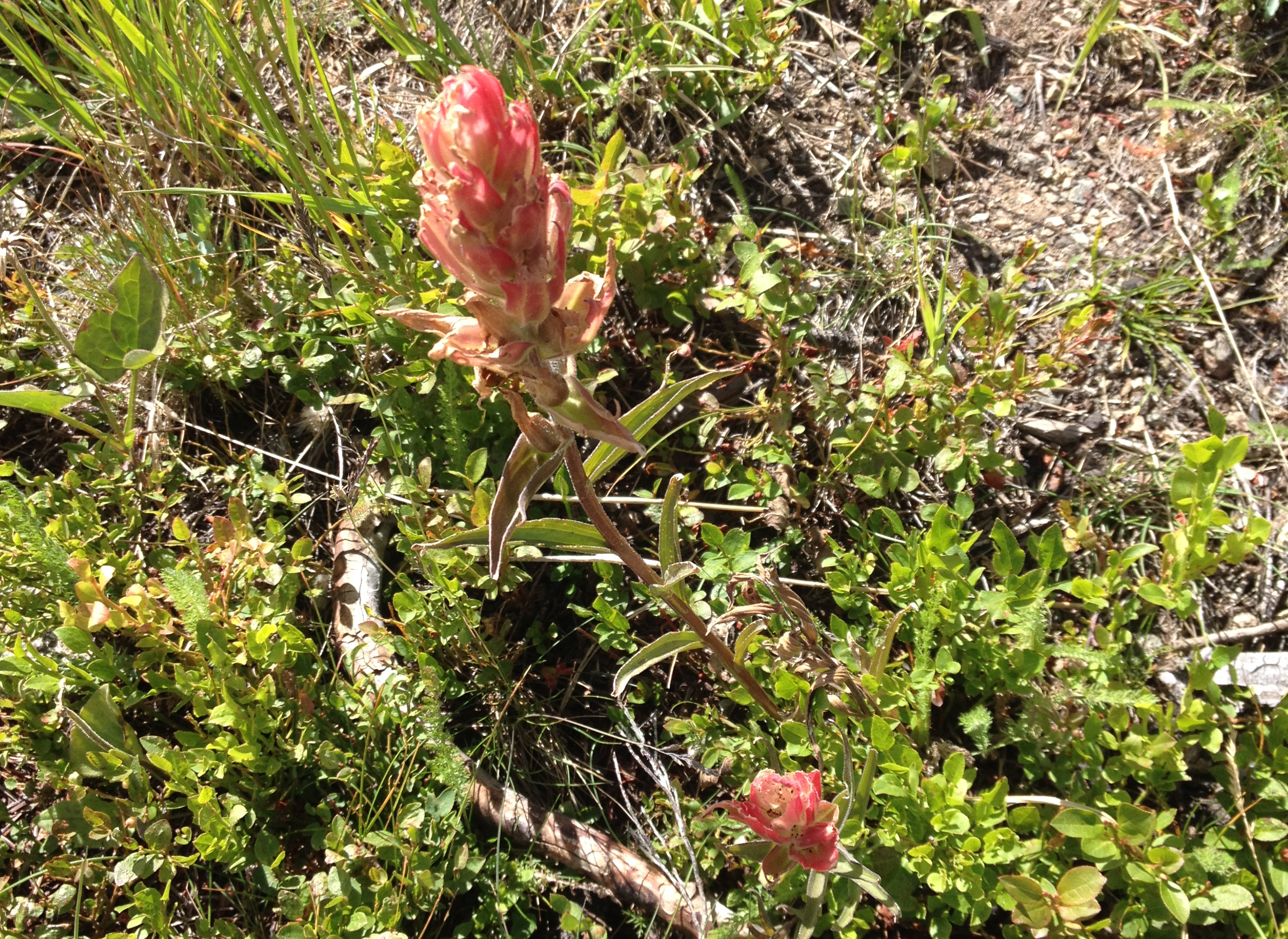
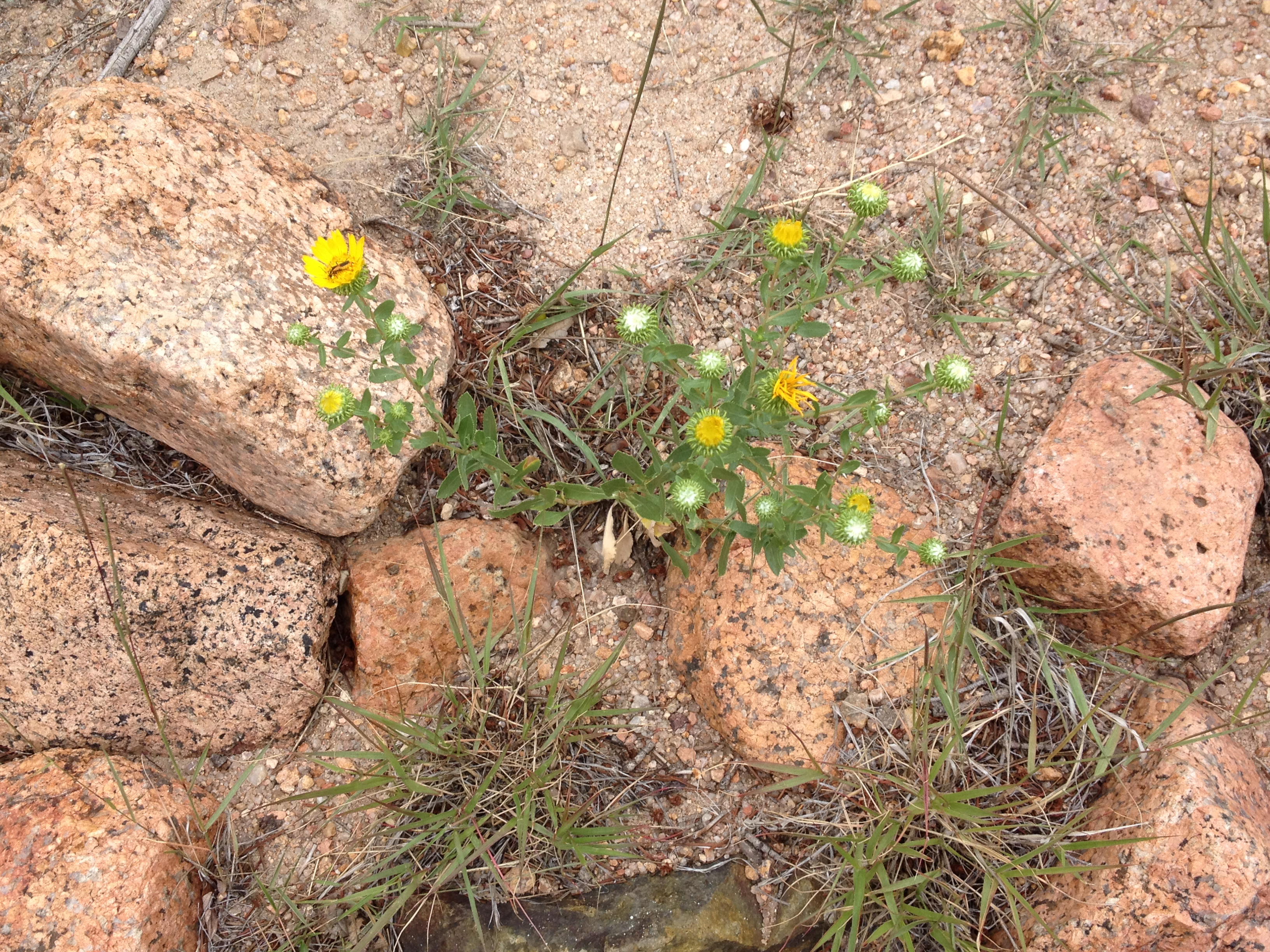
Some wild flowers at 11,000 feet.
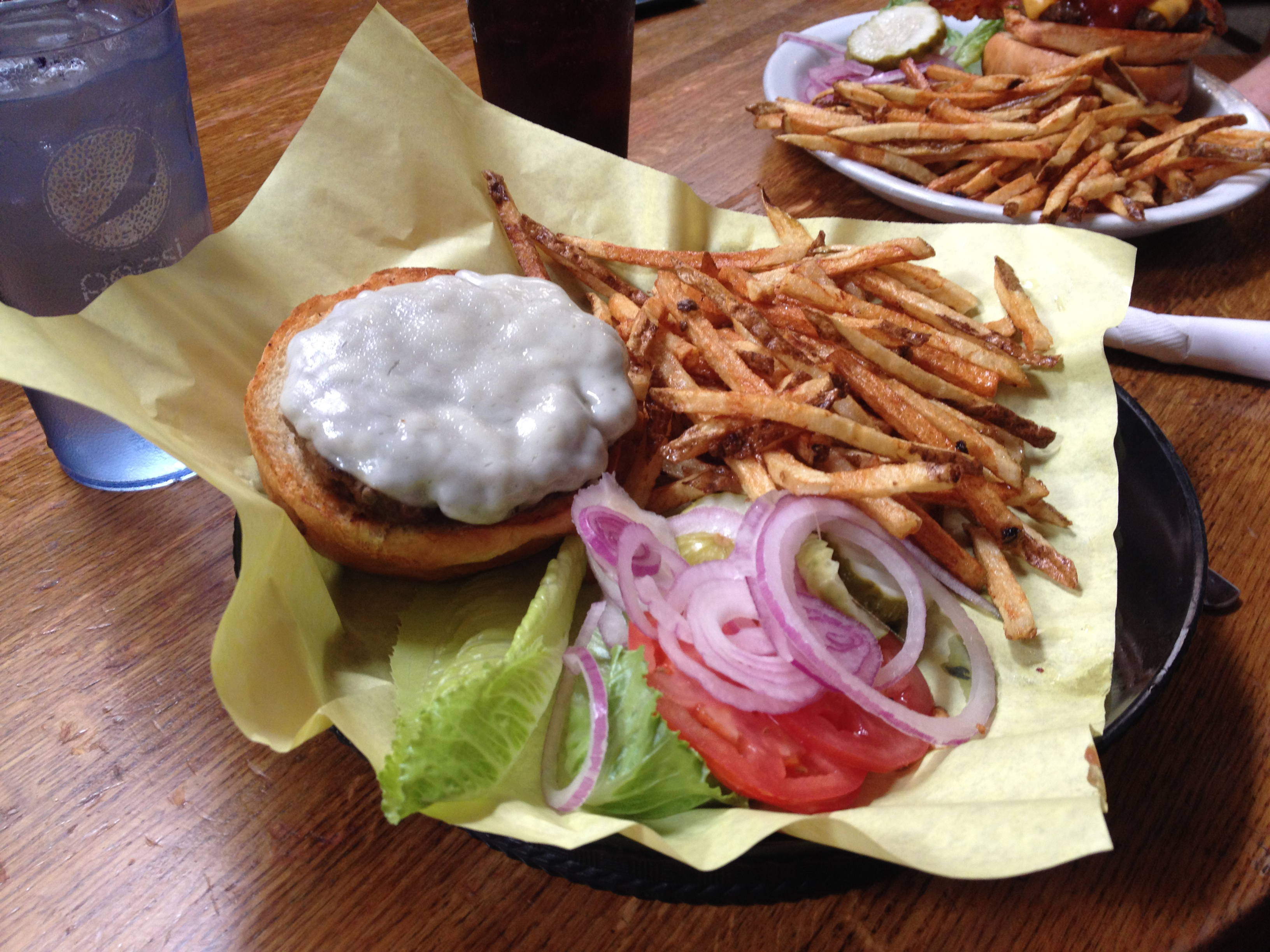
Bison burger at The Buffalo in Idaho Springs
Idaho Springs
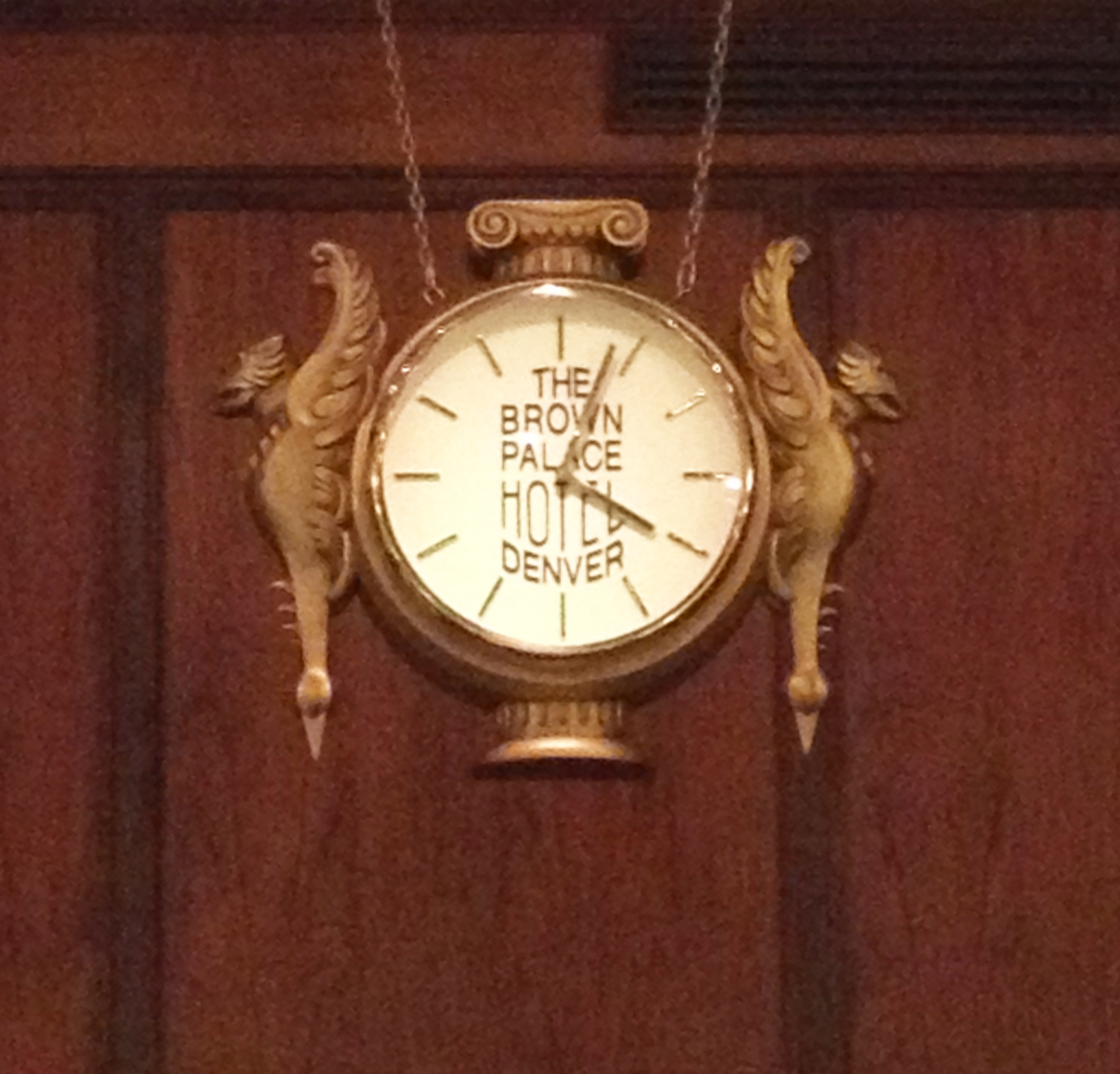
The Brown Palace Hotel in Denver. I love this place.
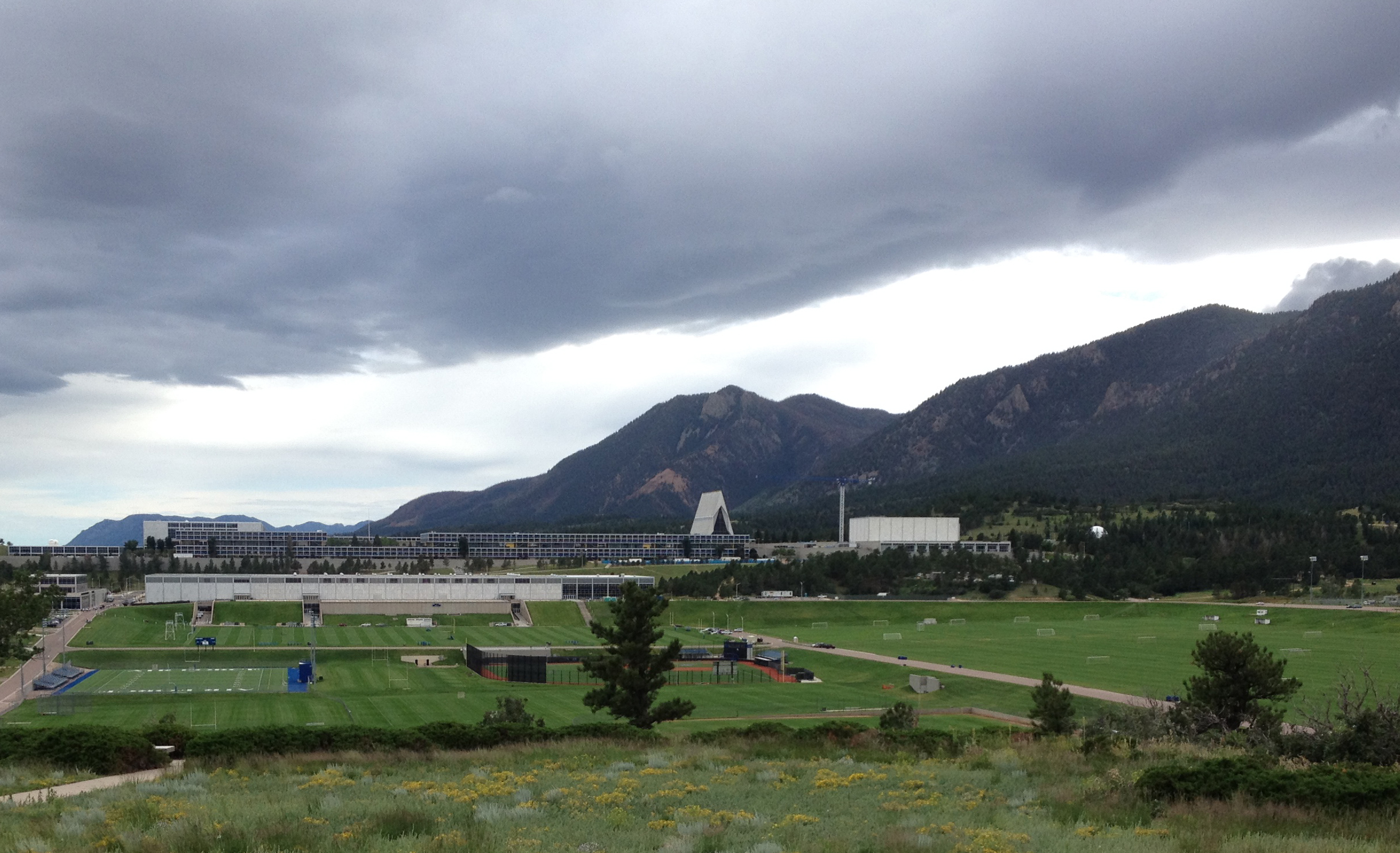
Scenes at the Air Force Academy near Colorado Springs.
Short post because we are still traveling. This shot is of His Grace Cmdr. Sam Vimes, who hopped into his traveling case when I was packing. I guess he wanted to come along too.
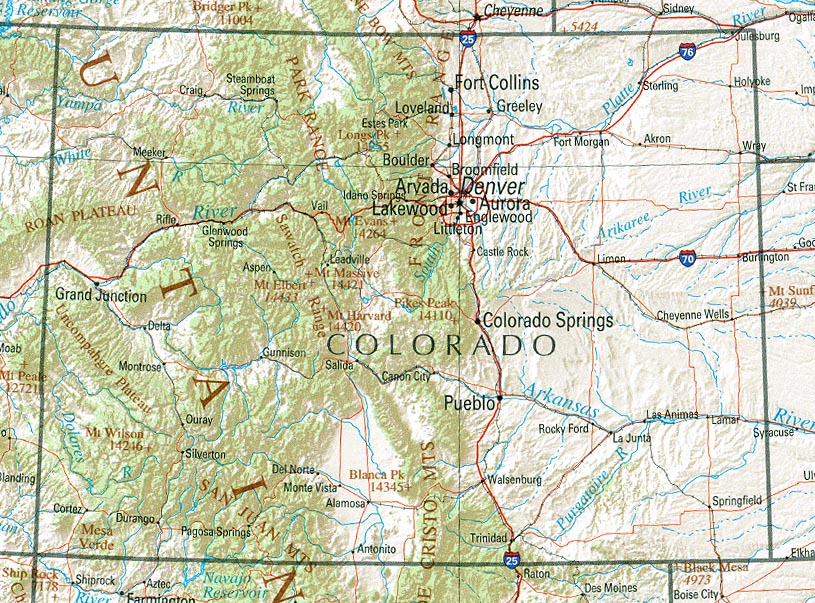
I am here in Colorado for a meeting. The geography of Colorado represents a division between the southern Rocky Mountains and the western edge of the Great Plains. Lots of variety here. I am looking at the mountains outside my window. Colorado was admitted to the Union on August 1, 1876, earning it the nickname, the Centennial State.

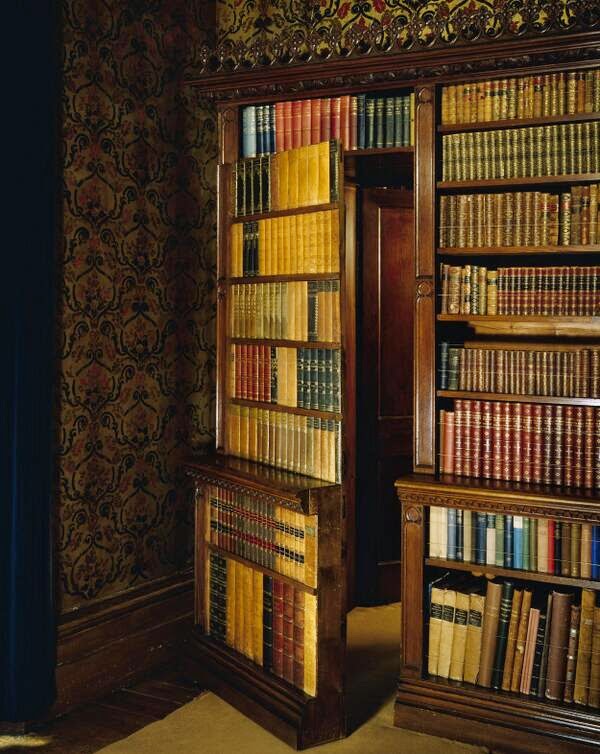 A door hidden within a wall of bookcases at Oxburgh Hall, Norfolk, owned by the National Trust. It is decorated with real book spines, with tongue in cheek titles that reference events and people from the history of Oxburgh.
























 Gunsmoke and Knitting