Posts Tagged ‘history’
 August 19, 2014
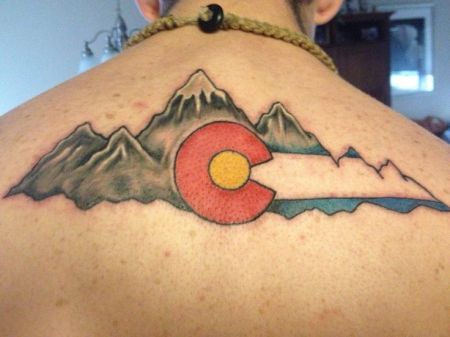
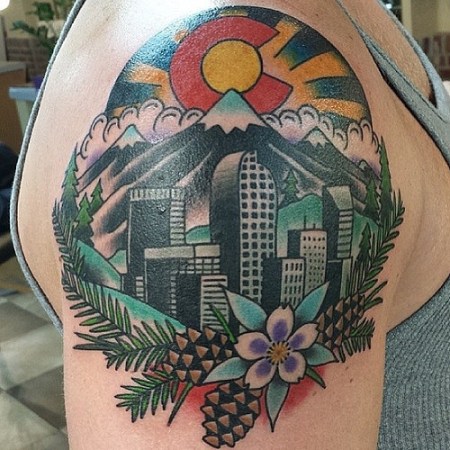
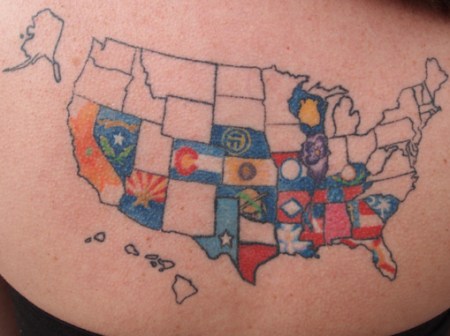
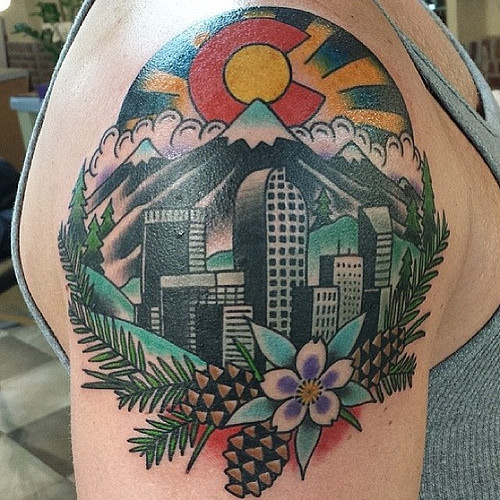
I am here in Colorado for a meeting. The geography of Colorado represents a division between the southern Rocky Mountains and the western edge of the Great Plains. Lots of variety here. I am looking at the mountains outside my window. Colorado was admitted to the Union on August 1, 1876, earning it the nickname, the Centennial State.
Posted in Uncategorized | Tagged Colorado, history, style, tattoo Tuesday, tattoos, travel | 2 Comments »
August 12, 2014

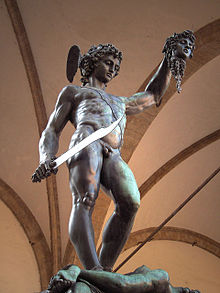
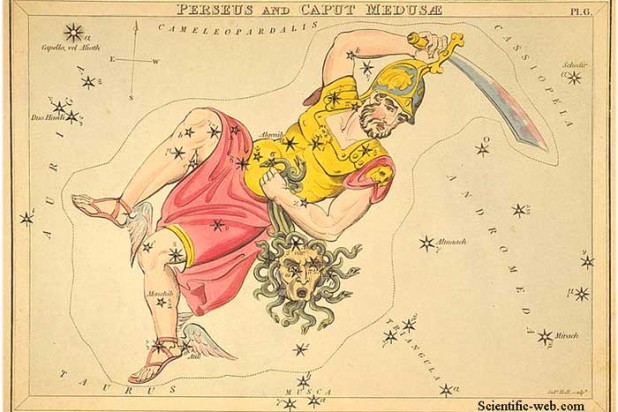
Perseus was the first Greek superhero. He defeated the Gorgon, Medusa, by means of a mirror and sleight of hand, saved Andromeda from Cetus the sea monster, and founded Mycenae, one of the centers of Greek civilization.
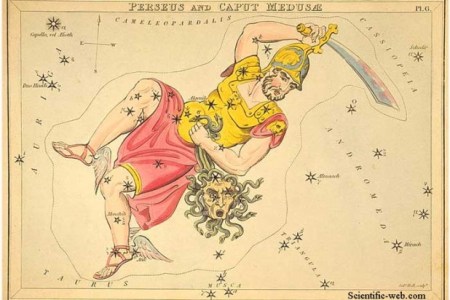
Perseus’s fame is secured by his placement as a constellation in the summer sky (northern hemisphere). Dust particles from the comet Swift-Tuttle remind us of Perseus every summer (since 36 A.D. by Chinese records) with the Perseid meteor shower, which is due to peak today.
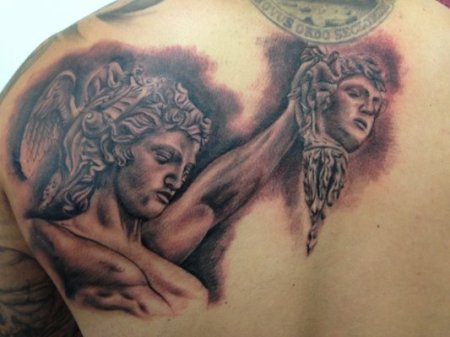 And he is memorialized in tattoos.
Be sure to check Google’s banner for today.
Posted in Uncategorized | Tagged art, astronomy, history, Medusa, Mycenae, perseid meteor shower, Perseus, tattoo Tuesday, tattoos | 2 Comments »
August 5, 2014
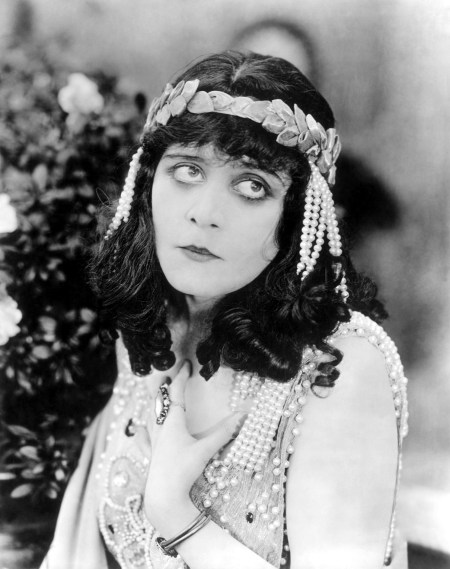
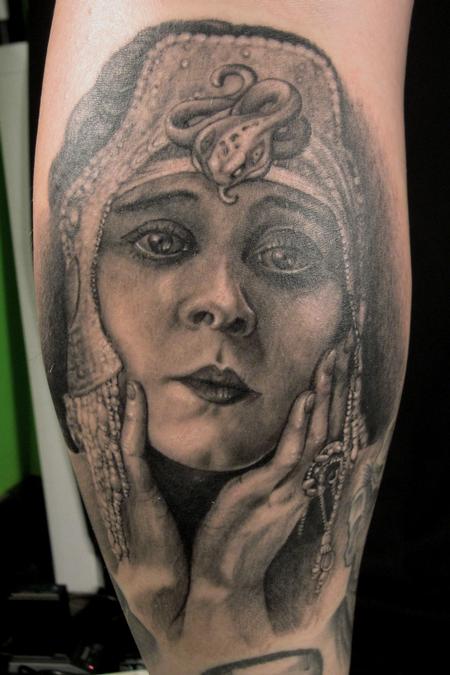
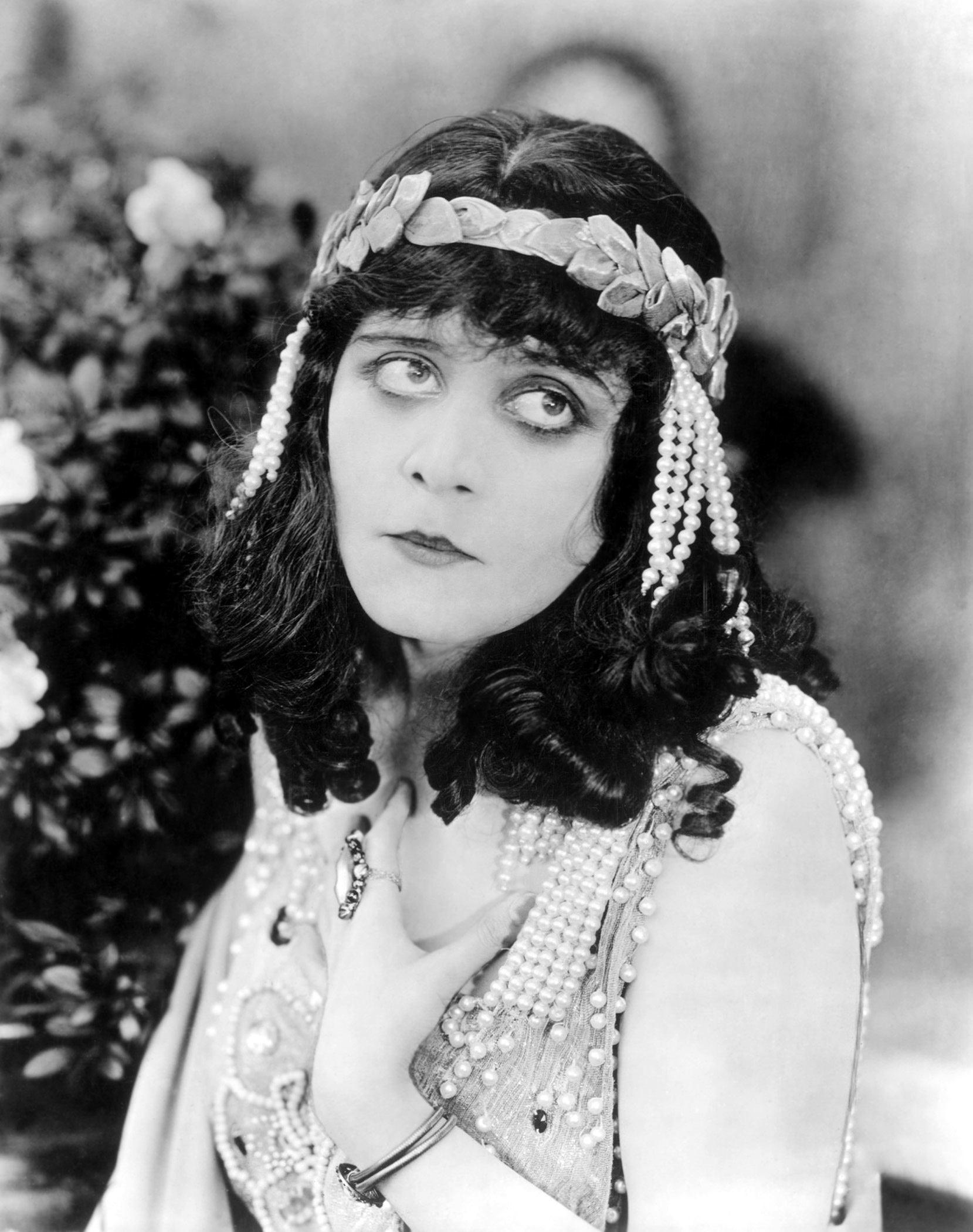
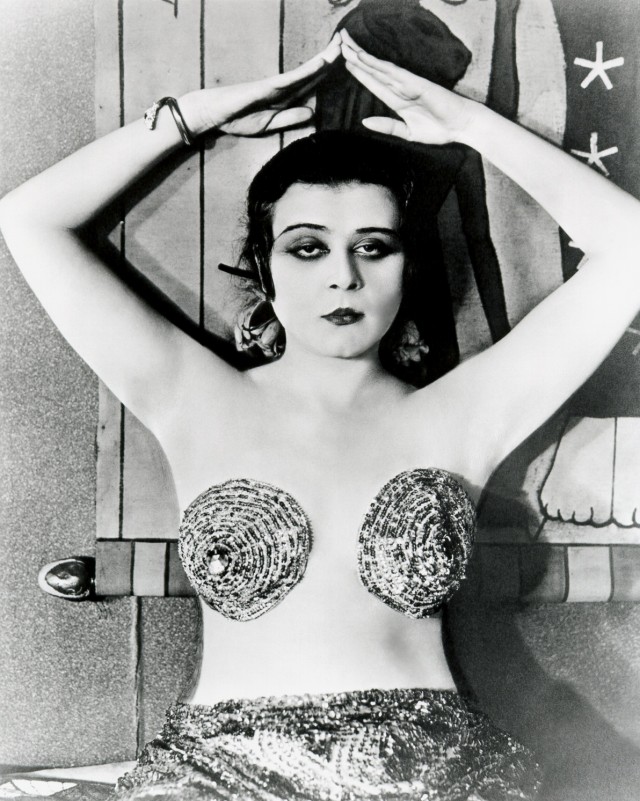
Theda Bara was an American silent film and stage actress. Bara was one of the most popular actresses of the silent era, and one of cinema’s earliest sex symbols. Her femme fatale roles earned her the nickname The Vamp. – Wikipedia
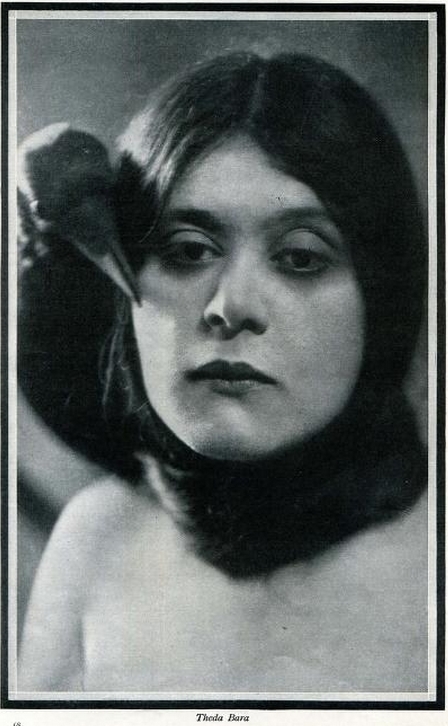
Theda Bara’s persona was an early Hollywood creation. Fox studios made up a history of her parents and upbringing. The photos of her remind me of a Gibson Girl gone Goth and, in spite of the erotic and just plain weird costumes, there is a certain innocence about her. She probably spent a fortune on eye makeup, though. She was born Theodosia Burr Goodman on July 29, 1885 in Cincinnati, Ohio, of all places.
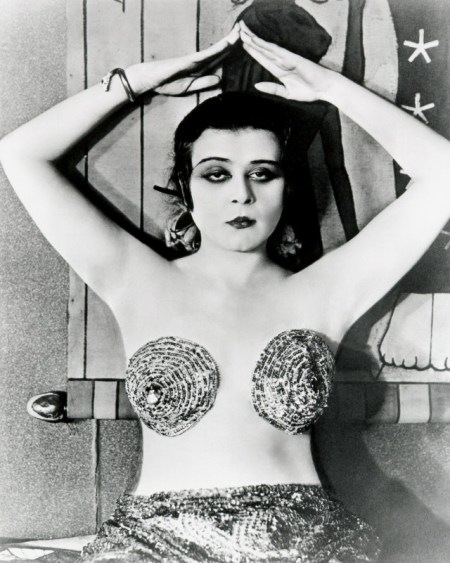
Since it is tattoo Tuesday, here is one honoring Theda Bara.
Posted in Uncategorized | Tagged art, birthday, entertainment, history, silent films, style, tattoo Tuesday, tattoos, Theda Bara | Leave a Comment »
July 29, 2014
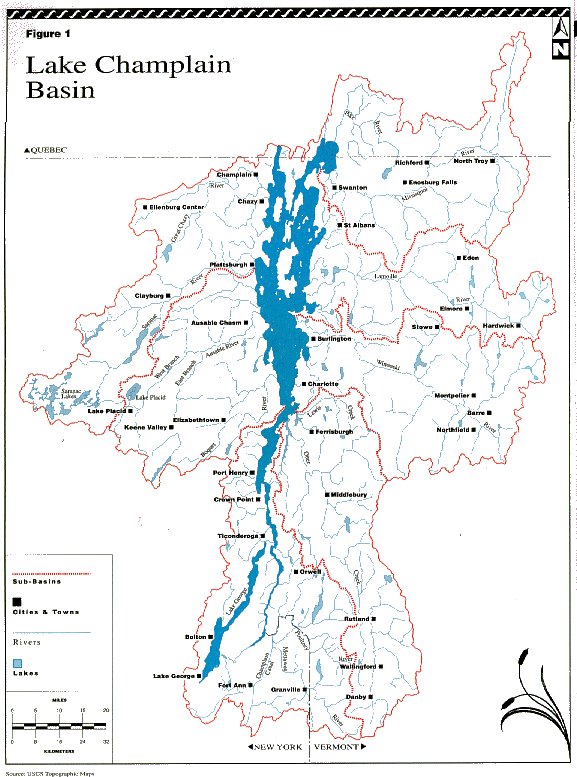
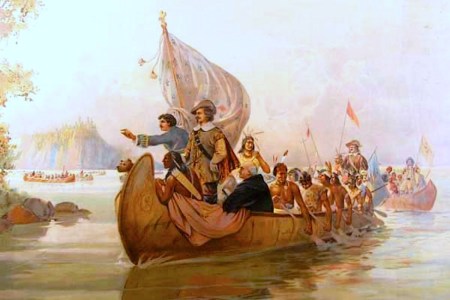 Lake Champlain was discovered by Samuel de Champlain on July 29, 1609, during one of his expeditions to North America.
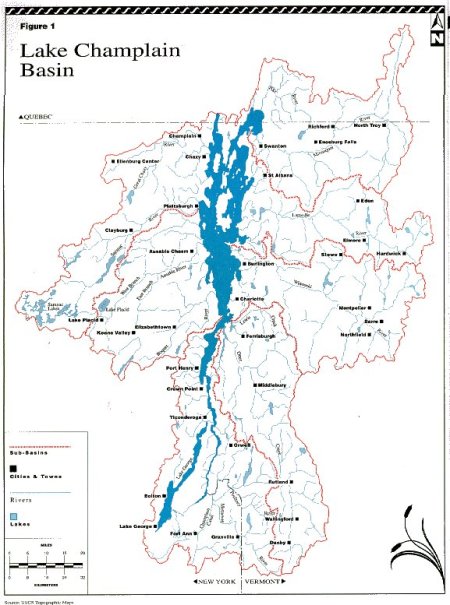
The lake was named after the French explorer Samuel de Champlain, who encountered it in 1609. While the ports of Burlington, Vermont; Port Henry, New York; and Plattsburgh, New York are little used nowadays except by small craft, ferries and lake cruise ships, they had substantial commercial and military importance in the 18th and 19th centuries.
For some fascinating information about Samuel de Champlain, click this link.
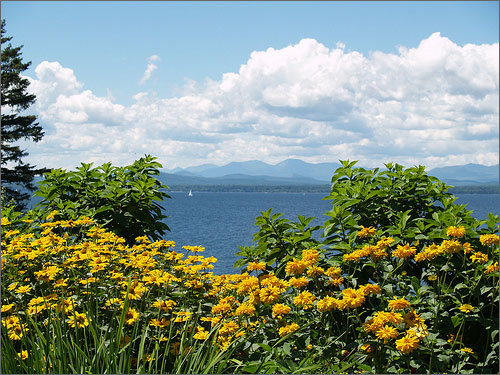
The Champlain Valley is the northernmost unit of a landform system known as the Great Appalachian Valley, which system stretches from Quebec to Alabama. The Champlain Valley itself is a physiographic section of the larger Saint Lawrence Valley, which in turn is part of the larger Appalachian physiographic division.

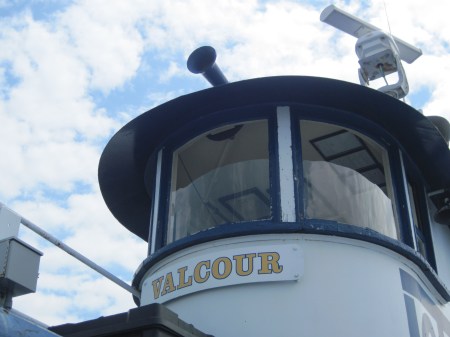
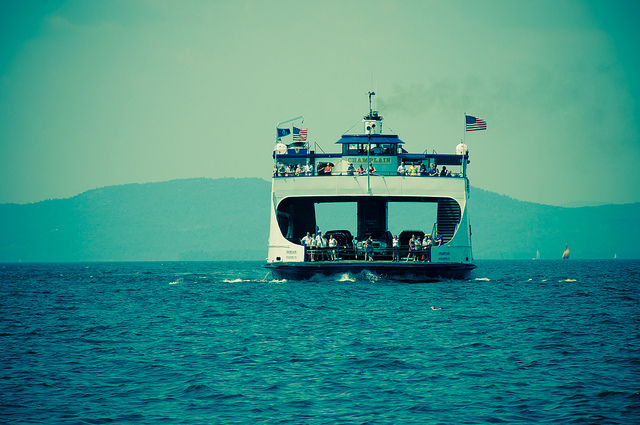
Lake Champlain Ferry – Burlington, VT to Port Kent, NY

Posted in Uncategorized | Tagged Burlington, history, Lake Champlain, Lake Champlain Ferry, new york, Port Kent, Samuel de Champlain, travel, vacation, Vermont | 2 Comments »
July 22, 2014
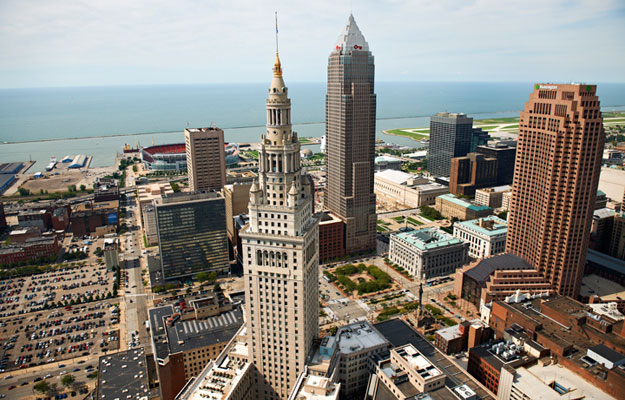
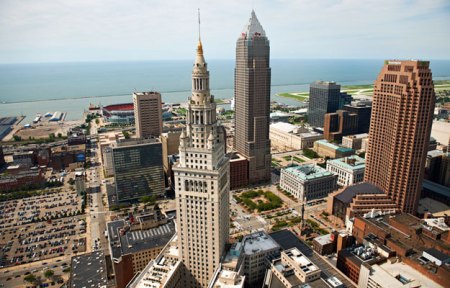 Cleveland and its three tall(ish) buildings
Cleveland obtained its name on July 22, 1796 when surveyors of the Connecticut Land Company laid out Connecticut’s Western Reserve into townships and a capital city they named “Cleaveland” after their leader, General Moses Cleaveland. Cleaveland oversaw the plan for what would become the modern downtown area, centered on Public Square, before returning home, never again to visit Ohio. The first settler in Cleaveland was Lorenzo Carter, who built a cabin on the banks of the Cuyahoga River. The Village of Cleaveland was incorporated on December 23, 1814. In spite of the nearby swampy lowlands and harsh winters, its waterfront location proved to be an advantage. The area began rapid growth after the 1832 completion of the Ohio and Erie Canal. This key link between the Ohio River and the Great Lakes connected the city to the Atlantic Ocean via the Erie Canal and later via the St. Lawrence Seaway and the Gulf of Mexico via the Mississippi River. Growth continued with added railroad links.Cleveland incorporated as a city in 1836. More here.
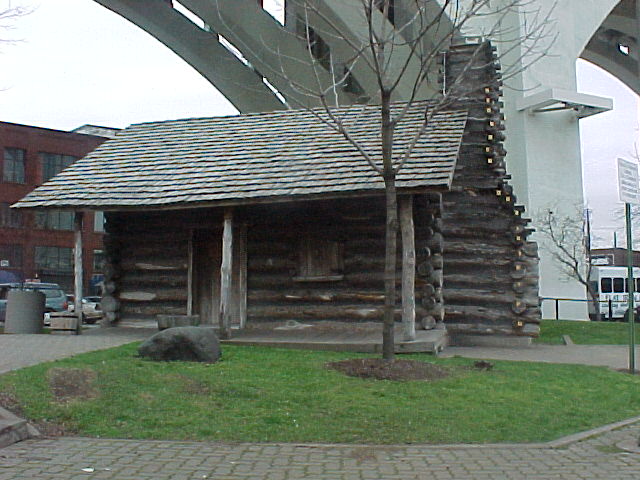
 Reproduction of Lorenzo Carter’s cabin nestled under the Detroit-Superior (Veteran’s Memorial) Bridge
The Connecticut Western Reserve was an area in the Northwest Territory held, sold and distributed by the State of Connecticut in the years after the American Revolution.
Connecticut was one of several states that had land claims in the Ohio Country going back to the colonial period. Connecticut gave up most of its claims to the federal government so that the Northwest Territory could be created. However, it reserved the northeast corner of the territory for itself. This area came to be known as the Connecticut Western Reserve. More here.
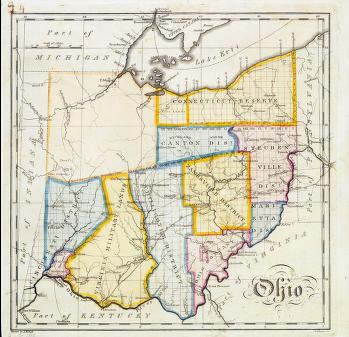 Putting Ohio together.

Posted in Uncategorized | Tagged birthday, Cleveland, Connecticut Western Reserve, history, Lorenzo Carter, Moses Cleaveland, travel, Western Reserve | 4 Comments »
July 18, 2014
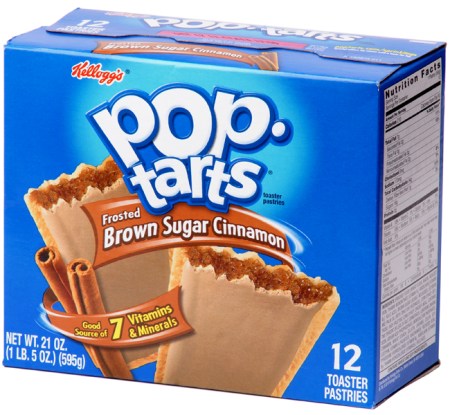
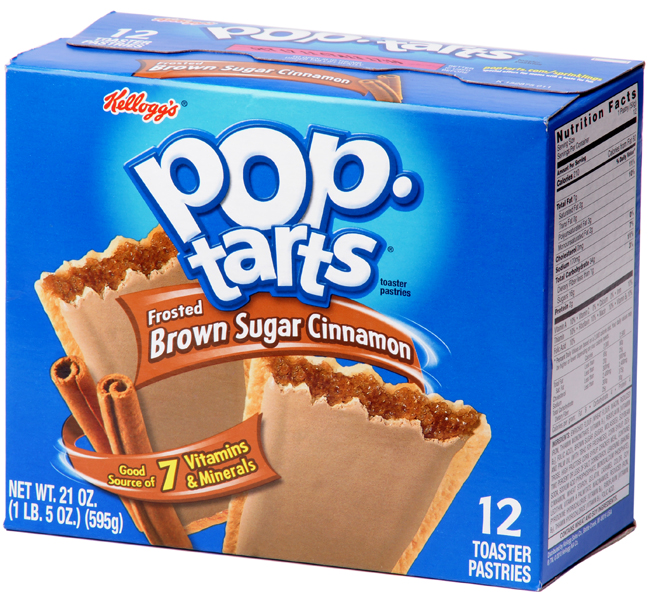
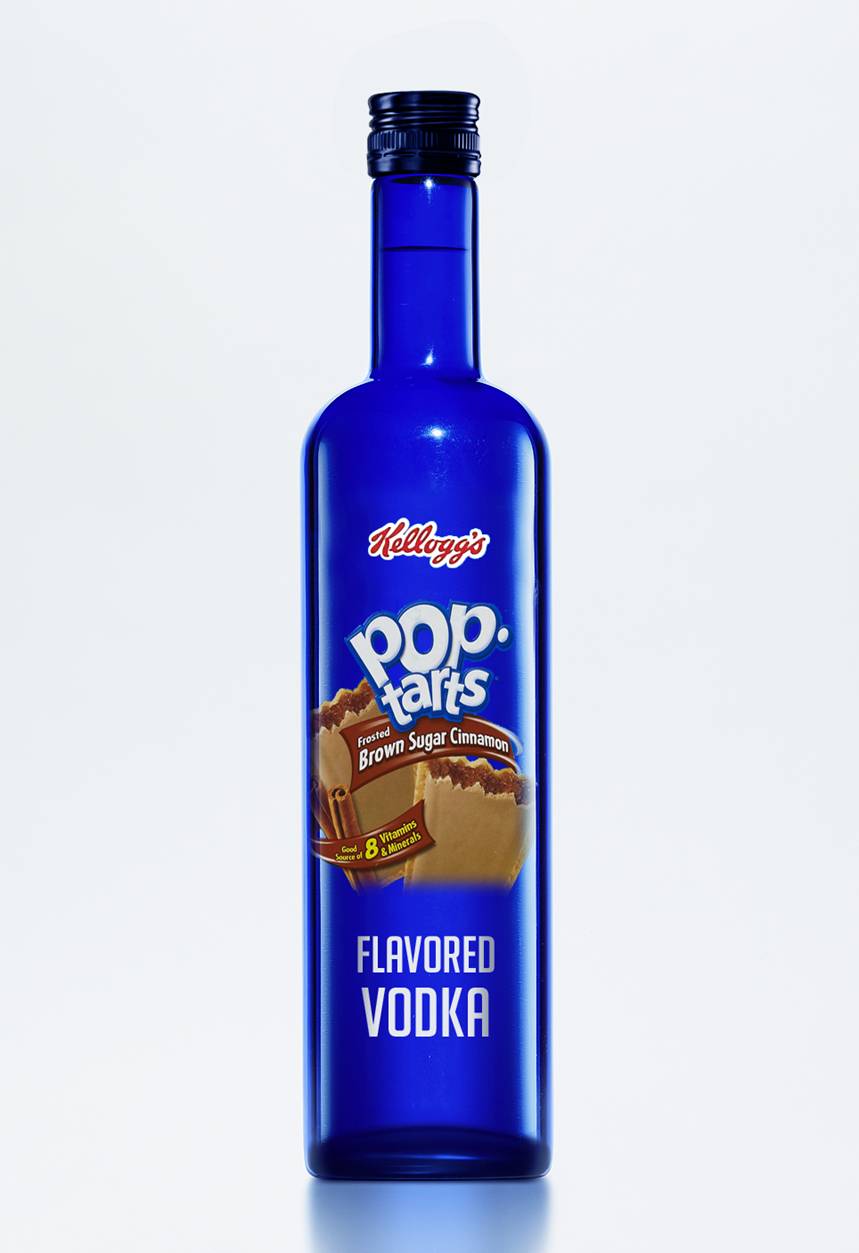
Today is the 50th birthday of Pop-Tarts.
A little history from Wikipedia:
Originally not frosted when first introduced in 1964, it was later determined that frosting could withstand the toaster, and the first frosted Pop-Tarts were officially released in 1967. The first Pop-Tarts came out in four different flavors: strawberry, blueberry, brown sugar cinnamon, and apple currant. Today, there is a wide variety of Pop-Tart flavors, including chocolate chip, s’mores, raspberry, and French toast.
In 1992, Thomas Nangle sued Kellogg for damages after his Pop-Tart got stuck and caught fire in his toaster. The case gained wider notoriety when humor columnist Dave Barry wrote a column about starting a fire in his own toaster with Pop-Tarts. In 1994, Texas A&M University Corpus Christi professor Patrick Michaud performed an experiment showing that, when left in the toaster too long, strawberry Pop-Tarts could produce flames over a foot high. The discovery triggered a flurry of lawsuits. Since then, Pop-Tarts carry the warning: “Due to possible risk of fire, never leave your toasting appliance or microwave unattended.”
Another note of CAUTION – please tell your kids not to nibble their Pop-Tarts into the shape of a gun if they are eating them in school. Zero Tolerance. Some other shapes to be avoided are:

It is enough to make you turn to . . .

See also this
and this
Posted in Uncategorized | Tagged baking, birthday, cooking, food, food art, history, Pop-Tarts, whimsey | 4 Comments »
July 9, 2014
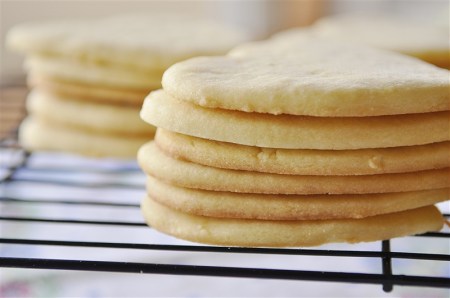
Today is Sugar Cookie Day
To celebrate, this is one of my favorite recipes and is from the Betty Crocker Picture Cookbook that belonged to my mom.
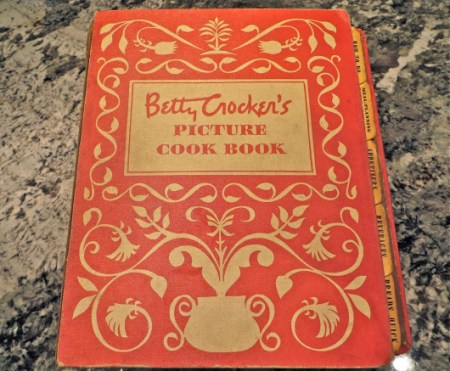
Ingredients
- 1 1/2 cups powdered sugar
- 1 cup butter softened
- 1 teaspoon vanilla
- 1/2 teaspoon almond extract
- 1 egg
- 2 1/2 cups Gold Medal™ all-purpose flour
- 1 teaspoon baking soda
- 1 teaspoon cream of tartar
- Cream the butter and sugar together. Add the egg and flavorings.
- Whisk together the flour, soda and cream of tartar.
- Add gradually to the butter and sugar mixture, combining well.
I admit that I am too lazy to roll and cut out shapes, so I form the dough into a log on a piece of waxed paper. I sprinkle sparkling sugar on the waxed paper and roll up the dough so that it is covered with the sparkling sugar all around the outside. Chill the dough for a couple of hours. Slice (3/8″ thick) and bake on a silpat covered baking sheet (or lightly greased, or on a sheet of parchment paper) for 7 to 8 minutes at 375 degrees.
If you don’t have silpat sheets, sparkling sugar, or baking parchment, take a look at King Arthur Flour’s website. They have everything. My baking sheets are made by Chicago Metallic, large, commercial grade, uncoated. I bought them at Amazon.
A little history from What’s Cooking in America: The earliest cookie-style cakes are thought to date back to 7th century Persia A.D. (now Iran), one of the first countries to cultivate sugar (luxurious cakes and pastries in large and small versions were well known in the Persian empire). According to historians, sugar originated either in the lowlands of Bengal or elsewhere in Southeast Asia. Sugar spread to Persia and then to the Eastern Mediterranean. With the Muslim invasion of Spain, then the Crusades and the developing spice trade, the cooking techniques and ingredients of Arabia spread into Northern Europe.
Posted in Uncategorized | Tagged baking, cooking, food, history, National Sugar Cookie Day, recipes, sugar, sugar cookie | 4 Comments »
July 7, 2014
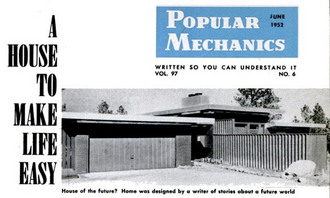
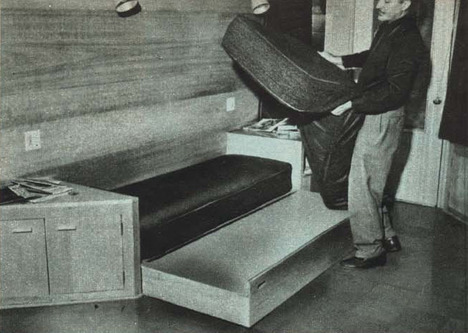
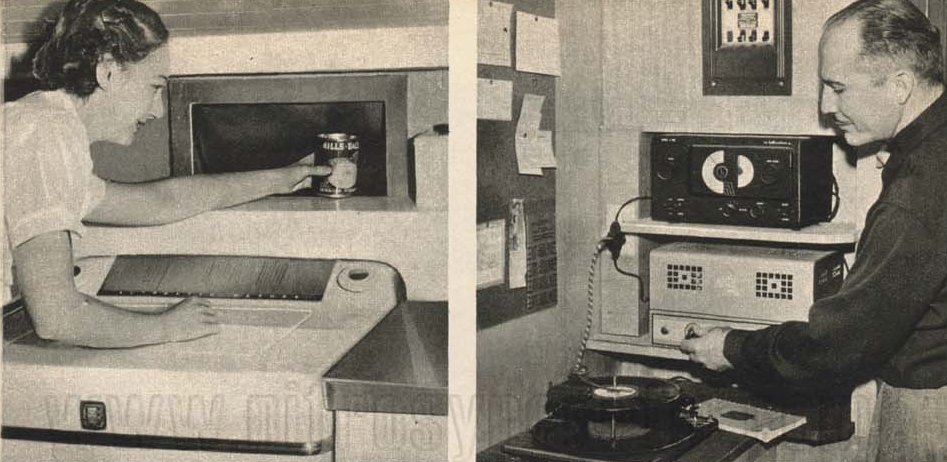
The June 1952 issue of Popular Mechanics asks the question, “In what kind of house will the captain of a space ship live during his stopovers on earth?” Robert Heinlein, whose Starship Troopers and Stranger in a Strange Land were still in the future, gives a tour of “a house that’s called extreme today but may become conventional before the 20th century has run its course.”
Heinlein described his house as being efficient and easy to clean. Here are a few photos that show some labor saving features:

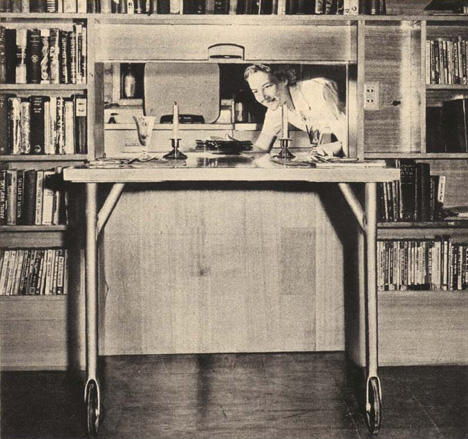
The commuting table can be set in the kitchen and then rolled into the dining room for meals.

The house had two bedrooms, but all of the sofas pulled out and with pads, could be made into beds.
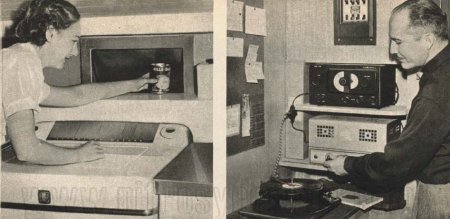
A hatchway in the kitchen gives access to the trash containers – without ever leaving the room. Actually I have friends who built a similar feature into their kitchen remodel. I’m not sure what is going on in the right hand photo.
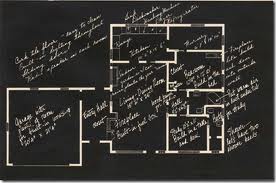 This is a floor plan for the house.
Robert Heinlein, one of the American Masters of Science Fiction, was born today in 1907. Happy Birthday.
The full story of the house that appeared in Popular Mechanics can be found by clicking this link.
Other posts on unusual houses:
Quonset Huts
Dymaxion House
Posted in Uncategorized | Tagged architecture, design, history, house of the future, housing, Robert Heinlein, science fiction | 4 Comments »
June 17, 2014
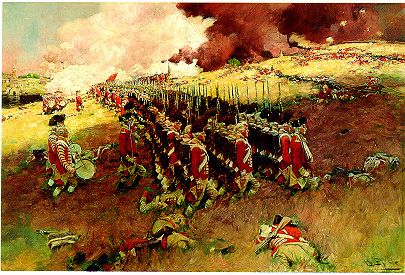
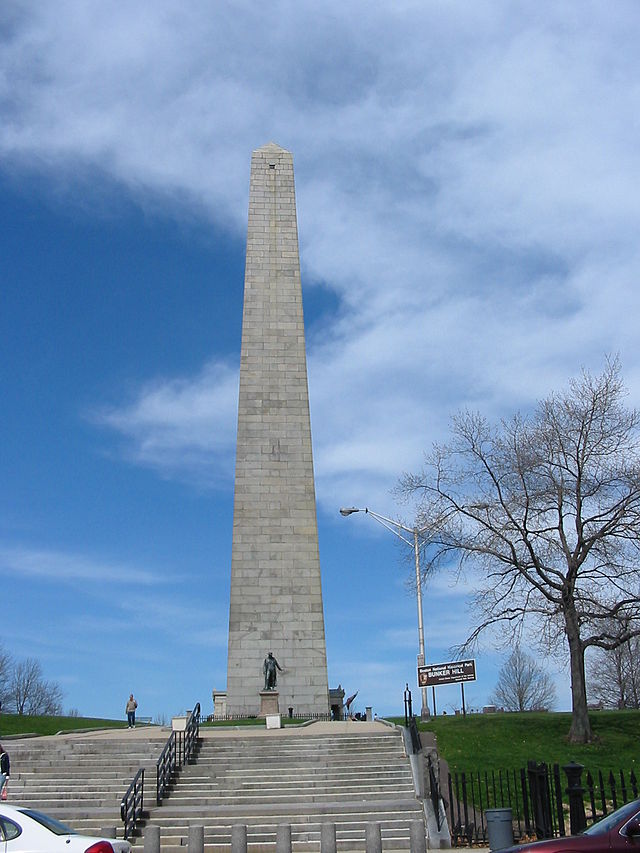
June 17, 1775 marks the battle of Bunker Hill depicted in this painting by Howard Pyle.
The battle which took place early in the American Revolution, is named for Bunker Hill which was the original objective of the battle, although most of the fighting took place on and around Breed’s Hill.

In the aftermath, it was revealed that,
The British had taken the ground but at a great loss; they had suffered 1,054 casualties (226 dead and 828 wounded), with a disproportionate number of these officers. The casualty count was the highest suffered by the British in any single encounter during the entire war. General Clinton, echoing Pyrrhus of Epirus, remarked in his diary that “A few more such victories would have shortly put an end to British dominion in America.” – ref. Wikipedia
A Pyrrhic victory, indeed. In this battle the colonial combatants proved their ability to stand up to regular British forces.
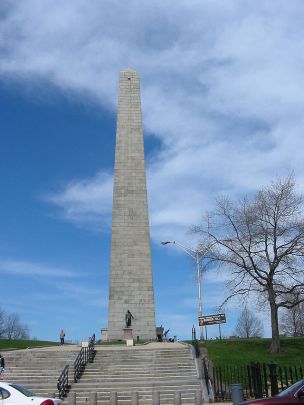
The Bunker Hill monument is above, and below some tattoos that follow today’s theme:

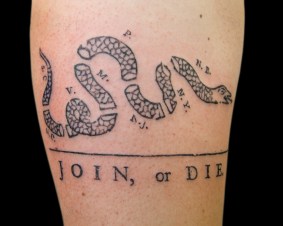

Posted in Uncategorized | Tagged American Revolution, art, Bunker Hill, history, Howard Pyle, style, tattoo Tuesday, tattoos | 2 Comments »
June 11, 2014
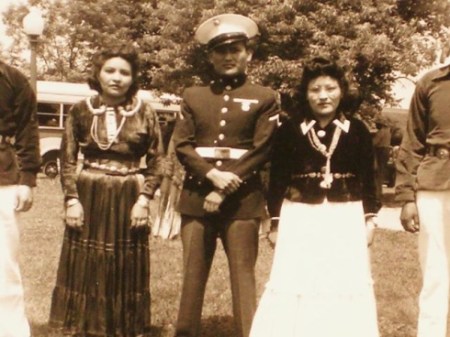
Last Of The Original World War II ‘Code Talkers’ Passes On
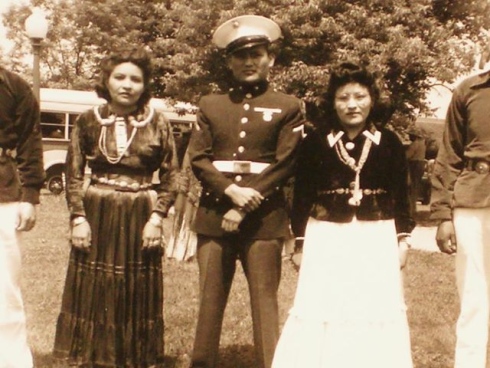
Chester Nez (Navajo), 93, helped create a code the Japanese couldn’t break.
Chester Nez, the last of the original group of U.S. Marine Code Talkers, died Wednesday of kidney failure, according to various sources.
Nez, 93, was the author of Code Talker: The First and Only Memoir By One of the Original Navajo Code Talkers of WWII and the inspiration for the 2002 film Windtalkers, starring Adam Beach and Nicholas Cage.
Nez was recruited in the spring of 1942 by the U.S. Marines, who came to Arizona recruiting Navajo speakers for a top-secret mission: develop a code that the Japanese could not decipher. The Navajo language, with a difficult syntax and grammar that was difficult to understand compared to many other languages, provided the basis for a nearly unbreakable code which was instrumental during U.S. efforts in the Pacific theatre during World War II.
The language they created was made even more complicated by the ambiguous and sometimes ribald choices made by its Navajo creators, says the Washington Post:
As Nez explained in his memoir, “the Navajo word for ‘jackass’ — spelled tkele-cho-gi in our code phonetics, stood for the English letter J.”
The efforts behind the code’s creation and implementation were not fully recognized until 1968, when the nature of the operation was declassified and Nez and his fellow servicemen began to receive recognition for their service. The original 29 Navajo Code Talkers were awarded the Congressional Gold Medal in 2001, while other Code Talkers were awarded the Silver Medal.
“We mourn his passing but honor and celebrate the indomitable spirit and dedication of those Marines who became known as the Navajo code talkers,” the Marines said in a statement.
Credit: Steven Phelps in Cowboys and Indians
More at navajocodetalkers.org
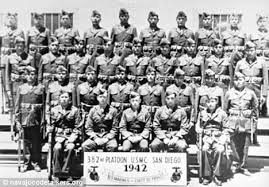
Photo of a platoon of Navajo Code Talkers upon their graduation from Marine Corps recruit training in 1942
Chester Nez died on June 4, 2014 at his home near Albuquerque, NM.
Posted in Uncategorized | Tagged Chester Nez, Code Talkers, history, Navajo, Navajo Code Talkers, New Mexico, the Original Navajo Code Talkers, U.S. Marine Code Talkers, World War II | Leave a Comment »


















 Gunsmoke and Knitting