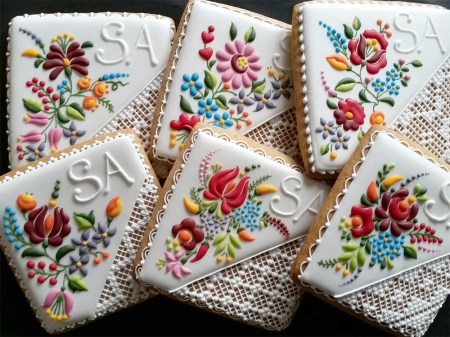
One day when I was in first grade, I think it was for Valentine’s Day, we spent the afternoon decorating graham crackers. I thought they were the most delicious thing I had ever tasted. In my memory, they looked just like this.
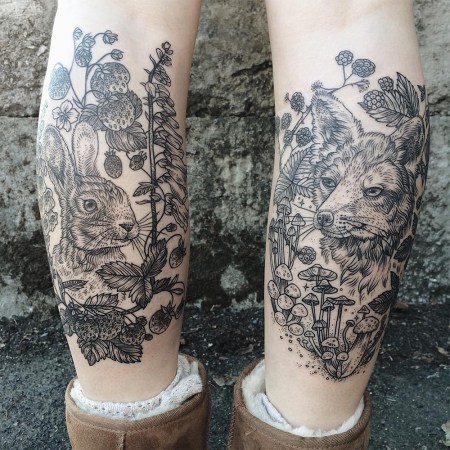
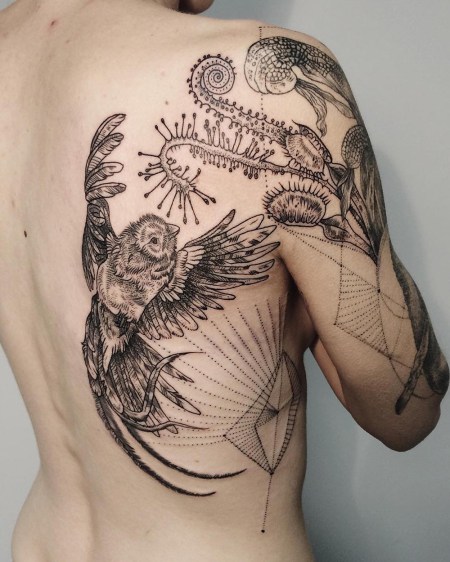
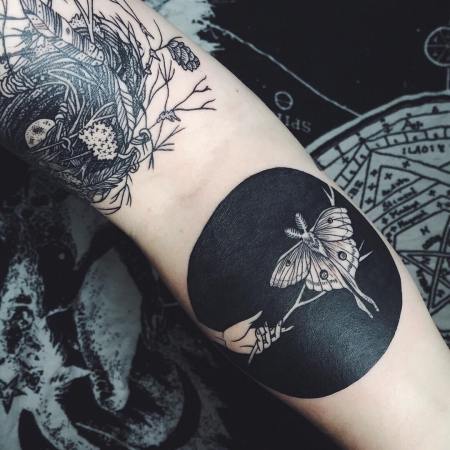
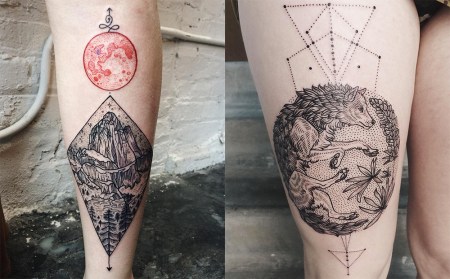
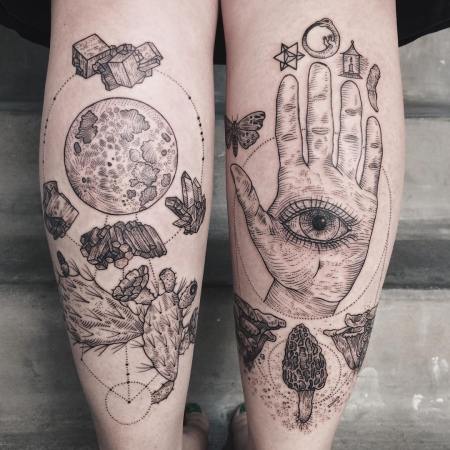
Tattoo artist Pony Reinhardt creates delicate collisions of plants, animals, and elements of space and alchemy in her black line tattoos reminiscent of vintage woodcut etchings. Studies of anatomy mingle with constellations and crystals, while woodland creatures right out of a storybook are wreathed in densely illustrated greenery. Reinhardt graduated from the Maryland Institute College of Art with a BFA degree in fibers and her artwork has been exhibited in the Smithsonian National Gallery of Art as well as earning a number of awards and accolades. She founded an appointment-only tattoo studio in Portland called Tenderfoot Studio, and you can see many more of her pieces on Istagram. (via Illusion)
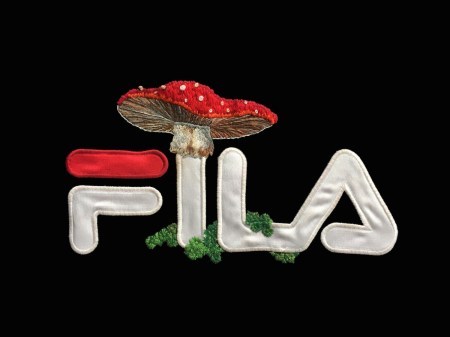
Artist James Merry cannot stop doodling. In this case he doodles beautifully embroidered flowers integrated into company logos on apparel. I admire the skill – all hand-done – not machine embroidery.
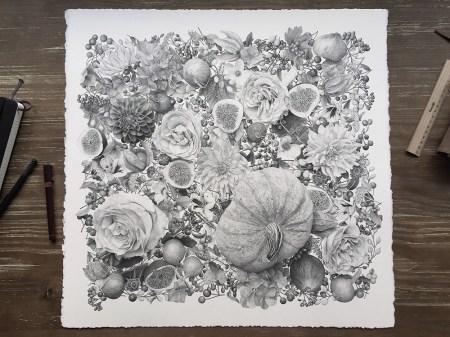
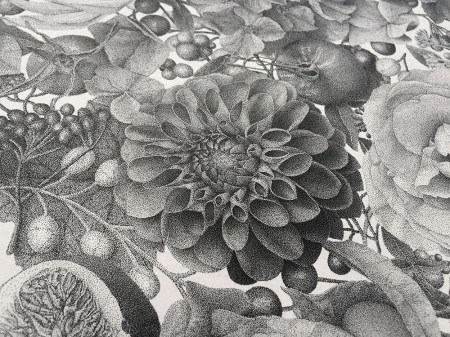
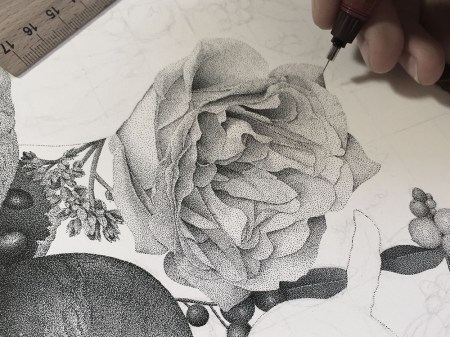
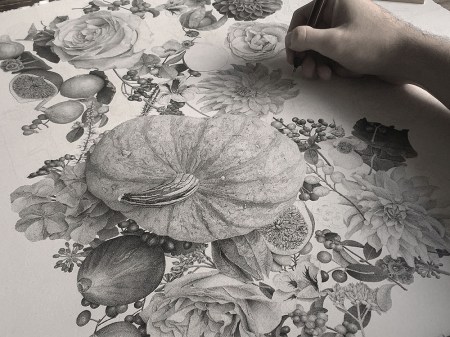
I am a fan of stippling – although my stippled drawing that appeared in my high school literary magazine was criticized for having “too many dots” – mmm. I think Xavier Calsata’s work is amazing.
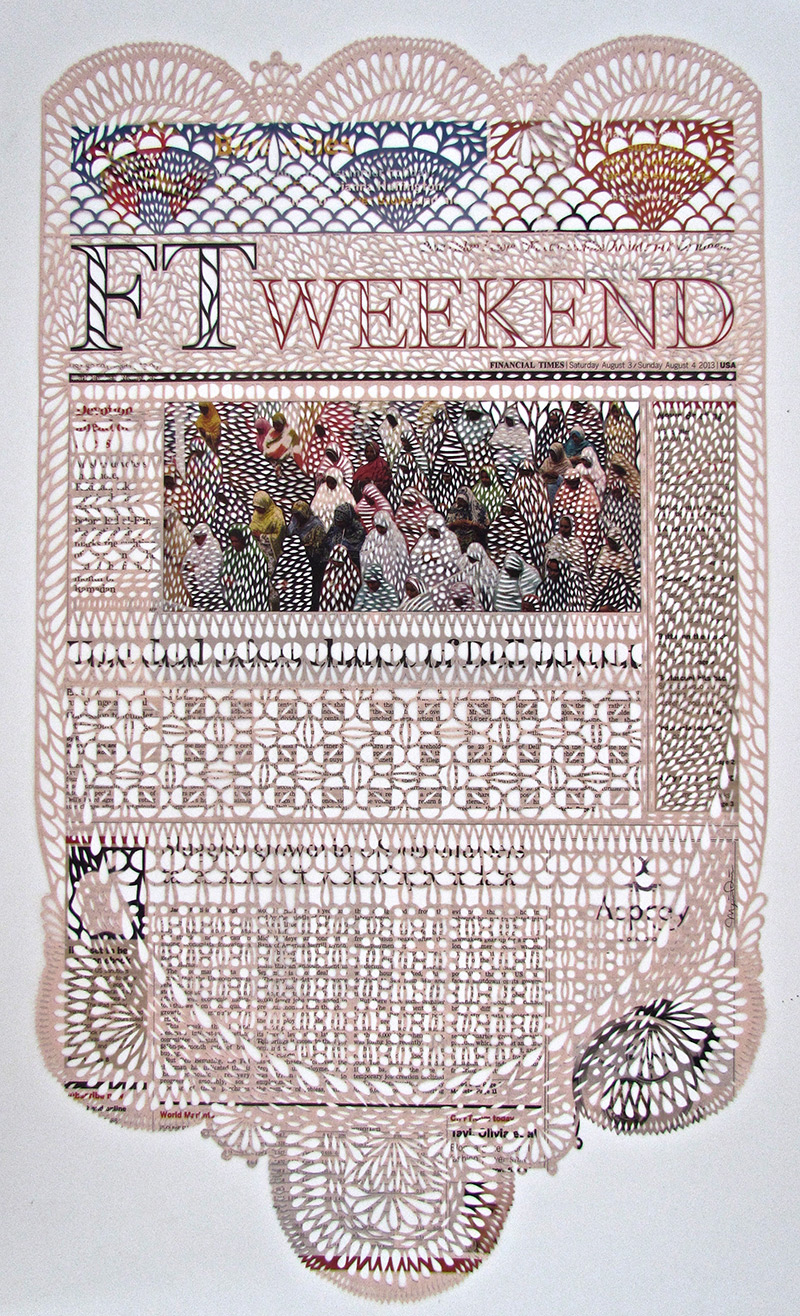
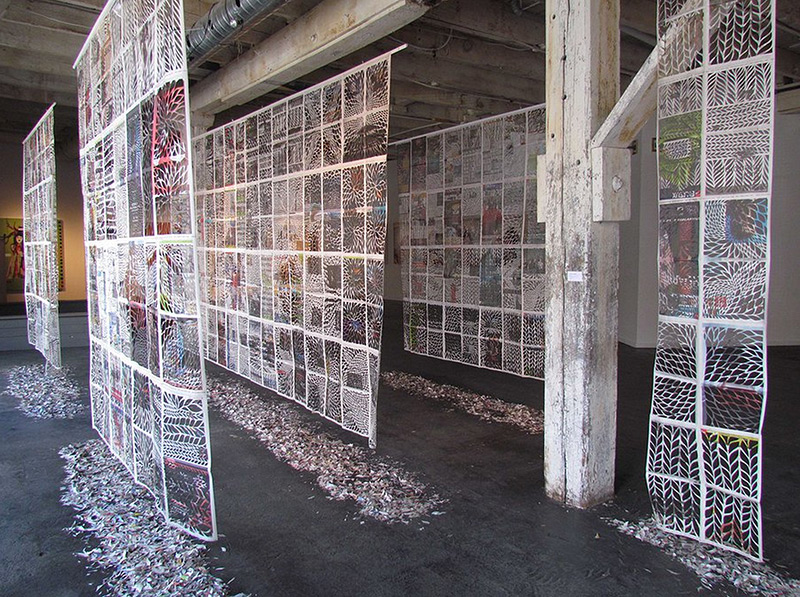
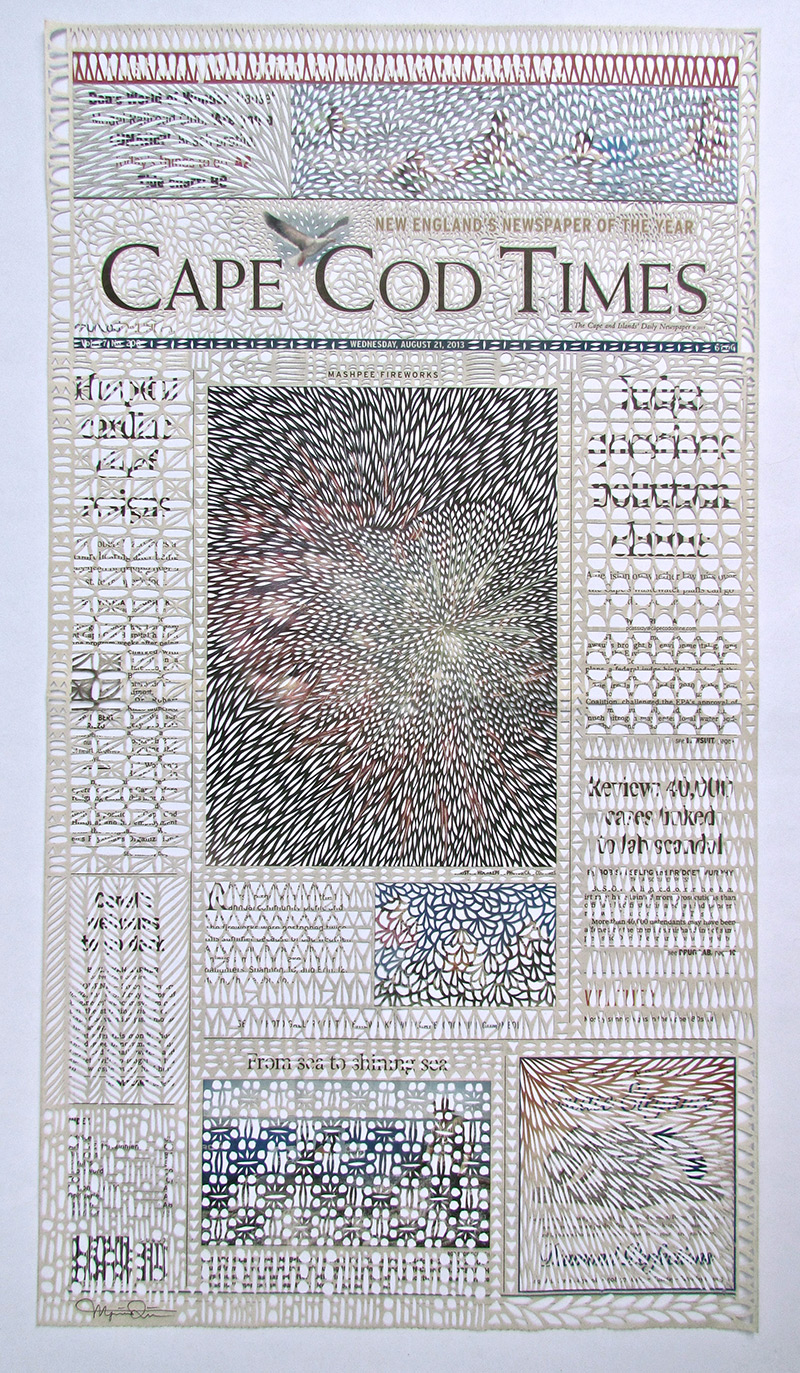
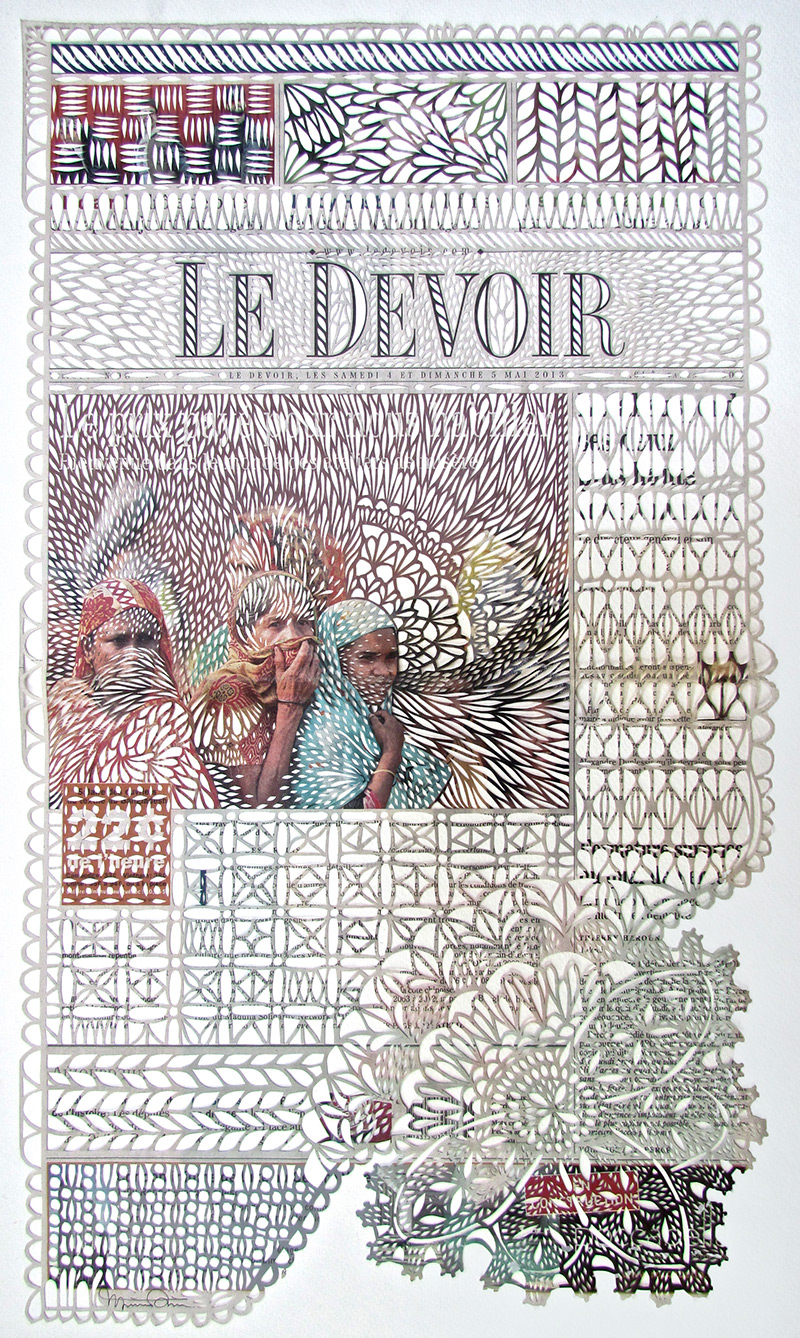
This amazing work is by Myriam Dion, a Canadian artist. Using X-Acto knives and newspapers, she has created works of art that resemble intricate, handmade lace. I would love to see the process.
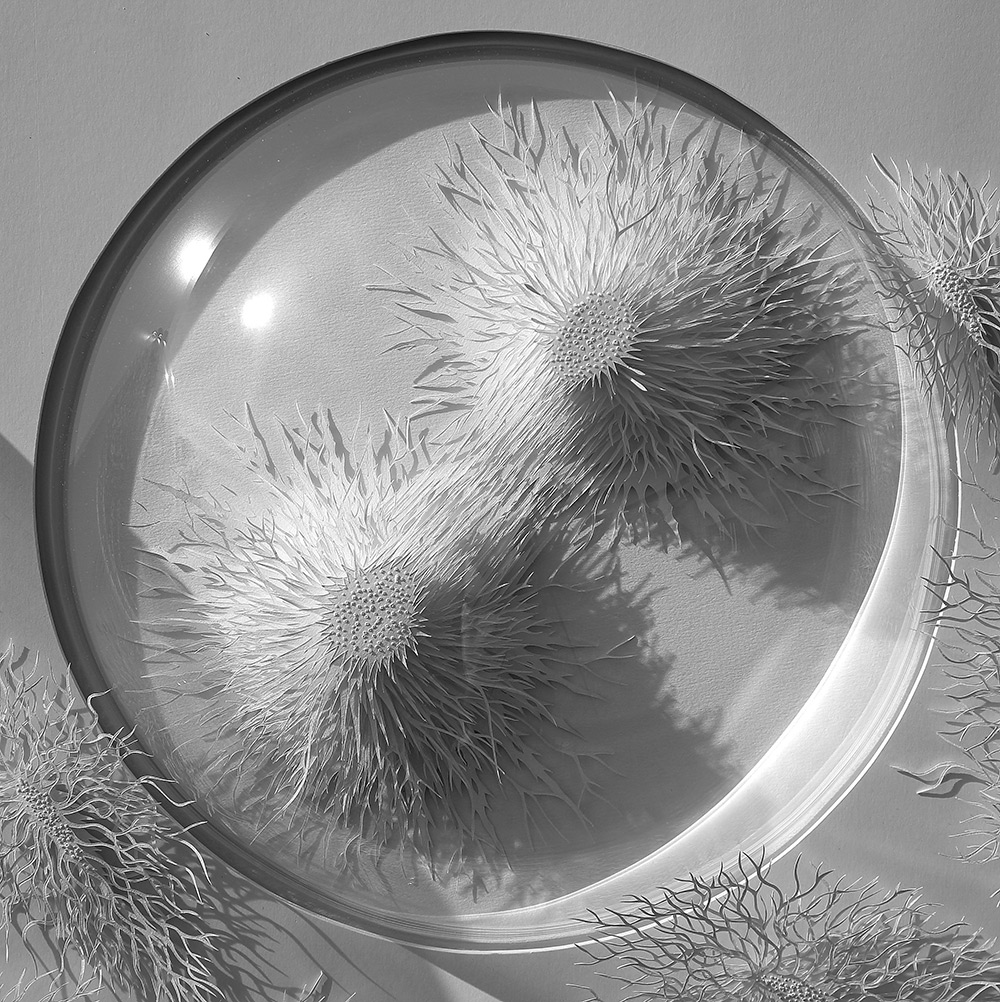
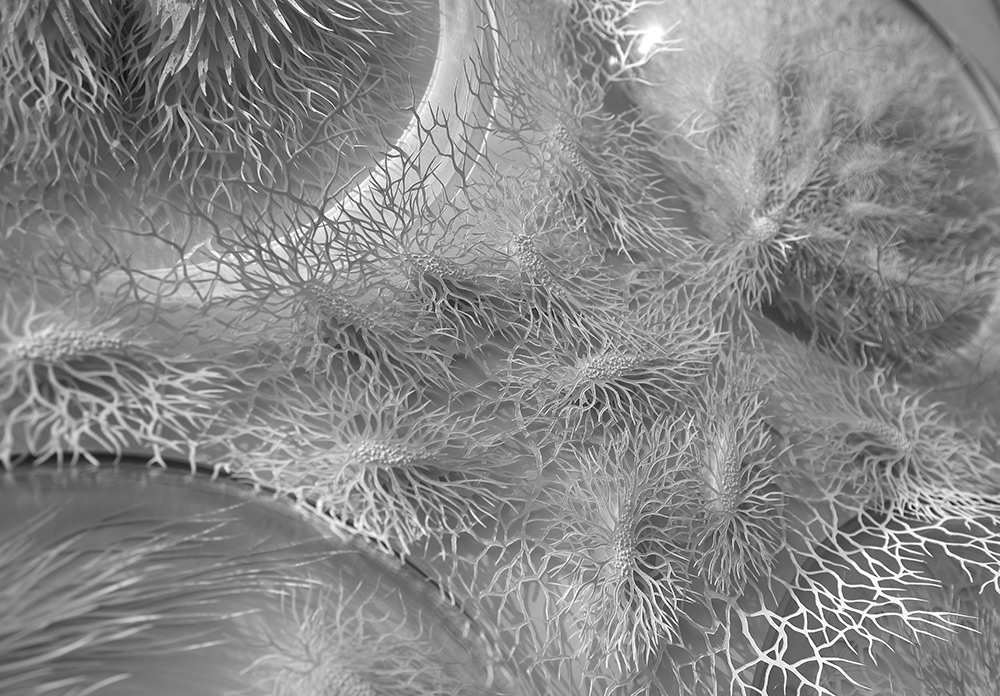
Artist Rogan Brown (previously) just completed work on his latest paper artwork titled Outbreak, a piece he describes as an exploration “of the microbiological sublime.” Over four months in the making, the work depicts an array of interconnected sculptures—entirely hand cut from paper—based on the smallest structures found within the human body: cells, microbes, pathogens, and neurons. Outbreak represents nearly four months of tedious planning, cutting and assembly. He shares about his process:
“I am inspired in part by the tradition of scientific drawing and model making, and particularly the work of artist-scientists such as Ernst Haeckel. But although my approach involves careful observation and detailed “scientific” preparatory drawings, these are always superseded by the work of the imagination; everything has to be refracted through the prism of the imagination, estranged and in some way transformed.”
I am a sucker for a good infographic. Here is another one that I found interesting.
Mother tongues
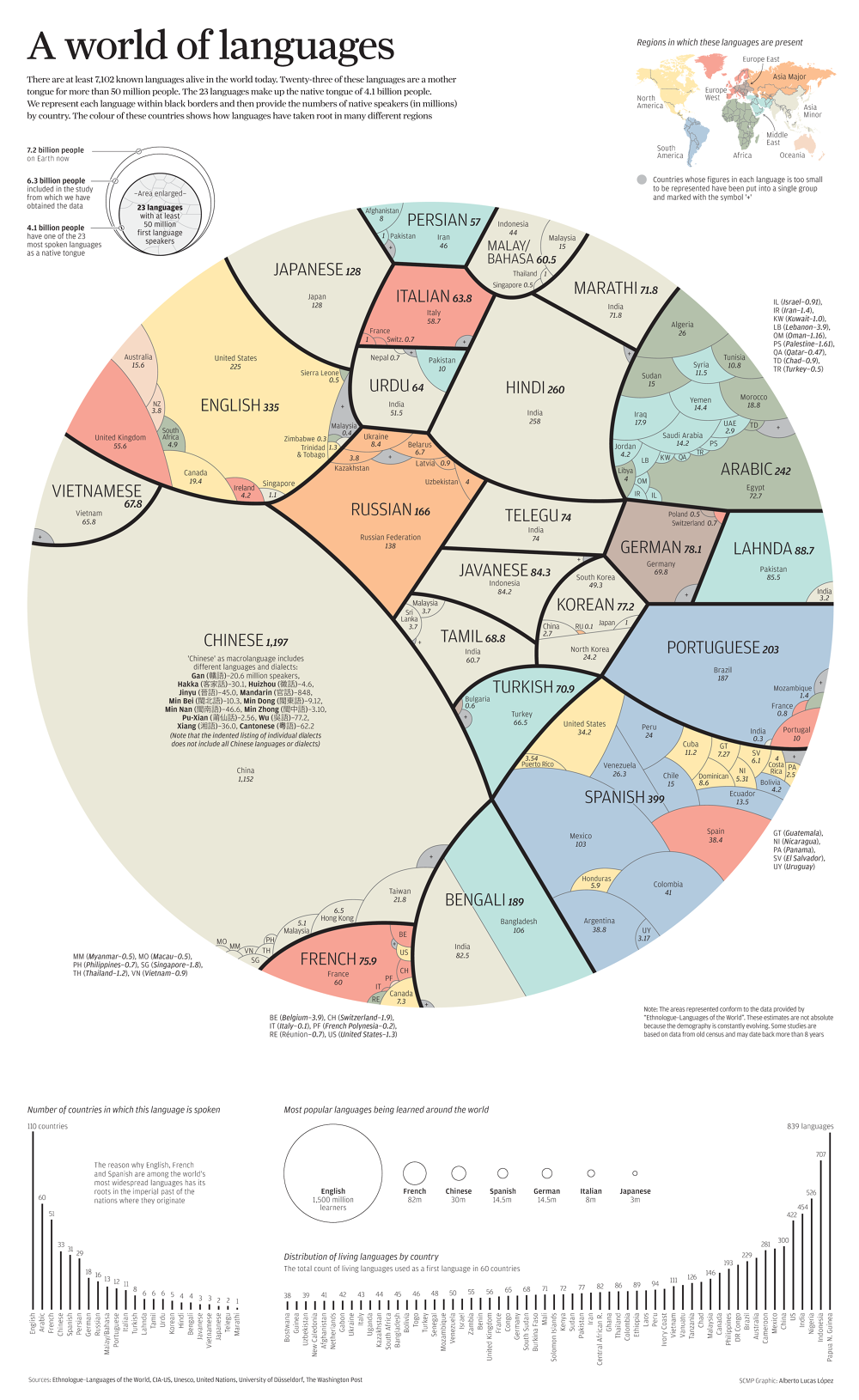
There are at least 7,102 known languages alive in the world today. Twenty-three of these languages are a mother tongue for more than 50 million people. The 23 languages make up the native tongue of 4.1 billion people. We represent each language within black borders and then provide the numbers of native speakers (in millions) by country. The colour of these countries shows how languages have taken root in many different regions


 Tattoo artist














 Gunsmoke and Knitting