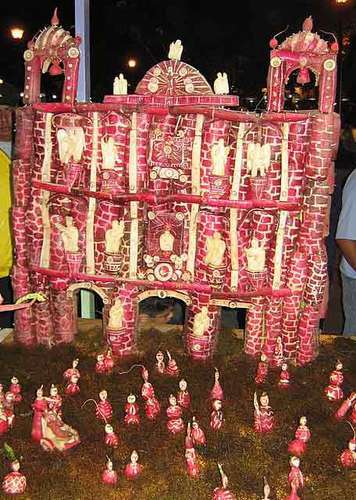
On December 23, the Night of the Radishes is celebrated in Oaxaca. These impressive root vegetables are left in the ground past their normal harvesting time allowing them to assume fantastic sizes and shapes. Thought to have originated in 1897 as a strategy by market stand owners to lure worshipers to shop on their way home from church, Oaxacans since that time have been carving radishes into sculptures that are sometimes realistic and sometimes fanciful.
Often the sculptures depict a nativity scene.
But not always.
The festival does not end on December 23, but continues through the Christmas holidays in a curious blending of a harvest festival and religious observance.
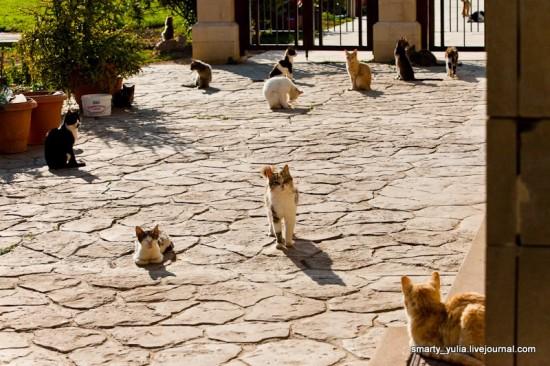
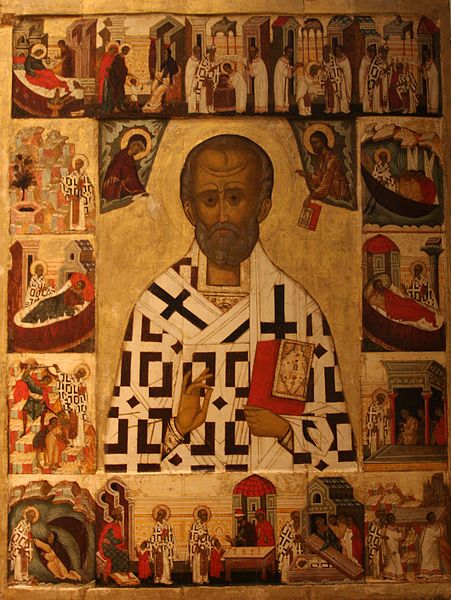
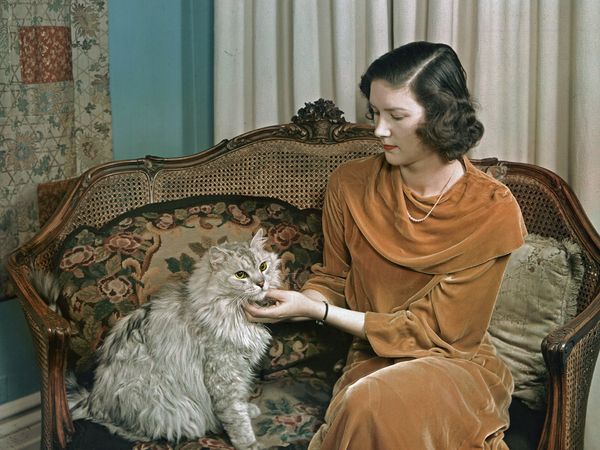
“The Monastery of Saint Nicholas of the Cats is regarded as a sacred cat haven in Cyprus, as it’s name has been linked to felines for almost 2,000 years.
The original monastery was built in 327 AD, by Kalokeros, the first Byzantine governor of Cyprus, and patronised by Saint Helena, the mother of Constantine the Great. At that time, a terrible drought affected the whole of Cypus, and the entire island was overrun with poisonous snakes which made building the monastery a dangerous affair. Many of the inhabitants left their homes and moved off the island, for fear of the snakes, but Saint Helena came up with a solution to the plague – she ordered 1,000 cats to be shipped in from Egypt and Palestine to fight the reptiles.”
The monastery endures and today is run by six nuns and about seventy cats.
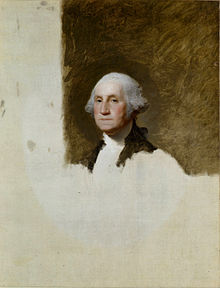
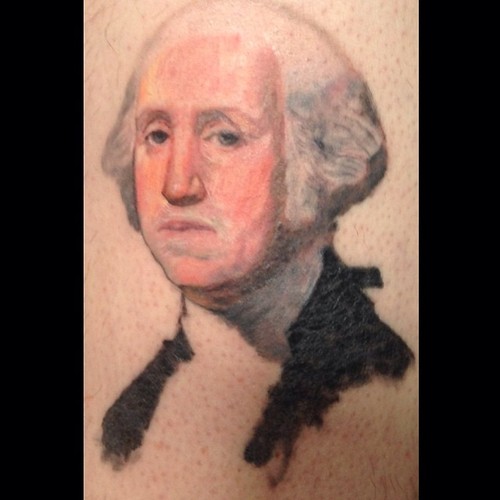
Today is Gilbert Stuart’s birthday. He was born in 1755 in Saunderstown, Rhode Island. In those years before paparzzi, he became one of America’s outstanding portraitists. Stuart is probably best known for his unfinished portrait of George Washington (above) that has become iconic, appearing on the dollar bill and elsewhere. It is probably the likeness most of us call to mind when thinking about Washington. The portrait was never finished, but Stuart did make copies of the portrait, selling them for $100 each (no Kinko’s either). Ref – Wikipedia
Stuart became very successful, recording likenesses of the rich and famous of his day, which can now be found in museums such as the Metropolitan Museum of Art, the National Portrait Gallery, the Museum of Fine Arts Boston and other public and private collections.
I thought it was interesting that Stuart, “an artist accustomed to easily engaging and enlivening his clients with conversation and jokes, [he] was at a loss with Washington: ‘Anapathy seemed to seize him and a vacuity spread over his countenance, most appalling to paint.’ Yet, despite the struggle to capture the President’s elusive character, Stuart succeeded in executing the image that was then and is now considered to be a definitive and insightful likeness.”
“Who are we, if not measured by our impact on others? That’s who we are! We’re not who we say we are, we’re not who we want to be — we are the sum of the influence and impact that we have, in our lives, on others.”
This quote by Neil deGrasse Tyson in his comments about Carl Sagan on the occasion of Sagan’s papers being acquired by the Library of Congress. I read the story here on Brainpickings.
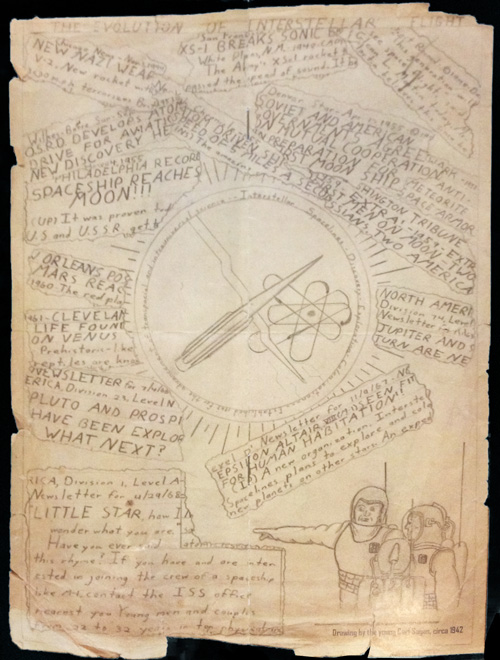
The drawing above is part of the collection that will be in the Library of Congress. It was created by an eight year old Carl Sagan in 1942. As an unabashed geek and fan of Sagan, deGrasse Tyson, and most things astronomical, I found this tidbit fascinating.
A team of six students from De Montfort University in Leicester have turned a historic map into a realistic and detailed 3D animation of Tudor London.
The video shows the area around Pudding Lane in the City of London before the Great Fire of 1666. Some of the buildings are hypothetical, but all streets are based on original maps of the area.
The animation has won the top prize in a competition to produce a 3D animation of a real historic setting, run by The British Library and video game developersGameCity and Crytek.
“The haze effect lying over the city is brilliant,” says Tom Harper, panel judge and curator at the British Library. “Great attention has been given to key features of London, complete with glittering window casements and other atmospheric cues.”
According to the Popcorn Board (who knew there was a Popcorn Board?) October is National Popcorn Month.
Wikipedia explains popcorn thusly: Popcorn, also known as popping corn, is a type of corn (maize, Zea mays var. everta) that expands from the kernel and puffs up when heated. Corn is able to pop becauseits kernels have a hard moisture-sealed hull and a dense starchy interior. Pressure builds inside the kernel, and a small explosion (or “pop”) is the end result. Some strains of corn are now cultivated specifically as popping corns.


 Often the sculptures depict a nativity scene.
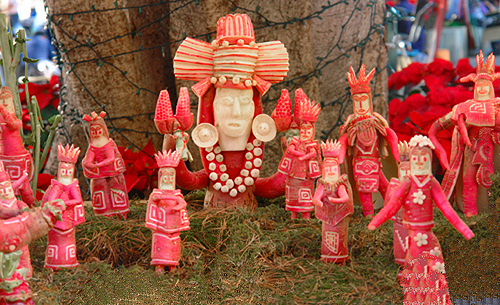 But not always.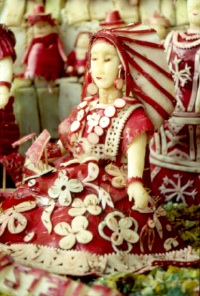












 Gunsmoke and Knitting