Archive for November, 2014

h1

Whose birthday do I note today?

November 26, 2014

bat_masterson

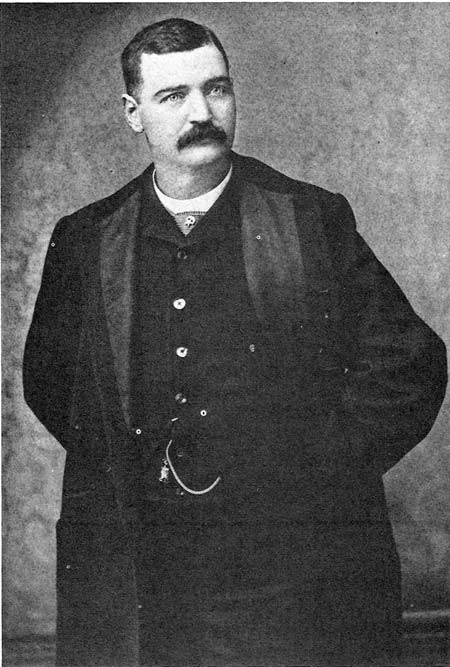
Bat (Bartholomew) Masterson, born November 26, 1853 in Henryville, Quebec.

In 1873, Masterson left home and began working as a buffalo hunter and Indian scout in Dodge City, Kansas. Over the next decade, he worked intermittently as the Ford County sheriff (1877-79) and a deputy U.S. marshal (1879), but largely made his living as a saloonkeeper and gambler.

Masterson spent his later years in New York City. In 1905, President Theodore Roosevelt appointed him deputy U.S. marshal for the southern district of New York, a position that Masterson held until 1907. His enthusiasm for boxing and other sports led him to become a feature writer for Human Life Magazine, a sports writer, and eventually the sports editor of the New York Morning Telegraph Biography.com

The story of Bat’s last shootout, before he turned to law enforcement, is chronicled here.

Generally thought of as an icon of the Old West, Masterson died in 1921.  He suffered a heart attack at his desk in New York City where he was working as a journalist.

h1

What am I noting on tattoo Tuesday?

November 25, 2014

pittsburgh

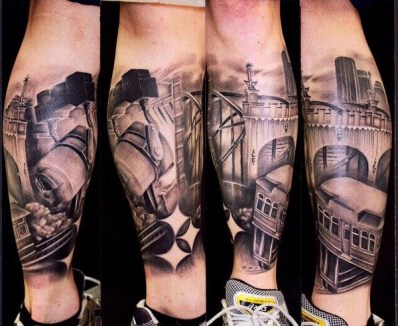
We are coming up on the anniversary of the founding of Pittsburgh on November 27, 1758.

I thought this from Wiki was interesting:

Pittsburgh was named in 1758 by General John Forbes in honor of British statesman William Pitt, 1st Earl of Chatham. Forbes was a Scotsman and it is conjectured that the pronunciation was originally intended to be /ˈpɪtsb(ə)rə/ PITS-brəor PITS-bə-rə(similar to Edinburgh). Pittsburgh was incorporated as a township in 1771 and as a borough on April 22, 1794 with the following Act: “Be it enacted by the Pennsylvania State Senate and Pennsylvania House of Representatives of the Commonwealth of Pennsylvania…by the authority of the same, that the said town of Pittsburgh shall be…erected into a borough, which shall be called the borough of Pittsburgh for ever.”

Pittsburghskyline

Pittsburgh_dawn_city_pano

Above – panoramic views of the city by day and at dawn

Pittsburgh is interesting and close enough to home for a day trip.  We will be there for Thanksgiving seeing family.

pittsburgh tattoo 1

Pittsburgh Tattoo Header

h1

What am I sappy goldfish blogging?

November 21, 2014

gold-fish-tea-bag-charm-villa-7

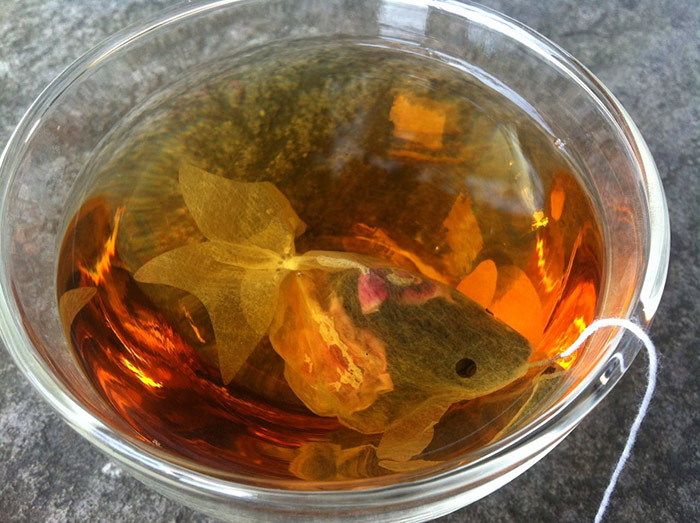
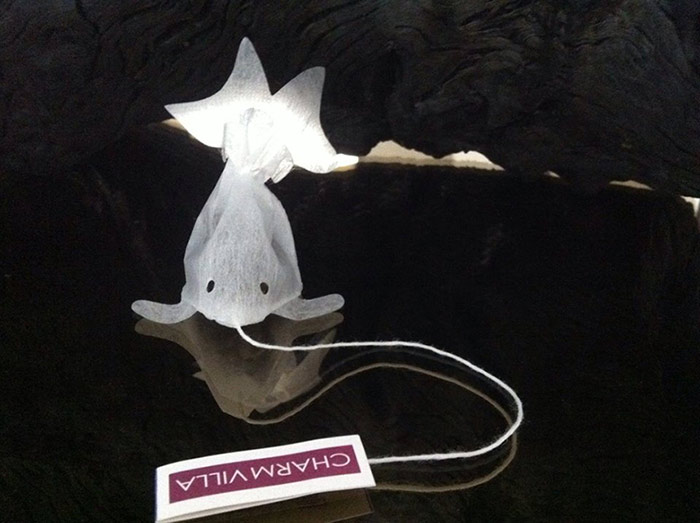
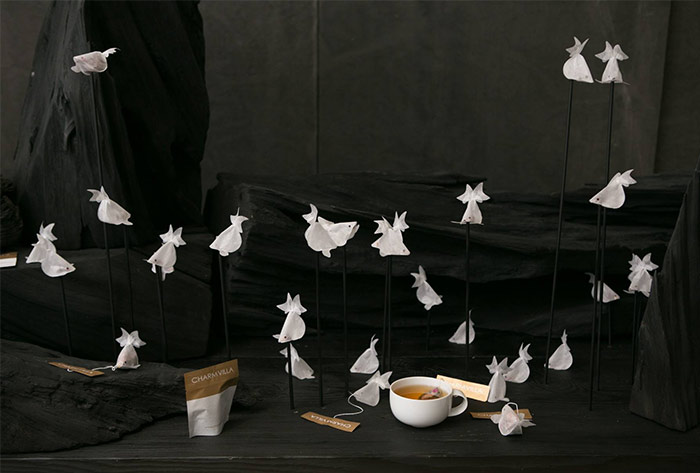
Not real goldfish, of course, but little goldfish teabags swimming in your cup.  If you can get around thinking about what fish do in the water . . . .

gold-fish-tea-bag-charm-villa-4

gold-fish-tea-bag-charm-villa-2

gold-fish-tea-bag-charm-villa-6

These little darlings are from Charm Villa.

Thanks to Katie for the tip.

h1

What do I find interesting?

November 21, 2014

Provocative Headlines . . .

uranus

Surprising Structures Discovered at the Bottom of Uranus

Provocative Fashion . . .

1459059_10152272968779861_8475909_n


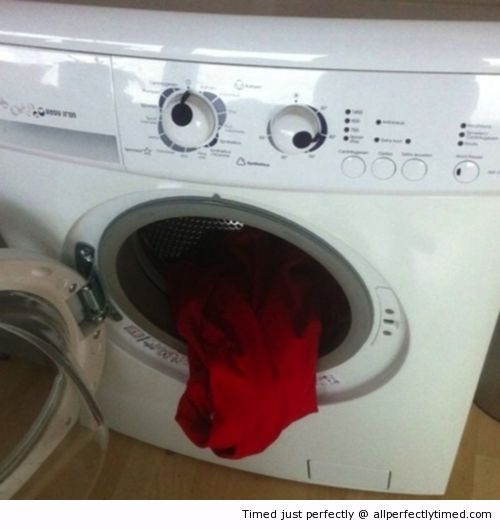
Cheeky appliances

Bizarre-laundry-machine-resizecrop--

h1

To whom do we say farewell?

November 20, 2014


Mike Nichols 1931 – 2014

h1

What am I drawing?

November 19, 2014


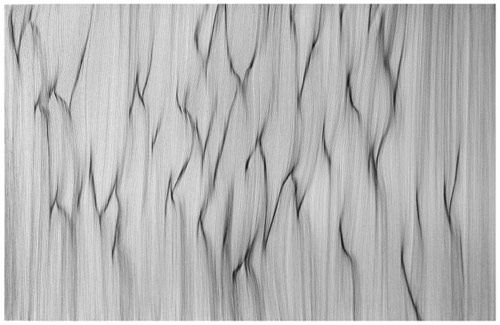
Each line a breath  – drawings by John Franzen.

Are they meditative? Yes.

Is it art? I’m not sure.

Are they beautiful?  I think so.

JOHN-FRANZEN-03

JOHN-FRANZEN-06

From Booooooom.com

h1

What is tattoo Tuesday about?

November 18, 2014

sunset2

The days are getting shorter and colder, but with the change of the seasons and the end of daylight savings time, I sometimes see wonderful sunsets such as these when I am on my way home from work.

sunset1I thought the colors were amazing.

And the tattoo depicts a sunset in a different kind of location:

sunset-tattoo

h1

What am I eating today?

November 17, 2014

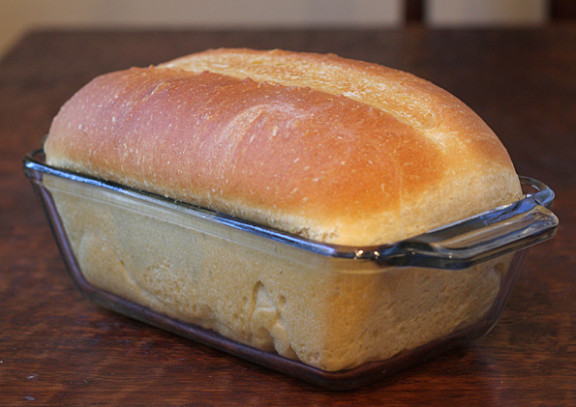
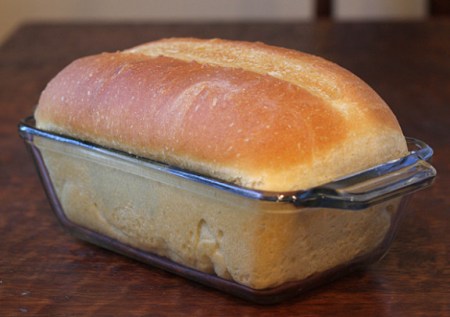
breadToday is Homemade Bread Day

What could be better than a slice of golden-crusted homemade bread, warm from the oven, with melty butter – a symphony of aroma, sight and taste.  Heaven!

I thought this was interesting:

Partly because of its importance as a basic foodstuff bread has a social and emotional significance beyond its importance in nutrition; it plays essential roles in religious rituals and secular culture. Its prominence in daily life is reflected in language, where it appears in proverbs, colloquial expressions (“He stole the bread from my mouth”), in prayer (“Give us this day our daily bread”) and even in the etymology of words such as “companion” and “company” (literally those who eat/share bread with you.  Ref. Wiki.

Some people are afraid of bread baking – nothing could be simpler.  The only caveat is to keep the of the liquids at a temperature that will nurture and not kill the yeast (between 110 and 115 degrees F) – use an “instant” read thermometer – no surprises.  Other than that – and allowing enough time for the dough to rise – you can make good bread in an infinite number of ways.  I read a lot of recipes, but when I make bread I tend to wing it.  Sometimes I use milk for the liquid, sometimes water, sometimes I add an egg, sometimes, not.  I vary the sugar source (food for the yeast) at my whim – sugar, or malted syrup, or honey, or agave syrup, etc. I usually make white bread and have found that bread flour helps make a loaf with body.  Sometimes I add flaked wheat, or seeds – flax, sunflower, etc.)

I have learned that if you watch the temperature when adding the liquid to the yeast, take time to bloom the yeast, either scald the milk (if using) to a simmer, or use dry milk, and don’t add the salt directly to the yeast (mix it into the dry ingredients) you should not have any trouble baking a respectable loaf of bread.  Hand knead or machine knead; bread machine or old school baking.  It will be delicious!

Here’s a basic recipe for a white sandwich loaf from King Arthur Flour (wonderful people):

3 cups King Arthur Unbleached All-Purpose Flour*
1/2 cup milk (skim, 1%, 2% or whole, your choice)**
1/2 to 2/3 cup hot water, enough to make a soft, smooth dough**
4 tablespoons (1/2 stick) melted butter or vegetable oil
2 tablespoons sugar
1 1/4 teaspoons salt
1 packet active dry yeast dissolved in 1 tablespoon warm water OR 2 teaspoons instant yeast

*For added whole-grain goodness, substitute great-tasting King Arthur 100% White Whole Wheat Flour for up to half of the all-purpose flour in this recipe.

**Mix the cold-from-the-refrigerator milk with 1/2 cup of the hot-from-the-tap water to make a lukewarm combination.

Mixing: In a large bowl, combine all of the ingredients and stir till the dough starts to leave the sides of the bowl. Transfer the dough to a lightly greased surface, oil your hands, and knead it for 6 to 8 minutes, or until it begins to become smooth and supple. (You may also knead this dough in an electric mixer or food processor, or in a bread machine set to the dough or manual cycle). Transfer the dough to a lightly greased bowl, cover the bowl, and allow the dough to rise till puffy though not necessarily doubled in bulk, about 1 to 2 hours, depending on the warmth of your kitchen.

Shaping: Transfer the dough to a lightly oiled work surface, and shape it into an 8″ log. Place the log in a lightly greased 8 1/2″ x 4 1/2″ loaf pan, cover the pan loosely with lightly greased plastic wrap, and allow the bread to rise for about 60 minutes, until it’s domed about 1″ above the edge of the pan. A finger pressed into the dough should leave a mark that rebounds slowly.

Baking: Bake the bread in a preheated 350°F oven for 30 to 35 minutes, until it’s light golden brown. Test it for doneness by removing it from the pan and thumping it on the bottom (it should sound hollow), or by measuring its interior temperature with an instant-read thermometer (it should register 190°F at the center of the loaf). Remove the bread from the oven, and cool it on a wire rack before slicing. Store the bread in a plastic bag at room temperature. Yield: 1 loaf.



h1

What am I baking?

November 16, 2014

baklavaTomorrow is Baklava Day . . . and this is what I was baking.

Baklava Ottoman Turkish: باقلوا  is a rich, sweet pastry made of layers of filo filled with chopped nuts and sweetened and held together with syrup or honey. It is characteristic of the cuisines of the former Ottoman Empire, and is also found in Central and Southwest Asia.  (Wikipedia)

I have always enjoyed baklava, but never attempted making it until now.  It turns out, it is dead easy to make – and delicious.  I followed Ree Drummond’s recipe, using a combination of walnuts, butternuts and pecans to create my baklava.

Here’s the recipe:

Ingredients

  • 1 package Phyllo Dough
  • 4 cups Chopped Walnuts Or Pecans
  • 1 teaspoon Cinnamon
  • 1-1/2 stick Butter, Melted
  • 2 cups Honey
  • 1/2 cup Water
  • 1/2 cup Sugar
  • 3 teaspoons Vanilla Extract

Preparation Instructions

Remove phyllo dough package from freezer and place in the fridge for 24 hours to thaw. Remove from fridge 1 hour before using.

When working with the phyllo dough, only remove the sheets you immediately need, keeping the other sheets covered in plastic wrap, then a damp cloth.

Toss together the chopped walnuts and cinnamon. Set aside.

Preheat oven to 350 degrees. Thoroughly butter a rectangular baking pan. Make sure the sheets of phyllo will generally fit the pan (if they’re a little bigger, that’s okay.) If they’re much bigger, just trim them with a sharp knife.

Butter the top sheet of phyllo with melted butter, then grab it and the unbuttered sheet below it. Set the two sheets in the pan, buttered sheet face down. Press lightly into the pan. Repeat this twice more, so that you have six sheets of phyllo in the pan, three of the sheets buttered.

Sprinkle on enough walnuts to make a single layer. Butter two sheets of phyllo and place them on top of the walnuts. Add more walnuts, then two more buttered phyllo sheets. Repeat this a couple more times, or until you’re out of walnuts. Top with 4 more buttered phyllo sheets, ending with a buttered top. Cut a diagonal diamond pattern in the baklava using a very sharp knife.

Bake for 45 minutes, or until the baklava is very golden brown.

While the baklava is baking, combine 1 stick of the butter, honey, water, sugar, and vanilla in a saucepan. Bring to a boil, then reduce the heat to low.

When you remove the baklava from the oven, drizzle half the saucepan evenly all over the top. Allow it to sit and absorb for a minute, then drizzle on a little more until you think it’s thoroughly moistened. You’ll likely have some of the honey mixture leftover, which you can drink with a straw. Just kidding.

Allow the baklava to cool, uncovered, for several hours. Once cool and sticky and divine, carefully remove them from the pan and serve with coffee (or give as gifts!)

h1

Where am I living?

November 15, 2014

Rotatinghouse

This is the Everingham Rotating House near Taree, NSW, Australia.  This interesting concept works well on the spacious lot where it is situated.  I am trying to picture it in my neighborhood of 1/6 acre lots.

rotating_house_2

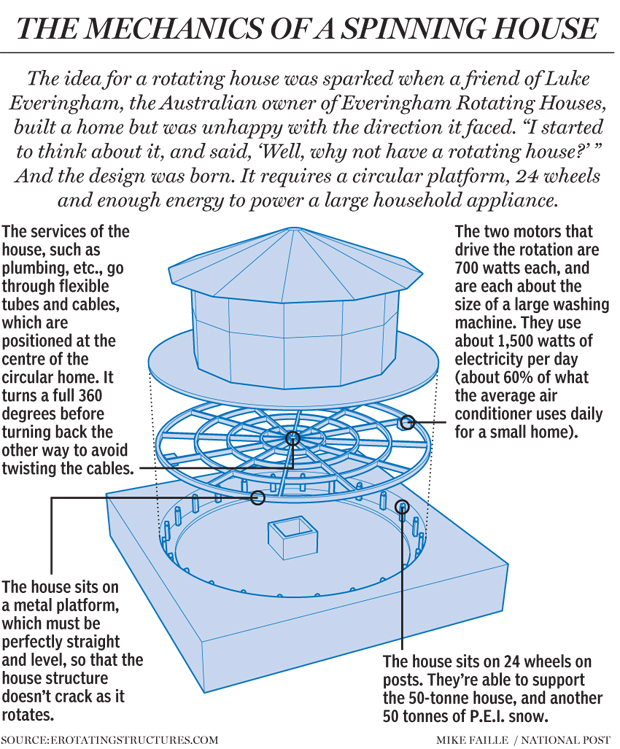
This graphic from the  National Post explains more about the mechanics of the structure.

Template-6col


And this YouTube video takes you inside the house:

The house is now available for holiday rentals; click here to learn more.


See also:

Lustron Homes

Quonset Huts

Dymaxion House

Heinlein House

Sears Mail-Order Homes

National Park Lookouts