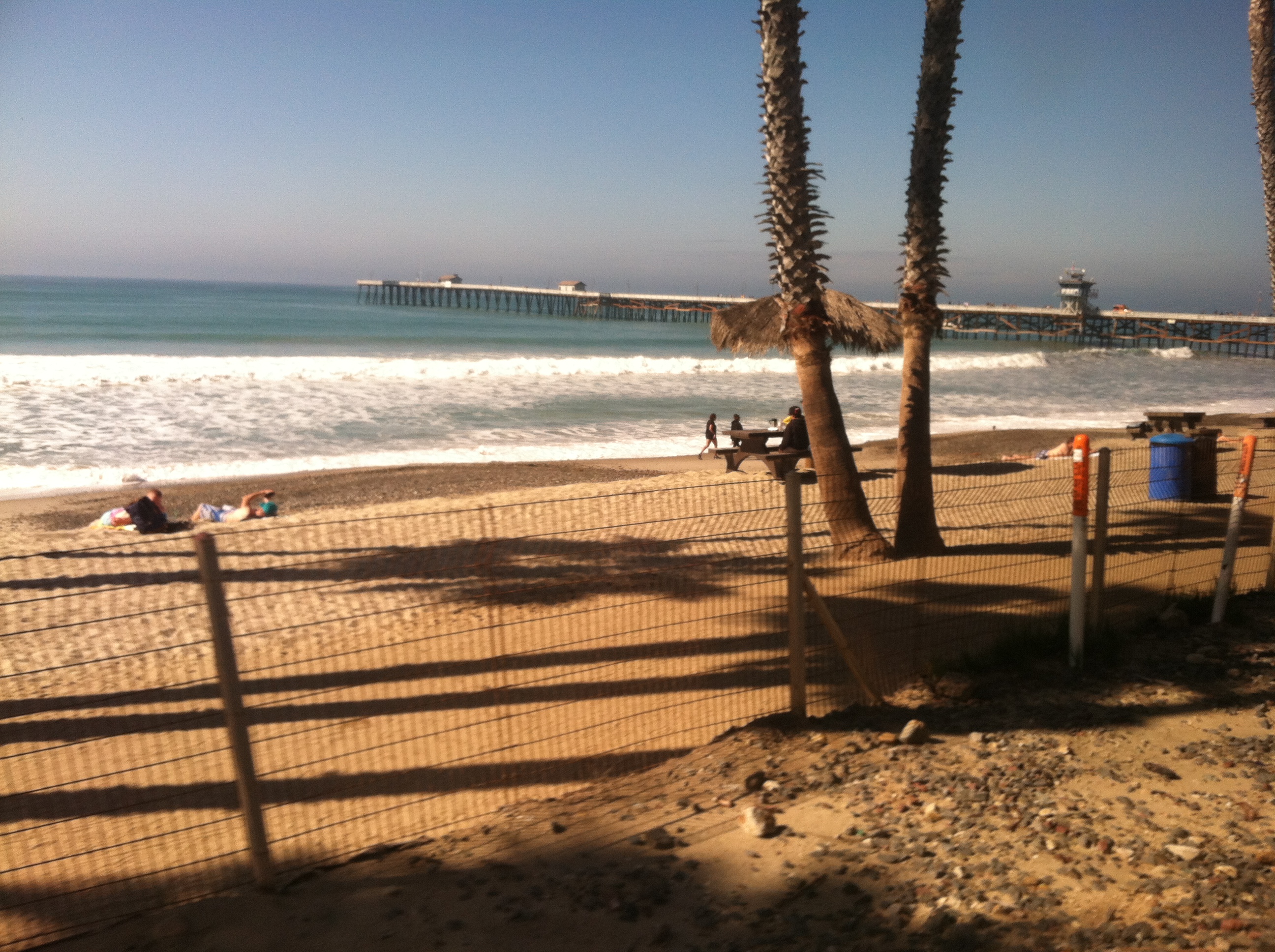
 February 10 – the view from the beach.
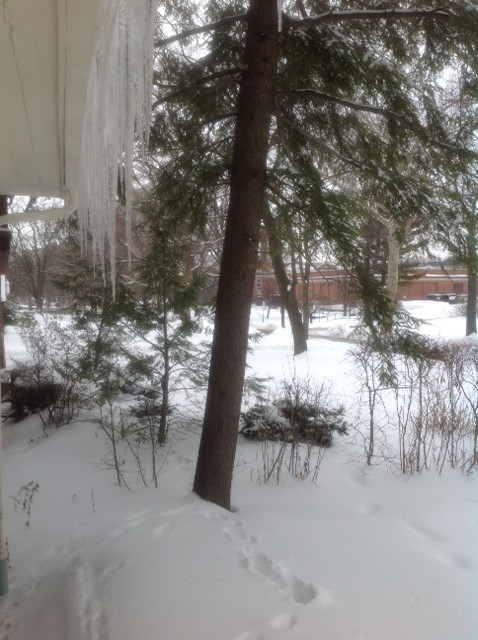 February 15 – the view from my front steps
I think that true intelligence is not knowing when to go on vacation, but knowing how long to stay away.

February 10 – the view from the beach.
February 15 – the view from my front steps
I think that true intelligence is not knowing when to go on vacation, but knowing how long to stay away.
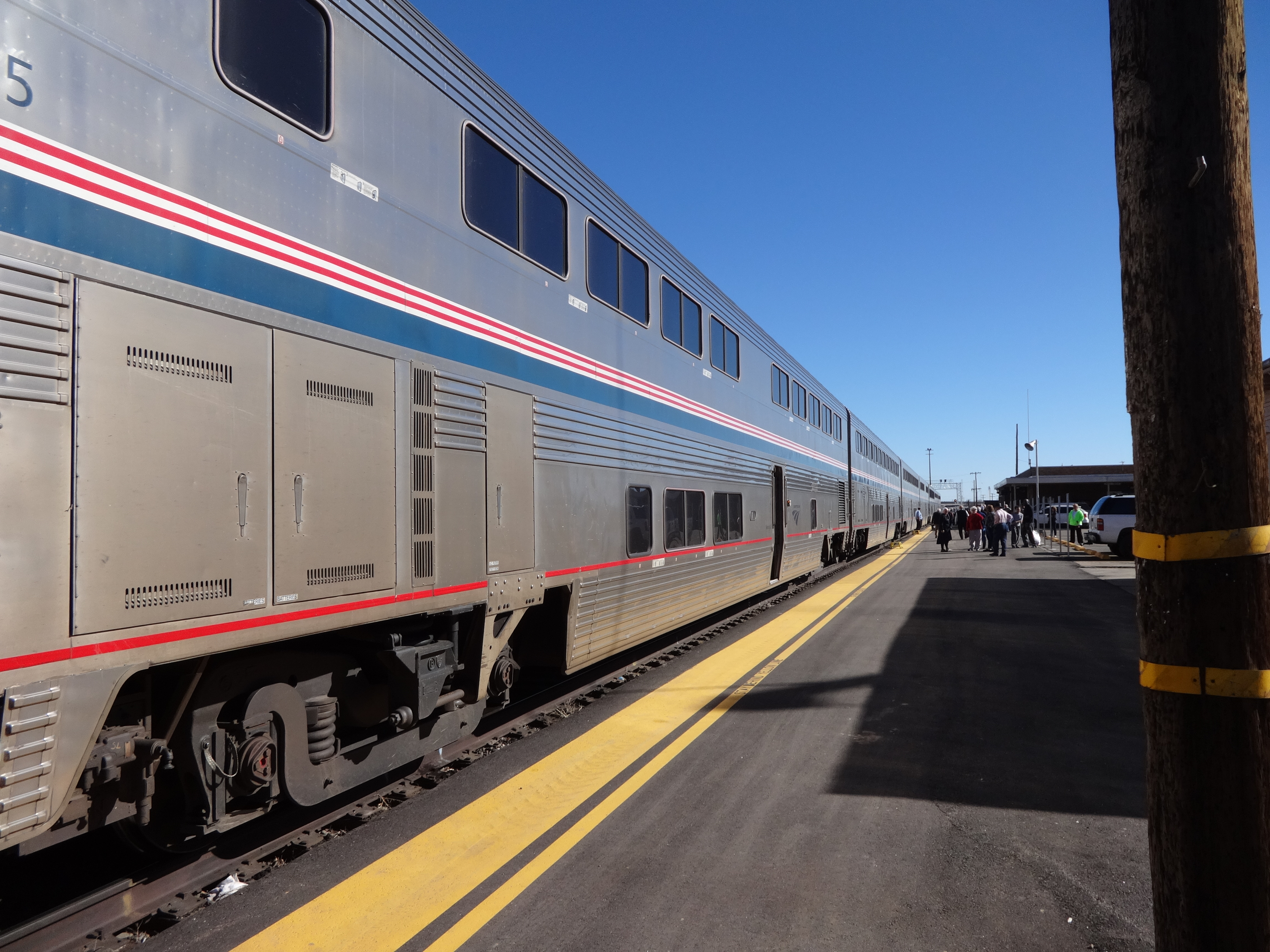
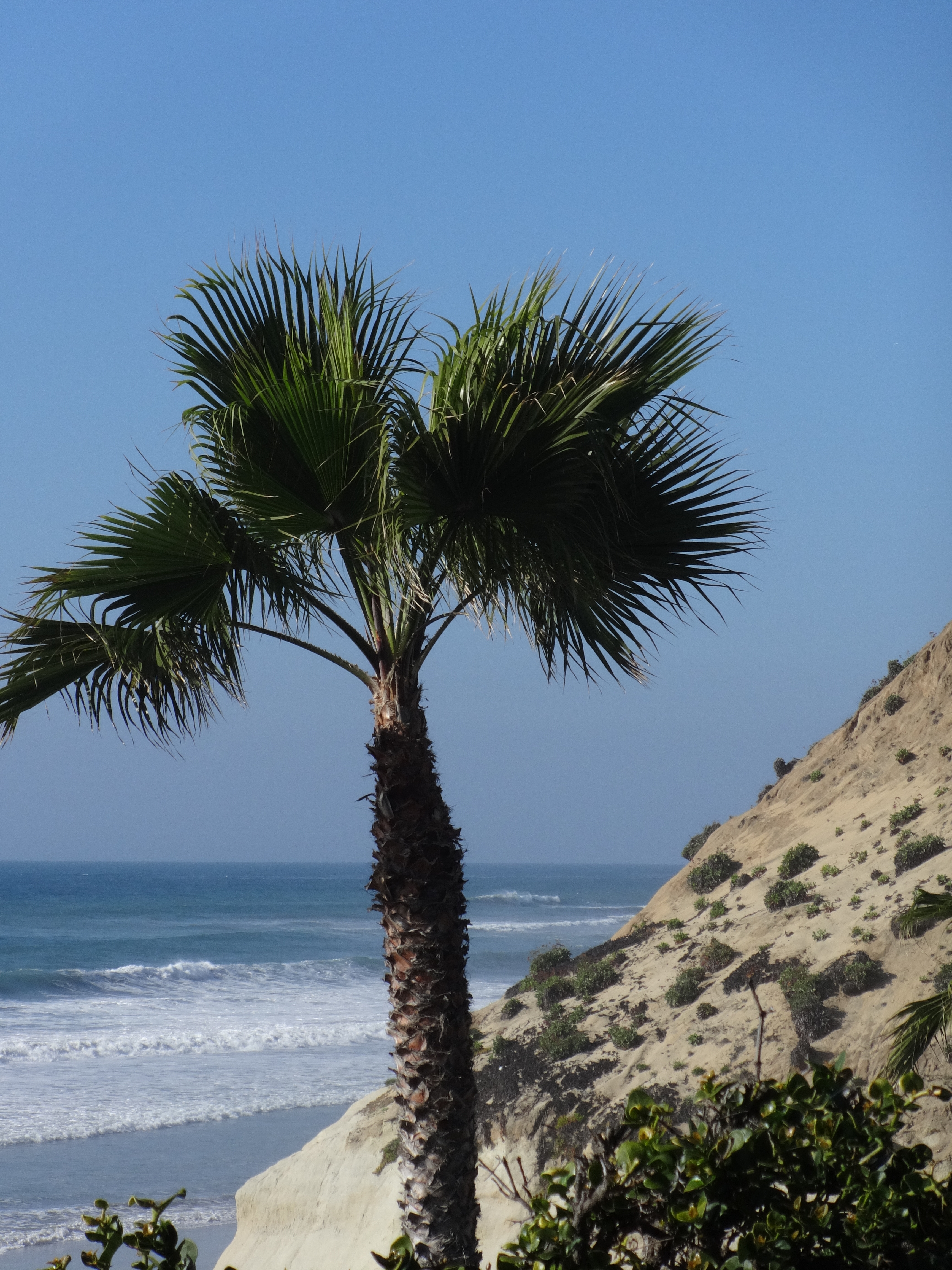
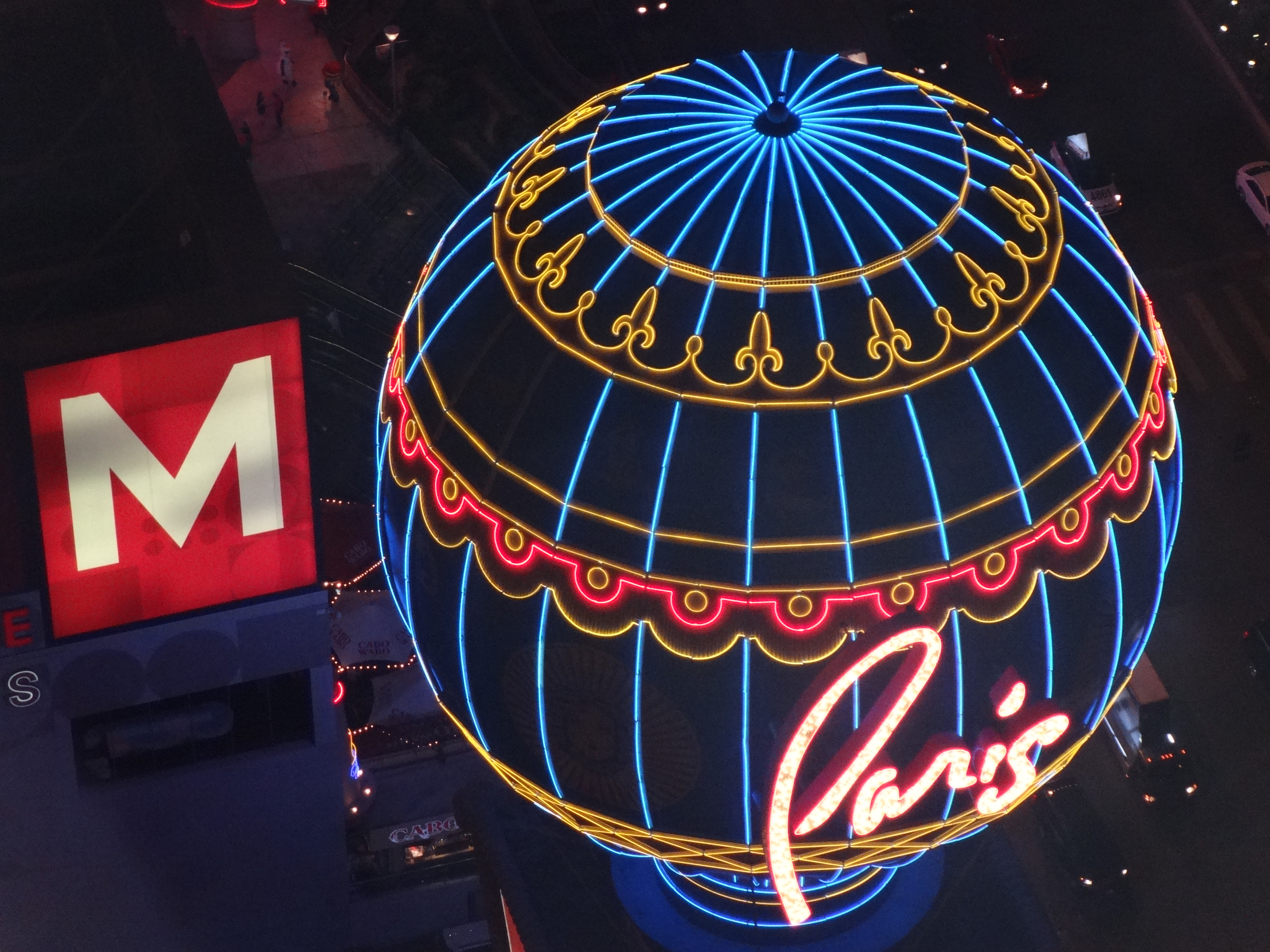
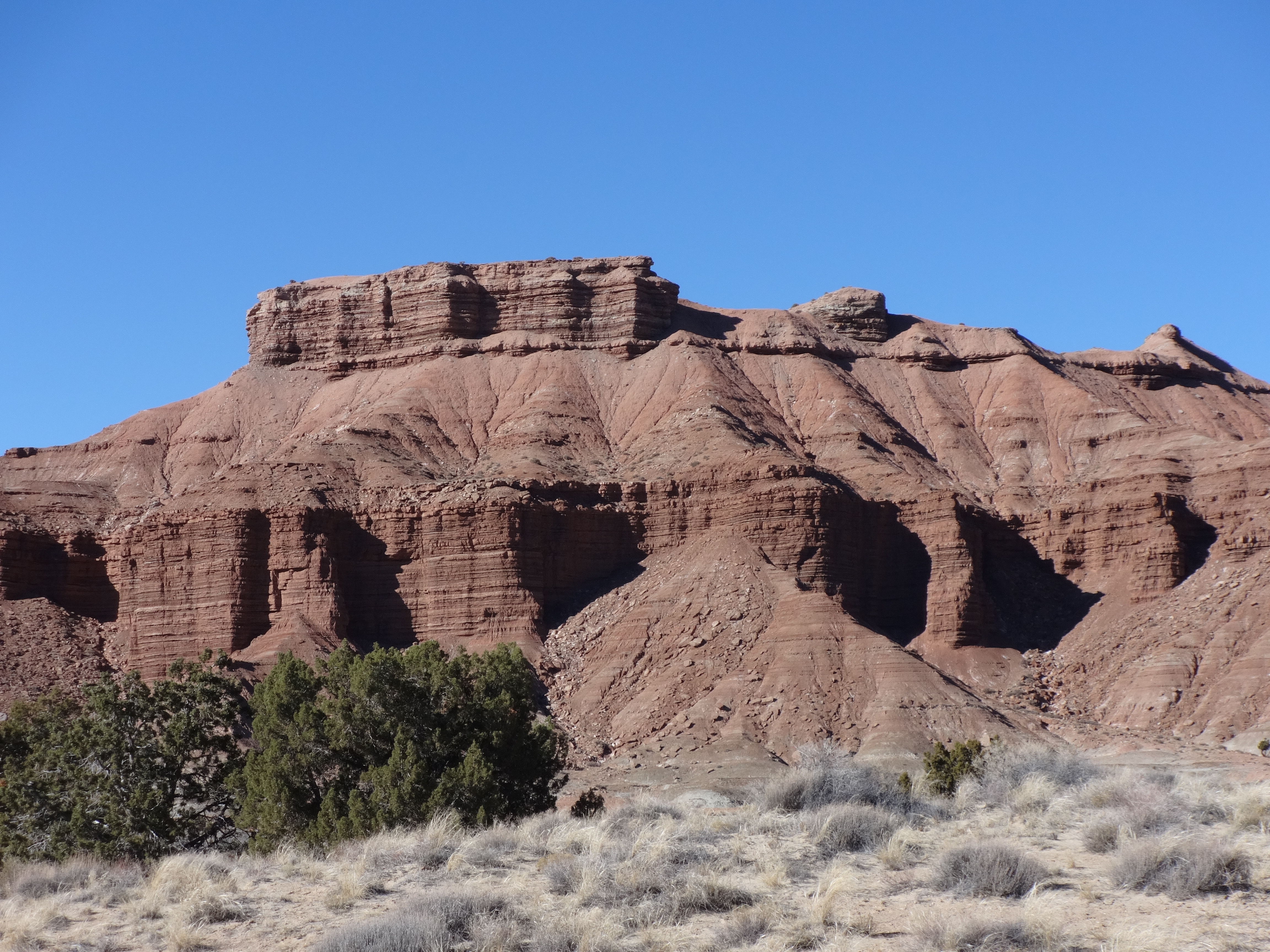
On vacation . . .
It is good.
Polaris – I never imagined . . .
The Russian Federal Space Agency released a video that shows how earth could look in the light of other stars.
Many people can’t read Cyrillic, so here are the stars in order of appearance (or you can watch on YouTube and click on the caption option):
- Alpha Centauri
- Sirius
- Arcturus
- Vega
- Polaris
This is a great visualization of what starlight might be like on other habitable planets. However, these stars couldn’t replace our sun. Sirius and Vega would blind us; Arcturus, Polaris, and Alpha Centauri would burn the planet to a crisp. None of this makes the video any less awesome. Our sun keeps the earth just the right temperature, and that’s good enough for most people.
I thought this little video about how a Jack Daniels whiskey barrel is made was interesting. I was surprised at the amount of hand work involved while producing barrels on an industrial scale.
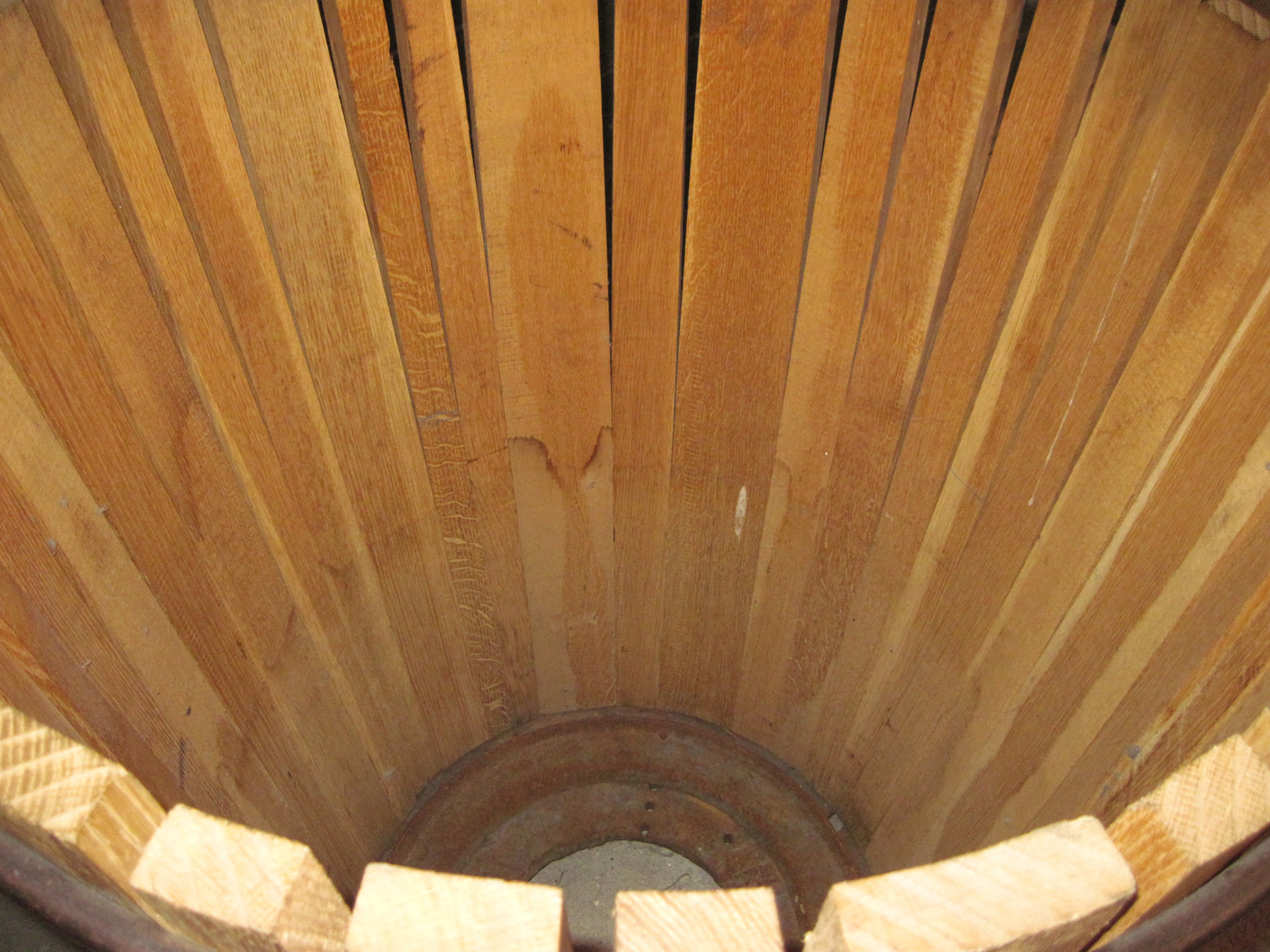
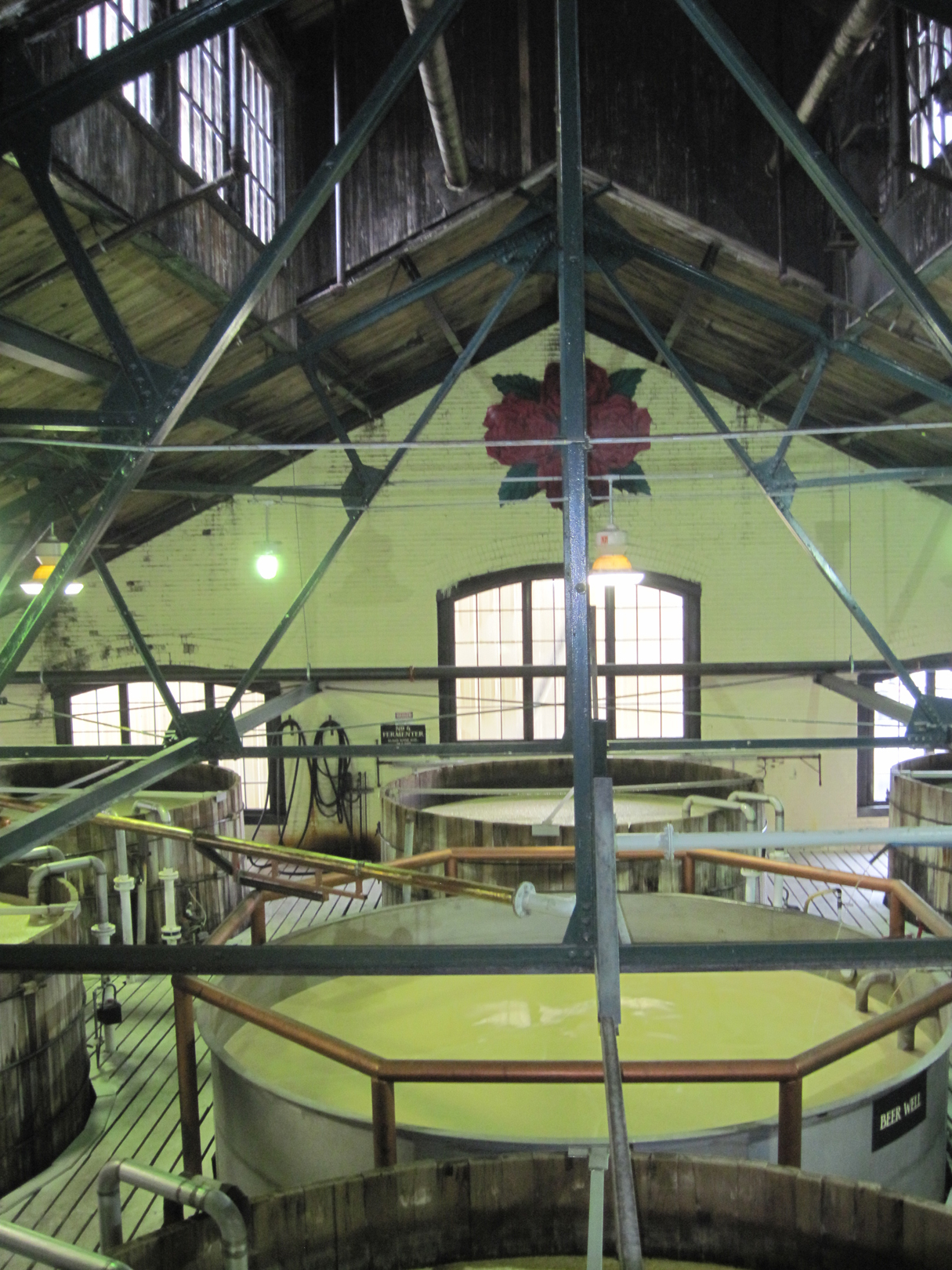
Here are some photos that feature a product associated with barrels. They are from a trip I took on the Bourbon Trail in Kentucky . . .
Looking inside a barrel at Buffalo Trace.
The fermentation room at Four Roses.
The still room at Four Roses.

A tasting at Makers Mark.

It was an interesting tour. I would go back to Buffalo Trace and some of the distillers that I missed the first time.

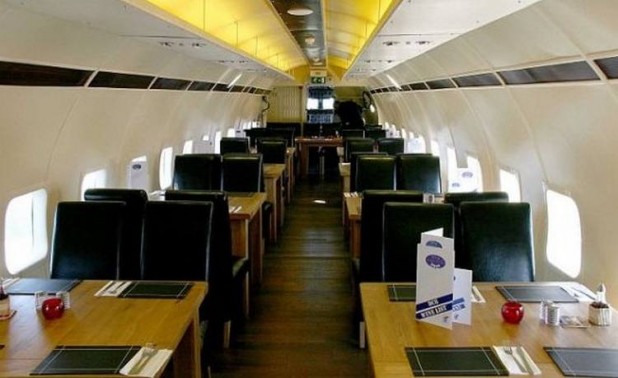
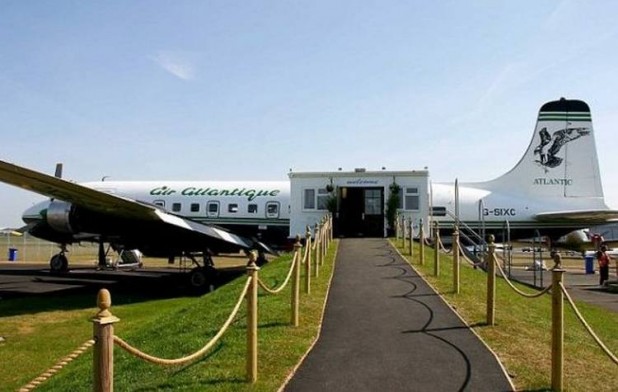
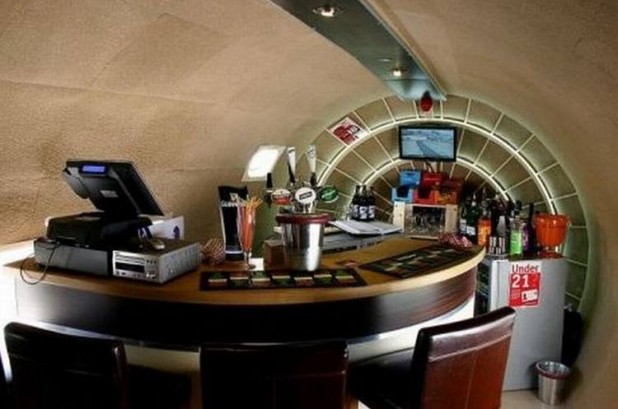
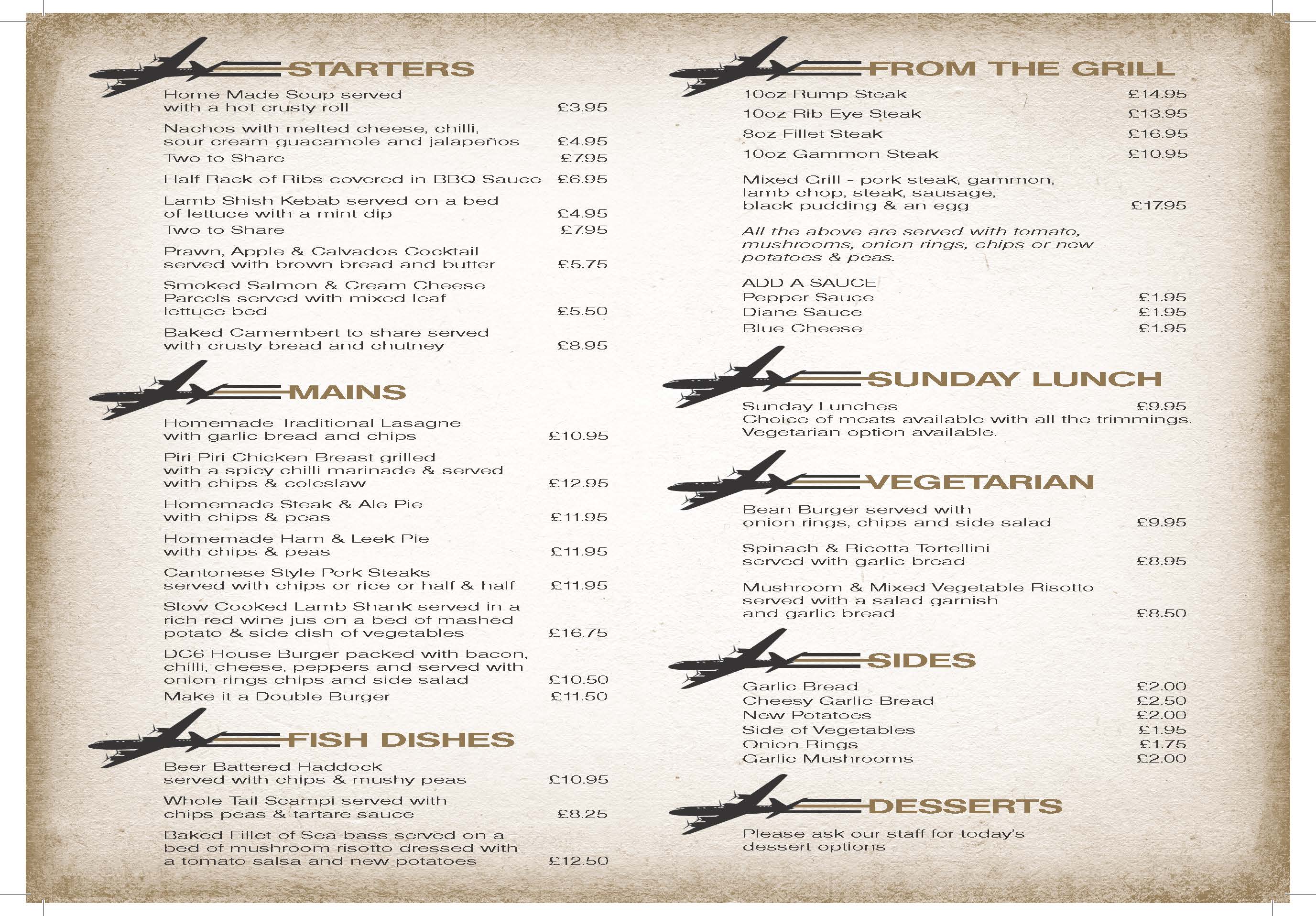
At the DC6 Restaurant at the Coventry Airport in the UK.
Here’s the menu . . .
This is a 1958 Douglas DC6 that has been converted into a restaurant that can seat 40 people. It is also available for parties and events.
Building and playing with Legos is fun. Building and playing with model railroads is just as much fun. However, there are not many things better than when the two are combined.
It doesn’t matter what your age is, model trains and Legos have withstood the test of time and remain popular with kids, adults and hobbyists alike. There is just something about the creativity and imagination that are inherent qualities of both activities, and they’re even better when the two are combined.
This was certainly the case for Henrik Ludvigsen, of Denmark, and 80 of his friends. As an avid Lego enthusiast, Ludvigsen had amassed a large number of Lego rail pieces (from the 1960s and 1970s); therefore, he decided to do something grandiose with them all. Along with his fellow Lego advocates, he set out to design one massive, continuous railroad track out of nothing but Legos – a creative adventure that would place him and his associates in the record books.
Ludvigsen and his team of helpers pooled together all of their Lego pieces and solicited the help of fans all over the world to donate additional blue and / or white Lego pieces (tracks and support pieces). By the time they were ready to construct the railway on May 10-11, 2013, the team had collected nearly 100,000 Lego pieces for the project.
Ludvigsen and his team of 80 helpers worked tirelessly for six hours to build the complicated train layout. While the final design was void of any kind of accessories, decorations or scenery, there was one thing it was not short of … tracks. The end result was a winding track (with plenty of straightaways, as well) that stretched for nearly 2.5 miles in total distance (2.485 miles to be exact, or 4,000.25 meters). The project was so large that it earned the title and distinction of being the world’s longest plastic toy train track and the world’s longest Lego railway, according to the Guinness Book of World Records.
You would probably think the venue that played host to such an enormous task would have to be rather large, and you would be correct. The team of Lego lovers set up the track in a gym in Denmark, covering a majority of the floor.
When it came time to test the railroad, they placed a small train – also made out of Legos – on the tracks (it is not the same train featured in the video above, although the track is the same). Due in large part to the length of the track, but also because of the locomotive’s slow speed, the train took approximately four hours to make one circuit around the entire railroad.
Unfortunately, the set-up was only temporary. Ludvigsen and his team dismantled the track shortly after constructing it.
While building a massive model railway system may not be something you have the space or time for, releasing your inner child and embracing your love of all things model railroading (even if they aren’t your traditional model railroads) is a great outlet and can span generations.
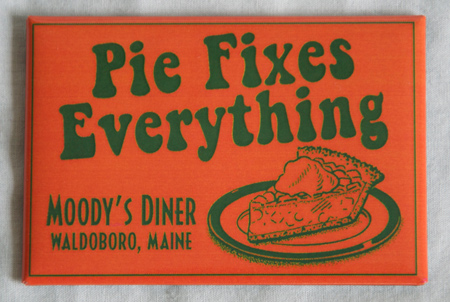 December is National Pie Day and when I think of pie, I always think of Moody’s Dinner.
Michael Stern’s review of Moody’s is from RoadFood (click here).
 This is the walnut pie (real whipped cream) and the rest of the dessert menu.


We are coming up on the anniversary of the founding of Pittsburgh on November 27, 1758.
I thought this from Wiki was interesting:
Pittsburgh was named in 1758 by General John Forbes in honor of British statesman William Pitt, 1st Earl of Chatham. Forbes was a Scotsman and it is conjectured that the pronunciation was originally intended to be /ˈpɪtsb(ə)rə/ PITS-brəor PITS-bə-rə(similar to Edinburgh). Pittsburgh was incorporated as a township in 1771 and as a borough on April 22, 1794 with the following Act: “Be it enacted by the Pennsylvania State Senate and Pennsylvania House of Representatives of the Commonwealth of Pennsylvania…by the authority of the same, that the said town of Pittsburgh shall be…erected into a borough, which shall be called the borough of Pittsburgh for ever.”


Above – panoramic views of the city by day and at dawn
Pittsburgh is interesting and close enough to home for a day trip. We will be there for Thanksgiving seeing family.

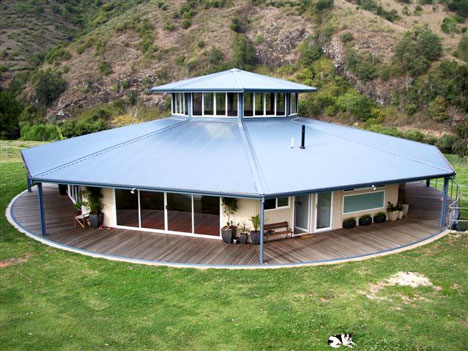
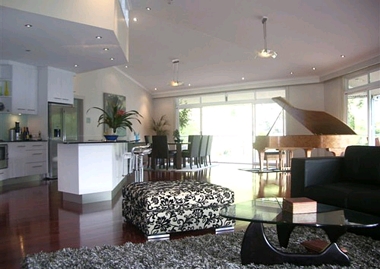
This is the Everingham Rotating House near Taree, NSW, Australia. This interesting concept works well on the spacious lot where it is situated. I am trying to picture it in my neighborhood of 1/6 acre lots.
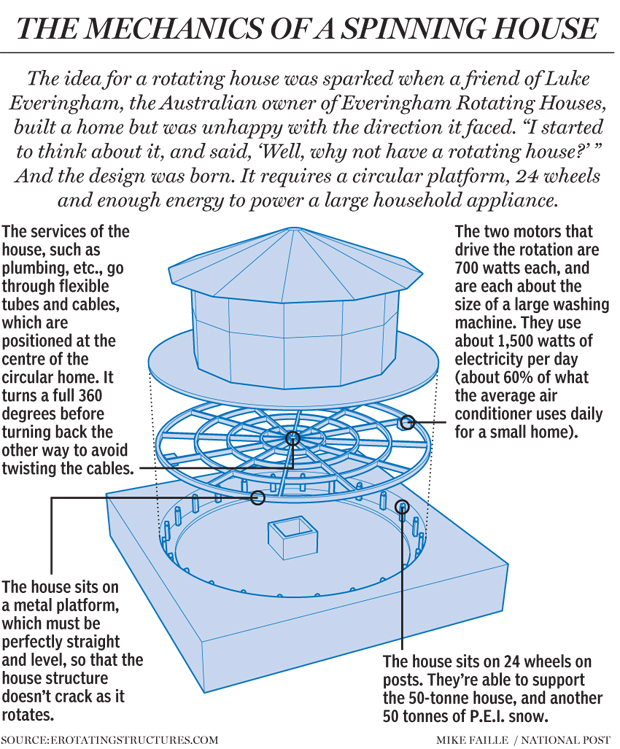
This graphic from the National Post explains more about the mechanics of the structure.
And this YouTube video takes you inside the house:
The house is now available for holiday rentals; click here to learn more.
See also:
Firearms, fibers, any news or behaviors that make me say, "hmm, let me take another look at this."
I still miss my man, but my aim is getting better.










 Gunsmoke and Knitting