I love watching other people work. . .
Posts Tagged ‘art’

What am I knitting?
December 1, 2015And sappy cat blogging . . .
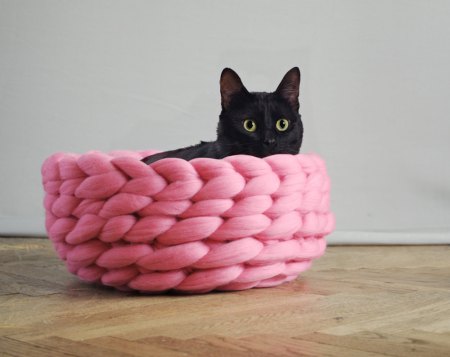
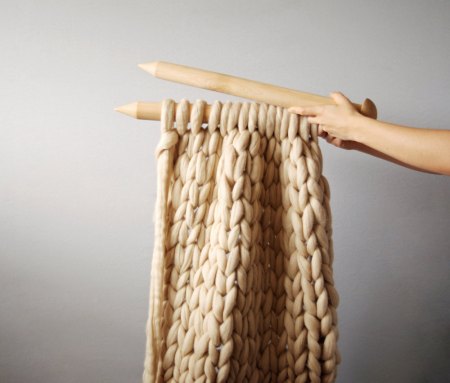
Anna Mo knits with chunky spools of wool, utilizing giant needles to produces the three-inch stitches that comprise her blankets, wraps, and now tiny pet beds. The animal-focused textiles mimic the appearance of her human accessories, crafted in bright blue, pink, and orange encasements that are perfect for the upcoming winter. Due to the round shape of the beds they even begin to look like spools of yarn themselves, hollowed out to perfectly snuggle your pooch or kitty.
This is tattoo Tuesday . . .

What am I knitting?
November 11, 2015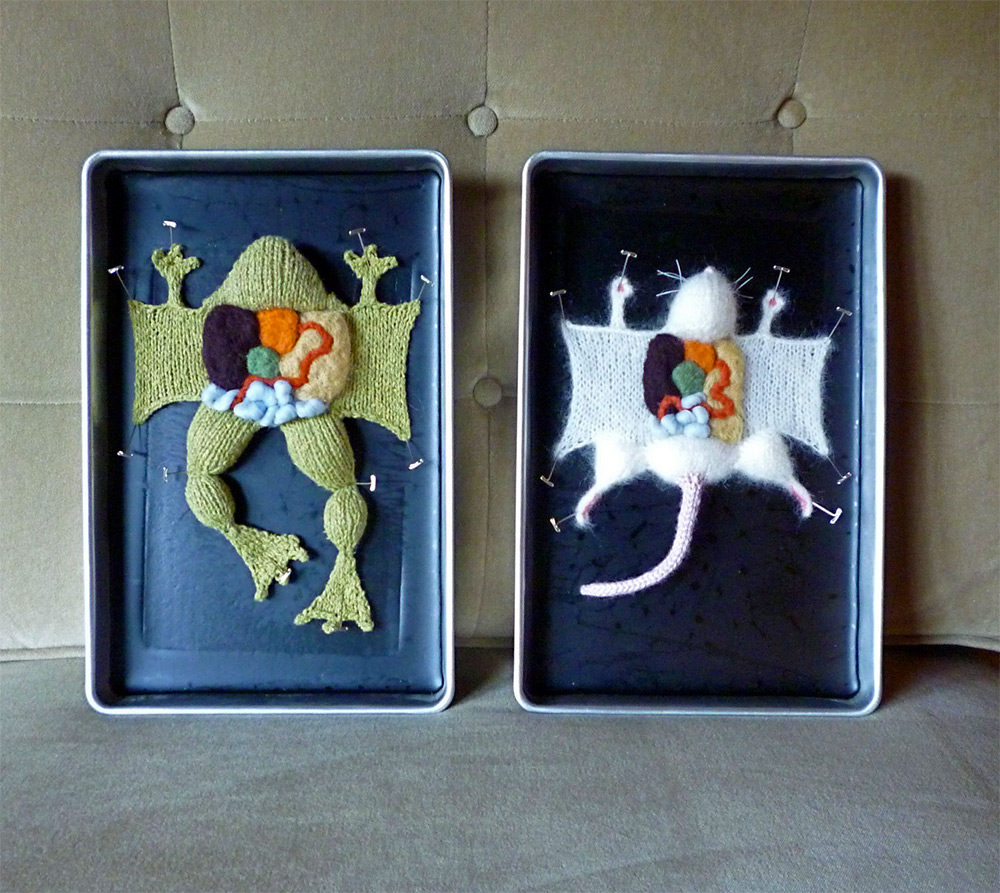
Vermont-based knitter Emily Stoneking runs an anatomical knitting brand called aKNITomy where she transforms fluffy skeins of yarn into the anatomical details of rats, frogs, people, and other creatures. Stoneking—who is admittedly not a scientist—likes to approximate the form and style seen in most anatomical illustrations with clear colors and distinct forms that may not be 100% accurate but are fun to look at nonetheless.
The specimens are available as both completed pieces and downloadable patterns, so you can ditch the formaldehyde and get a PDF knitting guide.


Where am I taking my auto repair work?
November 4, 2015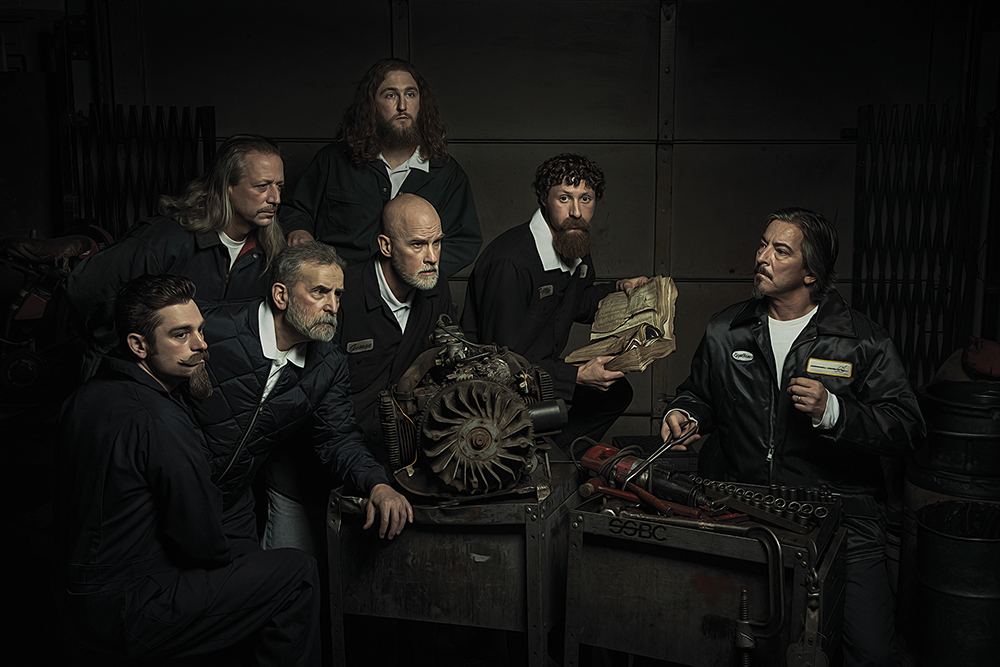 The Anatomy Lesson
Chicago-based photographer Freddy Fabris has worked for years on commercial projets for clients like Leo Burnett, Saatchi & Saatchi, and Ogilvy & Mather, but it was a recent decision to focus on a personal project exploded into a bevy of awards and accolades. Fabris, who has a background in painting, had long been ruminating about how to pay tribute to the works of classic painters like Rembrandt and Da Vinci using his camera. While accompanying a friend to a cluttered auto repair shop, inspiration suddenly struck. Fabris would pose the mechanics in the style of classical portraits, and in tableaus reminiscent of Philippe de Champaigne’s The Last Supper and Michelangelo’s The Creation of Adam. As he shared the idea with colleagues and collaborators, everyone quickly jumped on board and the Renaissance series was born.

 The Creation of Adam
Whose birthday am I celebrating?
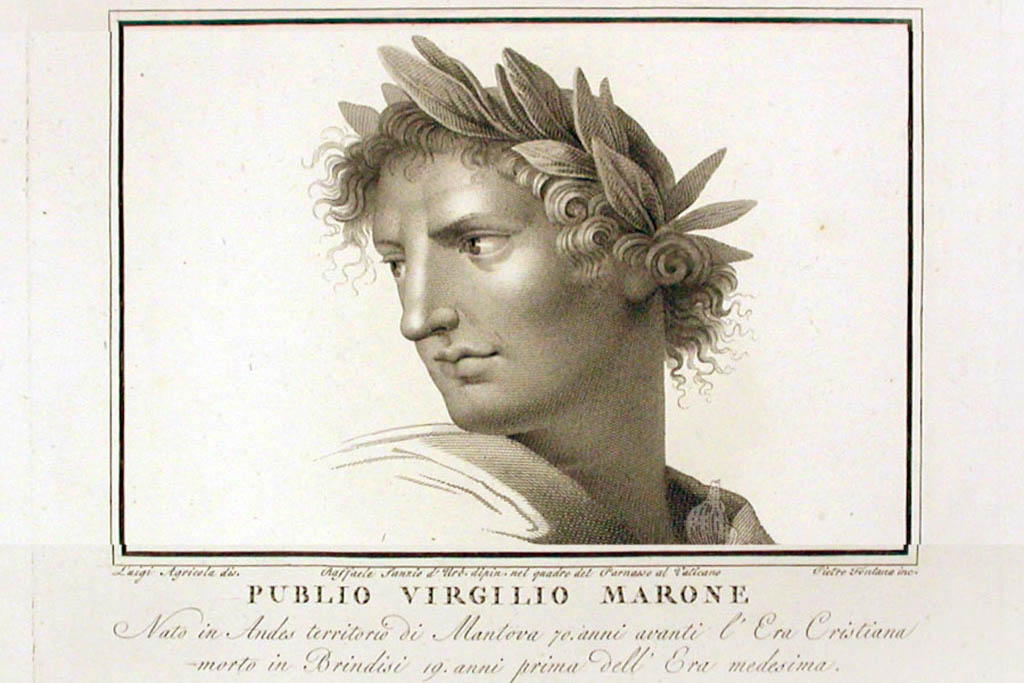
October 15, 2015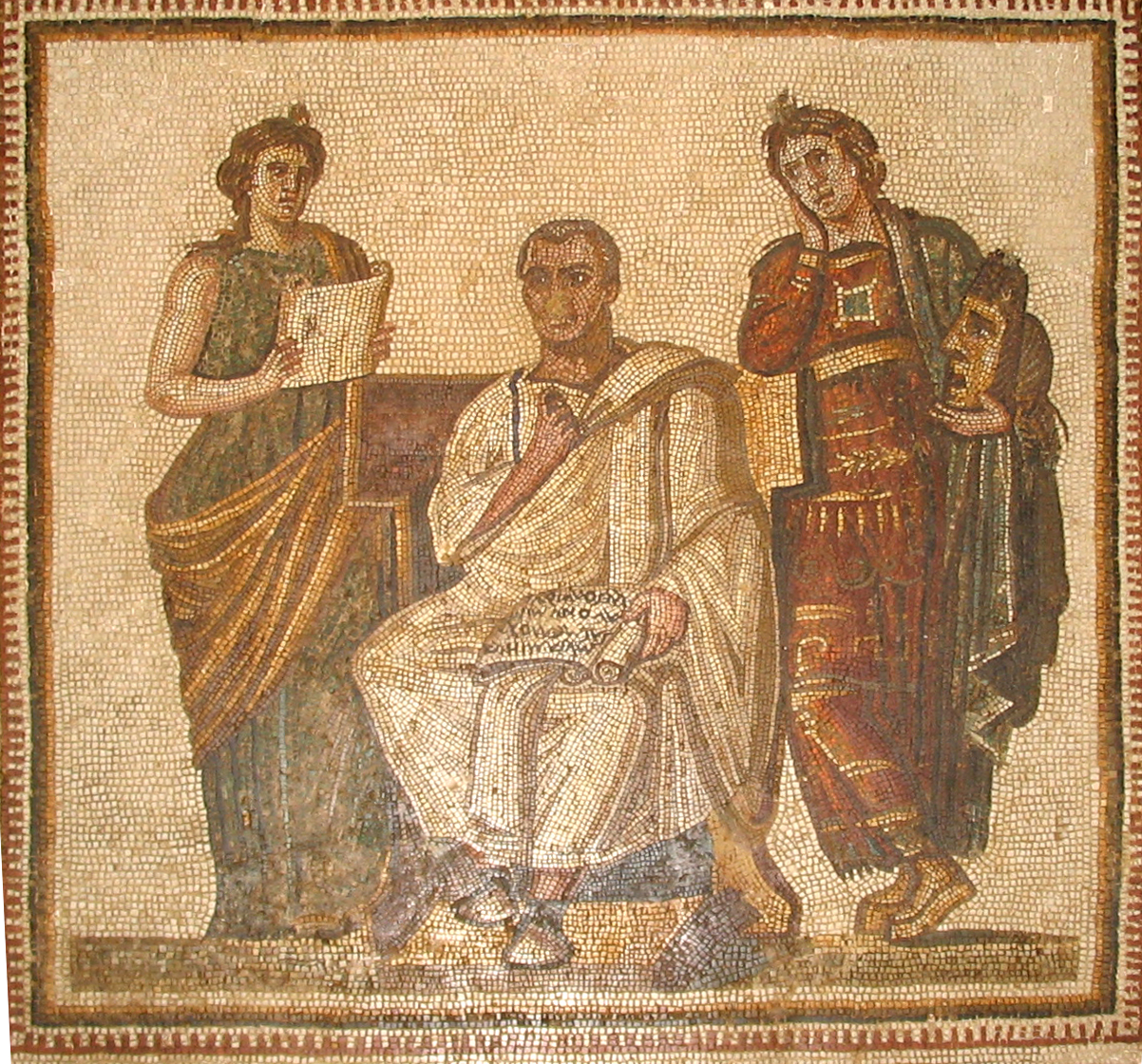 Happy Birthday to Publius Vergilius Maro, born this day in 70 BC in Lombardy, Italy. Virgil Reference (That’s Virgil in the middle up above between Clio and Melpomene)
Virgil is also characterized by having his nose missing in many of his portraits –
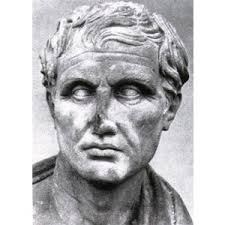
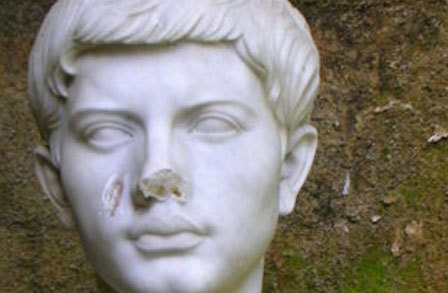 a coincidence? – maybe not . . .
Why am I looking up on tattoo Tuesday?
October 13, 2015I would like to see the auroras like this. I did catch a glimpse of them on a night-time drive in the middle of New York state when I was traveling with friends between Boston and Ohio. I also saw them briefly in a dark sky area of Ohio. But nothing as dramatic as this video. I don’t remember hearing any music, either.
Here are some tattoos:

 Thanks to Why, Because Science for the reference.
What is tattoo Tuesday about?
September 27, 2015
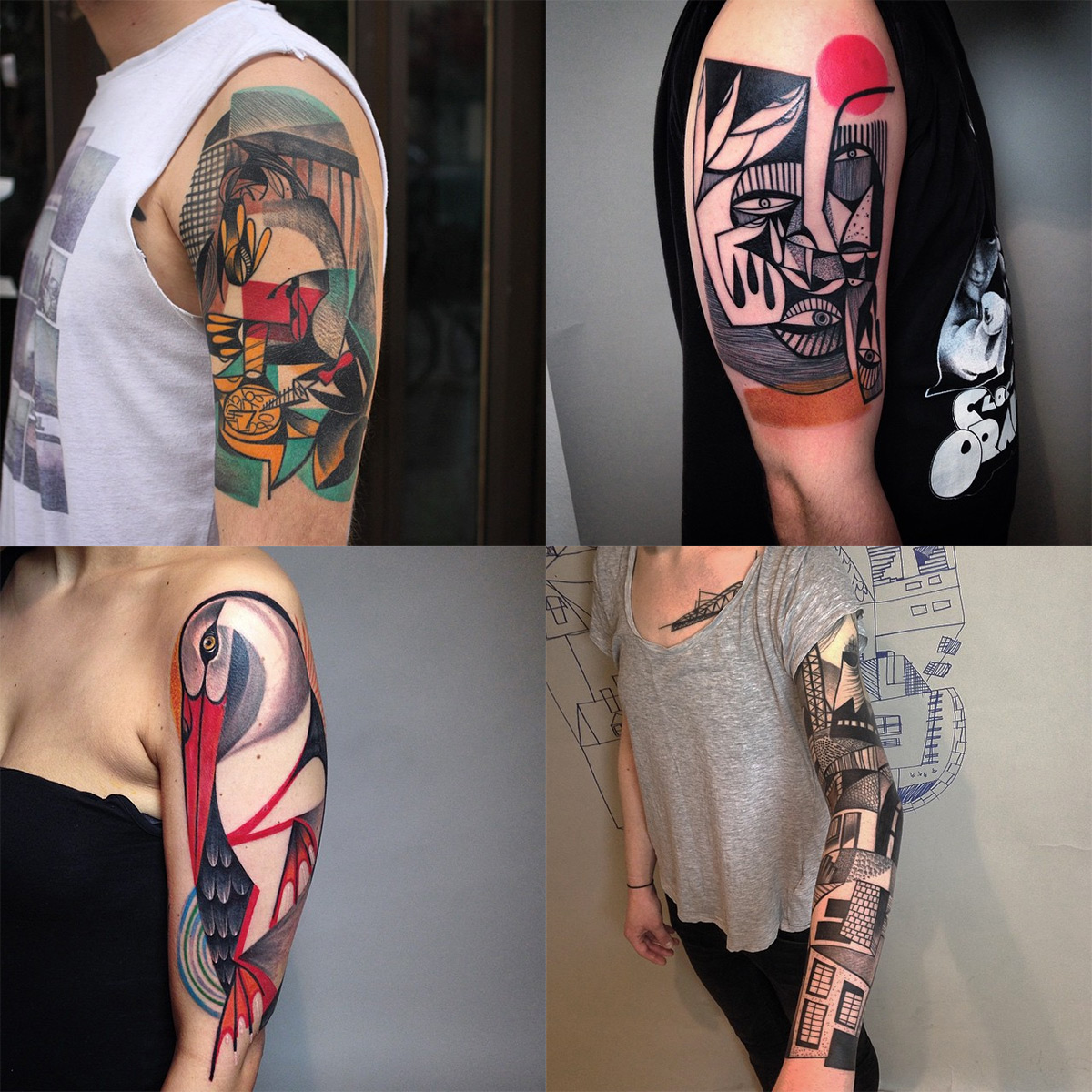
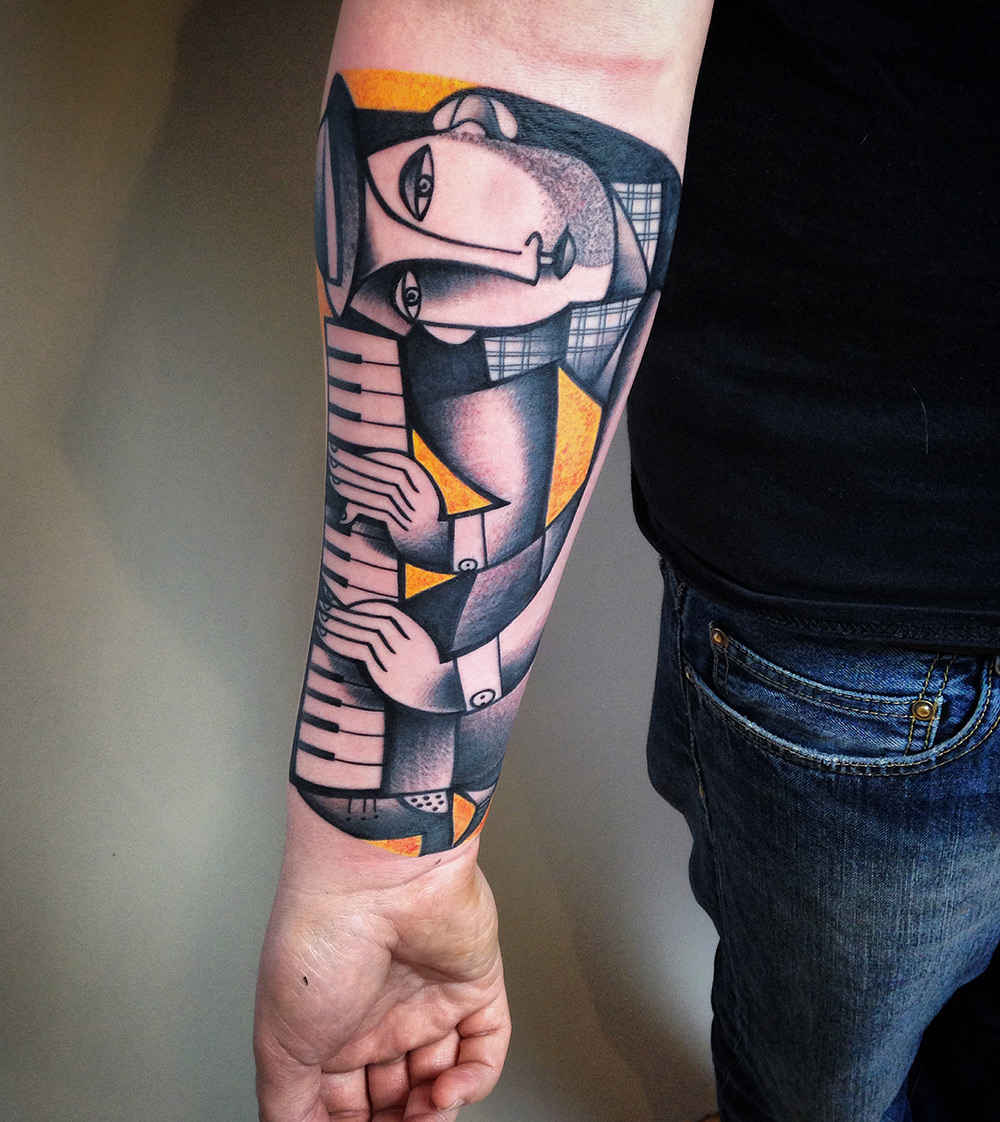
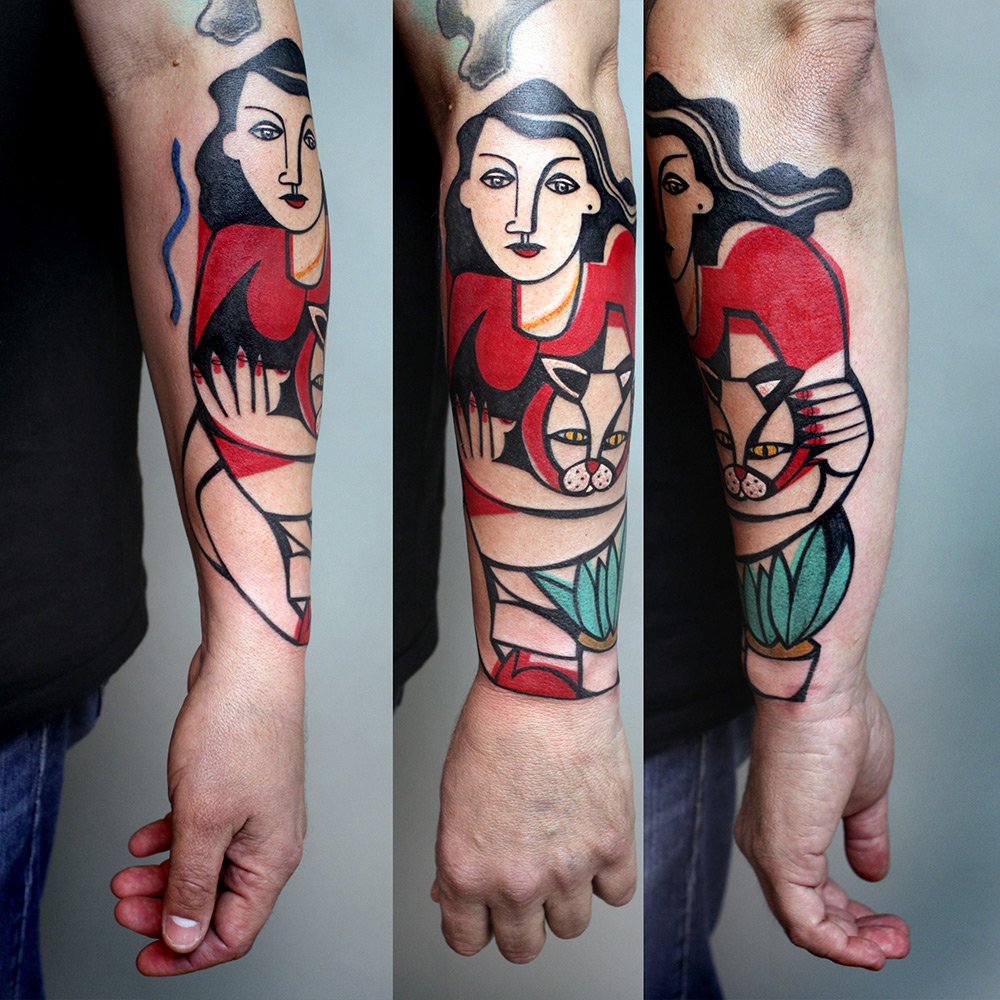
Based in a quiet undisclosed studio a short train ride outside of downtown Berlin, artist Peter Aurisch creates some of the most original tattoos in the city—and in a place with an estimated 2,000 tattoo artists, that’s saying something. To keep his ideas fresh and original, Aurisch may only begin planning a new piece when the client first arrives. He tends to work freehand without sketches or source imagery, and instead draws inspiration from stories and details provided by his customers.
What am I knitting?
September 23, 2015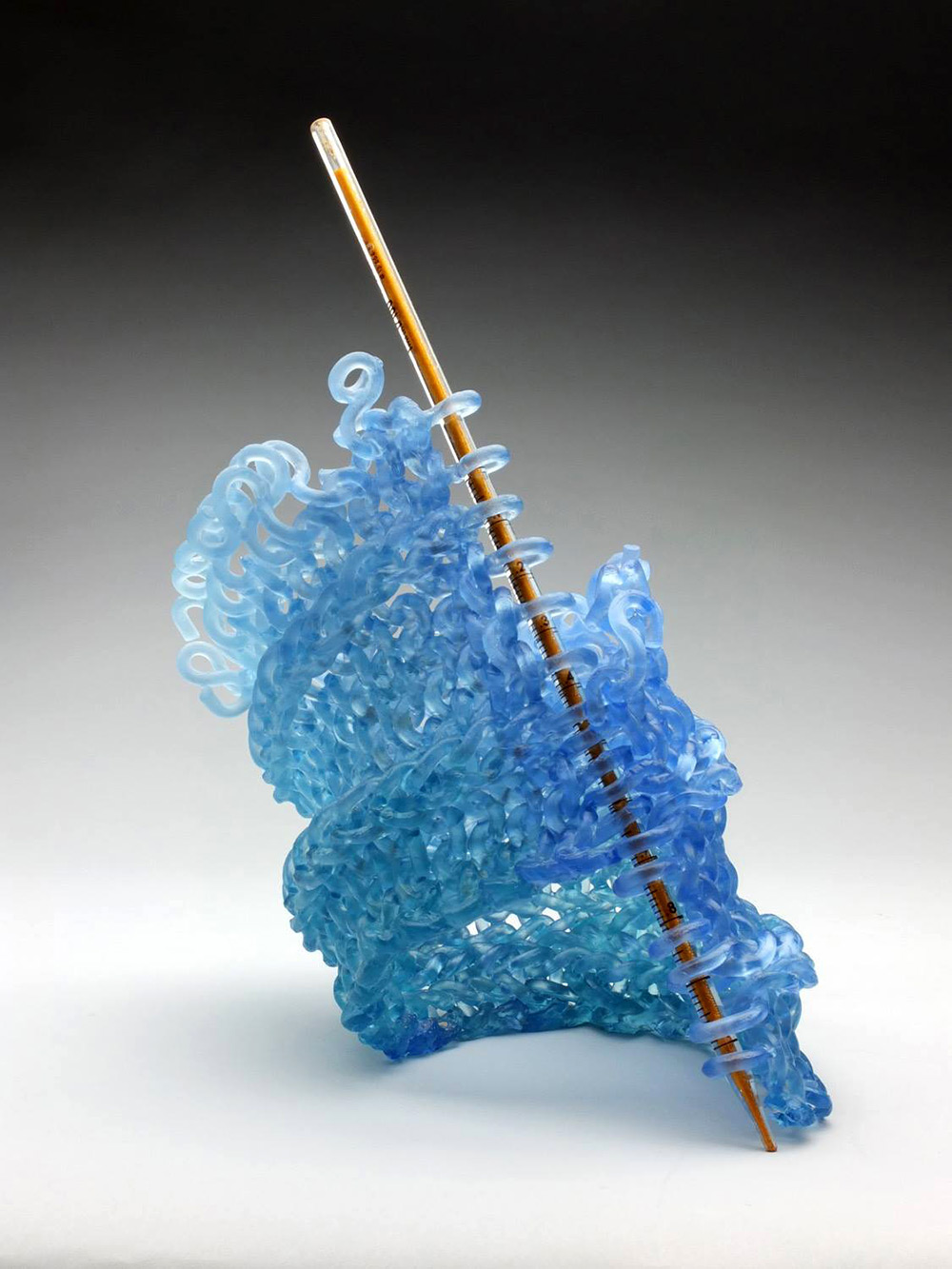
I am amazed by these knitted glass objects by Carol Milne.
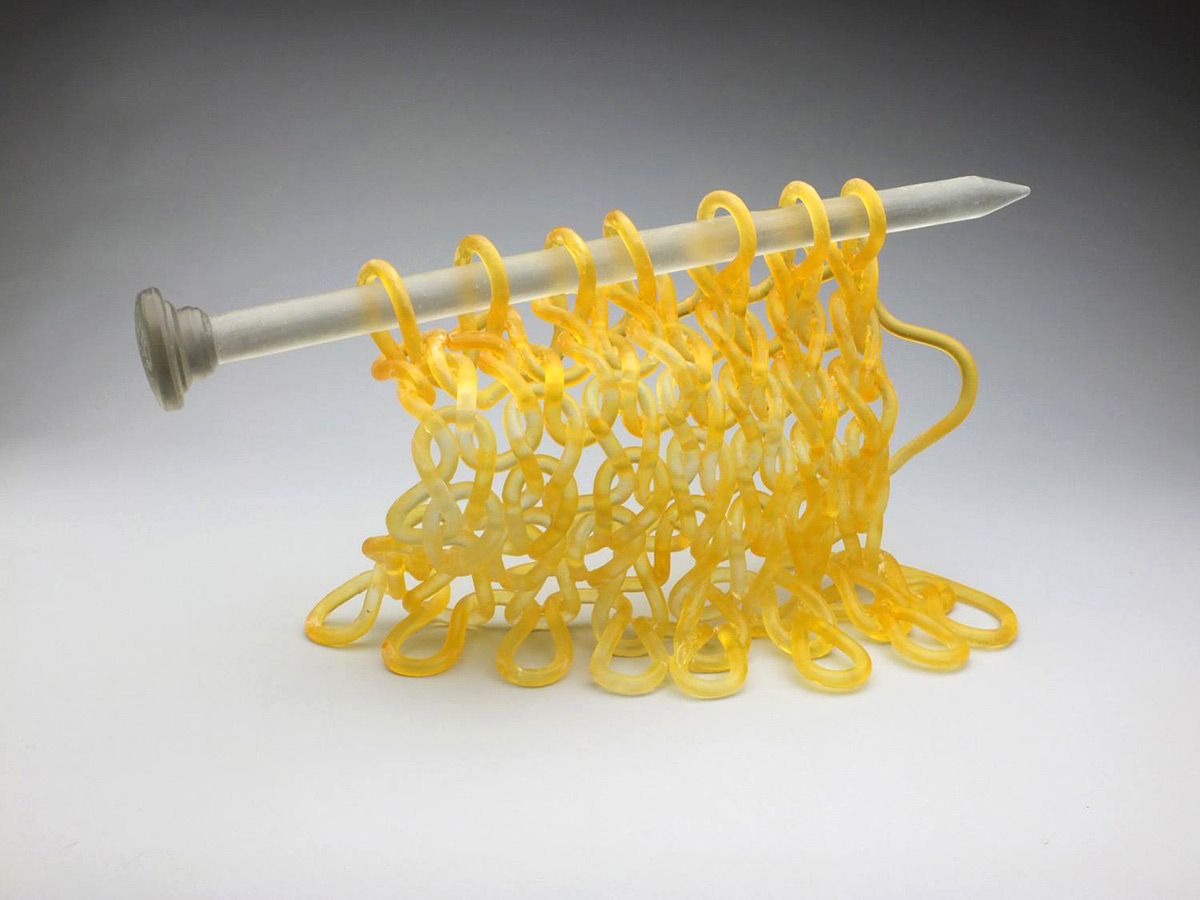
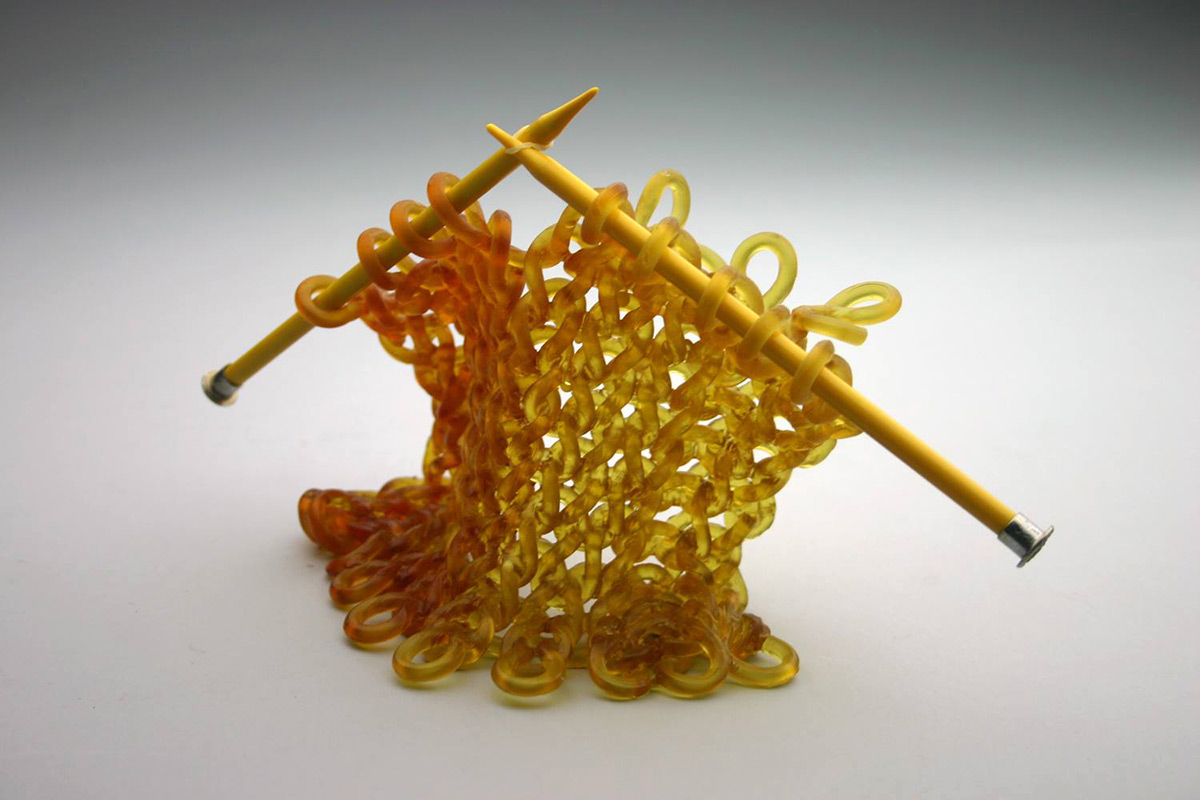

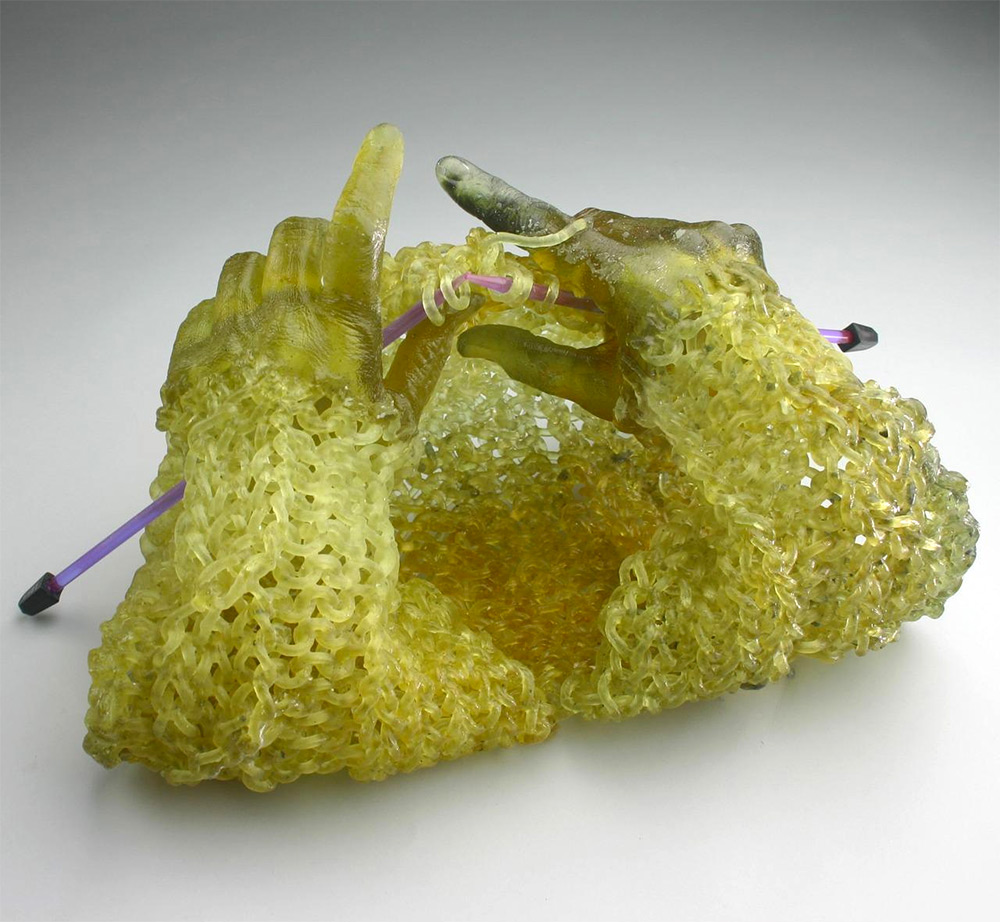
When first contemplating these glass sculptures by Seattle-based artist Carol Milne, your imagination runs wild trying to figure out how she does it. Glass has a melting point of around 1,500°F (815°C), so how could it possibly manipulated into neatly organized yarn-like strands that are looped around knitting needles. The answer lies in a technique invented by Milne in 2006 that involves aspects of knitting, lost-wax casting, mold-making, and kiln-casting.
First, a model of the sculpture is made from wax which is then encased by a refractory mold material that can withstand extremely high temperatures. Next, hot steam is used to melt the wax, leaving behind an empty cavity in the shape of the artwork. Pieces of room temperature glass are then placed inside the mold which is then heated to 1,400-1,600 degrees Fahrenheit depending on the type of glass. Afterward, the piece is slowly cooled over a period of several weeks, followed by a careful excavation process, where Milne delicately chips away like an archaeologist to reveal the final piece.
What do I think is pretty cool?
September 22, 2015
It’s Tuesday. Here is an unrelated, but amusing, tattoo.

Why am I impressed?
August 24, 2015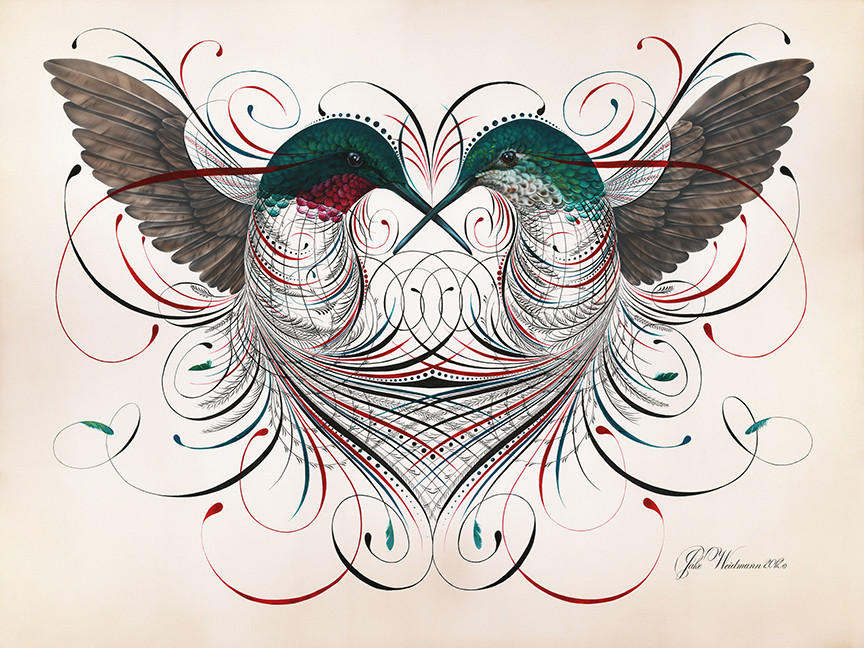
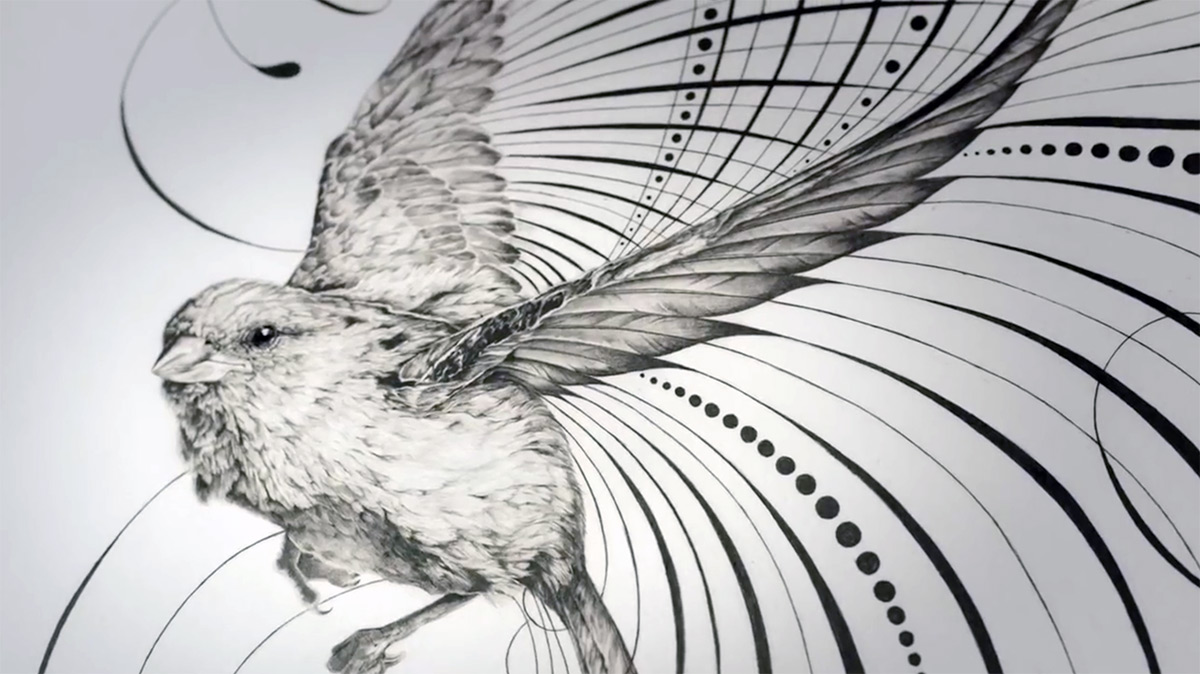
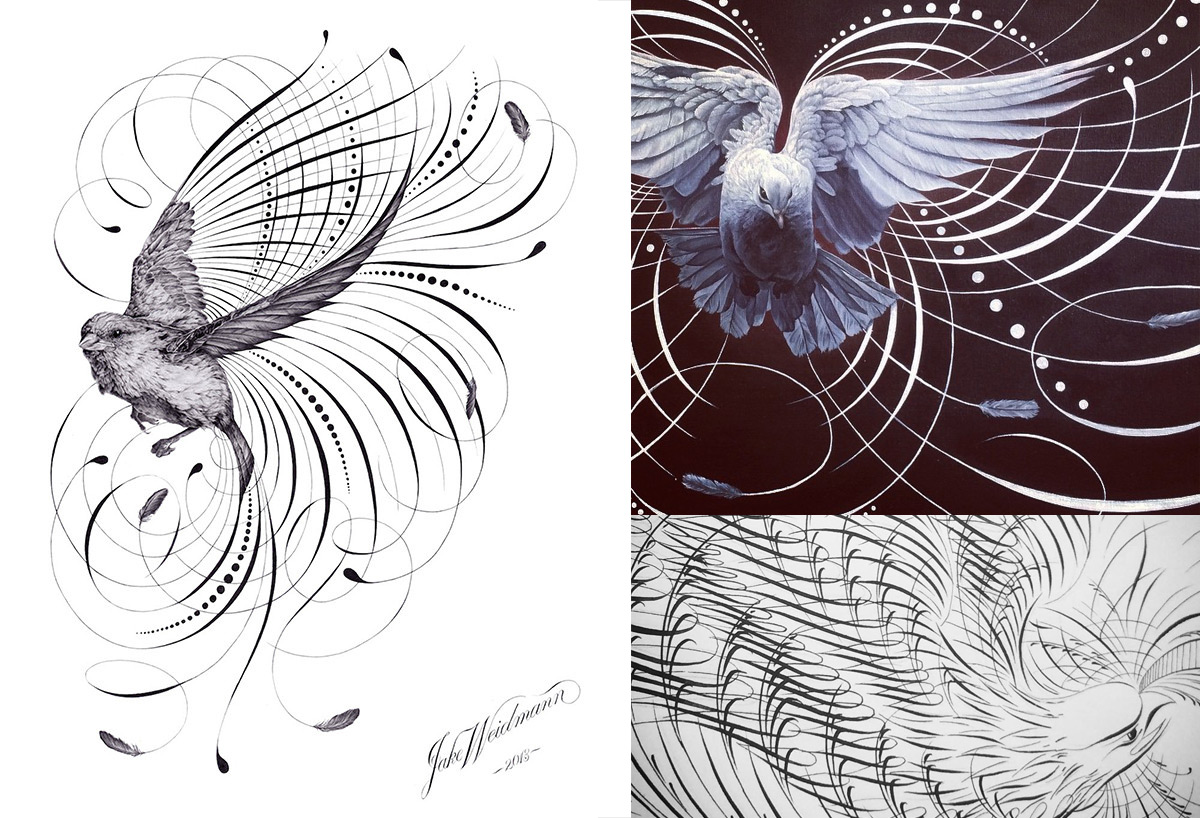
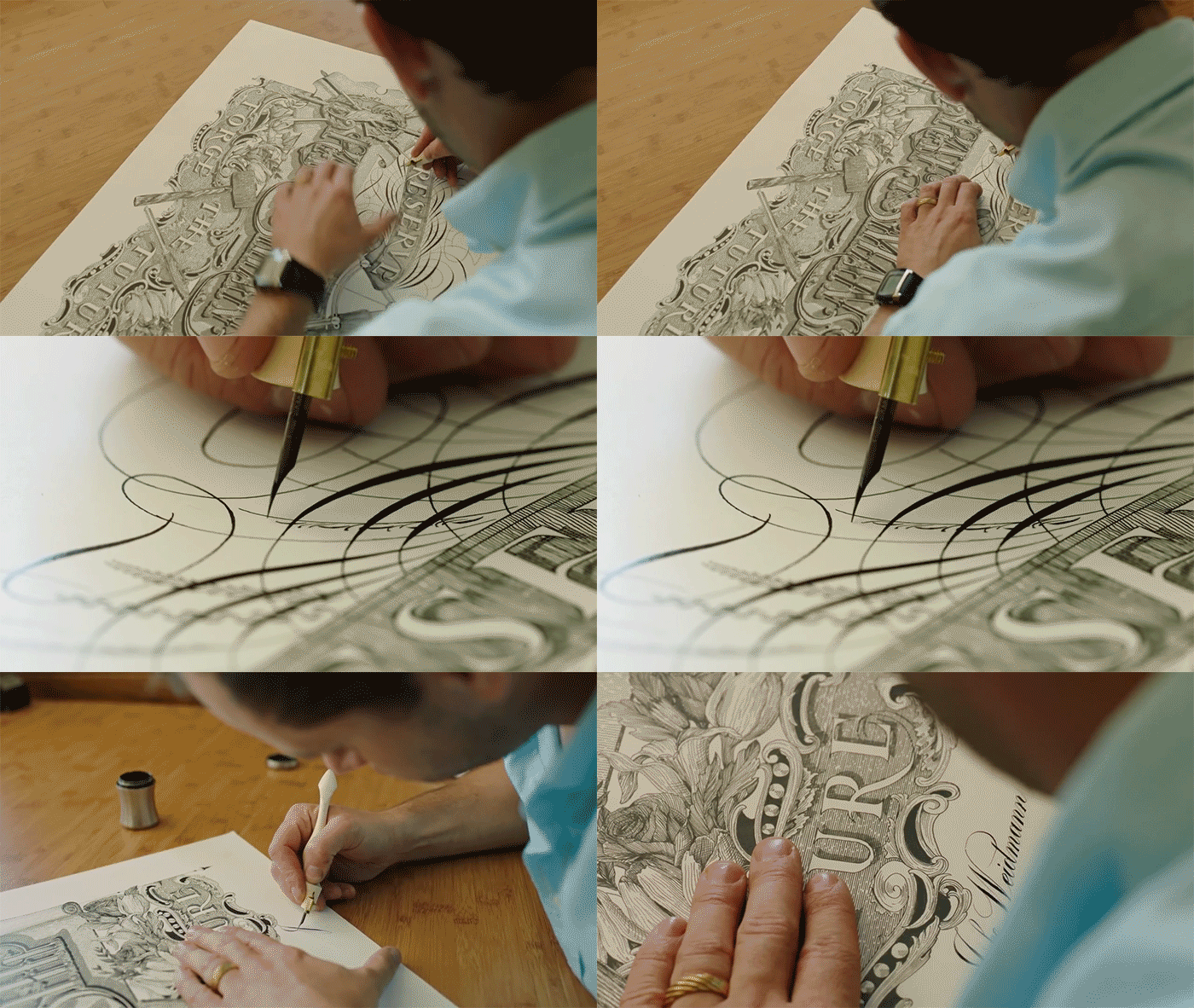
When in school, artist and penman Jake Weidmann watched as his classmates typed their notes in laptops. Weidmann instead took the old-fashioned approach and wrote everything longhand with pen and paper, using every opportunity to practice and perfect his exquisite penmanship. The hard work quickly paid off he’s now one of only a dozen people designated as a master penman—not to mention the youngest by three decades.








 Gunsmoke and Knitting