Posts Tagged ‘nature’

h1

What am I Lego loving?

April 10, 2014

lego room

“For a certain set of artists and thinkers, Legos are not mere child’s play, but objects of both abstract and formal perfection.”

When Bjarke Ingels, the visionary leader of the Danish architectural firm BIG, first heard about the competition to build the Lego House, a museum and activity center near the toy company’s headquarters in Billund, Denmark, he gathered his staff. “If there was one building that BIG was founded to build,” Ingels announced, “this is it.”

For Ingels, Lego proportions have a mystical perfection that “borders on the Da Vinci code.” Like most enthusiasts, Ingels refers to them as “bricks,” not “Legos”; he doesn’t see them as toys, but as tools for “systematic creativity.'”

lego 2

Some LEGO history:

“When Ole Kirk Kristiansen founded Lego in 1932, the company made wooden toys, but after World War II, it switched to plastic. The Lego brick as we know it today was developed in the mid-1950s. From the start, it was a feat of classic Scandinavian design: clean, practical, reliable and somewhat revolutionary with its “clutch power,” which made it easy to snap and unsnap. Today, Lego enthusiasts marvel that those first Legos still fit perfectly with the current ones, and that six identical eight-studded bricks can be combined in more than 900 million ways. “The human condition is, sadly, divisive,” the British television host James May said on an episode of his show “Toy Stories,” on which he explored a full-size house he built entirely out of Lego bricks. “But there are simple spiritual experiences that unite all of humanity in unqualified communal joy: sex, the dance, foot massage — and to those I would add the simple sensation of pressing Lego bricks together.””lego 4

This article is from the New York Times; it goes on to talk more about artists who are attracted to and who use LEGOs in their work.

I don’t think I posted this video of James May’s Toy Story that shows how a battalion of volunteers built him a LEGO house.  Here is a short clip of the results.
 

h1

Why am I shivering?

February 22, 2014

This has been a cold, cold winter for us in the old Western Reserve, and elsewhere along the Great Lakes.  This story is from New Scientist.

icecaves2

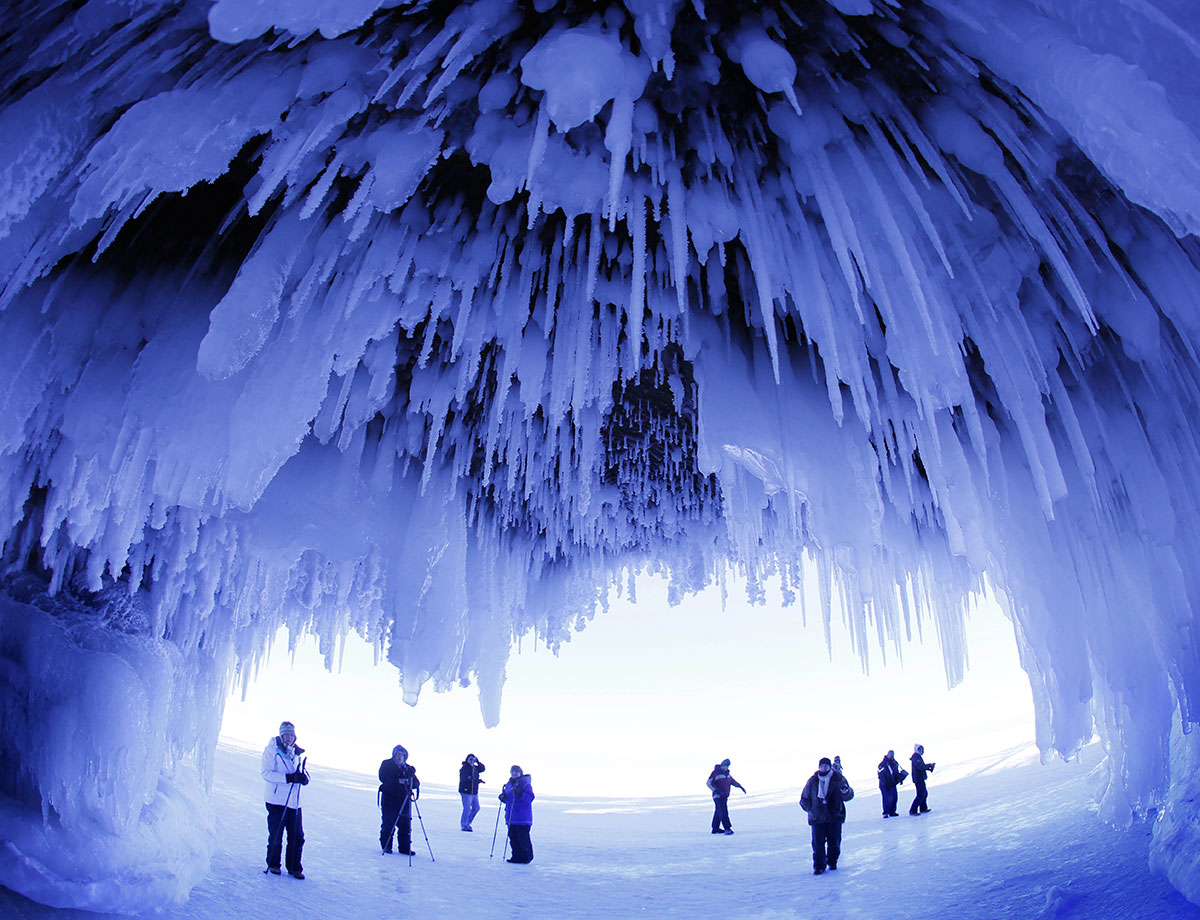
Look out below! These people appear doomed by a gigantic overhead explosion. But they’re safe. The firework-like formations are actually icicles formed by huge waves that batter the Apostle Islands sea caves in the south-west corner of Lake Superior, just off the coast of Wisconsin.

The caves are normally inaccessible. But the exceptionally cold weather in the US this year has led to almost record coverage of ice over the Great Lakes, creating a safe route to the caves for the first time since 2009.

icecaves1Frosted Lakes

(Image: NOAA)

An estimated 10,000 visitors have trekked over since the route was declared safe by the US National Parks Service on 15 January.

The Parks Service says that access could remain until as late as March, but warns visitors to take no chances with creaky ice on the lake, and to beware falling ice if they do make it to the caves.

h1

What am I sappy cat blogging?

February 21, 2014

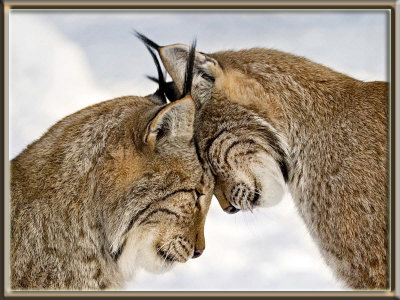
lynx2

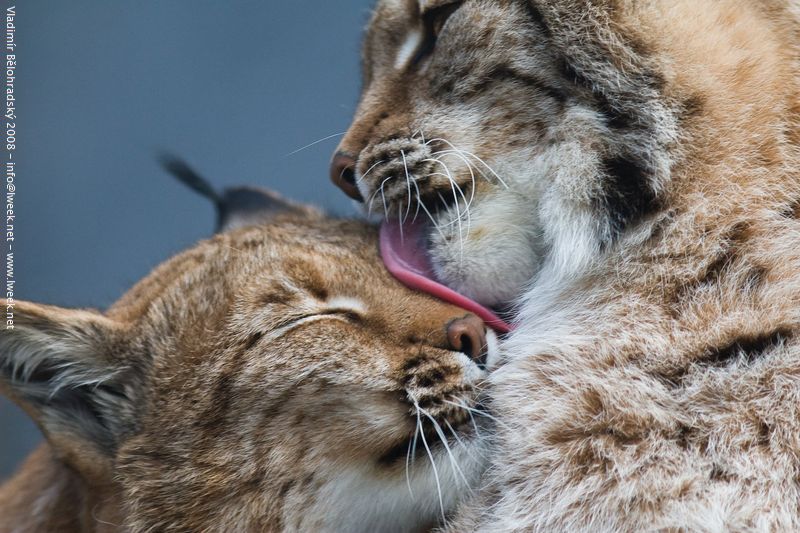
A walk on the wild side with a post about lynx – large, secretive, ear-tufted members of the cat family.

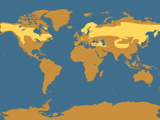
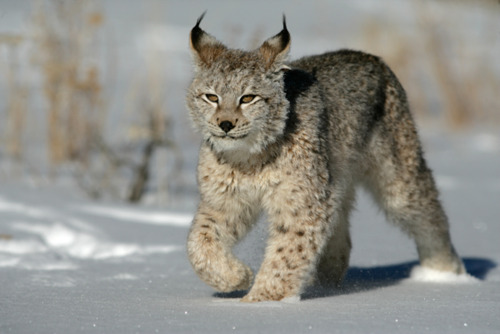
“The lynx is a solitary cat that haunts the remote northern forests of North America, Europe, and Asia. Lynx are covered with beautiful thick fur that keeps them warm during frigid winters. Their large paws are also furry and hit the ground with a spreading toe motion that makes them function as natural snowshoes.

These stealthy cats avoid humans and hunt at night, so they are rarely seen.

There are several species of lynx. Few survive in Europe but those that do, like their Asian relatives, are typically larger than their North American counterpart, the Canada lynx.”

Ref: National Geographic

lynx5Map shows where lynx are found.

Siberian lynxLynx lynx

lynx3

lynx4

h1

What is tattoo Tuesday about?

February 18, 2014

On February 18, 1930, Clyde W. Tombaugh, an assistant at the Lowell Observatory in Flagstaff, Arizona, discovered Pluto. For over seven decades, Pluto was considered the ninth planet of our solar system.

Now we know that is not the case.

This video was made by C G P Grey.

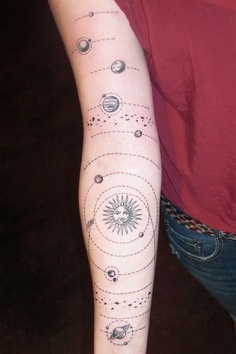
Pluto may not be a planet (one less object to memorize in elementary science class!), but it is the basis for some interesting tattoos:

pluto1

pluto3That’s Pluto up there at the top.

pluto5

pluto4

Still mourning the fact that Pluto is not a planet?  As Neil deGrasse Tyson says, “Get over it!”

h1

Where am I traveling?

February 17, 2014

I love these space-time travelogues and this one by the American Museum of Natural History is particularly well done.

h1

What it tattoo Tuesday about?

February 4, 2014

frost 5

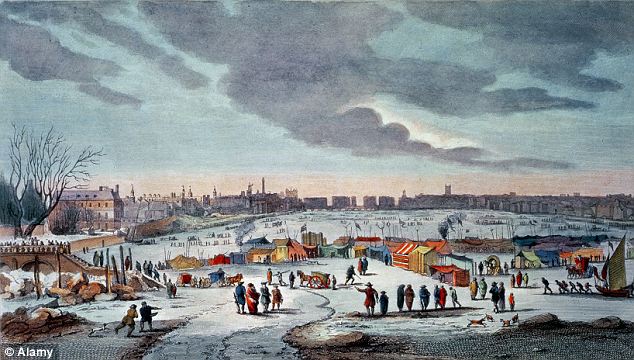
Today is King Frost Day – which harkens back to the Little Ice Age when temperatures in northern hemisphere, at least, were below normal.  This led to freezing in areas such as London, which were not normally so affected by the deep cold of winter.  Frost fairs were held that are reminiscent of other modern and ancient festivals held in the depth of winter.  These gatherings provided activity and entertainment, yet were probably rooted in other ancient festivals that marked not so much the long nights of winter as at the Solstice, but the hope that the warmth of the sun would not be too long in returning.

Today (February 4th) is King Frost Day, when the people of London used to celebrate the harbinger of the winter freeze by holding frost fairs on the frozen River Thames. Before embankment, when the river was wider and therefore flowed much slower, it would freeze in winter. Between the 15th century and early 19th century – a period known as the Little Ice Age – temperatures were much lower than they are now, and, during the Great Frost of 1683–84 (the worst recorded in England), the Thames was completely frozen for two months, with the ice reaching a thickness of 11 inches. People could easily walk from one side of the river to the other.

From the blog Prehistoric Shamanism

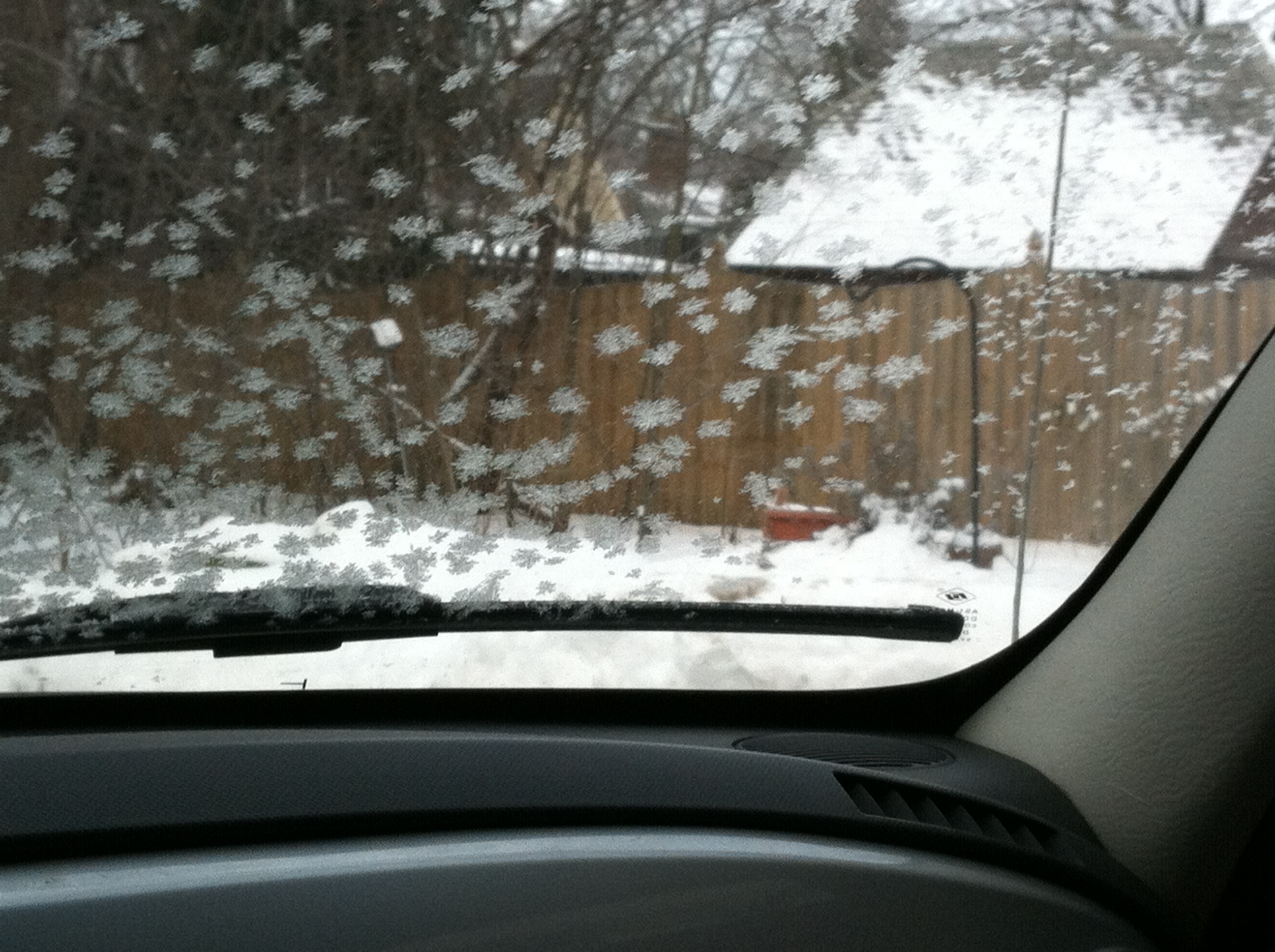
These are my frost photos from this morning:

IMG_1258IMG_1261

IMG_1263

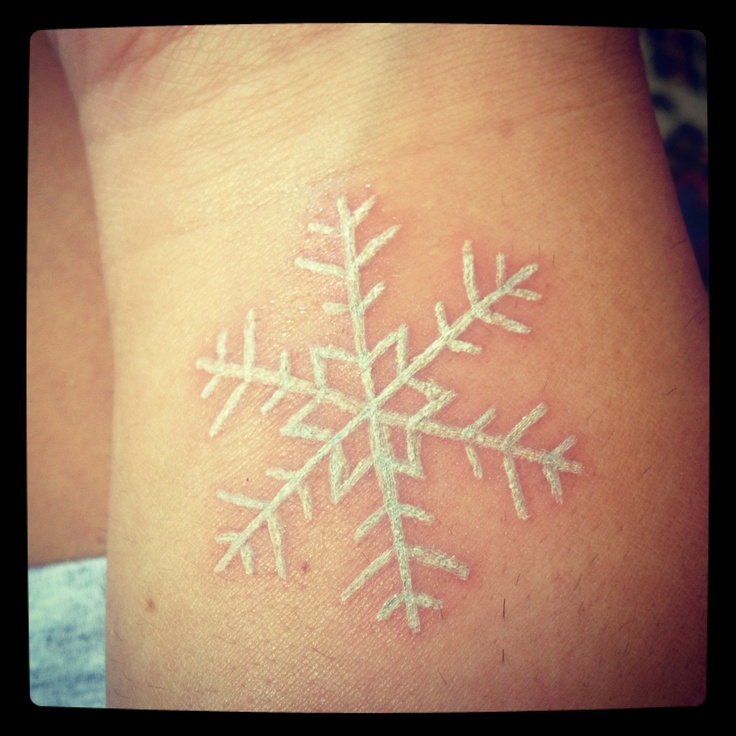
Here are some frosty tattoos:

frost2

frost3

frost1

h1

What is tattoo Tuesday about?

January 28, 2014

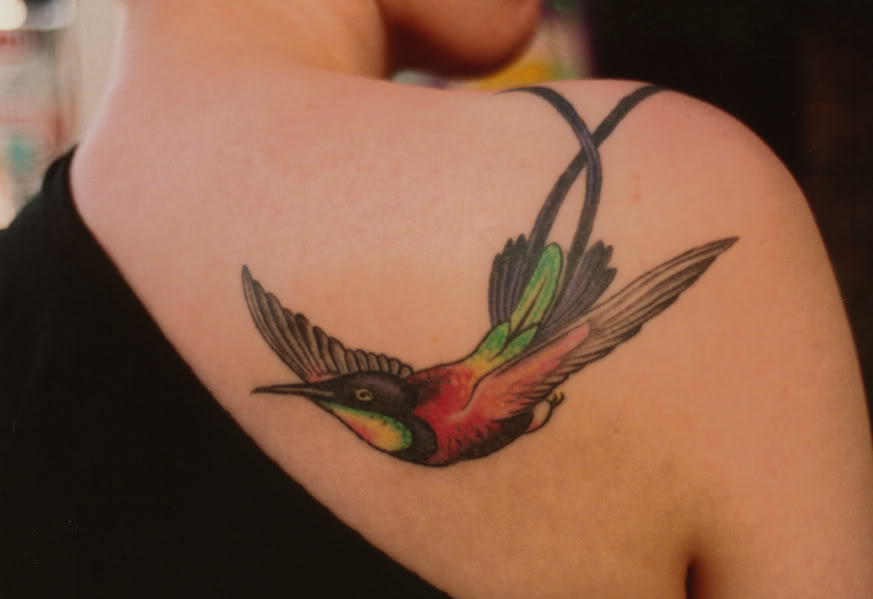
Today is National Kazoo Day, but believe it or not, I could not find a photo of a kazoo tattoo.  So here are some hummingbirds.

humming1

humming 2

humming 3

To make this more interesting, here is a video of baby hummingbirds from the time they hatched to fledging.

h1

Who discovered what today? Jan 18

January 18, 2014

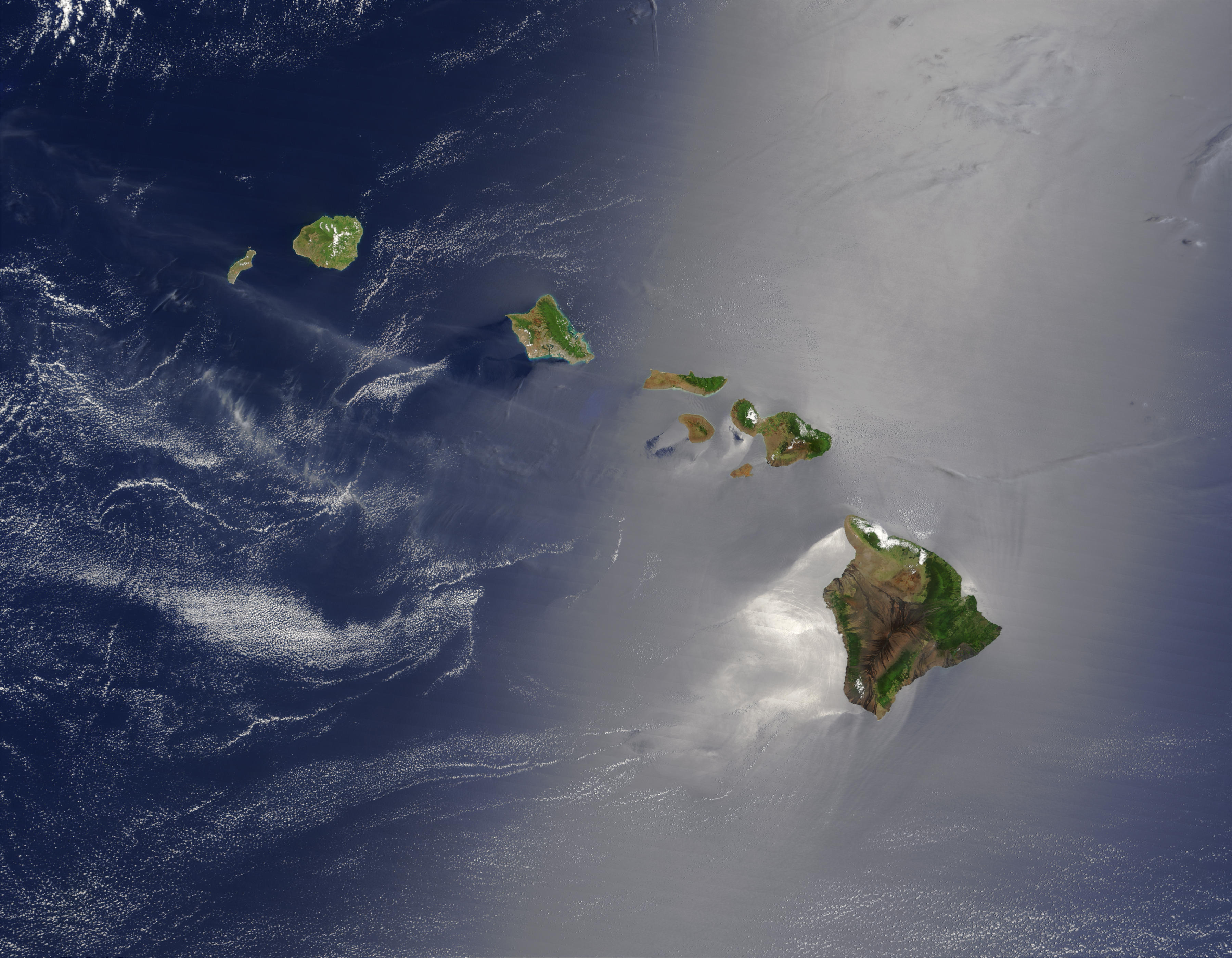
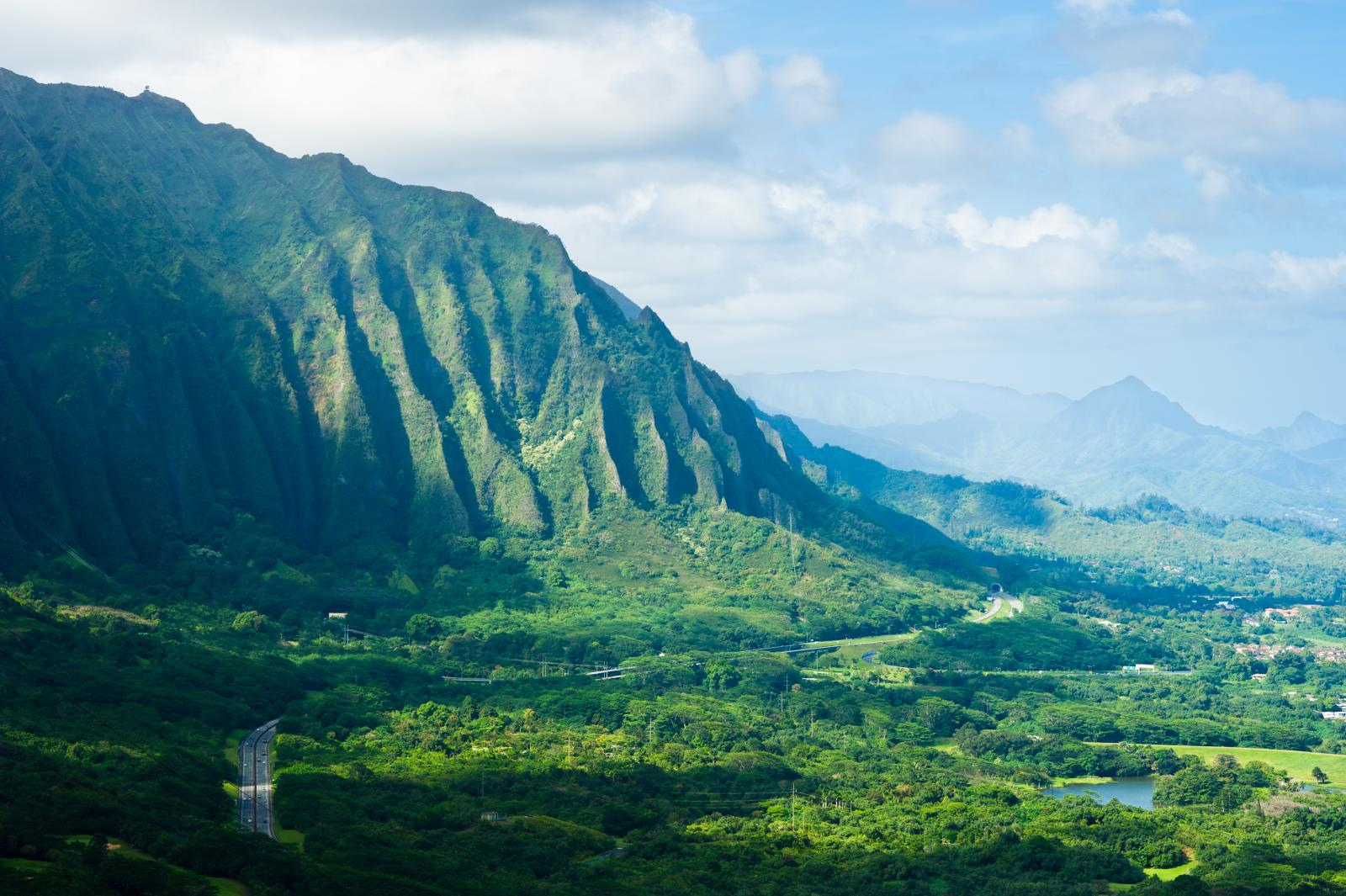
hawaii1

Captain James Cook discovered Hawaii on this day in 1778.

hawaii James-Cook-C

He looks pretty stern for a man who spent his life on ocean cruises.

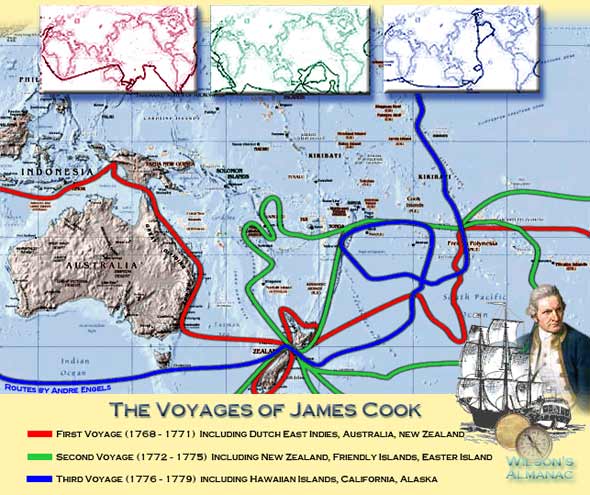
hawaii james voyages

From History.com:

On January 18, 1778, the English explorer Captain James Cook becomes the first European to discover the Hawaiian Islands when he sails past the island of Oahu. Two days later, he landed at Waimea on the island of Kauai and named the island group the Sandwich Islands, in honor of John Montague, who was the earl of Sandwich and one his patrons.

While the encounter started out brilliantly for the Europeans, it did not end well for them.  On a subsequent voyage, they were exposed as mortals and not the gods the Hawaiians first believed them to be and trouble reigned in this island paradise.  However, ultimately, things did not end well for the Hawaiians.

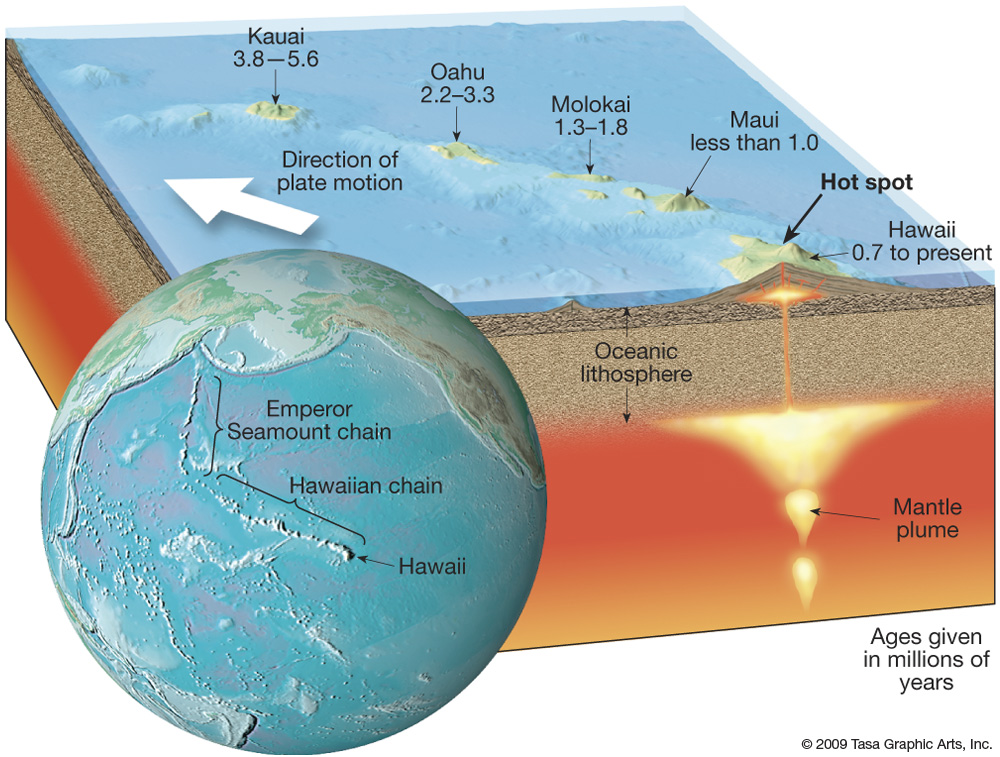
Here is a little geology information about the Hawaiian Islands that are traveling on the Pacific Plate over a hot spot on the ocean floor.

Hawaiian_Hotspot

And here are some more idyllic Hawaiian shots.

hawaii3

hawaii6

hawaii 4

My bags are packed – I’m ready to go.

h1

What am I sappy cat blogging?

January 10, 2014

Thanks to Katie for this week’s sappy cat post, which coincidentally ties in with Fashion Week.

kitty armor

Give your kittie the Xena look.  For more information, click this link to the Etsy site.

h1

What is tattoo Tuesday about?

December 17, 2013

squirrel Indian giant squirrel 2

Today is Squirrel Appreciation Day.  Squirrels inhabit every continent on earth, except Australia.  National Geographic says that there are over 200 squirrel species and that:

“Like other rodents, squirrels have four front teeth that never stop growing so they don’t wear down from the constant gnawing. Tree squirrels are the types most commonly recognized, often seen gracefully scampering and leaping from branch to branch. Other species are ground squirrels that live in burrow or tunnel systems, where some hibernate during the winter season.”

Squirrels range in size from the 5″ long African Pygmy Squirrel below (aww!) –

squirrel4

To the 36″ long Indian Giant Squirrel at the top of the page (eek!)

Here’s a map of where squirrels live (also from National Geographic:

squirrel map

And here are the tattoos which are surprisingly nice:

squirrel2

squirrel1

squirrel3