Posts Tagged ‘holidays’

h1

What am I flying?

April 14, 2016

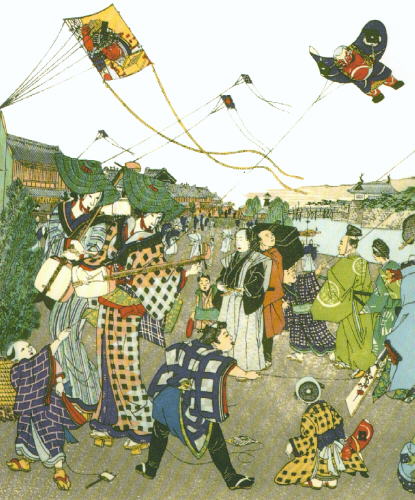
kite historyAccording to my calendar this is Go Fly a Kite day.  Kites were, it is said, invented in China over 2000 years ago, where there were ample resources for kite building such as silk and bamboo.

Marco Polo in 1295 was one of the first people to document kite construction and use.

Kites have been employed throughout history for purposes of military strategy, in the 18th century they were used by meteorologists in weather forecasting, and for scientific experimentation by Ben Franklin.

Kite flying remains a popular pastime today and I found photographs of many interesting ones.

kite whale

kite star

kite shark

kite floweer

kite bird

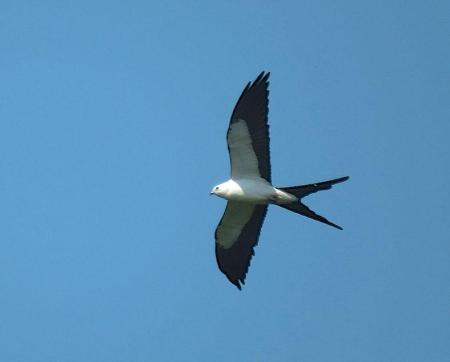
If you got this far  in the post, I will just say, “gotcha” because this kite is really a bird, a swallow tailed kite, or Elanoides forficatus

h1

What is tattoo Tuesday about?

April 12, 2016

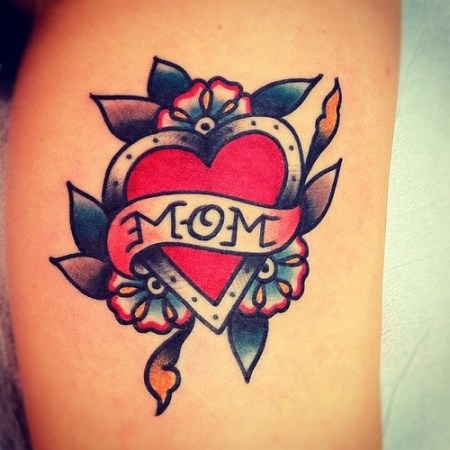
mom-tattoo

Today is my mother’s birthday.

h1

What am I celebrating today?

April 5, 2016


First Contact – April 5, 2063

I can’t wait!

h1

What am I celebrating?

March 14, 2016


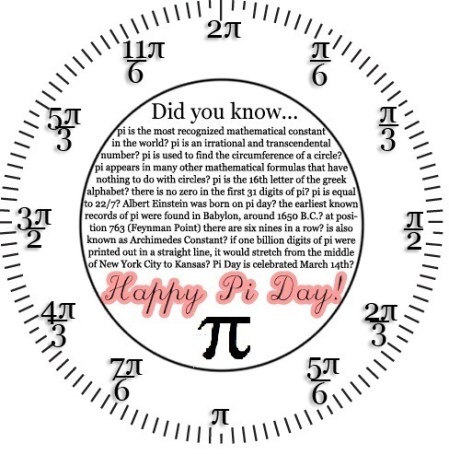
PIDAY

piday


pi day

h1

What am I celebrating today?

March 1, 2016

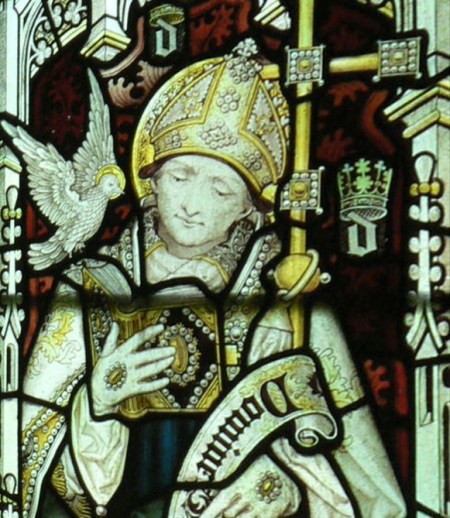
St_David

St David is the patron saint of Wales.  March 1 is his feast day.

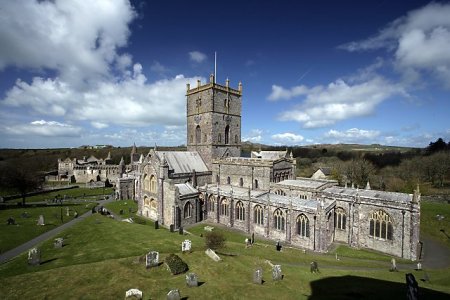
Saint David (Welsh: Dewi Sant) was born towards the end of the 5th century. He was a scion of the royal house of Ceredigion, and founded a Celtic monastic community at Glyn Rhosyn (The Vale of Roses) on the western headland of Pembrokeshire (Welsh: Sir Benfro) at the spot where St David’s Cathedral stands today.

St_David's_Cathedral_and_Bishop's_Palace_-_geograph.org.uk_-_774149

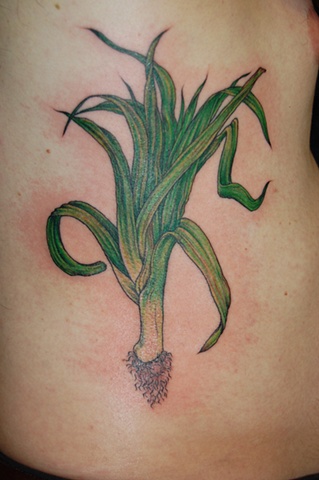
Many Welsh people wear one or both of the National symbols of Wales to celebrate St. David: the daffodil (a generic Welsh symbol) or the leek (Saint David’s personal symbol) on this day. The leek arises from an occasion when a troop of Welsh were able to distinguish each other from a troop of English enemy dressed in similar fashion by wearing leeks.

Source – Wikipedia

It is also tattoo Tuesday . . .

St David leek

St David-double-daffodil


h1

What am I celebrating?

February 29, 2016

leap-year-2016-5690429188079616-hp

This adorable Leap Year gif is from Google’s home page.

h1

What am I eating?

February 9, 2016

640px-Boris_Kustodiev_-_Shrovetide_-_Google_Art_Project

Russian artist Boris Kustodiev’s Maslenitsa (1916)

I never thought about the origin of Lent, so I was interested to read this history on Wikipedia:

“It is probably impossible to know when the tradition of marking the start of Lent began. Ælfric of Eynsham’s “Ecclesiastical Institutes” of about A.D. 1000 includes: “In the week immediately before Lent everyone shall go to his confessor and confess his deeds and the confessor shall so shrive him as he then may hear by his deeds what he is to do [in the way of penance]”.

Some suggest that the Pancake Tuesday was originally a pagan holiday. Before the Christian era, the Slavs believed that the change of seasons was a struggle between Jarilo, the god of vegetation, fertility and springtime, and the evil spirits of cold and darkness. People believed that they had to help Jarilo fight against winter and bring in the spring. The most important part of Maslenitsa week (the whole celebration of the arrival of spring lasted one week) was making and eating pancakes. The hot, round pancakes symbolized the sun. The Slavs believed that by eating pancakes, they got the power, light and warmth of the sun. The first pancake was usually put on a window for the spirits of the ancestors. On the last day of Maslenitsa week some pancakes and other food were burnt in a bonfire as a sacrifice to the pagan gods.”

I read somewhere that housekeepers wanted to use up all of the food that would spoil during the period of Lent and that is how Mardi Gras or Fat Tuesday came to be.  In the time before refrigeration butter, oil and meat might go off during the the 40 days of Lent and so were used up in Mardi Gras feasting.

In the festivals listed on Wikipedia, pancakes, green peas, and general merry making  feature in many cultures on this day before Ash Wednesday.

mardi gras tattoo

h1

What am I celebrating on tattoo Tuesday?

February 2, 2016

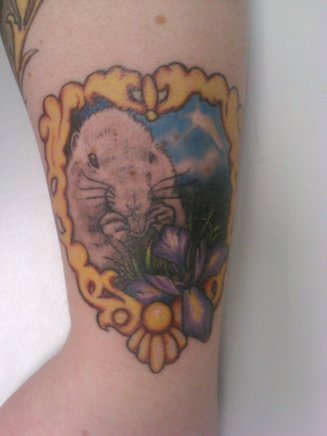
Happy Groundhog Day – or Whistle Pig Day!

From the video, you can see why they are sometimes called whistle pigs.

Woodchucks got their name from the Algonquins who called them “wuchak” or “digger.”   Woodchuck is a corruption of the Algonquin name. These large ground squirrels (Marmota monax) are also known as whistlers, ground pigs, thickwood badgers, and monax.  Baby woodchucks are called chucklings.

February 2 is also known as Candlemas and falls 40 days after Christmas. Lots of other ancient holidays and observances take place in the early part of February – probably when everyone is weary of the long, dark nights and has hopes for an early spring.

ghog

h1

What am I celebrating today?

January 26, 2016

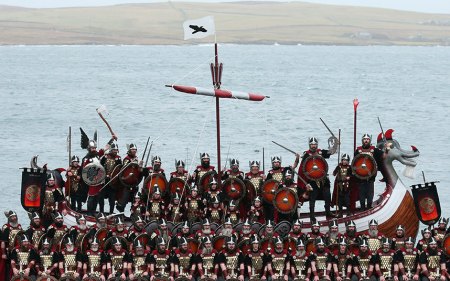
up helly aa 2016

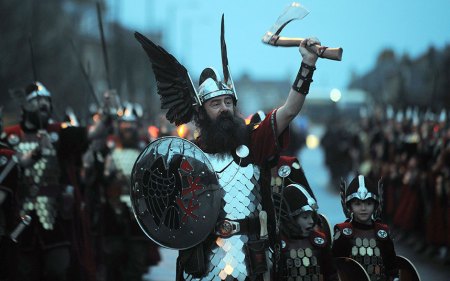
Call back the sun during Up Helly Aa – bonfires and carousing mark the end of the Yule season and a gradual return to longer days and shorter nights.

up hellyVikings_process_in_3559459k

up hellyVikings_queue_to_b_3559456k

Here, Vikings line up for breakfast before the ceremony.

There is a great photo story at the Telegraph.

Join the fun.

h1

What am I celebrating?

January 26, 2016

bubblewra[mature_o_554783

Bubble Wrap Appreciation Day – celebrated on the last Monday in January.  Bubble wrap was developed by two inventors, Alfred Fielding and Marc Chavannes, in 1958 in an attempt to create a dimensional wall paper.  That idea did not take off, but bubble wrap as packaging material has existed since 1960.

bubblewrapiris-van-herpen-luxury-bubble-wrap-costume

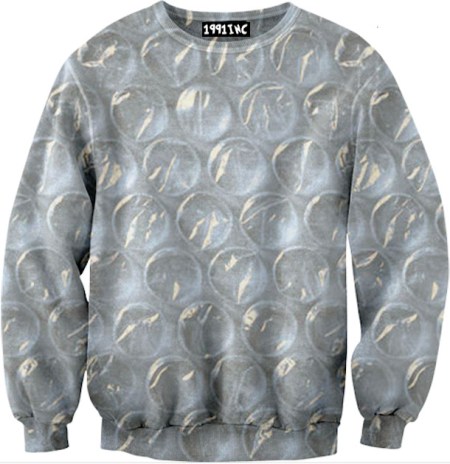
Bubble wrap is also an interesting fabric for high fashion and casual wear.

bubble-wrap-sweatshirt-1-27-14

You can also get a virtual bubble wrap app for your Android or iPhone.