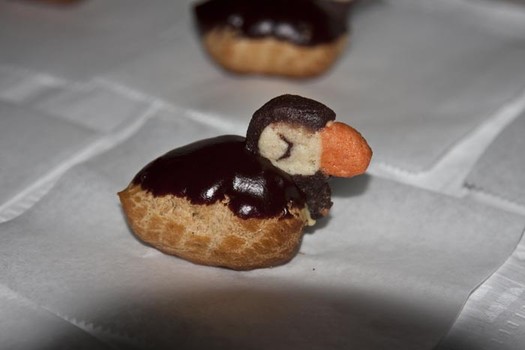
Pie has a broad interpretation in Rockland, including the cute little puffin cream puff pictured above.
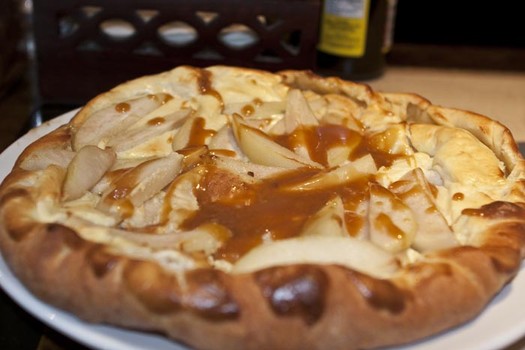
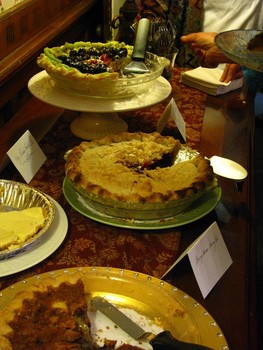
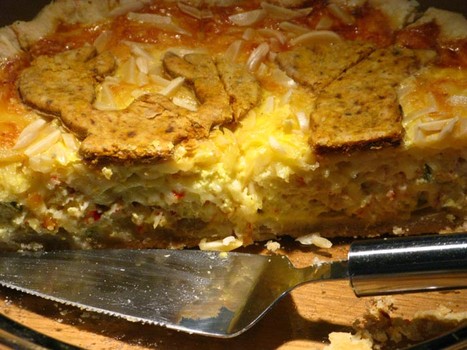
“Pie” as a term of art here in Rockland, is broadly interpreted and includes not only the fruit pies that we all love but savory pies and pizza pies as well. You’ll find all of the old favorites, apple, blueberry (of course, this is Maine which is famed for its wild blueberries), cherry, pumpkin and even lemon meringue. Maine is also notable for the Whoopee Pie and these are also very much on the menu, including delicious examples made from the exotic oils and vinegars at Fiore on Main Street. But you will also find heartier fare such as real mincemeat pie, quiches of several varieties, the Franco-Canadian special holiday meat pie – tourtiere, and several varieties of pizza, among other choices. Perhaps the most entrancing offering are the tiny puffin “Cream Puffins” at the Maine Audubon Puffin Project.
The game Scrabble has a history dating back to at least 1938, when a board game based on Lexiko (which had no board) was designed by Alfred Butts, an architect living New York. Butts did an analysis of the frequency of letters in the English language to determine how many tiles of each letter should be included in the game. Here is his tally sheet.
(from Wiki)
The game passed from company to company, and varied in design. It had been around in the US for a while, but was sold for this first time in Australia and the UK on January 19, 1955.
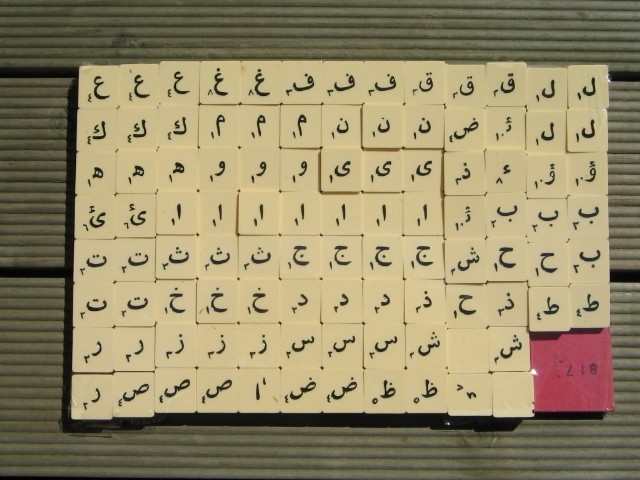
Scrabble remains a popular game, now with on-line versions available. The game is available in 31 different languages including Afrikaans and Croatian. The tiles below represent neither of those languages.
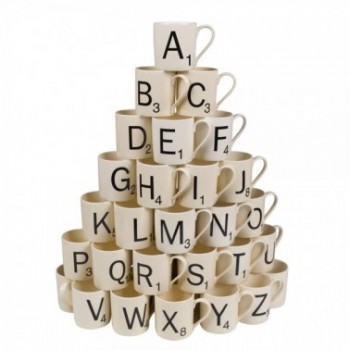
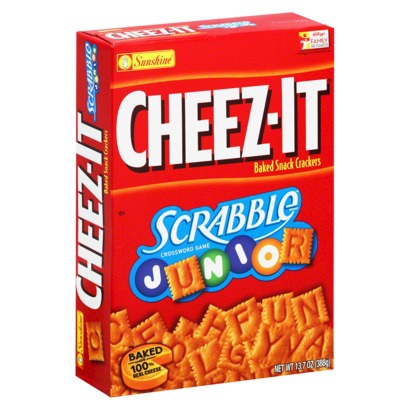
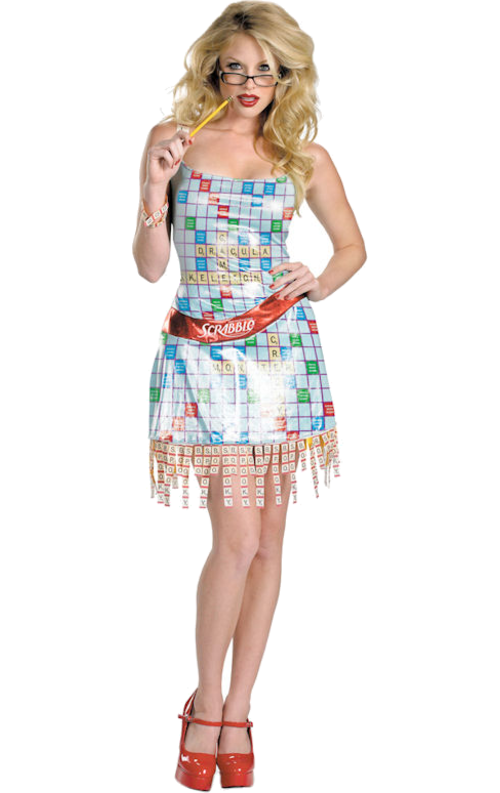
Scrabble has been the influence for a number of different products over the years, such as those below:
According to fashion historians, the top hat may have descended directly from the sugarloaf hat; otherwise it is difficult to establish provenance for its creation. Gentlemen began to replace the tricorne with the top hat at the end of the 18th century; a painting by Charles Vernet of 1796, Un Incroyable, shows a French dandy (one of the Incroyables et Merveilleuses) with such a hat. The first silk top hat in England is credited to George Dunnage, a hatter from Middlesex, in 1793.[5] The invention of the top hat is often erroneously credited to a haberdasher named John Hetherington.
There is are a lot of other interesting “facts” onWiki.
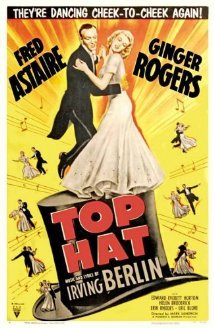
Also, here is a nod to the 1935 Fred Astaire, Ginger Rogers film, Top Hat.
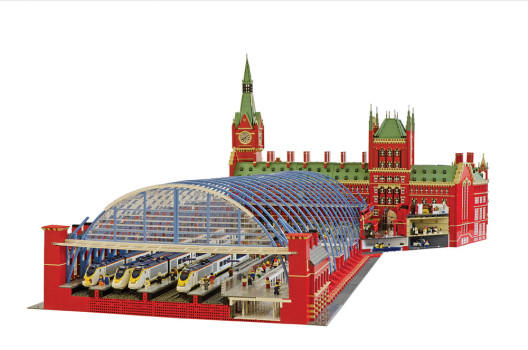
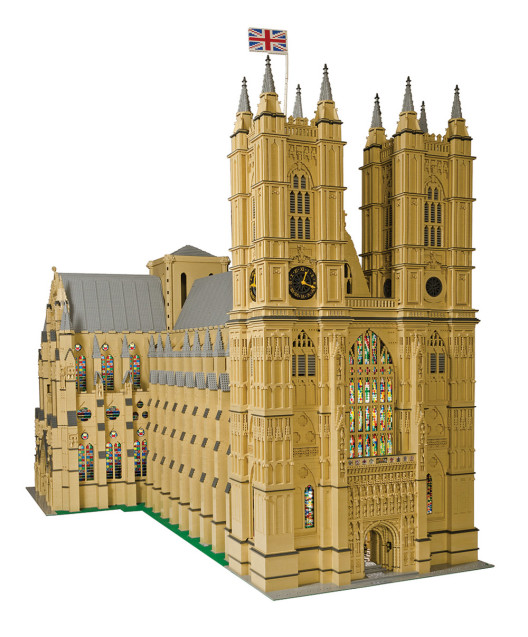
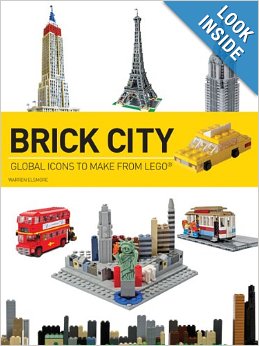
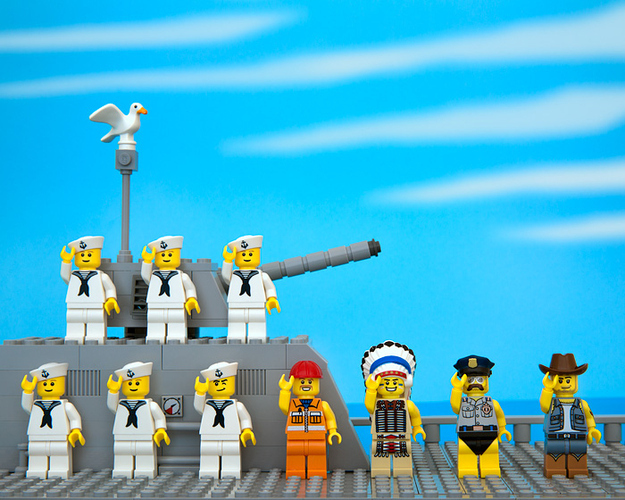
“In 1958, the modern brick design was developed, and it took another five years to find the right material for it, ABS (acrylonitrile butadiene styrene) polymer.Before they used ABS they used a plastic called Cellulose Acetate. The modern Lego brick was patented on 28 January 1958, and bricks from that year are still compatible with current bricks.”
















 Gunsmoke and Knitting