Posts Tagged ‘baking’

h1

What am I eating today?

November 17, 2014

breadToday is Homemade Bread Day

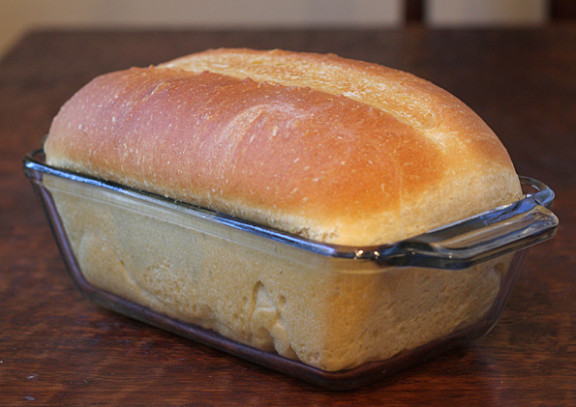
What could be better than a slice of golden-crusted homemade bread, warm from the oven, with melty butter – a symphony of aroma, sight and taste.  Heaven!

I thought this was interesting:

Partly because of its importance as a basic foodstuff bread has a social and emotional significance beyond its importance in nutrition; it plays essential roles in religious rituals and secular culture. Its prominence in daily life is reflected in language, where it appears in proverbs, colloquial expressions (“He stole the bread from my mouth”), in prayer (“Give us this day our daily bread”) and even in the etymology of words such as “companion” and “company” (literally those who eat/share bread with you.  Ref. Wiki.

Some people are afraid of bread baking – nothing could be simpler.  The only caveat is to keep the of the liquids at a temperature that will nurture and not kill the yeast (between 110 and 115 degrees F) – use an “instant” read thermometer – no surprises.  Other than that – and allowing enough time for the dough to rise – you can make good bread in an infinite number of ways.  I read a lot of recipes, but when I make bread I tend to wing it.  Sometimes I use milk for the liquid, sometimes water, sometimes I add an egg, sometimes, not.  I vary the sugar source (food for the yeast) at my whim – sugar, or malted syrup, or honey, or agave syrup, etc. I usually make white bread and have found that bread flour helps make a loaf with body.  Sometimes I add flaked wheat, or seeds – flax, sunflower, etc.)

I have learned that if you watch the temperature when adding the liquid to the yeast, take time to bloom the yeast, either scald the milk (if using) to a simmer, or use dry milk, and don’t add the salt directly to the yeast (mix it into the dry ingredients) you should not have any trouble baking a respectable loaf of bread.  Hand knead or machine knead; bread machine or old school baking.  It will be delicious!

Here’s a basic recipe for a white sandwich loaf from King Arthur Flour (wonderful people):

3 cups King Arthur Unbleached All-Purpose Flour*
1/2 cup milk (skim, 1%, 2% or whole, your choice)**
1/2 to 2/3 cup hot water, enough to make a soft, smooth dough**
4 tablespoons (1/2 stick) melted butter or vegetable oil
2 tablespoons sugar
1 1/4 teaspoons salt
1 packet active dry yeast dissolved in 1 tablespoon warm water OR 2 teaspoons instant yeast

*For added whole-grain goodness, substitute great-tasting King Arthur 100% White Whole Wheat Flour for up to half of the all-purpose flour in this recipe.

**Mix the cold-from-the-refrigerator milk with 1/2 cup of the hot-from-the-tap water to make a lukewarm combination.

Mixing: In a large bowl, combine all of the ingredients and stir till the dough starts to leave the sides of the bowl. Transfer the dough to a lightly greased surface, oil your hands, and knead it for 6 to 8 minutes, or until it begins to become smooth and supple. (You may also knead this dough in an electric mixer or food processor, or in a bread machine set to the dough or manual cycle). Transfer the dough to a lightly greased bowl, cover the bowl, and allow the dough to rise till puffy though not necessarily doubled in bulk, about 1 to 2 hours, depending on the warmth of your kitchen.

Shaping: Transfer the dough to a lightly oiled work surface, and shape it into an 8″ log. Place the log in a lightly greased 8 1/2″ x 4 1/2″ loaf pan, cover the pan loosely with lightly greased plastic wrap, and allow the bread to rise for about 60 minutes, until it’s domed about 1″ above the edge of the pan. A finger pressed into the dough should leave a mark that rebounds slowly.

Baking: Bake the bread in a preheated 350°F oven for 30 to 35 minutes, until it’s light golden brown. Test it for doneness by removing it from the pan and thumping it on the bottom (it should sound hollow), or by measuring its interior temperature with an instant-read thermometer (it should register 190°F at the center of the loaf). Remove the bread from the oven, and cool it on a wire rack before slicing. Store the bread in a plastic bag at room temperature. Yield: 1 loaf.


h1

What am I baking?

November 16, 2014

baklavaTomorrow is Baklava Day . . . and this is what I was baking.

Baklava Ottoman Turkish: باقلوا  is a rich, sweet pastry made of layers of filo filled with chopped nuts and sweetened and held together with syrup or honey. It is characteristic of the cuisines of the former Ottoman Empire, and is also found in Central and Southwest Asia.  (Wikipedia)

I have always enjoyed baklava, but never attempted making it until now.  It turns out, it is dead easy to make – and delicious.  I followed Ree Drummond’s recipe, using a combination of walnuts, butternuts and pecans to create my baklava.

Here’s the recipe:

Ingredients

  • 1 package Phyllo Dough
  • 4 cups Chopped Walnuts Or Pecans
  • 1 teaspoon Cinnamon
  • 1-1/2 stick Butter, Melted
  • 2 cups Honey
  • 1/2 cup Water
  • 1/2 cup Sugar
  • 3 teaspoons Vanilla Extract

Preparation Instructions

Remove phyllo dough package from freezer and place in the fridge for 24 hours to thaw. Remove from fridge 1 hour before using.

When working with the phyllo dough, only remove the sheets you immediately need, keeping the other sheets covered in plastic wrap, then a damp cloth.

Toss together the chopped walnuts and cinnamon. Set aside.

Preheat oven to 350 degrees. Thoroughly butter a rectangular baking pan. Make sure the sheets of phyllo will generally fit the pan (if they’re a little bigger, that’s okay.) If they’re much bigger, just trim them with a sharp knife.

Butter the top sheet of phyllo with melted butter, then grab it and the unbuttered sheet below it. Set the two sheets in the pan, buttered sheet face down. Press lightly into the pan. Repeat this twice more, so that you have six sheets of phyllo in the pan, three of the sheets buttered.

Sprinkle on enough walnuts to make a single layer. Butter two sheets of phyllo and place them on top of the walnuts. Add more walnuts, then two more buttered phyllo sheets. Repeat this a couple more times, or until you’re out of walnuts. Top with 4 more buttered phyllo sheets, ending with a buttered top. Cut a diagonal diamond pattern in the baklava using a very sharp knife.

Bake for 45 minutes, or until the baklava is very golden brown.

While the baklava is baking, combine 1 stick of the butter, honey, water, sugar, and vanilla in a saucepan. Bring to a boil, then reduce the heat to low.

When you remove the baklava from the oven, drizzle half the saucepan evenly all over the top. Allow it to sit and absorb for a minute, then drizzle on a little more until you think it’s thoroughly moistened. You’ll likely have some of the honey mixture leftover, which you can drink with a straw. Just kidding.

Allow the baklava to cool, uncovered, for several hours. Once cool and sticky and divine, carefully remove them from the pan and serve with coffee (or give as gifts!)

h1

What am I eating?

October 8, 2014

ikea2

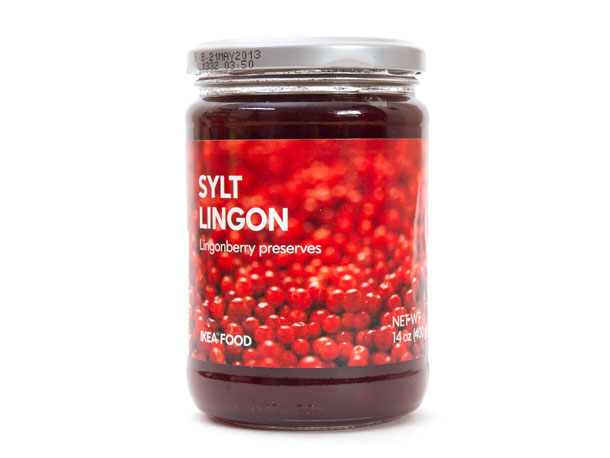
I love the Serious Eats newsletter and have found some truly terrific recipes there (thanks, Jessica, for telling me about it!)

I had to share this posting, however, about all the food at IKEA.  Some people, apparently go there for the food.

ikea1

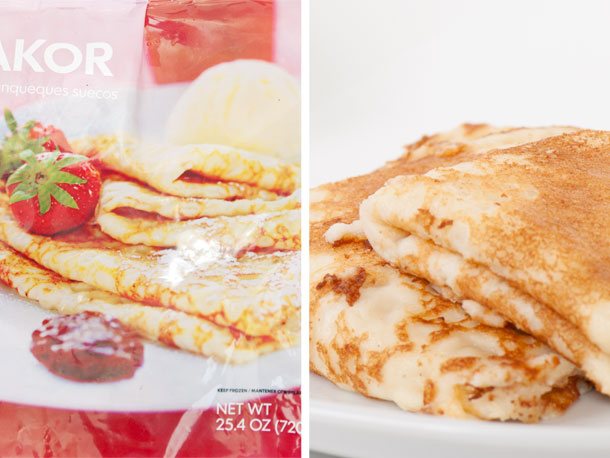
I have never eaten there.  I once had a hot dog there.  Don’t go by my experience.  This article is a wonderful field guide for people who not only are fans of the flat-pack, but also of the pannkakor.

ikea3

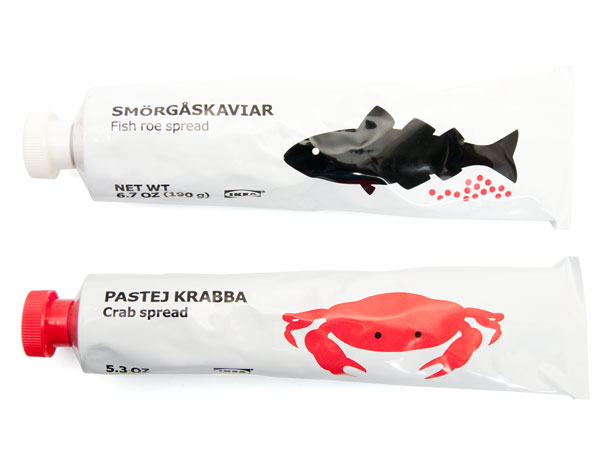
and the Pastej Krabba.

ikea4

h1

Whose birthday am I celebrating on tattoo Tuesday?

September 9, 2014

colonel_sanders_KFC

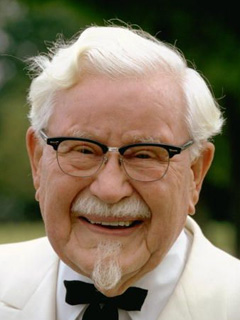
Harland David Sanders, born September 9, 1890, in Henryville, Indiana.

Colonel Sanders was an American businessman, best known for founding Kentucky Fried Chicken (KFC), and later acting as the company’s goodwill ambassador and symbol.

Sanders held a number of jobs in his early life, such as a fireman, insurance salesman and running filling stations. He began selling fried chicken from his roadside restaurant in Corbin, Kentucky, during the Great Depression. Sanders identified the potential of the restaurant franchising concept, and the first KFC franchise opened in Utah in 1952. The company’s rapid expansion across the United States and overseas saw it overwhelm him however, and in 1964 he sold the company to a group of investors led by John Y. Brown, Jr. and Jack C. Massey for $2 million.

Ref: Wikipedia

You can down load Col. Sanders cookbook here.  It includes this recipe:

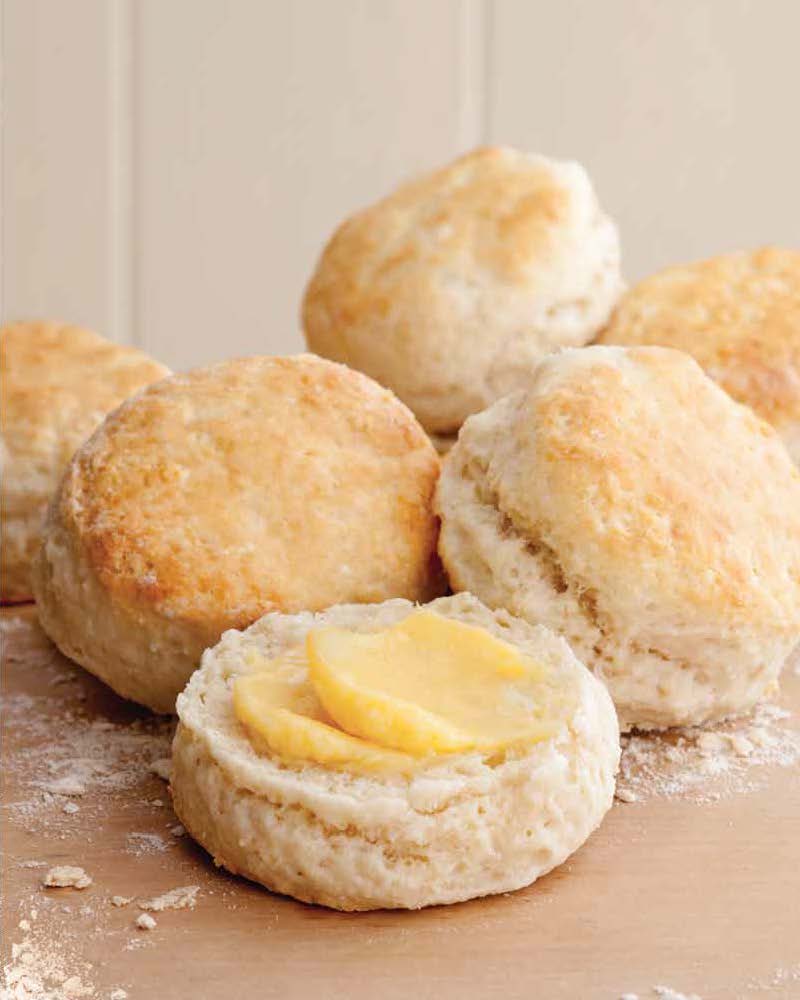
colsanders biscuits_Page_2colsanders biscuits_Page_1

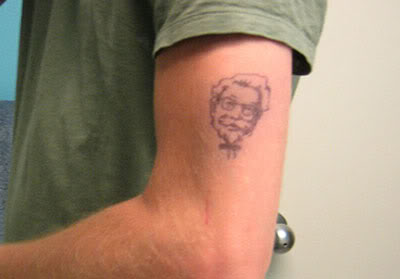
And the tattoo:

col sanders tattoo

h1

What am I celebrating today?

July 18, 2014

SONY DSC

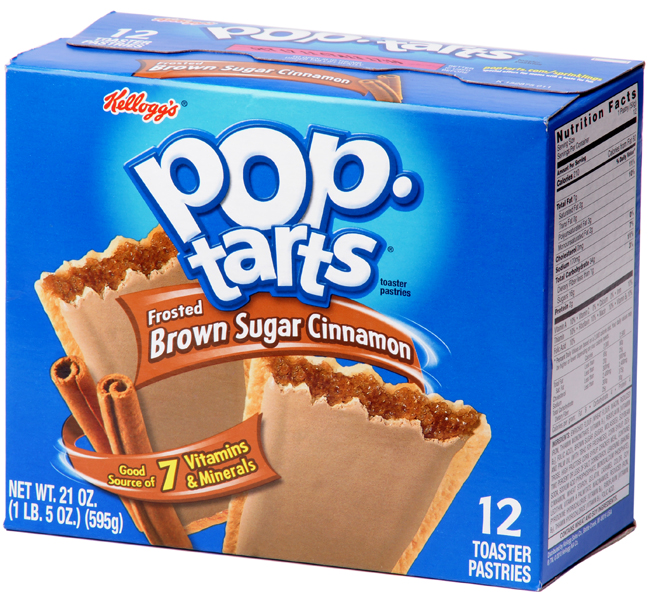
Today is the 50th birthday of Pop-Tarts.

A little history from Wikipedia:

Originally not frosted when first introduced in 1964, it was later determined that frosting could withstand the toaster, and the first frosted Pop-Tarts were officially released in 1967. The first Pop-Tarts came out in four different flavors: strawberry, blueberry, brown sugar cinnamon, and apple currant.  Today, there is a wide variety of Pop-Tart flavors, including chocolate chip, s’mores, raspberry, and French toast.

In 1992, Thomas Nangle sued Kellogg for damages after his Pop-Tart got stuck and caught fire in his toaster. The case gained wider notoriety when humor columnist Dave Barry wrote a column about starting a fire in his own toaster with Pop-Tarts. In 1994, Texas A&M University Corpus Christi professor Patrick Michaud performed an experiment showing that, when left in the toaster too long, strawberry Pop-Tarts could produce flames over a foot high.  The discovery triggered a flurry of lawsuits. Since then, Pop-Tarts carry the warning: “Due to possible risk of fire, never leave your toasting appliance or microwave unattended.”

Another note of CAUTION – please tell your kids not to nibble their Pop-Tarts into the shape of a gun if they are eating them in school.  Zero Tolerance.  Some other shapes to be avoided are:

02PopTarts


It is enough to make you turn to . . .

pop-tarts-vodka

 See also this

and this

h1

What am I eating?

July 9, 2014


?????????????

Today is Sugar Cookie Day

To celebrate, this is one of my favorite recipes and is from the Betty Crocker Picture Cookbook that belonged to my mom.

betty crocker cookbook

Ingredients

1 1/2  cups powdered sugar
1 cup butter  softened
1 teaspoon vanilla
1/2 teaspoon almond extract
1 egg
2 1/2 cups Gold Medal™ all-purpose flour
1 teaspoon baking soda
1 teaspoon cream of tartar
Cream the butter and sugar together.  Add the egg and flavorings. 
Whisk together the flour, soda and cream of tartar.
Add gradually to the butter and sugar mixture, combining well.

I admit that I am too lazy to roll and cut out shapes, so I form the dough into a log on a piece of waxed paper.  I sprinkle sparkling sugar on the waxed paper and roll up the dough so that it is covered with the sparkling sugar all around the outside.  Chill the dough for a couple of hours.  Slice (3/8″ thick) and bake on a silpat covered baking sheet (or lightly greased, or on a sheet of parchment paper) for 7 to 8 minutes at 375 degrees.

If you don’t have silpat sheets, sparkling sugar, or baking parchment, take a look at King Arthur Flour’s website.  They have everything. My baking sheets are made by Chicago Metallic, large, commercial grade, uncoated.  I bought them at Amazon.

A little history from What’s Cooking in America: The earliest cookie-style cakes are thought to date back to 7th century Persia A.D. (now Iran), one of the first countries to cultivate sugar (luxurious cakes and pastries in large and small versions were well known in the Persian empire). According to historians, sugar originated either in the lowlands of Bengal or elsewhere in Southeast Asia. Sugar spread to Persia and then to the Eastern Mediterranean. With the Muslim invasion of Spain, then the Crusades and the developing spice trade, the cooking techniques and ingredients of Arabia spread into Northern Europe.

h1

What am I noting today?

June 16, 2014

Quick_Fudge-3

Today is National Fudge Day

Fudge’s origins are unclear, but it remains a popular confection.  It was something my friends and I often made when we were teenagers.  However, at that time the only recipe we know was one that involved a lot of beating by hand to cool and incorporate air into the fudge so that it would stiffen up to the proper consistency.  Thinking we were very clever, we poured a batch of the warm candy into my friend’s mother’s stand mixer thinking that the mixer would do the hard work for us.  After a few minutes, smoke started to come out of the mixer’s motor.  Hmm.

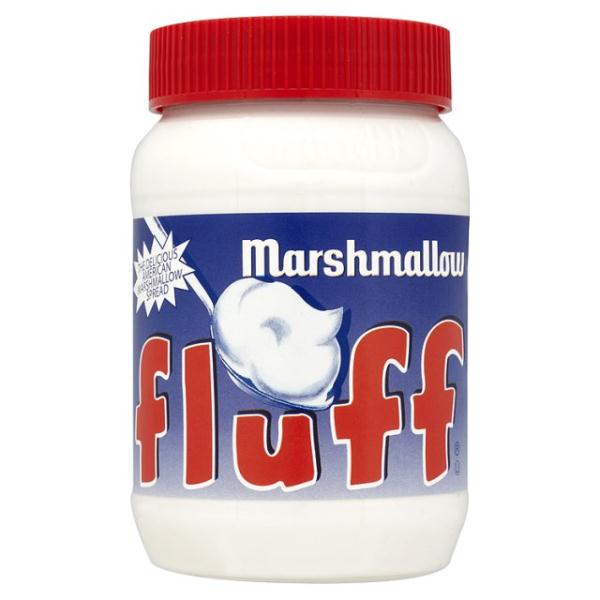
Here is an easy recipe made with Marshmallow Fluff.  Once we discovered the fluff, we never went back to our old fudge recipe. Prepare yourself for some tooth-rattling sweetness.

I think this recipe may be improved by a good slug of bourbon.

And maybe just forget about the fudge.

marshmallow_fluff_tub

3 cups  sugar
3/4 cup  butter
1 small  can (5 oz.) evaporated milk (about 2/3 cup) (Do not use sweetened condensed milk.)
12 oz chocolate chips
1 jar  (7 oz.)  Marshmallow Creme
1 cup  chopped walnuts (optional)
1 tsp.  vanilla

Line9-inch square pan with foil, with ends of foil extending over sides and butter it lightly.

Bring sugar, butter and evaporated milk to full rolling boil in 3-qt. saucepan on medium heat, stirring constantly. Cook 5 min. Remove from heat.

Addchocolate and marshmallow creme; stir until melted. Add nuts and vanilla; mix well.

Pour into prepared pan; spread to cover bottom of pan. Cool completely. Use foil handles to lift fudge from pan before cutting into squares.

647755.tif

h1

What am I eating?

May 14, 2014

Cephalopod Pancakes

cephalopod_pancakes[4]

These and more at Saipancakes.com

Here’s how to do it:


h1

What am I cooking?

April 16, 2014

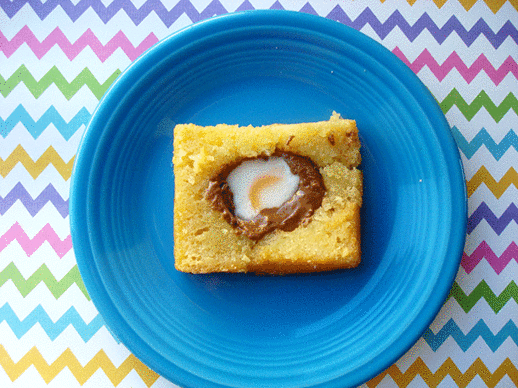
cadbury egg toast

Here is a charming, Spring recipe I found on Serious Eats (one of my favorite recipe sites.)  It combines pound cake with those delectable Cadbury cream eggs to make the recipe we used to call “egg-with-a-hole-in-the-middle” when I was a kid, albeit this is a tooth-rattlingly sweet version – Genius!

While it’s inspired by the look of “egg in hole toast”, a morning delicacy made by griddling a slice of bread with a hole cut to fit an egg, this treat is all sweet. It’s made with thick slices of pound cake instead of bread, and Cadbury creme egg halves instead of, well, actual eggs. When heated on a griddle with plenty of butter, the fondant-filled eggs get nice and melty in the middle, making for an extra sweet surprise in the middle of your cake slice.

Recipe note: in terms of your pound cake, you want fairly thick, at least 1-inch slices. You also want slices which you can cut a circle into and still have a bit of cake remaining on each side. If the “walls” of the cake are too thin after you’ve cut the circle, it may fall apart. The chilling process in step 1 will help the cake firm up so that it is less likely to crumble once heated.

Ingredients

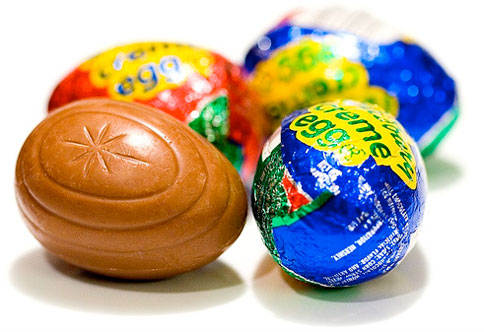
  • 2 Cadbury Creme Eggs
  • 4 thick slices of pound cake
  • plenty of butter, for the pan
  1. Unwrap the Cadbury Creme Eggs. Place them on a dish and put them in the refrigerator for about 30 minutes along with the pound cake.This chilling period will help the elements of the recipe remain firm and easier to handle in the next steps
  2. Remove everything from the fridge. Using a sharp knife, cut the eggs in half along the “seam”. Try to make it as clean a cut as possible. Since you chilled the eggs, they should slice cleanly, with the insides somewhat solid. Place the four egg halves to the side for the moment.
  3. Delicately slice a hole in the center of the pound cake, as close to the size of the creme egg as you can without being larger than the size of the egg. You want it to fit in very snugly. Remove the hole cutout and enjoy it as a snack before proceeding. Repeat with the remaining slices.
  4. Heat up your frying pan with a fat dollop of butter in the middle. Let the butter get nice and hot over medium heat. Using a spatula, transfer one or two of the pound cake slices, sans egg, to the pan (as many as will fit comfortably). Let them fry for about 30 seconds, or until lightly toasty on the bottom, then flip the slices.
  5. Now, place the egg half in the holes in the cake, facing yolk side up. Heat for 30 more seconds in the pan, and then turn off the heat.
  6. Place a lid or plate on top of the pan (which is no longer being heated) to capture the heat. Let the residual heat melt the eggs inside. Check them after 3 to 5 minutes. Once they’re nice and melty, you’re ready to serve. If they’re not melty enough, put the pan back on a low heat setting and monitor until the eggs have melted enough for your liking.
  7. Using a spatula, transfer the finished slices from the pan to serving plates. Enjoy the Easter magic.

2cremeeggcadburycreameggsinwrappers

h1

What am I reading, er, eating on tattoo Tuesday?

April 8, 2014

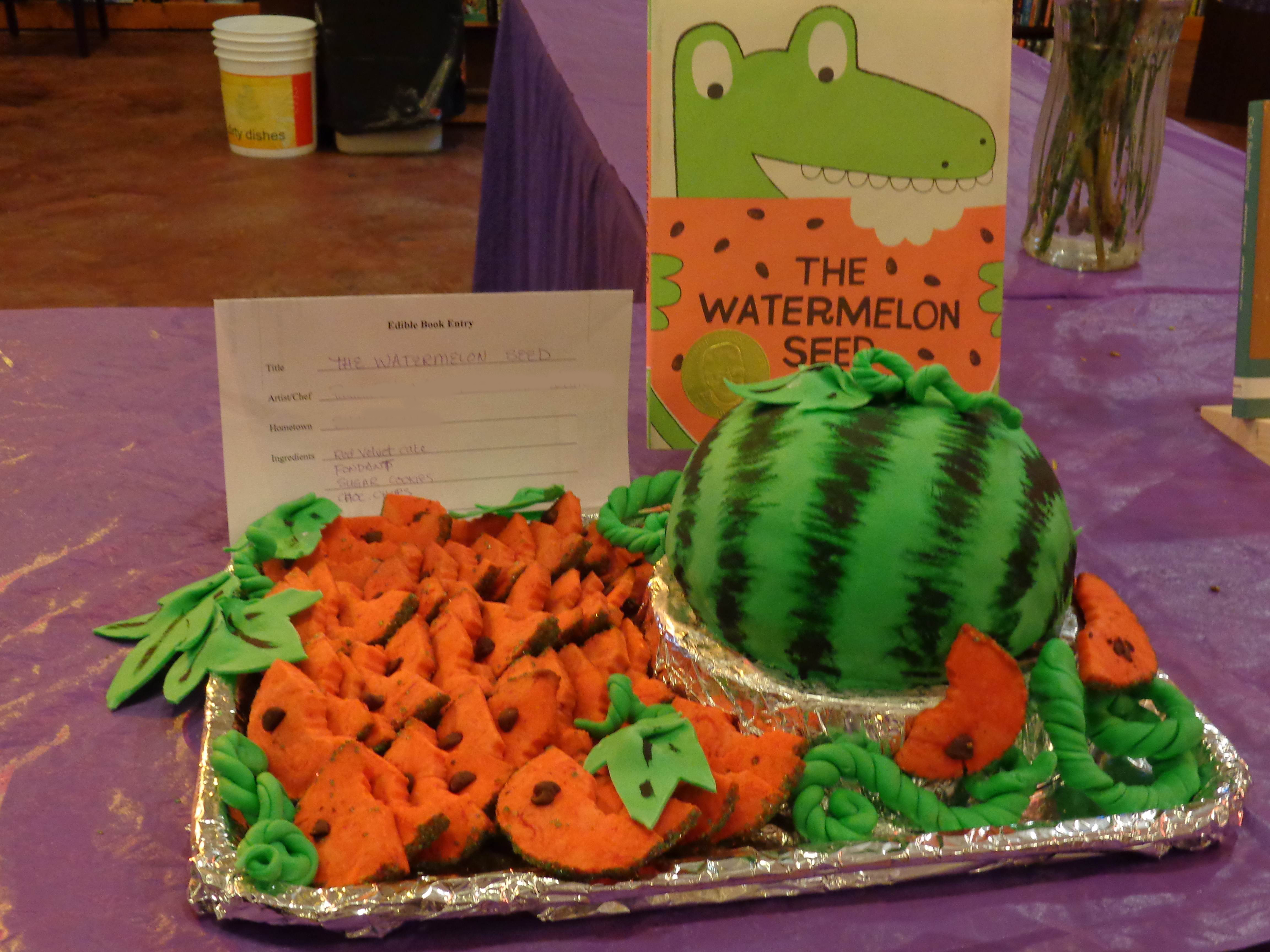
Watermelon Seed Prize2

Our lovely, local, independent bookstore sponsors an Edible Book Fair every April.  Everyone is invited to submit a totally edible interpretation of a book.  The entries are displayed, judged, and eaten.  The set up and the voting takes a couple of hours.  You can’t imagine how quickly the displays are devoured!

The book I chose was The Watermelon Seed by Greg Pizzoli which is the Recipient of the 2014 Theodor Seuss Geisel Award for the most distinguished beginning reader book.

I humbly announce that our entry (above) consisting of a fondant-covered red velvet cake watermelon with watermelon slice-shaped sugar cookies won the award for Most Appetizing.  The prizes in the contest are, not a surprise, books! It is a lot of fun to see what people – kids and adults – come up with.

Edible Book Festivals have become a global event, read more here.

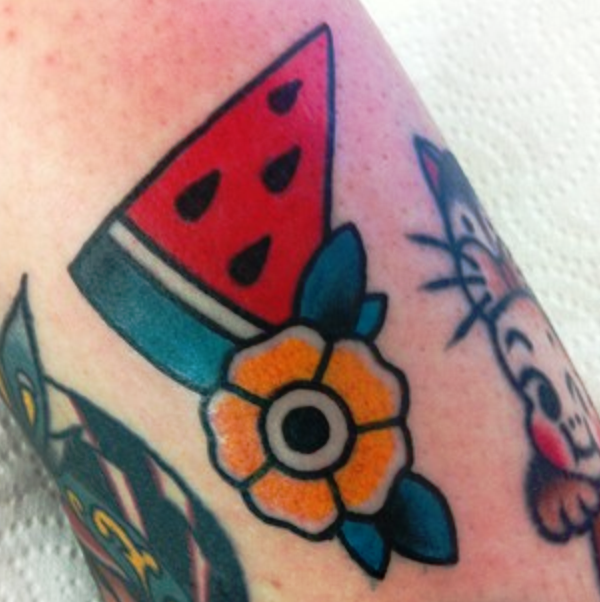
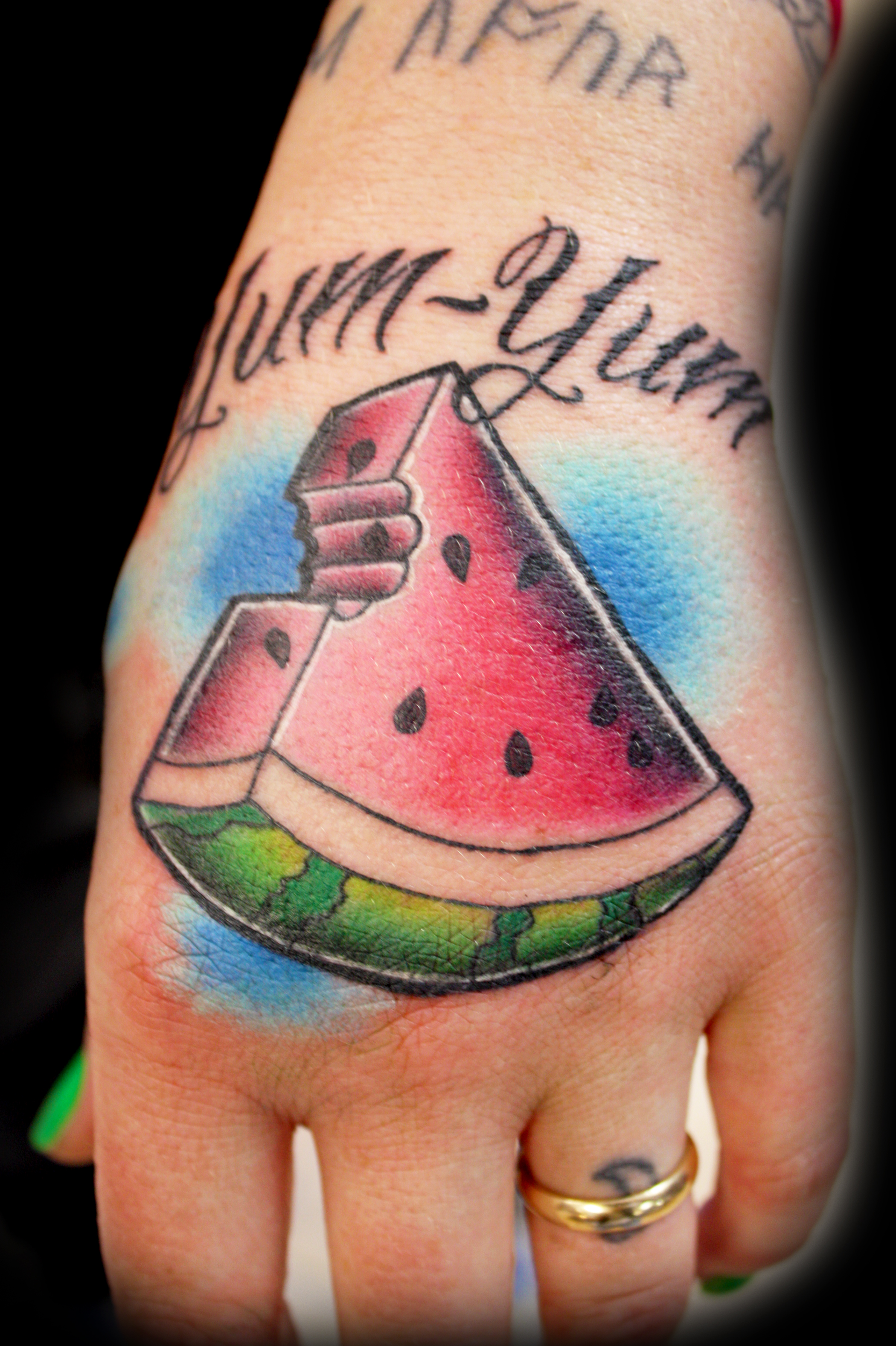
Tuesday would not be complete without tattoos:

watermelon2

watermelon3

watermelon4