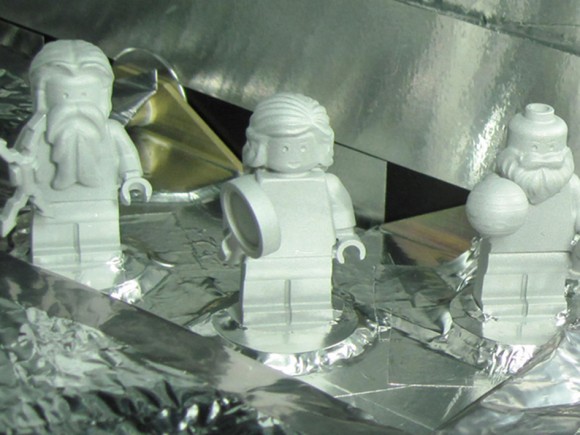
David Reneke at Dave Reneke’s World of Space and Astronomy posted this wonderful story about strange and unusual objects that people have launched into space. What caught my eye, of course, were the LEGO characters of Magellan, Jupiter and Juno being carried on a probe to Jupiter.
Mini-figurines of Galileo and the Roman deities Jupiter and Juno were launched in 2011 aboard NASA’s Juno spacecraft en route to Jupiter . LEGO has flown products aboard the U.S. Space Shuttles and to the International Space Station previously, but Juno’s cargo represents the “most distant LEGO launch” ever. The figurines will burn up in Jupiter’s atmosphere along with the spacecraft at the end of the mission in October 2017.
Among the other objects launched are a Florida state quarter, the famous golden disc, the Mars penny, and a wheel of cheese. What would you send into space?
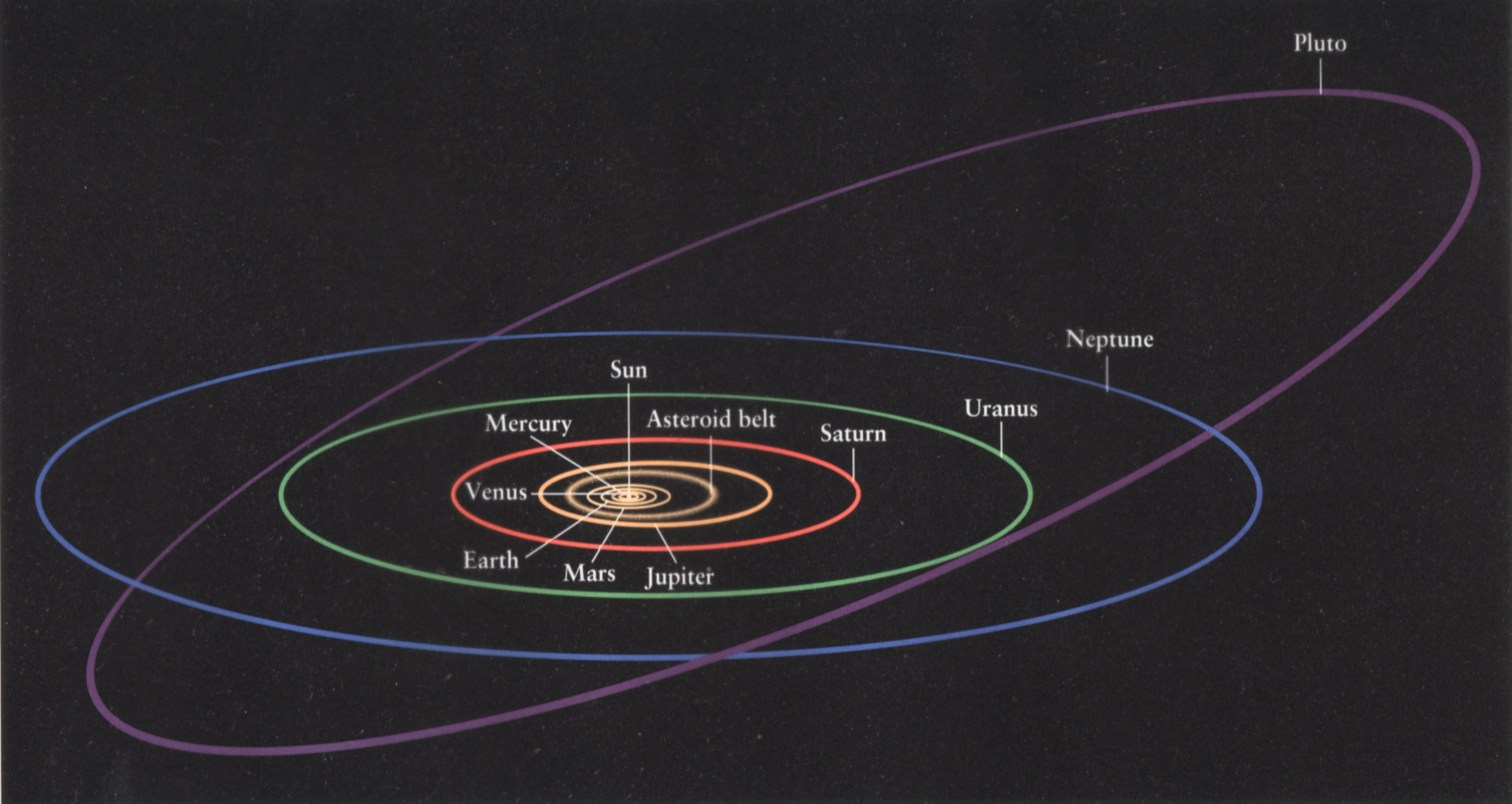
On February 18, 1930, Clyde W. Tombaugh, an assistant at the Lowell Observatory in Flagstaff, Arizona, discovered Pluto. For over seven decades, Pluto was considered the ninth planet of our solar system.
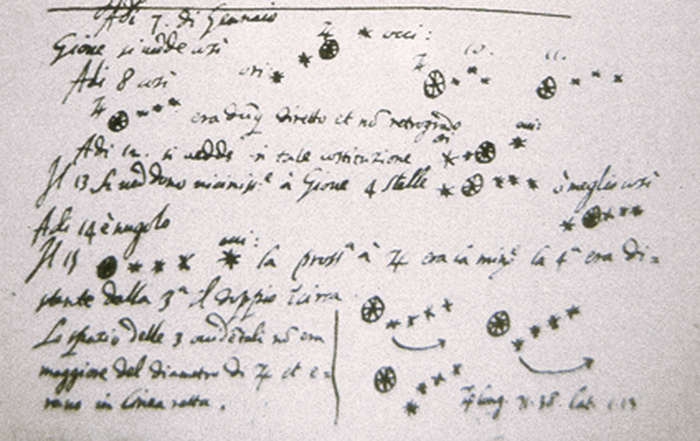
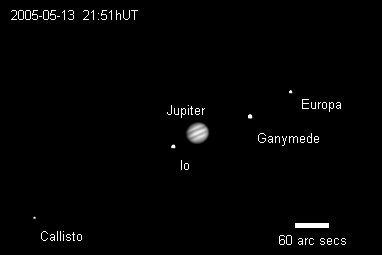
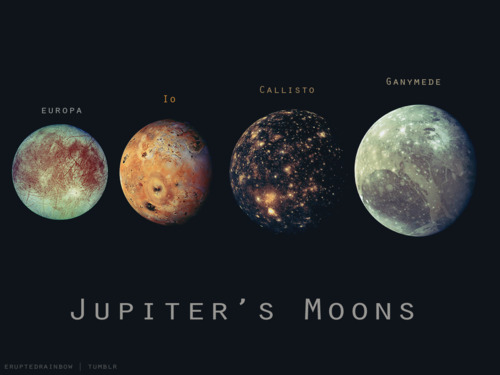
This is a page from Galileo’s notebook. On this day in 1610, he recorded his observations of the moons of Jupiter, noting that they did not behave as stars, but appeared to travel with the planet. It was this and other observations that cause Galileo trouble with the church. They are also the reason his name and work endure today – 404 years later. While Galileo was able to discern Jupiter’s 4 largest moons, the actual number of this planet’s moons is 50 or more. Thanks to Lights in the Dark for this reference.
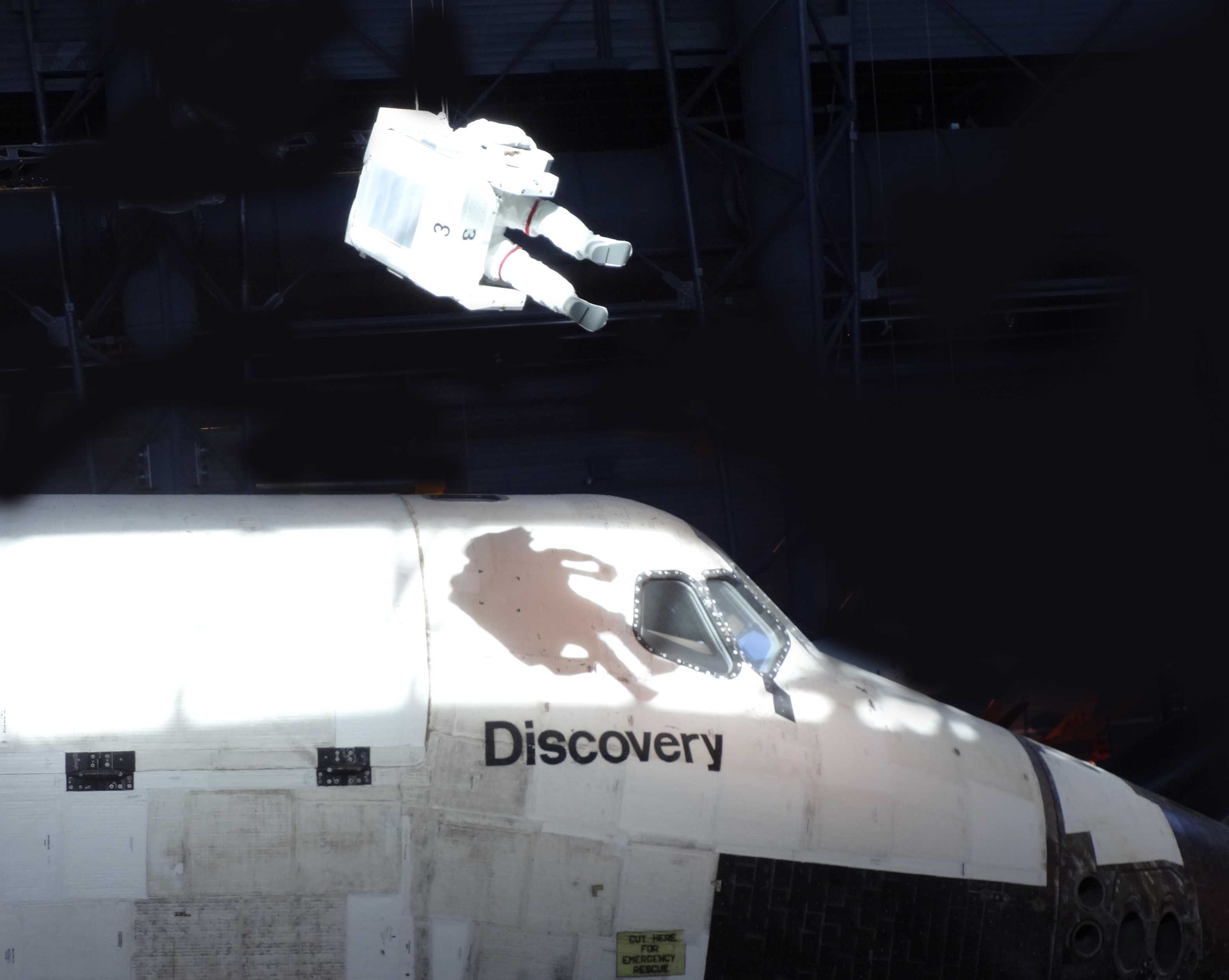
But one of the places we visited while in Virginia was the Stephen F. Udvar-Hazy Center of the National Air & Space Museum – and, if you have been there, you will know that it is spectacular! The space is immense, but with sky walks, stairs and balconies, it is easy to navigate. There were a lot of people there the day we visited. The logical way the exhibits are laid out – and quality of the light and airiness of the space – contributed to a very pleasant experience.
Here are some more photos – but go there if you can.
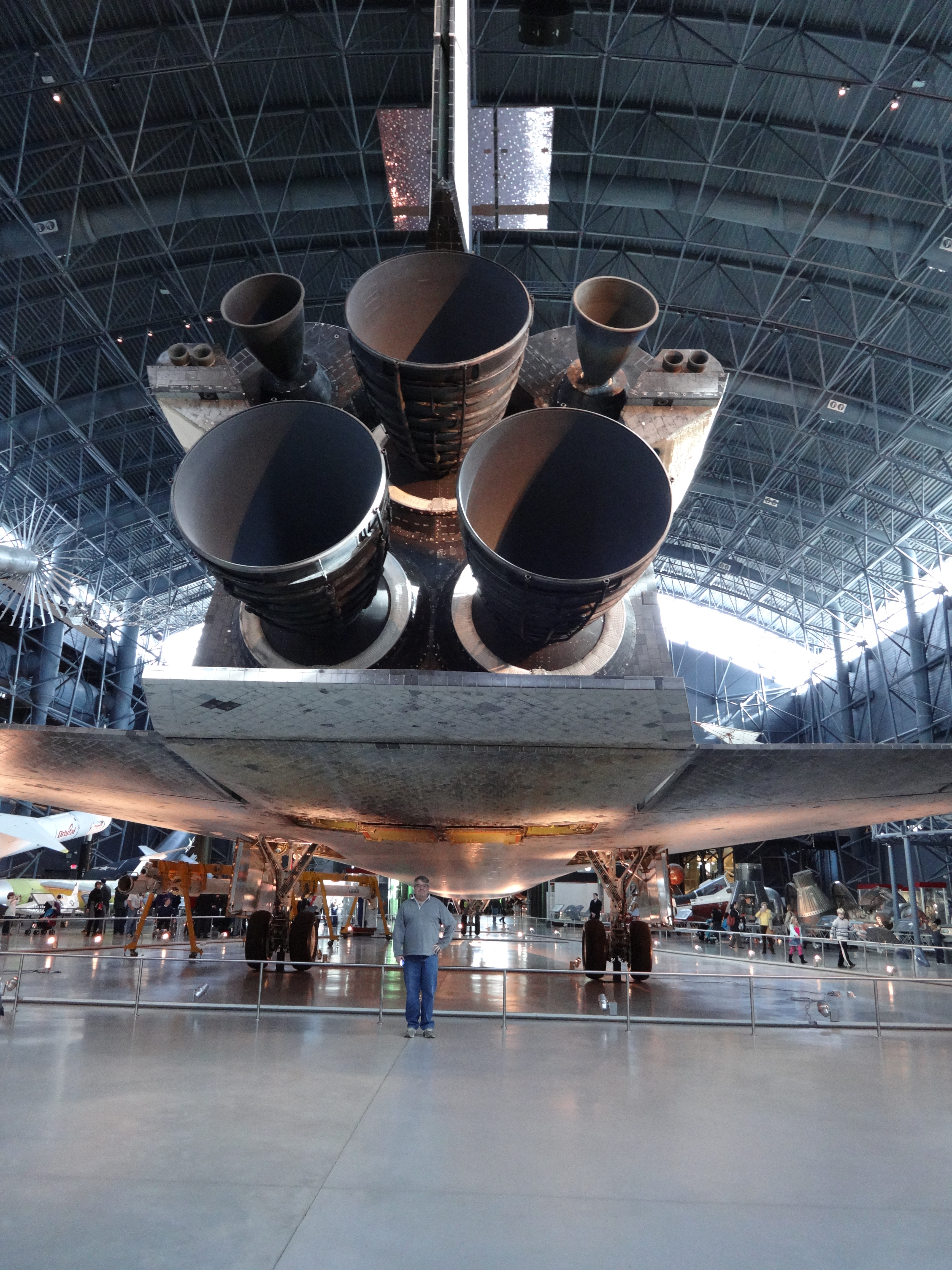
Want to know how big the space shuttle is? That is my almost six foot tall person standing there under it.
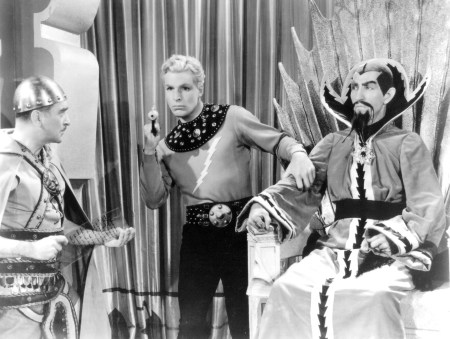
Since the topic is related to Air & Space, let me mention the 80th birthday of Flash Gordon:
Flash Gordon is the hero of a science fiction adventure comic strip originally drawn by Alex Raymond. First published January 7, 1934. Ref. Wiki.
“Who are we, if not measured by our impact on others? That’s who we are! We’re not who we say we are, we’re not who we want to be — we are the sum of the influence and impact that we have, in our lives, on others.”
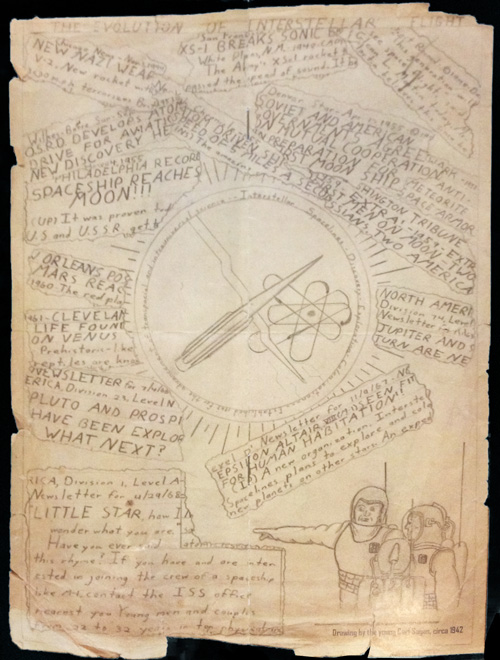
This quote by Neil deGrasse Tyson in his comments about Carl Sagan on the occasion of Sagan’s papers being acquired by the Library of Congress. I read the story here on Brainpickings.
The drawing above is part of the collection that will be in the Library of Congress. It was created by an eight year old Carl Sagan in 1942. As an unabashed geek and fan of Sagan, deGrasse Tyson, and most things astronomical, I found this tidbit fascinating.
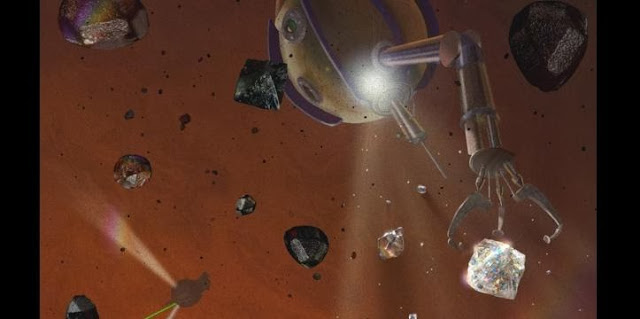
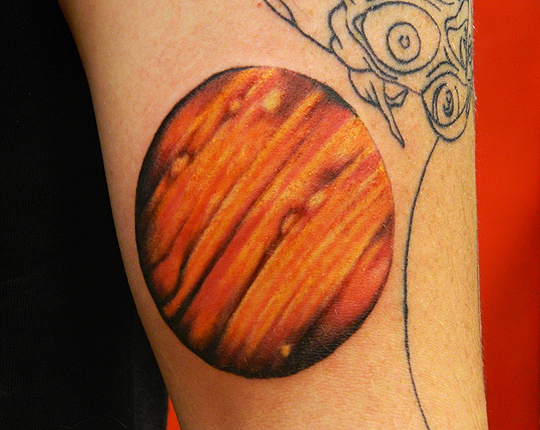
Are diamonds a girl’s best friend? Perhaps they are on Saturn and Jupiter according to some researchers who hypothesize that heat, pressure and chemical conditions on these two giant planets may be conducive to the production of diamonds – diamonds that may rain down through the atmosphere.
This research opens up new and interesting ways to look at the composition and mineral wealth of the solar system. As for me, I am working on the development of my Hydrogen Integral Squeezing System (HISS) in order to produce more helium – because the world needs more helium.
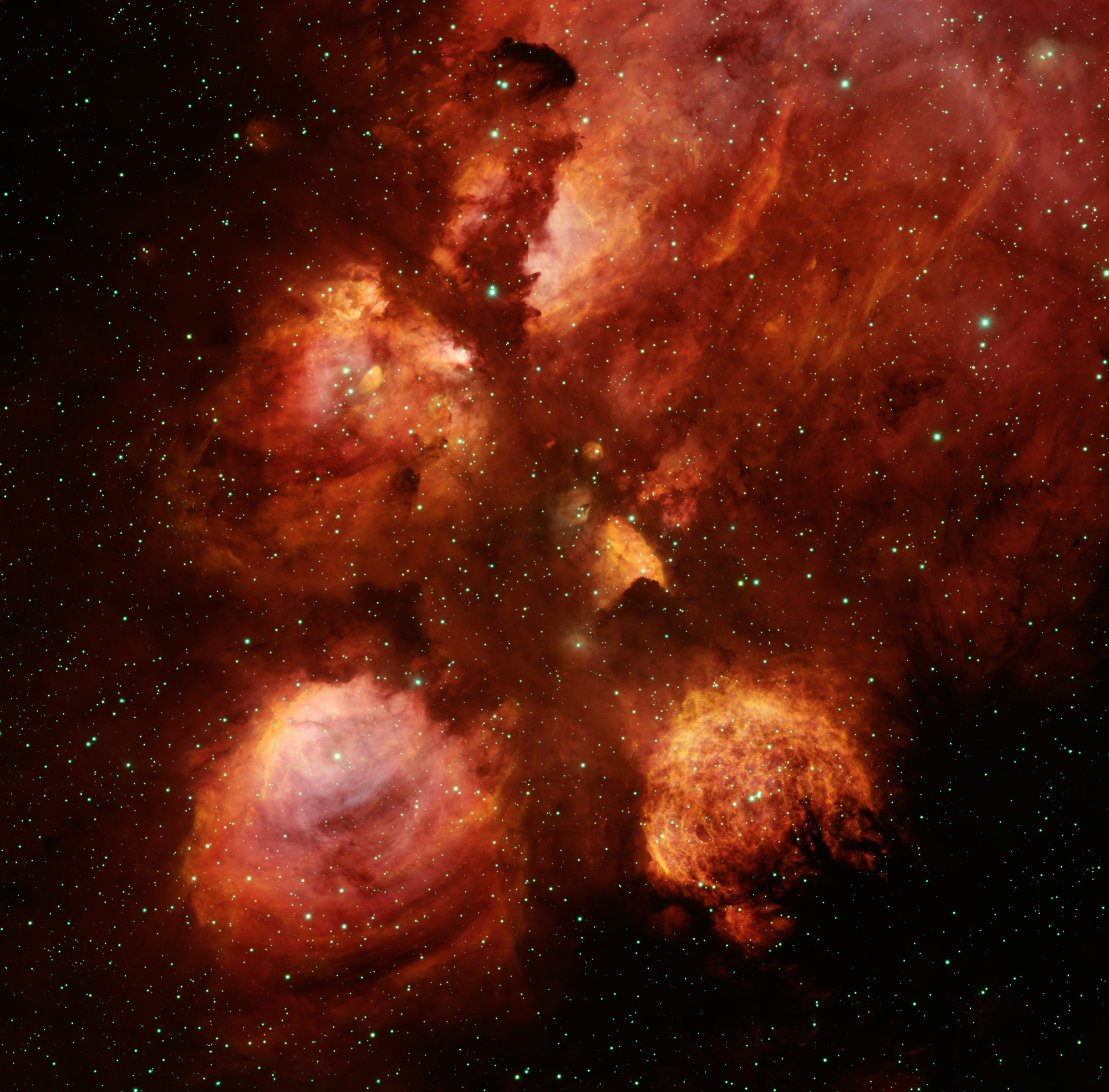
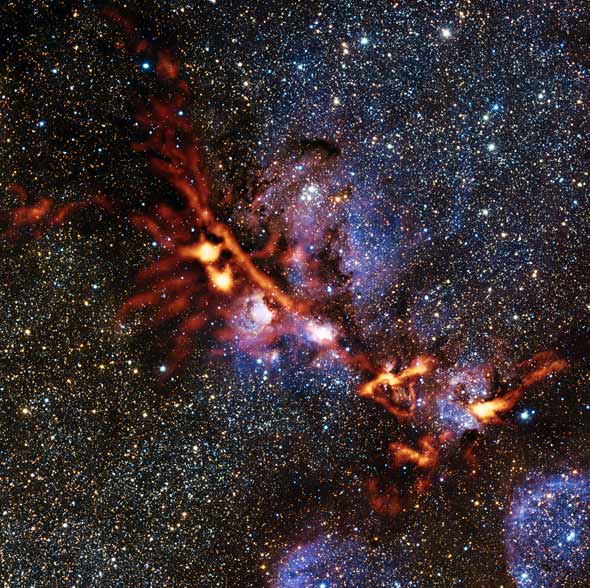
The story, from Bad Astronomy on Slate, explains that the flame-like filaments of star-forming materials are actually, in this case, mind-bogglingly cold, at around minus 445 degrees Farhenheit.

















 Gunsmoke and Knitting