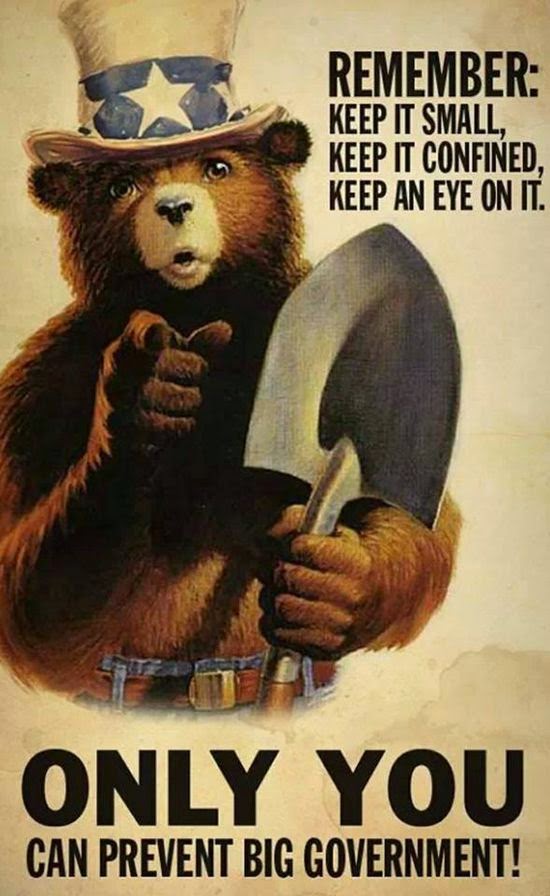
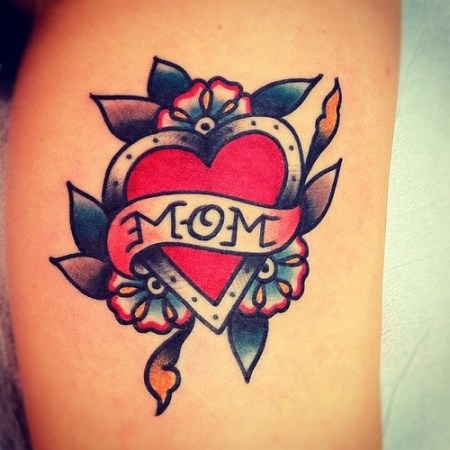
Not a teddy bear – this little fellow is an akita-corgi mix.

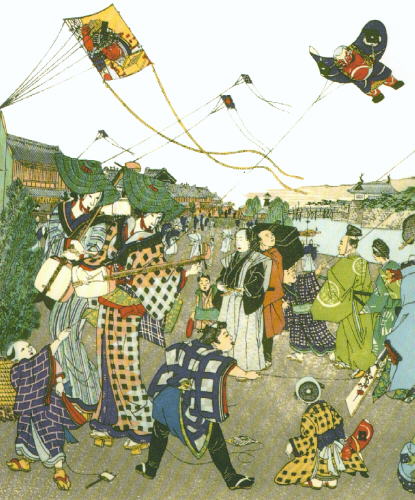 According to my calendar this is Go Fly a Kite day. Kites were, it is said, invented in China over 2000 years ago, where there were ample resources for kite building such as silk and bamboo.
Marco Polo in 1295 was one of the first people to document kite construction and use.
Kites have been employed throughout history for purposes of military strategy, in the 18th century they were used by meteorologists in weather forecasting, and for scientific experimentation by Ben Franklin.
Kite flying remains a popular pastime today and I found photographs of many interesting ones.


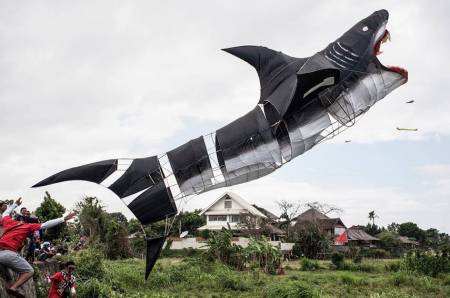

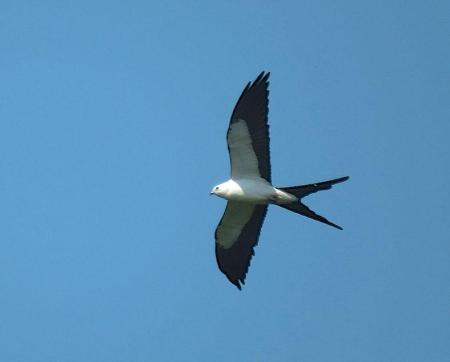
If you got this far in the post, I will just say, “gotcha” because this kite is really a bird, a swallow tailed kite, or Elanoides forficatus
According to the producer, “This is a working particle accelerator built using LEGO bricks. I call it the LBC (Large Brick Collider). It can accelerate a LEGO soccer ball to just over 12.5 kilometers per hour.”
Thank you, HMS Defiant
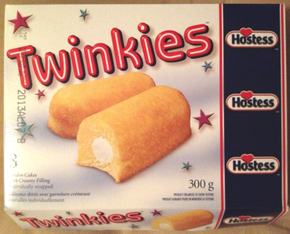
Twinkies introduced April 6, 1930
Twinkies were invented in Schiller Park, Illinois on April 6, 1930, by James Alexander Dewar, a baker for the Continental Baking Company. Realizing that several machines used to make cream-filled strawberry shortcake sat idle when strawberries were out of season, Dewar conceived a snack cake filled with banana cream, which he dubbed the Twinkie. The name came from a billboard he saw in St. Louis for “Twinkle Toe Shoes”. During World War II, bananas were rationed and the company was forced to switch to vanilla cream. This change proved popular, and banana-cream Twinkies were not widely re-introduced. The original flavor was occasionally found in limited-time promotions, but the company used strawberry cream for most Twinkies. In 1988, Fruit and Cream Twinkies were introduced with a strawberry filling swirled into the cream. The product was soon dropped. Vanilla’s dominance over banana flavoring would be challenged in 2005, following a month-long promotion of the movie King Kong. Hostess saw its Twinkie sales rise 20 percent during the promotion, and in 2007 restored the banana-cream Twinkie to its snack lineup. – Wikipedia
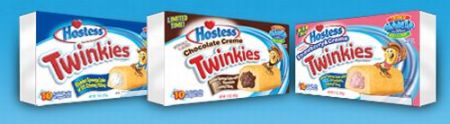
In addition to vanilla and banana cream filled Twinkies, limited editions have sometimes been found with strawberry, chocolate or blueberry fillings, and even a chocolate covered Twinkie with cherry filling.

This story is a reprint of an article by Paul Kerley in the BBC News Magazine
And here is a related article from NPR
When Sir Ernest Shackleton set off for Antarctica on his ship Endurance, he made sure he had plenty of reading material. But details of precisely what books he took have remained hidden in this photograph – until now.
The image from the ill-fated South Pole expedition – taken in early March 1915 by Australian photographer Frank Hurley – has been digitised by the Royal Geographical Society in London.
It is now known that the explorer carried with him dictionaries, encyclopedias and books chronicling other dangerous polar expeditions.
He took established works by Dostoyevsky and Shelley – but also, explains Alasdair MacLeod from the RGS, “newly published fiction by popular authors of the time”.
“The cabin wall on the left also shows a framed print of Rudyard Kipling’s poem ‘If’, which Shackleton carried with him on to the ice floe when the ship sank.”
In January 1915, Endurance and her 28-man crew became trapped in ice in the Weddell Sea. Shackleton and his men would remain there for 10 months – until the ship sank and they moved on to the ice. In April 1916, in three small boats taken off Endurance, the crew left the ice and began an arduous voyage to uninhabited Elephant Island. From there, Shackleton took a small group with him to South Georgia – 750 miles away – where they finally got help.
All members of Endurance’s crew survived.
Scroll down to see the full list of books identified by experts at the RGS – and see more stark images of Shackleton’s struggle for survival.
Books on Shackleton’s bookshelf:
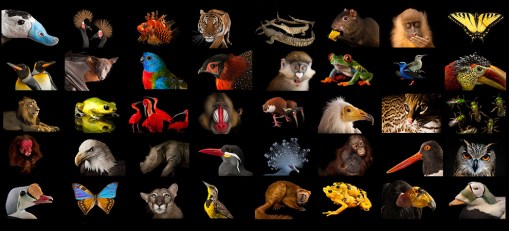
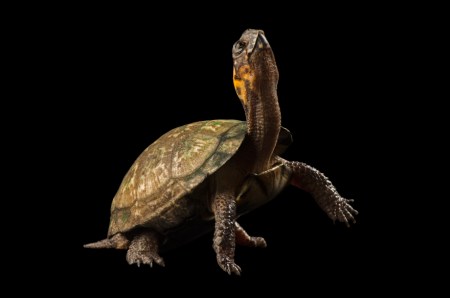
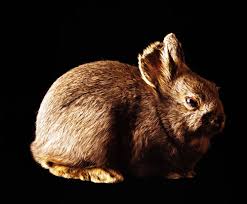
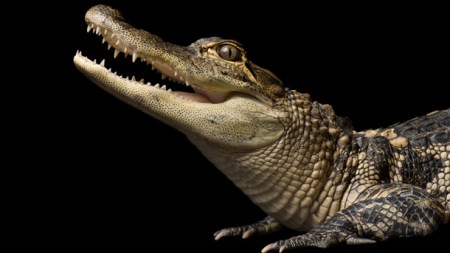
Recently, I saw an exhibit called “Rare” at our Museum of Natural History. The exhibit featured photographer Joel Sartore’s work documenting endangered animals across the globe. His beautiful and sensitive photographs are now in a new project called “Photo Ark.”
Here is a link to a video showing how the work is accomplished.
“Photo Ark is a multiyear National Geographic project with a simple goal— to create portraits of the world’s species before they disappear and to inspire people to care. Each image is a visual connection between the animals and people who can help protect them.
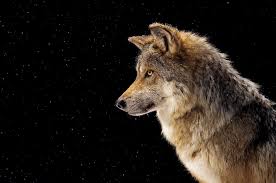
With ingenuity and wit, National Geographic photographer Joel Sartore has captured portraits of more than 5,000 creatures to date, with more to come. Many of the animals live in the world’s zoos and aquariums, institutions dedicated to preserving and caring for species of all kinds. This exhibition features many
iconic images and allows visitors to follow Sartore around the world on this exciting and important project.”


This is an Oscar winning short film on glass blowing. In this film, glass blowing – always fascinating to watch – traditional techniques are juxtaposed with more modern methods – all set to music. I love the way the man works with his pipe in his mouth and does not miss a beat.
Firearms, fibers, any news or behaviors that make me say, "hmm, let me take another look at this."
I still miss my man, but my aim is getting better.