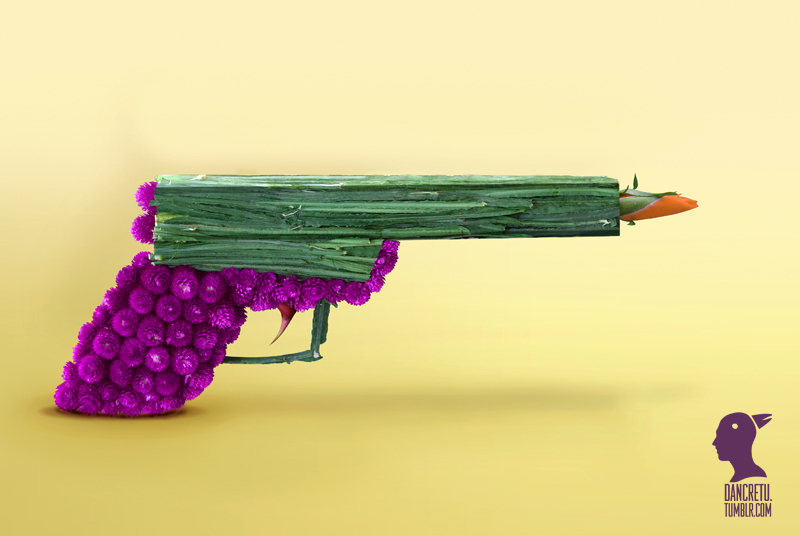
Food (and other) art at Dancretu
Thanks to Hovercraft Doggy for the referral.

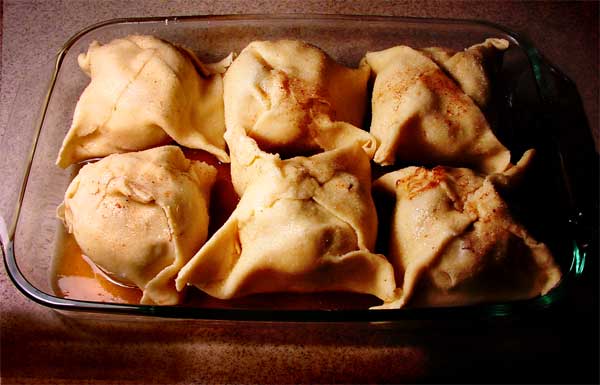
Today is Apple Dumpling Day. It is still officially summer, but there’s a little nip in the air and the locally grown apples have begun to appear in our markets.
My mother made the best apple dumplings. I do not have a recipe because she did not use one, but here is approximately how she made them.
Heat the oven to 350 degrees.
Prepare pastry, as for a pie crust – these are approximate measurements:
1 1/2 cups of all purpose flour
1/2 teaspoon salt – whisk into flour
1/2 cup shortening (she used Crisco) – cut into flour mixture with a pastry blender (or two knives)
moisten the dough with a couple of tablespoons of ice water
– add this a little at a time until the dough begins to come together
Roll into a rectangle about 1/8 of an inch thick
Cut into squares.
Place a peeled, cored apple in the middle of each square. You probably don’t want apples that are really big for this recipe.
What kind of apple? My mother always said, “Don’t buy the computer apples.” But if you don’t mind mushy apples, go ahead and buy the computer apples (also known as Macintosh.) Granny Smiths are good, as are any apple with a lot of flavor and a little tartness.
Fill the hole in the apple with butter and red cinnamon hearts – these will melt and make a sauce. Alternatively, you can fill the cores with sugar, butter, cinnamon, walnuts, raisins, or any combination of the above.
Splash the apples with maple syrup and fold up the dough to cover the apple.
Bake until the crust is browned and the apples are soft – I’m guessing about 30 to 45 minutes.
In my opinion, these don’t need ice cream or whipped cream or any other embellishment – but if that is what you like, go ahead and enjoy! Actually, I do like them with accompanied by a wedge of cheddar cheese.
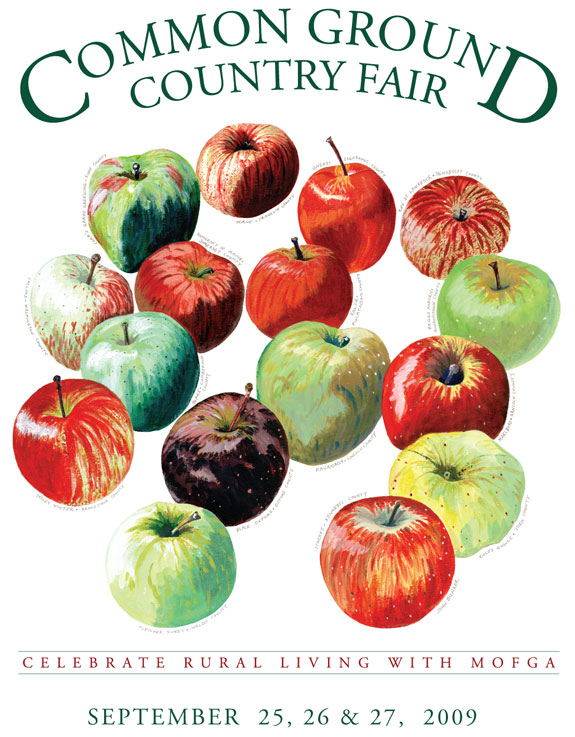
I love the names of the old apple varieties: Stayman Winesap, Northern Spy, Pippin, Sheepnose, but they are difficult to find these days. The poster above is from MOFGA’s Common Ground Fair from 2009. The Fair takes place every September in Unity, Maine.
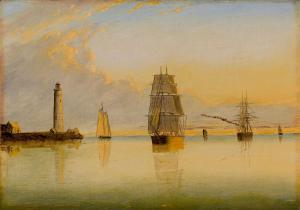
Happy birthday to Boston Harbor Lighthouse – the first lighthouse to be built in what is now the United States of America – it was first lit on September 14, 1716. I was interested to learn that it is the only US lighthouse that still has an official keeper. It was built to guide the way into Boston Harbor – already an important commercial port in the early 1700s – it was financed by a tax on the tonnage arriving at the harbor.
Located on Little Brewster Island in Boston’s outer harbor, it is a National Historic Landmark and an active U. S. Coast Guard aid to navigation.
Ref. Boston Lighthouse History
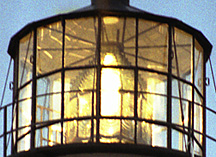

I was interested to read Why, Because Science’s recent post on awesome minerals. I also had a geological experience just last weekend. I attended a blingie bead trunk show with a friend, but was seduced by the beads that were fashioned from rocks and minerals. Being struck helpless, I was forced to buy several specimens for my collection and they are:
From the left
Sardonyx – this really has a very nice chevron pattern that is difficult (impossible) to see in this photo
Gray Brecciated Jasper – with some quartz crystal inclusions
Lapis
Petrified Wood Jasper
African Turqoise – I may turn this into a necklace – I really like it
Labradorite – this one shows a nice play of colors known as labradorescence
These are all beads and are drilled along the long axis, but I wanted them for my rock and mineral collection. The largest pieces are 30 x 40 mm.
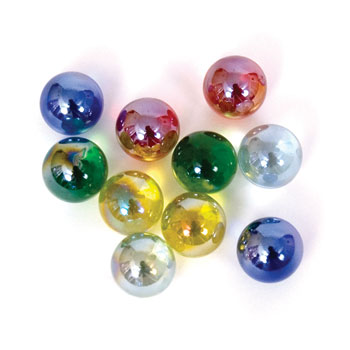
You can always get to me with a marble raceway. This is from Scott Weaver:
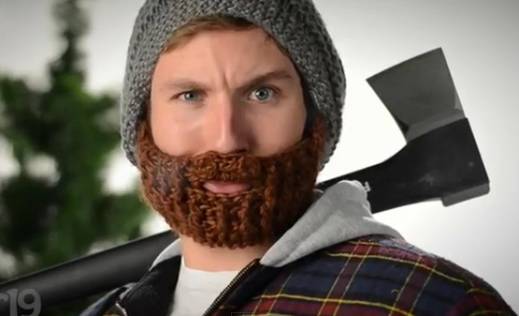
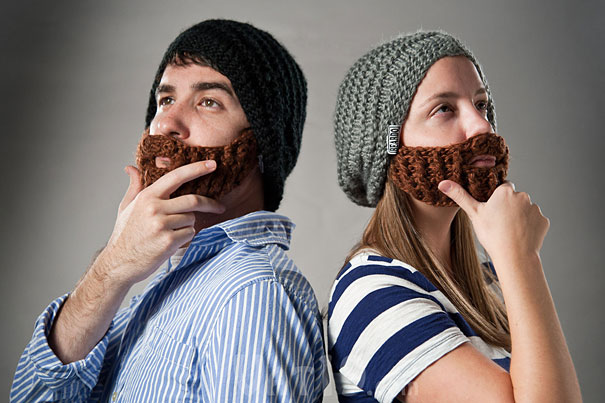
A little something to do with that left over yarn – or go to: Beardo hats and other accessories by Jeff Phillips.
This beautiful video is by John Eklund. I saw it first at Lights in the Dark’s Twitter site and wanted to share. I could get lost in this video.
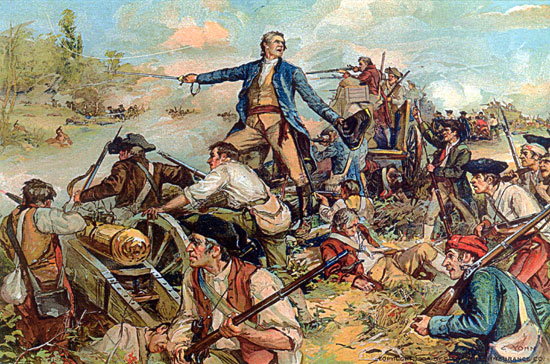
The Battle of Lake George, September 8, 1755. This battle was actually a collection of skirmishes fought on and around Lake George in northern New York, and was part of the effort to force the French from North America. All of these conflicts are within the context of the French and Indian War (in North America) and the Seven Years War (in Europe).
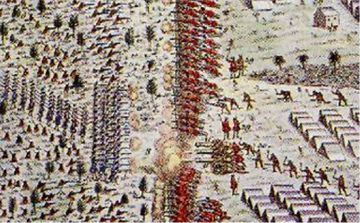
It is interesting that, although called the French and Indian War, native soldiers were engaged in the fighting on both sides of the conflict in North America. In addition to shaping the political interests in the early years of our nation (and Canada), the French and Indian War also brought leaders such as George Washington to the forefront, while foreshadowing the lessening of British dominance in the area.
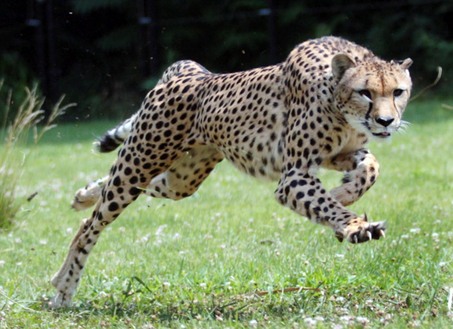
Seen on PopSci, the robot cheetah, developed by Boston Dynamics, set a new land speed record of 28.3 miles per hour –
The article also says that while the Cheetah runs tethered to an external power supply, they are about to launch the Wildcat which needs no external support. I have included the photos of the real cheetahs because this is Sappy Cat Blogging.
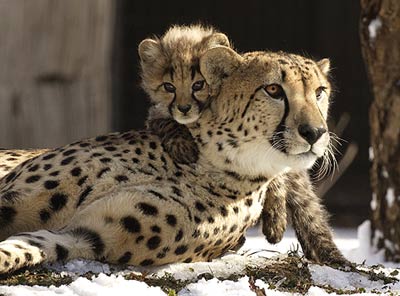
photo credit: Smithsonian
You are currently browsing the archives for the Uncategorized category.
Firearms, fibers, any news or behaviors that make me say, "hmm, let me take another look at this."
I still miss my man, but my aim is getting better.