Posts Tagged ‘travel’

h1

Who discovered what today?

July 29, 2014

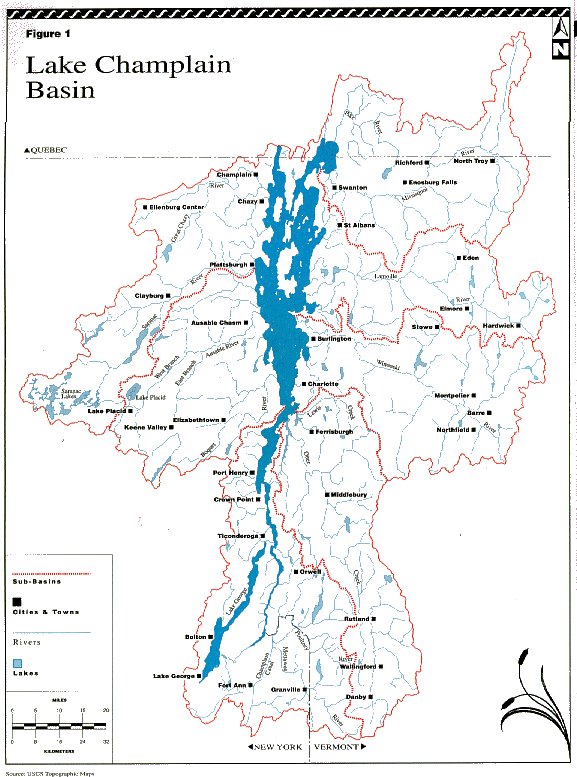
10_Samuel de ChamplainLake Champlain was discovered by Samuel de Champlain on July 29, 1609, during one of his expeditions to North America.

lake champlain1

The lake was named after the French explorer Samuel de Champlain, who encountered it in 1609. While the ports of Burlington, Vermont; Port Henry, New York; and Plattsburgh, New York are little used nowadays except by small craft, ferries and lake cruise ships, they had substantial commercial and military importance in the 18th and 19th centuries.

For some fascinating information about Samuel de Champlain, click this link.

The Champlain Valley is the northernmost unit of a landform system known as the Great Appalachian Valley, which system stretches from Quebec to Alabama. The Champlain Valley itself is a physiographic section of the larger Saint Lawrence Valley, which in turn is part of the larger Appalachian physiographic division.

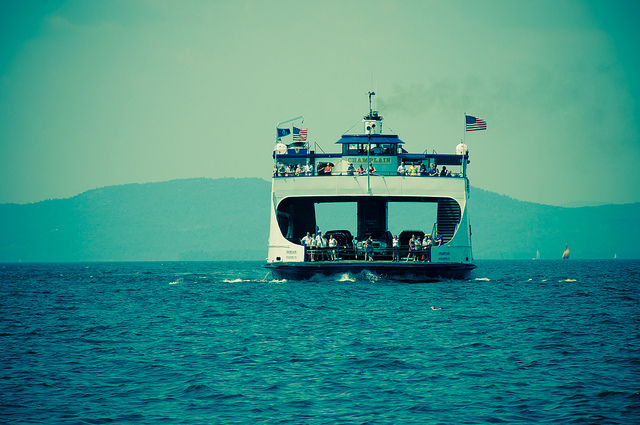
lake champlain ferry

Lake Champlain Ferry – Burlington, VT to Port Kent, NY

IMG_2220

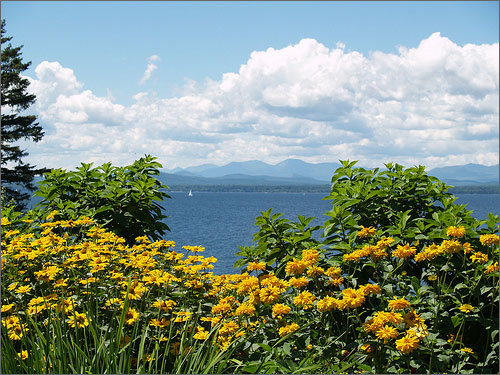
Lake_Champlain


h1

Whose birthday am I celebrating today?

July 22, 2014

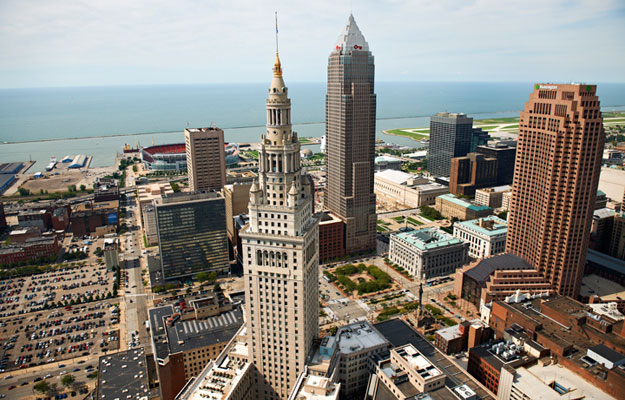
western reserve 4Cleveland and its three tall(ish) buildings

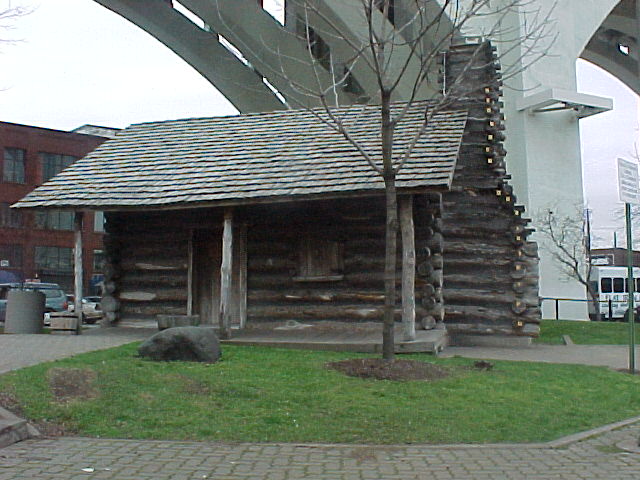
Cleveland obtained its name on July 22, 1796 when surveyors of the Connecticut Land Company laid out Connecticut’s Western Reserve into townships and a capital city they named “Cleaveland” after their leader, General Moses Cleaveland. Cleaveland oversaw the plan for what would become the modern downtown area, centered on Public Square, before returning home, never again to visit Ohio. The first settler in Cleaveland was Lorenzo Carter, who built a cabin on the banks of the Cuyahoga River. The Village of Cleaveland was incorporated on December 23, 1814. In spite of the nearby swampy lowlands and harsh winters, its waterfront location proved to be an advantage. The area began rapid growth after the 1832 completion of the Ohio and Erie Canal. This key link between the Ohio River and the Great Lakes connected the city to the Atlantic Ocean via the Erie Canal and later via the St. Lawrence Seaway and the Gulf of Mexico via the Mississippi River. Growth continued with added railroad links.Cleveland incorporated as a city in 1836.  More here.

western reserve 5Reproduction of Lorenzo Carter’s cabin nestled under the Detroit-Superior (Veteran’s Memorial) Bridge

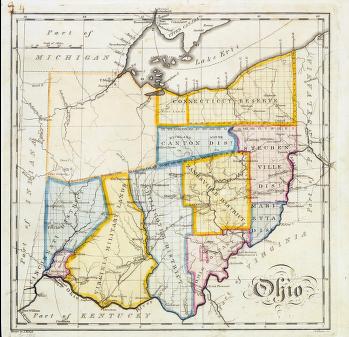
The Connecticut Western Reserve was an area in the Northwest Territory held, sold and distributed by the State of Connecticut in the years after the American Revolution.

Connecticut was one of several states that had land claims in the Ohio Country going back to the colonial period. Connecticut gave up most of its claims to the federal government so that the Northwest Territory could be created. However, it reserved the northeast corner of the territory for itself. This area came to be known as the Connecticut Western Reserve.  More here.

 western reserve 3 Putting Ohio together.

western reserve

h1

What am I watching?

July 8, 2014

IMG_1570

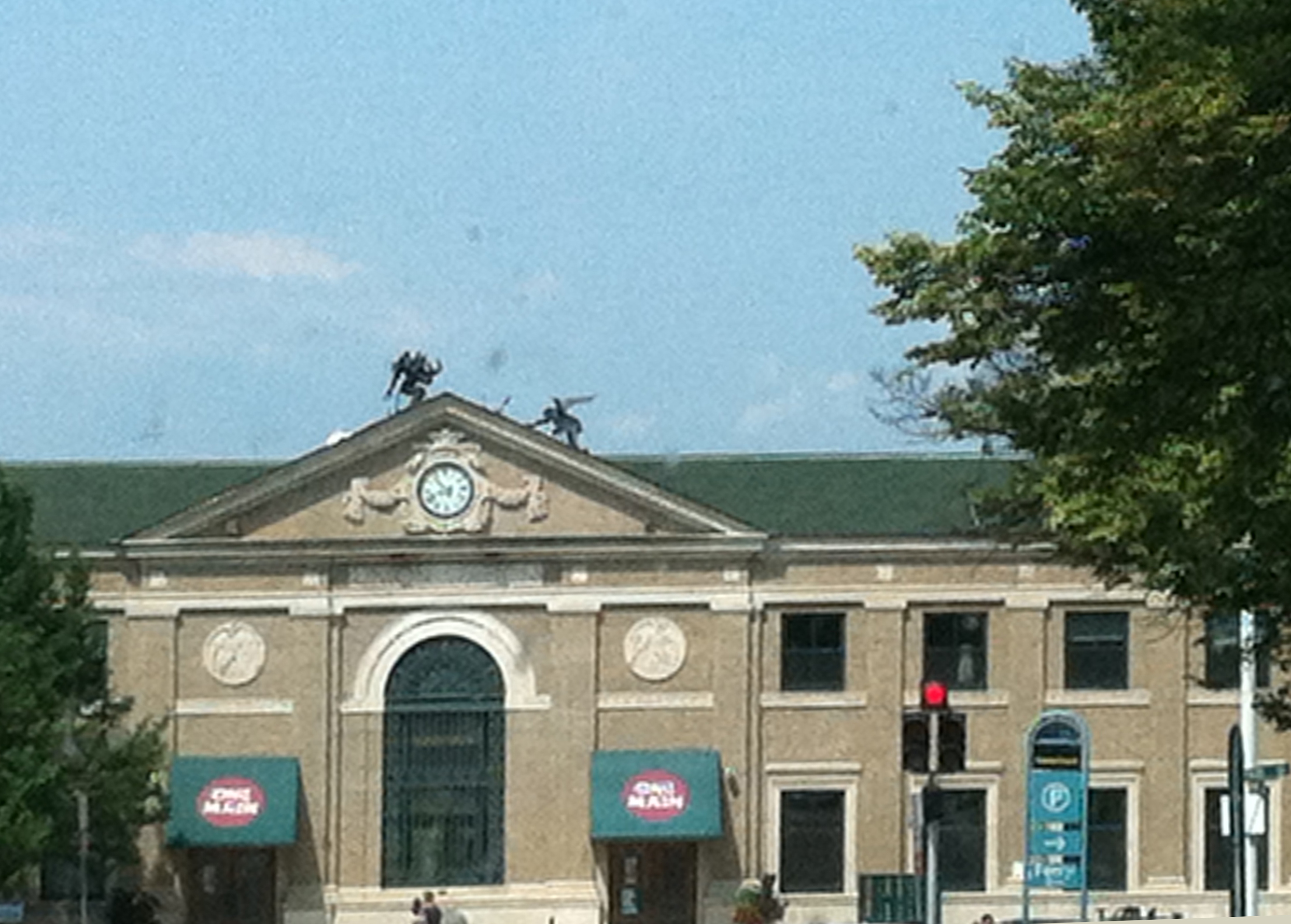
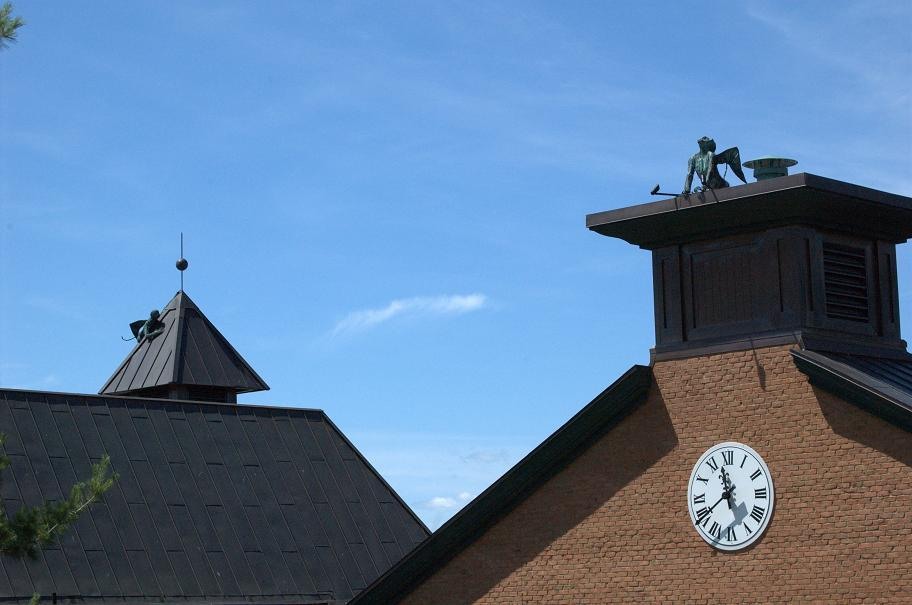
Seen in Burlington, Vermont, on the way to the ferry dock.  These are some of the flying monkeys of Burlington.

A few more:

monkey3

monkey1

Created by sculptor, Steve Larabee, to augment a Burlington business called the Emerald City, these iconic statues have found a home on top of the building One Main,  other flying monkey statues have been added to several other Burlington edifices over the years.

The best place to see them is on the approach to the Burlington-Port Kent ferry against the backdrop of Lake Champlain and the Adirondack Mountains.  They are a landmark I always look for when making the trip to and from Maine.

More information here at Kuriositas.

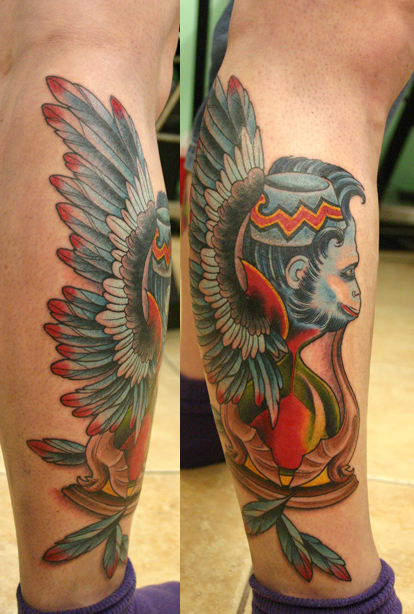
It’s Tuesday – is there a tattoo to go along with this post?  But, of course!

flying monkey4

h1

What event am I commemorating?

July 1, 2014

This post is reblogged from Lights in the Dark, with thanks.

Cassini Marks Ten Discovery-Filled Years at Saturn

Cassini by the Numbers: an infographic of the spacecraft's achievements over the past decade (NASA/JPL-Caltech)

Just a week after Curiosity celebrated its first Martian year in Gale Crater and we have yet another milestone anniversary in Solar System exploration: as of 10:48 p.m. EDT tonight Cassini will have been in orbit around Saturn for a full decade!

“There are times when human language is inadequate, when emotions choke the mind, when the magnitude of events cannot properly be conveyed by the same syllables we use to navigate everyday life. The evening of June 30, 2004 was such a time.” 

– Carolyn Porco, Cassini Imaging Team Leader, CICLOPS “Captain’s Log” on June 30, 2014

That’s ten years and over 2 billion miles of discoveries and explorations of our Solar System’s most majestic planet and its incredibly varied family of moons. Over the course of its primary mission and three extended missions, we have been able to get a close-up look at Saturn and its moons like never before, witnessing first-hand the changes that occur as their seasons change. What’s been discovered by the Cassini mission about Saturn has offered invaluable insight into the evolution of our entire Solar System, as well as planets that could be found elsewhere in our galaxy.

“Having a healthy, long-lived spacecraft at Saturn has afforded us a precious opportunity,” said Linda Spilker, Cassini project scientist at NASA’s Jet Propulsion Laboratory in Pasadena, California. “By having a decade there with Cassini, we have been privileged to witness never-before-seen events that are changing our understanding of how planetary systems form and what conditions might lead to habitats for life.”

Launched on October 15, 1997, the Cassini-Huygens spacecraft established orbit around Saturn on June 30, 2004 (July 1, UTC).

Enceladus' icy geysers, one of the most important discoveries by Cassini

From a NASA news release:

After 10 years at Saturn, the stalwart spacecraft has beamed back to Earth hundreds of gigabytes of scientific data, enabling the publication of more than 3,000 scientific reports. Representing just a sampling, 10 of Cassini’s top accomplishments and discoveries are:

The surface of Titan seen by the Huygens probe in 2005 (ESA/NASA/JPL)

• The Huygens probe makes first landing on a moon in the outer solar system (Titan)
• Discovery of active, icy plumes on the Saturnian moon Enceladus
• Saturn’s rings revealed as active and dynamic — a laboratory for how planets form
• Titan revealed as an Earth-like world with rain, rivers, lakes and seas
• Studies of Saturn’s great northern storm of 2010-2011
• Studies reveal radio-wave patterns are not tied to Saturn’s interior rotation, as previously thought
Vertical structures in the rings imaged for the first time
• Study of prebiotic chemistry on Titan
• Mystery of the dual, bright-dark surface of the moon Iapetus solved
• First complete view of the north polar hexagon and discovery of giant hurricanes at both of Saturn’s poles

“It’s incredibly difficult to sum up 10 extraordinary years of discovery in a short list, but it’s an interesting exercise to think about what the mission will be best remembered for many years in the future,” Spilker said.

(Learn more about each of the above discoveries here.)

“Our team has done a fantastic job optimizing trajectories to save propellant, and we’ve learned to operate the spacecraft to get the most out of it that we possibly can. We’re proud to celebrate a decade of exploring Saturn, and we look forward to many discoveries still to come.”

– Earl Maize, Cassini project manager at JPL

Of course, if you’re like me some of the most exciting parts of the Cassini mission have been the pictures! What amazing views of Saturn, its rings, and its moons we’ve gotten from Cassini… each one a glorious gem in its own right, and thanks to the talent and hard work of the Cassini imaging team at the Space Science Institute (SSI) in Boulder, Colo. the entire world has been able to go along for the ride… and very near literally, too.

Mosaic from the Cassini imaging team of Saturn on July 19, 2013… the “Day the Earth Smiled” (NASA/JPL-Caltech/SSI)

If you’d like to relive the experience of Cassini’s ten years at Saturn as a photojournal, visit SSI’s CICLOPS page here and check out the pictures on a month-by-month basis across the entire mission timeline (including some equally incredible images from its previous Jupiter encounter as well!)

You can also see some of the Cassini team’s favorite images from Saturn here, and find out what’s coming up in the next few years as Cassini’s explorations continue!

Here’s to many more discoveries about our Solar System’s very own “lord of the rings!”

h1

What am I sappy chipmunk blogging?

July 1, 2014


chipmunk

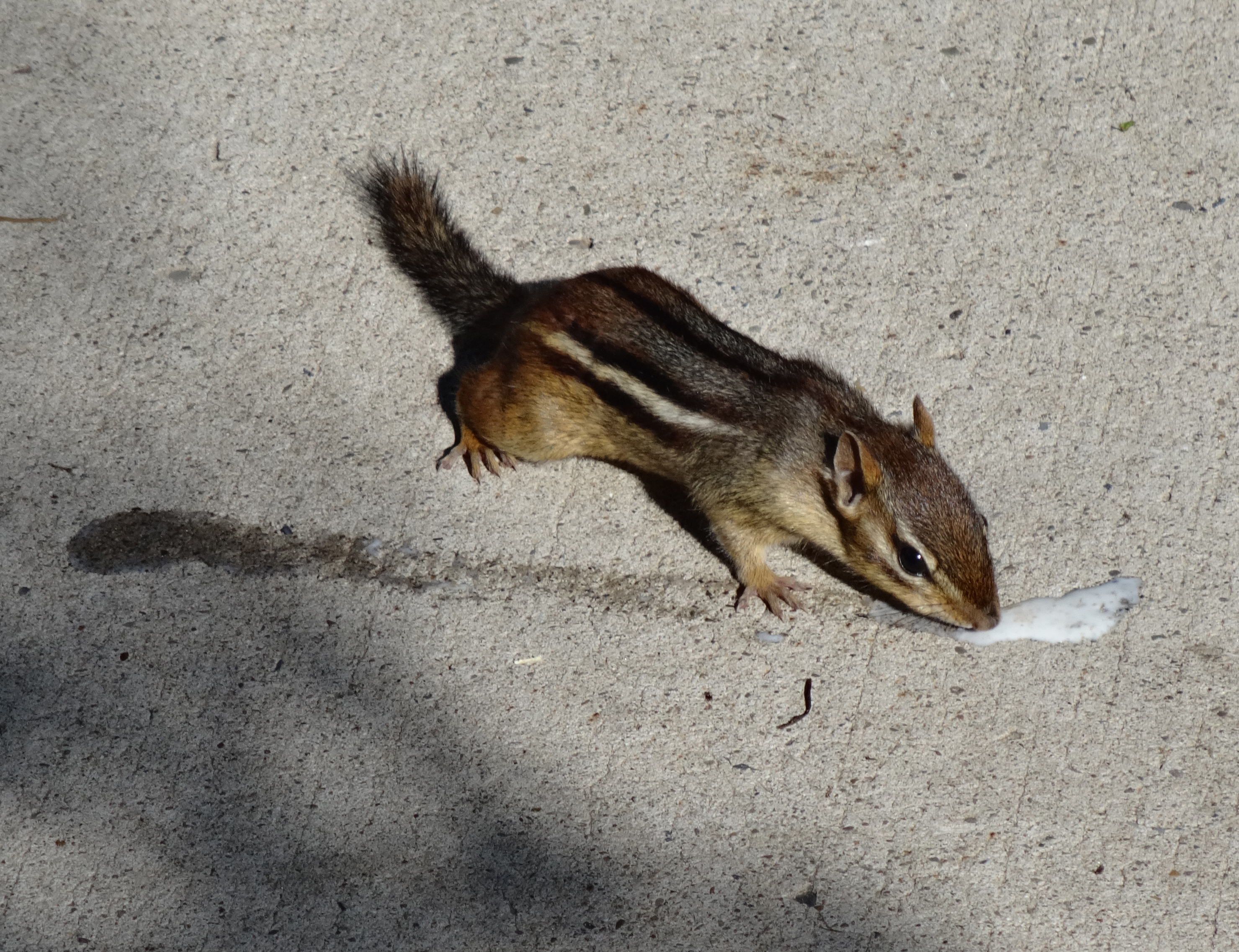
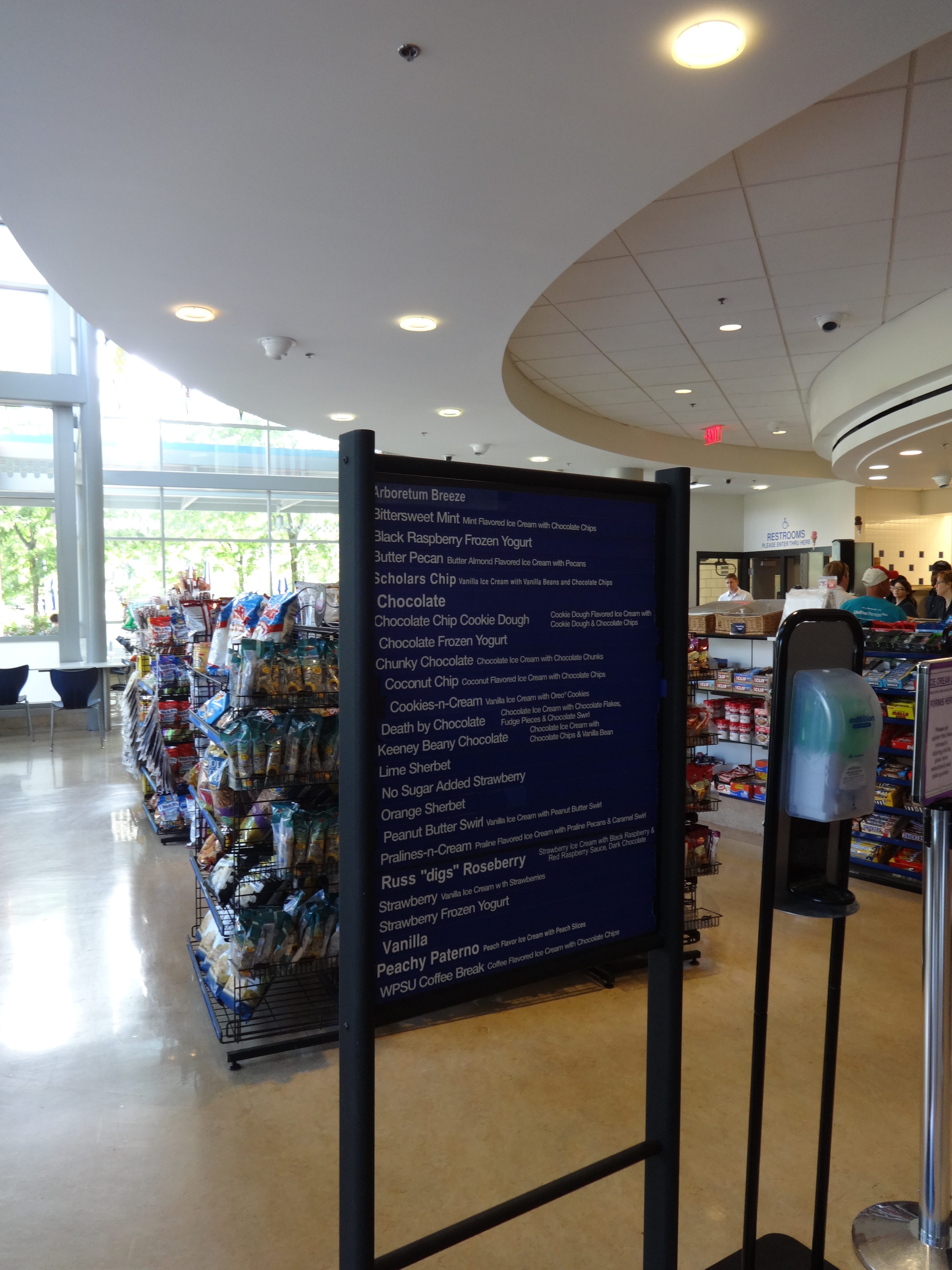
While traveling on vacation, we ran into this little fellow in State College, PA at the Berkey Creamery.  Someone’s misfortune provided a welcome snack for this chipmunk who slurped up some melted ice cream that had spilled onto the sidewalk outside the creamery.

DSC01233

DSC01235


h1

What am I watching?

June 12, 2014


Timelapse photography of the Northern Lights filmed in Iceland by Boris Schaarschmidt.

Reblogged from Creative Dreamers with thanks

h1

Who discovered what today?

June 9, 2014

cartier stamp

Cartier discovers St. Lawrence River

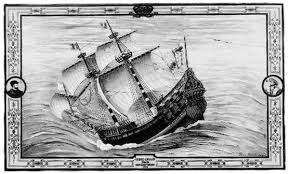
Four hundred-eighty years ago, on June 9, 1534, Jacques Cartier’s party sailed into the St. Lawrence River.  This excursion began in France in April of 1534.  Cartier’s mission was to find gold and spices, and passage by water from Europe to Asia.  While he failed in his mission to find a water route to China, Cartier had discovered an important water route into what would become Canada and the United States.  In fact Canada was named by Cartier.  He met with Iroquois people who gave him directions upriver to a town or settlement.  “Kanata” signifies a village in the Huron-Iroquois tongue.  The word has come to be the name for an entire nation.

 cartier's shipCartier’s ship Grand Hermine


lachine_21

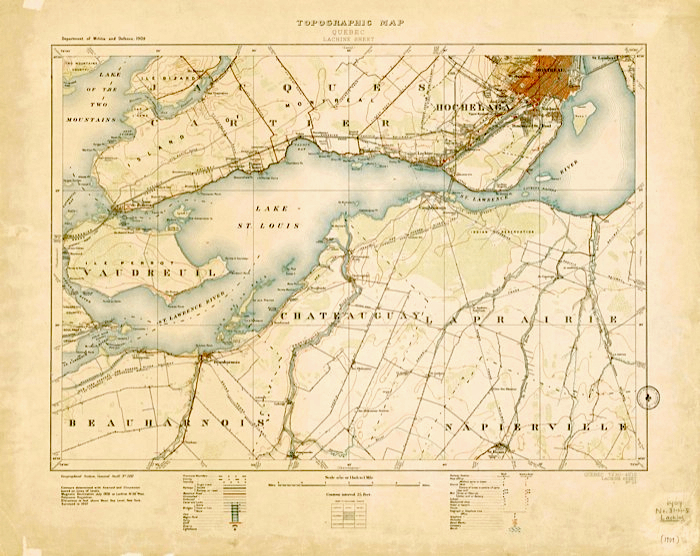
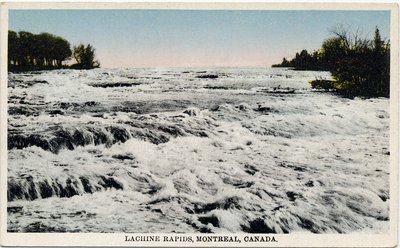
While Cartier recognized the North American continent for what it was – a separate land mass from Europe and Asia, he hoped that the St. Lawrence would furnish passage to China.  That is why the rapids near Montreal are named the Lachine Rapids.

lachine

The Lachine Rapids are a series of rapids on the Saint Lawrence River, between the Island of Montreal and the south shore. They are located near the former city of Lachine. The Lachine Rapids contain large standing waves because the water volume and current do not change with respect to the permanent features in the riverbed, namely its shelf-like drops. Seasonal variation in the water flow does not change the position of the waves, although it does change their size and shape. The rapids are about 3 miles (4.8 km) in length. In the past these represented a considerable barrier to maritime traffic. Until the construction of the Lachine Canal through Montreal, the rapids had to be portaged.

Refs.  America’s Library, Wikipedia.

h1

What event am I noting today?

May 29, 2014

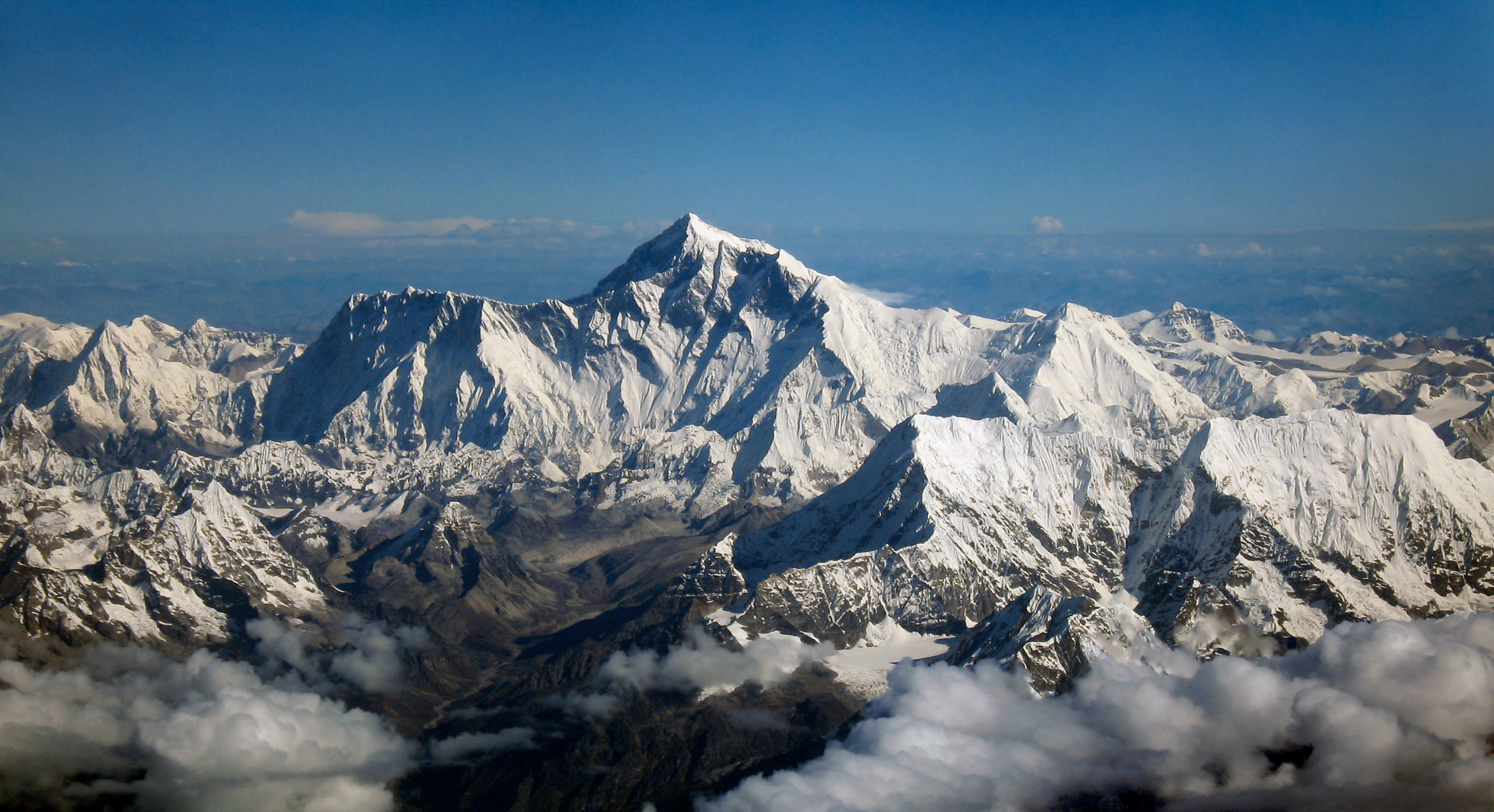
Everest

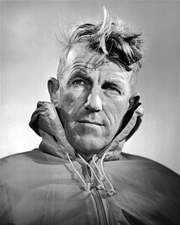
1953 Everest Expedition

The route to Everest was closed by Chinese-controlled Tibet, and Nepal only allowed one expedition per year. A Swiss expedition (in which Tenzing took part) had attempted to reach the summit in 1952 but was turned back by bad weather and exhaustion 800 feet (240 m) from the summit. During a 1952 trip in the Alps, Hillary discovered that he and his friend George Lowe had been invited by the Joint Himalayan Committee for the approved British 1953 attempt and immediately accepted.

Shipton was named as leader but was replaced by Hunt. Hillary considered pulling out, but both Hunt and Shipton talked him into remaining. Hillary was intending to climb with Lowe but Hunt named two teams for the assault: Tom Bourdillon and Charles Evans; and Hillary and Tenzing. Hillary therefore made a concerted effort to forge a working friendship with Tenzing.

The Hunt expedition totalled over 400 people, including 362 porters, twenty Sherpa guides and 10,000 lbs of baggage,and like many such expeditions, was a team effort. Lowe supervised the preparation of the Lhotse Face, a huge and steep ice face, for climbing. Hillary forged a route through the treacherous Khumbu Icefall.

The expedition set up base camp in March 1953. Working slowly it set up its final camp at the South Col at 25,900 feet (7,890 m). On 26 May Bourdillon and Evans attempted the climb but turned back when Evans’ oxygen system failed. The pair had reached the South Summit, coming within 300 vertical feet (91 m) of the summit. Hunt then directed Hillary and Tenzing to go for the summit.

Snow and wind held the pair up at the South Col for two days. They set out on 28 May with a support trio of Lowe, Alfred Gregory and Ang Nyima. The two pitched a tent at 27,900 feet (8,500 m) on 28 May while their support group returned down the mountain. On the following morning Hillary discovered that his boots had frozen solid outside the tent. He spent two hours warming them before he and Tenzing attempted the final ascent wearing 30-pound (14 kg) packs.[14] The crucial move of the last part of the ascent was the 40-foot (12 m) rock face later named the “Hillary Step”. Hillary saw a means to wedge his way up a crack in the face between the rock wall and the ice and Tenzing followed. From there the following effort was relatively simple. Tenzing Norgay stated in his narration “The Dream Comes True” that Hillary had indeed taken the first step atop Mount Everest, despite Hillary quoting that both had reached the summit at the same time. They reached Everest’s 29,028 ft (8,848 m) summit, the highest point on earth, at 11:30 am. As Hillary put it, “A few more whacks of the ice axe in the firm snow, and we stood on top.”

They spent only about 15 minutes at the summit. Hillary took the famous photo of Tenzing posing with his ice-axe, but since Tenzing had never used a camera, Hillary’s ascent went unrecorded.  However, according to Tenzing’s autobiography Man of Everest, when Tenzing offered to take Hillary’s photograph Hillary declined: “I motioned to Hillary that I would now take his picture. But for some reason he shook his head; he did not want it.” Tenzing left chocolates in the snow as an offering and Hillary left a cross that he had been given by John Hunt.  Additional photos were taken looking down the mountain in order to confirm that they had made it to the top and that the ascent was not faked.

The two had to take care on the descent after discovering that drifting snow had covered their tracks, complicating the task of retracing their steps. The first person they met was Lowe, who had climbed up to meet them with hot soup.

Ref.: Wikipedia

edmund Hillary_and_tenzingHillary and Tenzing Norgay

Over a period of nearly twenty years, [Tenzing Norgay] had made himself a part of every expedition that set out to put a man on the top of Mt. Everest. He had climbed as a lowly porter and as a respected member of the climbing team. He had accompanied large, confident armies (such as the 1936 and 1953 British Everest Expeditions) on their way to the summit, but he had also gone to the mountain with a solitary climber, Earl Denman, in 1947, on the chance that even this might give him an opportunity to get to the top. By 1953, he had probably spent more time on Mt. Everest than any other human being – and had come closer to its summit. Only months before his successful climb with Edmund Hillary, he and Raymond Lambert of the 1952 Swiss expedition, had come within 1,000 feet of the summit — the highest point that anyone had reached until then. Unlike most of his fellow Sherpas of the time for whom, by and large, climbing was just a challenging way of making a living, Tenzing desperately wanted to get to the summit of Mt. Everest and devoted most of his life to this goal. “For in my heart,” he once said, “I needed to go . . . the pull of Everest was stronger for me than any force on earth.” If there was ever anyone who deserved to get there first, it was Tenzing.

Tenzing Norgay website

Edmund_hillary2

edumund_hillary3

edmund-hillarySir Edmund Hillary died in 2008.

He is buried near his home in New Zealand.

That is the thing that international travel brings home to me – it’s always good to be going home.

This is the only place I want to live in; this is the place I want to see out my days.

— Edmund Hillary, speaking about Auckland’s West Coast

h1

What is tattoo Tuesday about?

May 27, 2014

golden_gate_bridge_wall_mural

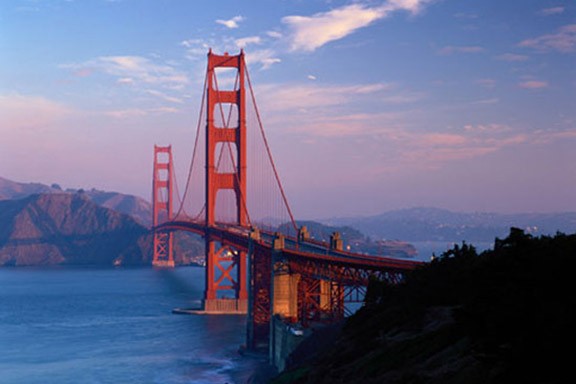
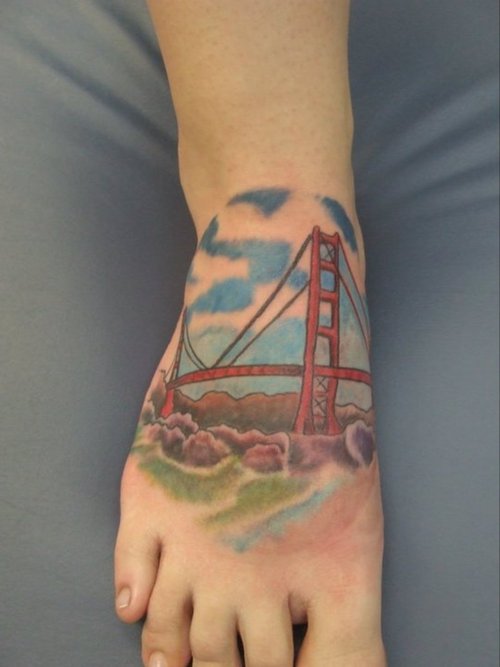
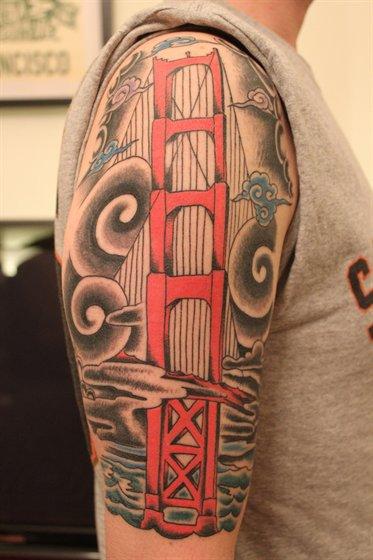
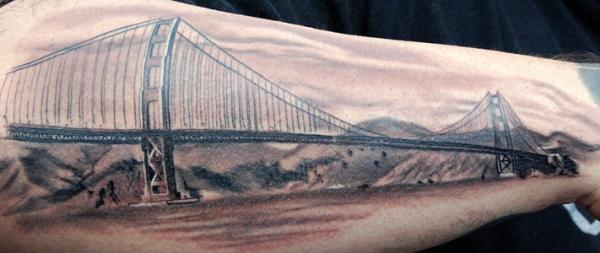
Movie star, romantic icon, the “thirty-five million dollar steel harp,” all refer to the Golden Gate Bridge, opened this day in 1937.  Here is some trivia about the bridge.

And here are the tattoos:

golden gate 4

golden gate 3

golden gate1

golden gate 2

Click here for some of the movies in which the bridge appears.

(I think Star Trek, the Voyage Home is missing.)


h1

What do we celebrate today?

May 22, 2014

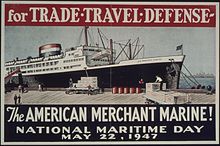
We celebrate those who go down to the sea in ships on National Maritime Day.

savannah

National Maritime Day is a United States holiday created to recognize the maritime industry. It is observed on May 22, the date that the American steamship Savannah set sail from Savannah, Georgia on the first ever transoceanic voyage under steam power. The holiday was created by the United States Congress on May 20, 1933. – Wikipedia

220px-'For_Trade,_Travel,_Defense'_-_NARA_-_514306

It is a time to observe its maritime heritage, to honor those who served as merchant mariners, and to recognize the benefits of the maritime industry.

The contributions made by the US merchant marine ships and men are important throughout our history, but became particularly crucial during World War II, bringing supplies to our allies and playing an important role in bringing troops home.  Here is a short history of this day of observance.

Merchant Marine Liberty Ship

seamen wanted