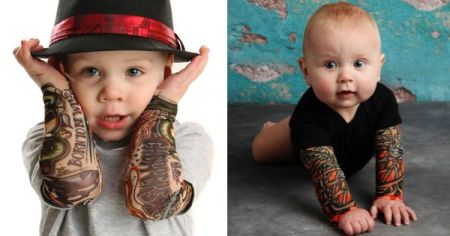
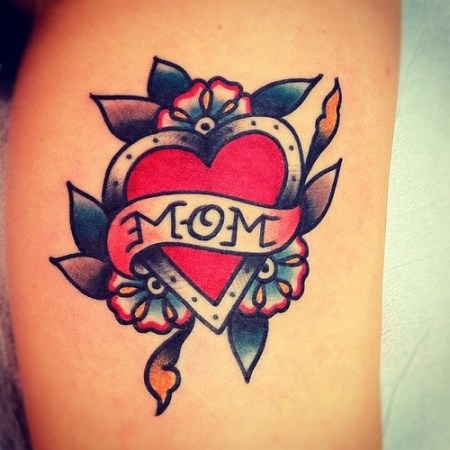
If you are too chicken to commit to ink, here are some alternatives . . .


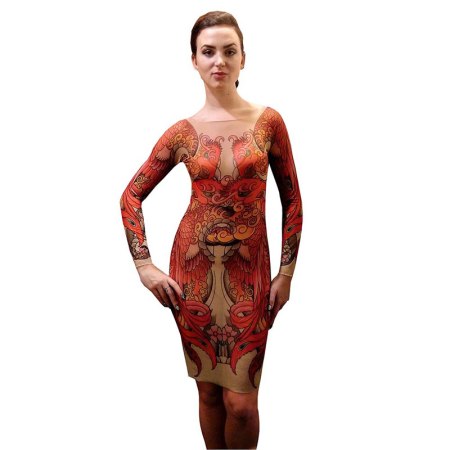

If you are too chicken to commit to ink, here are some alternatives . . .
April 25 is National DNA Day. So put on your best genes and celebrate!
It commemorates the day in 1953 when James Watson, Francis Crick, Maurice Wilkins, Rosalind Franklin and colleagues published papers in the journal Nature on the structure of DNA. Furthermore, on that day in 2003 it was declared that the Human Genome Project was very close to complete, and “the remaining tiny gaps [we]re considered too costly to fill.” – Wikipedia
People do lots of interesting things with the double helix concept . . .
 Genome walk in Alabama
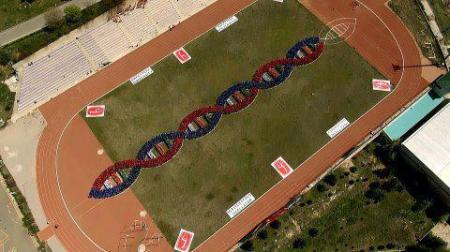
World’s largest DNA depiction made up of humans
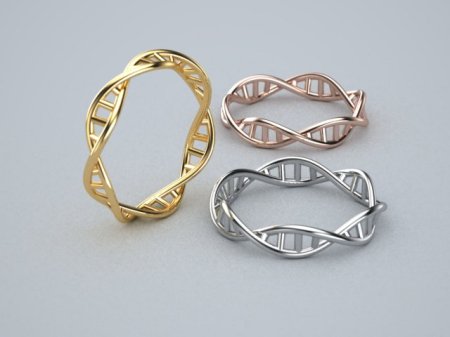
Cool jewelry
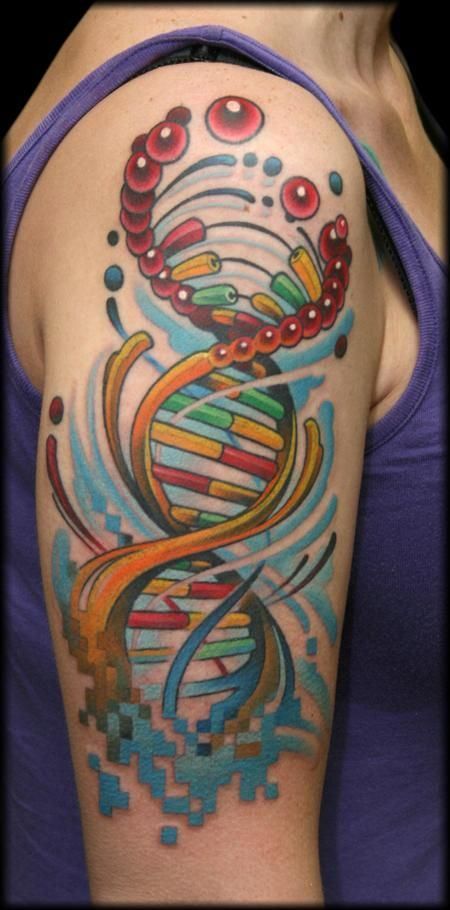 Tattoos, of course

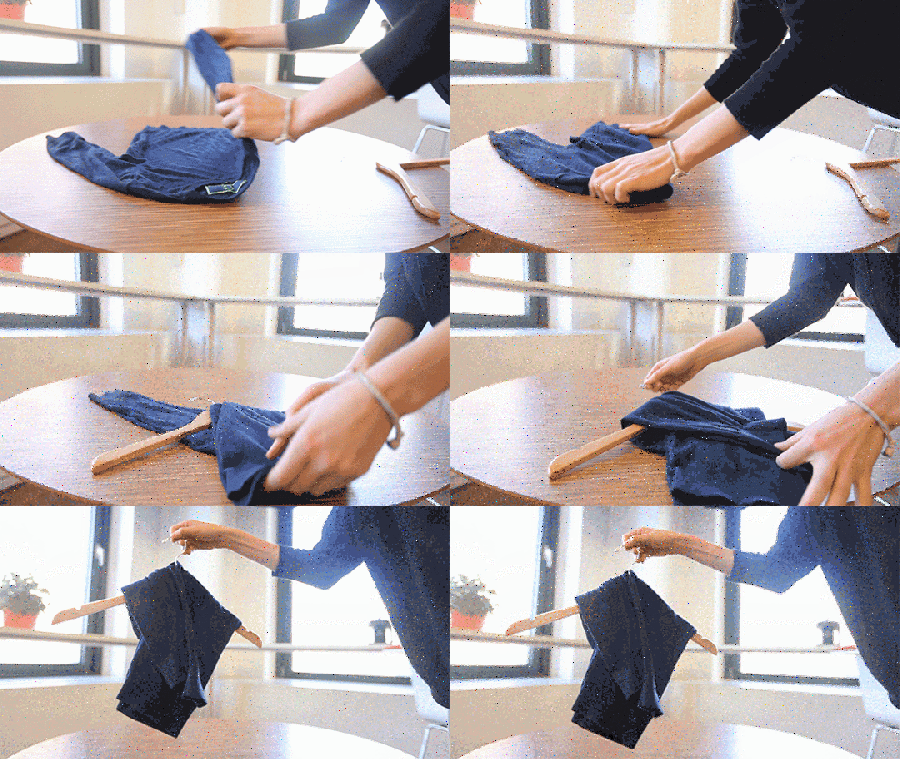
They seem kind of OCD, but I may try the t-shirt techniques – especially the last one.
These and more from Apartment Therapy.
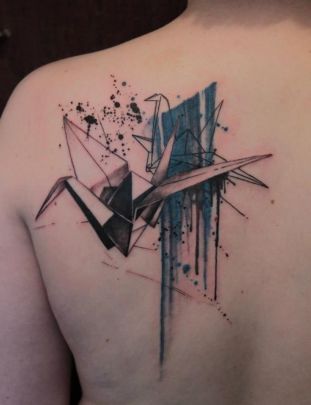
It is tattoo Tuesday and the topic is folding, so . . .

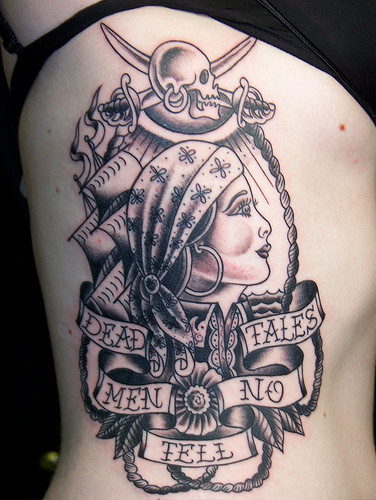
Today is the birthday of my nom de blog, Anne Bonney, born in 1702 in Kinsale, Ireland.

It is tattoo Tuesday:
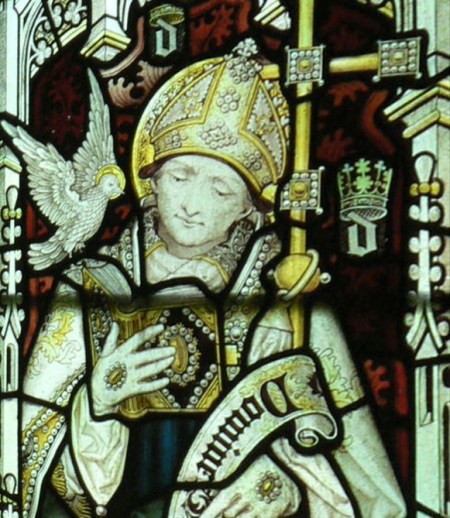
St David is the patron saint of Wales. March 1 is his feast day.
Saint David (Welsh: Dewi Sant) was born towards the end of the 5th century. He was a scion of the royal house of Ceredigion, and founded a Celtic monastic community at Glyn Rhosyn (The Vale of Roses) on the western headland of Pembrokeshire (Welsh: Sir Benfro) at the spot where St David’s Cathedral stands today.

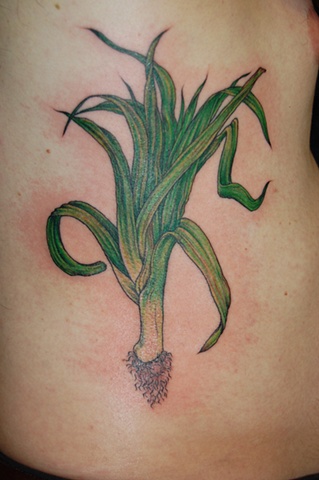
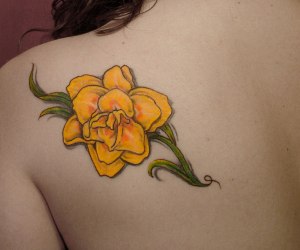
Many Welsh people wear one or both of the National symbols of Wales to celebrate St. David: the daffodil (a generic Welsh symbol) or the leek (Saint David’s personal symbol) on this day. The leek arises from an occasion when a troop of Welsh were able to distinguish each other from a troop of English enemy dressed in similar fashion by wearing leeks.
Source – Wikipedia
It is also tattoo Tuesday . . .
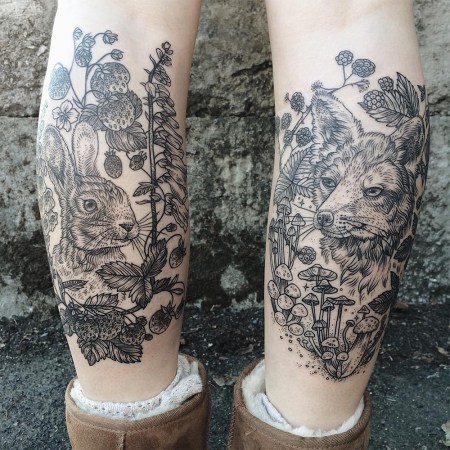 Tattoo artist Pony Reinhardt creates delicate collisions of plants, animals, and elements of space and alchemy in her black line tattoos reminiscent of vintage woodcut etchings. Studies of anatomy mingle with constellations and crystals, while woodland creatures right out of a storybook are wreathed in densely illustrated greenery. Reinhardt graduated from the Maryland Institute College of Art with a BFA degree in fibers and her artwork has been exhibited in the Smithsonian National Gallery of Art as well as earning a number of awards and accolades. She founded an appointment-only tattoo studio in Portland called Tenderfoot Studio, and you can see many more of her pieces on Istagram. (via Illusion)

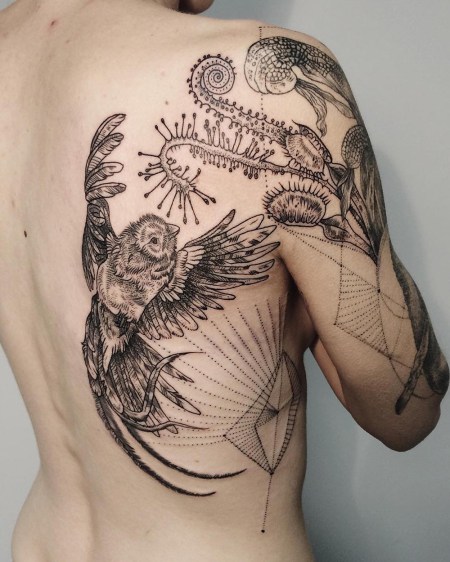
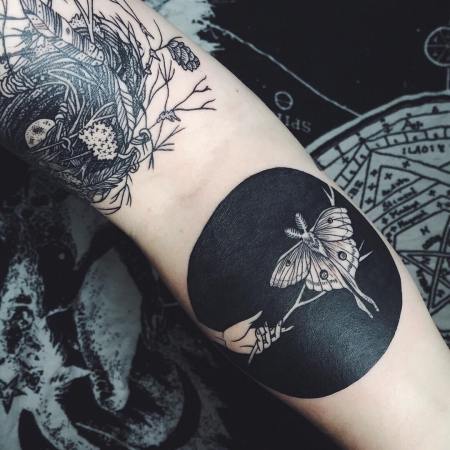
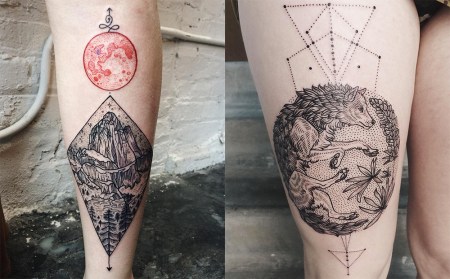
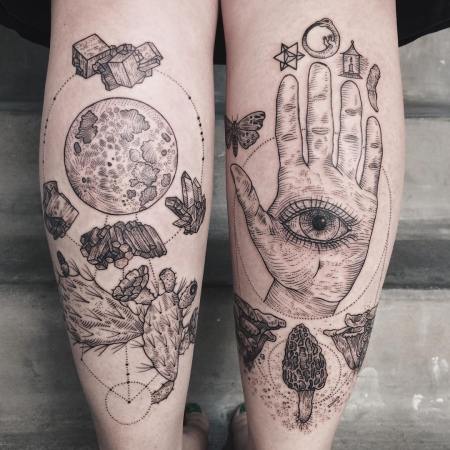
Story by Christopher Jobson at Colossal
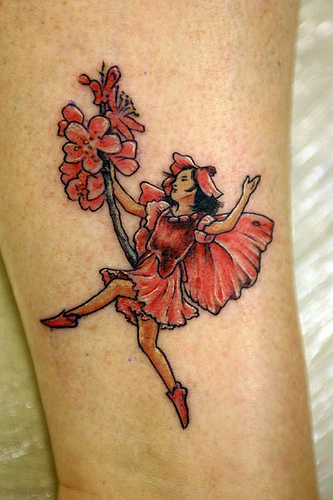
This is the Almond Fairy and today is Almond Day.
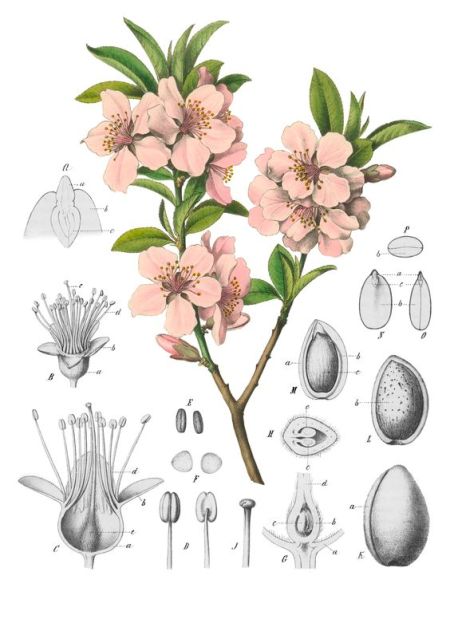
Almonds are native to the Middle East and South Asia. They are actually a seed rather than a nut and are relatives of peaches, plums, apricots and other drupes.
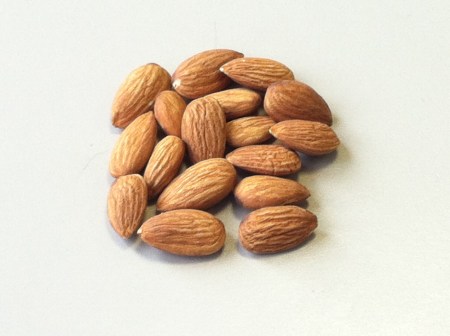
In addition to being tasty on their own, they are the basis for marzipan, orgeat, frangipane, moisturizing almond oil, almond butter, almond milk, and of course, the scent of bitter almonds.

Russian artist Boris Kustodiev’s Maslenitsa (1916)
I never thought about the origin of Lent, so I was interested to read this history on Wikipedia:
“It is probably impossible to know when the tradition of marking the start of Lent began. Ælfric of Eynsham’s “Ecclesiastical Institutes” of about A.D. 1000 includes: “In the week immediately before Lent everyone shall go to his confessor and confess his deeds and the confessor shall so shrive him as he then may hear by his deeds what he is to do [in the way of penance]”.
Some suggest that the Pancake Tuesday was originally a pagan holiday. Before the Christian era, the Slavs believed that the change of seasons was a struggle between Jarilo, the god of vegetation, fertility and springtime, and the evil spirits of cold and darkness. People believed that they had to help Jarilo fight against winter and bring in the spring. The most important part of Maslenitsa week (the whole celebration of the arrival of spring lasted one week) was making and eating pancakes. The hot, round pancakes symbolized the sun. The Slavs believed that by eating pancakes, they got the power, light and warmth of the sun. The first pancake was usually put on a window for the spirits of the ancestors. On the last day of Maslenitsa week some pancakes and other food were burnt in a bonfire as a sacrifice to the pagan gods.”
I read somewhere that housekeepers wanted to use up all of the food that would spoil during the period of Lent and that is how Mardi Gras or Fat Tuesday came to be. In the time before refrigeration butter, oil and meat might go off during the the 40 days of Lent and so were used up in Mardi Gras feasting.
In the festivals listed on Wikipedia, pancakes, green peas, and general merry making feature in many cultures on this day before Ash Wednesday.


It wasn’t me. It was astronaut Scott Kelly on the space station who grew this flower from seed in space using the same technology being employed in urban vertical greenhouses. Still amazing.
As part of a new series of experiments aboard the International Space Station to study how plants grow in microgravity, astronauts have planted and cultivated an entire flower garden. This weekend, astronaut Scott Kelly tweeted a significant step in their research: this firey zinnia bloom, the first flower grown entirely in space. Plants like lettuce have aready been grown and eaten aboard the ISS, but the VEG-01 project is meant to explore how astronauts will eventually grow more complex foods like tomatoes. (Its Colossal)
Firearms, fibers, any news or behaviors that make me say, "hmm, let me take another look at this."
I still miss my man, but my aim is getting better.










 Gunsmoke and Knitting