Posts Tagged ‘history’

h1

What am I celebrating?

January 26, 2016

bubblewra[mature_o_554783

Bubble Wrap Appreciation Day – celebrated on the last Monday in January.  Bubble wrap was developed by two inventors, Alfred Fielding and Marc Chavannes, in 1958 in an attempt to create a dimensional wall paper.  That idea did not take off, but bubble wrap as packaging material has existed since 1960.

bubblewrapiris-van-herpen-luxury-bubble-wrap-costume

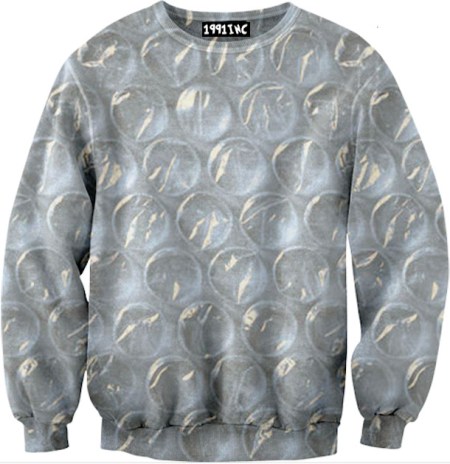
Bubble wrap is also an interesting fabric for high fashion and casual wear.

bubble-wrap-sweatshirt-1-27-14

You can also get a virtual bubble wrap app for your Android or iPhone.

h1

Whose birthday am I celebrating on tattoo Tuesday?

December 8, 2015

eli whitney

Eli Whitney was born on the day is 1765 in Westboro, Massachusetts.  Although known for inventing the cotton gin, a machine that greatly simplified the process of removing the seeds of the cotton plant from the fiber, he should also be remembered for pioneering the idea of interchangeable parts for machinery – important ideas for the rise of industrialism.  Click here for a short biography.

It is Tuesday – so here is the tattoo du jour:

cotton

h1

What day am I noting?

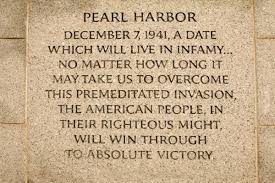
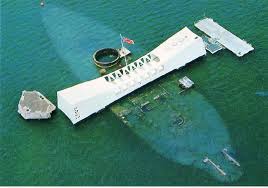
December 7, 2015

pearl harbor2

pearl harbor

h1

Whose birthday am I celebrating?

October 15, 2015

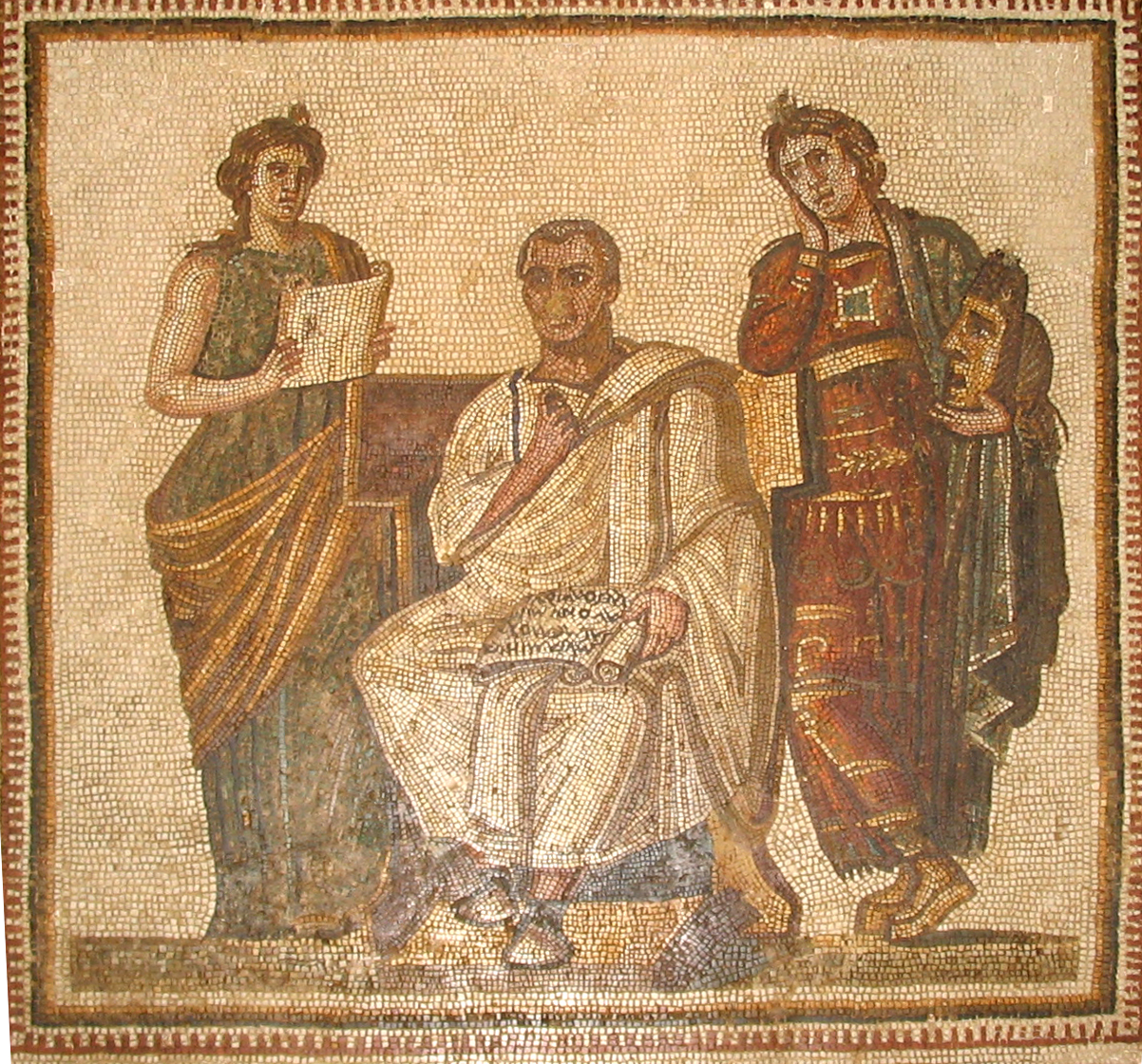
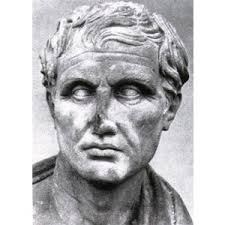
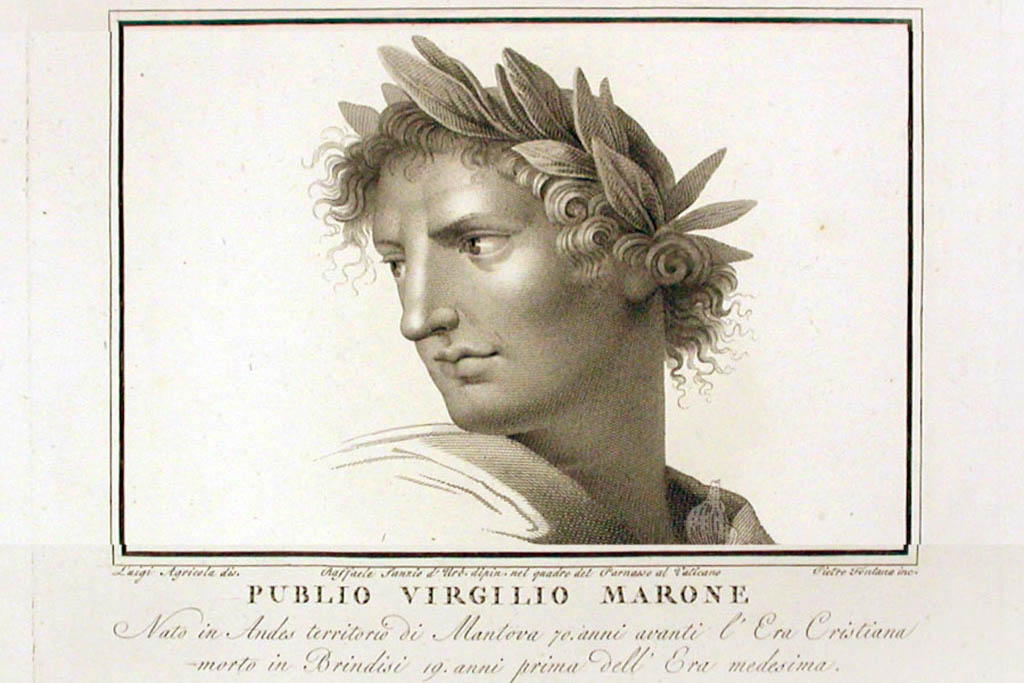
VirgilHappy  Birthday to Publius Vergilius Maro, born this day in 70 BC in Lombardy, Italy.  Virgil was a classical Roman poet, best known for three major works—the Eclogues (or Bucolics), the Georgics, and the Aeneid. The son of a farmer, Virgil came to be regarded as one of Rome’s greatest poets. His Aeneid can be considered a national epic of Rome and has been extremely popular from its publication to the present day.  Reference  (That’s Virgil in the middle up above between Clio and Melpomene)


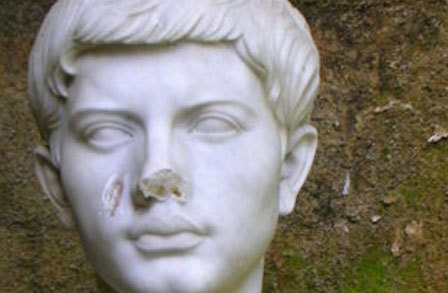
Virgil is also characterized by having his nose missing in many of his portraits –

virgil3

virgil2a coincidence? – maybe not . . .

virgile-576


h1

What event am I noting today?

September 30, 2015

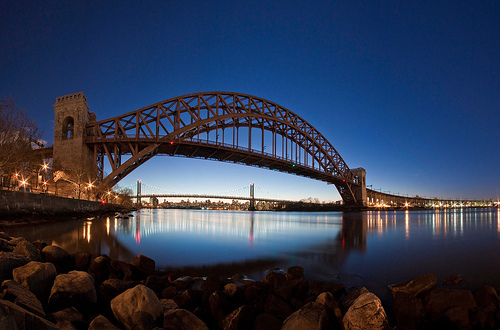
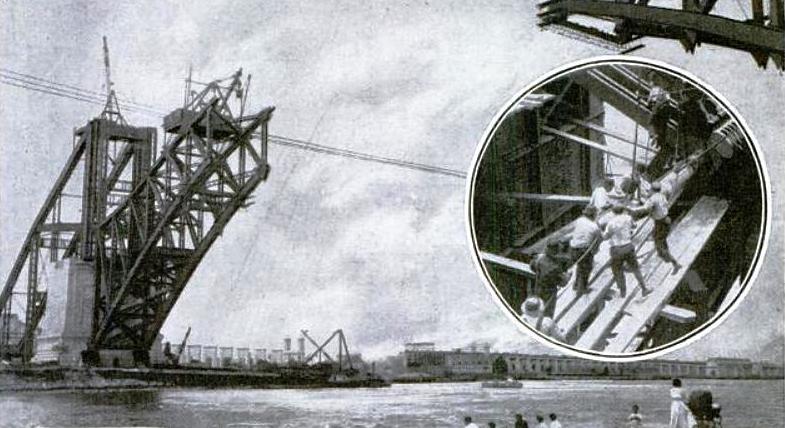
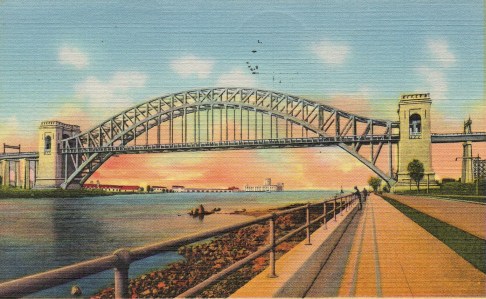
hellgatebridgepostcardThe Hell Gate Bridge over the East River in New York was opened on September 30, 1916.

The Hell Gate Bridge (originally the New York Connecting Railroad Bridge or The East River Arch Bridge) is a 1,017-foot (310 m)steel through arch railroad bridge in New York City. The bridge crosses the Hell Gate, a strait of the East River, between Astoria in Queens and Randalls and Wards Islands in Manhattan.

The bridge is the largest of three bridges that form the Hell Gate complex. An inverted bowstring truss bridge with four 300-foot (91.4 m) spans crosses the Little Hell Gate (now filled in); and a 350-foot (106.7 m) fixed truss bridge crosses the Bronx Kill (now narrowed by fill). Together with approaches, the bridges are more than 17,000 feet (3.2 mi; 5.2 km) long.

hell gate

This bridge was the inspiration for the design of Sydney Harbour Bridge in Australia, which is about 60 percent larger.

The bridge was conceived in the early 1900s to link New York and the Pennsylvania Railroad (PRR) with New England and the New Haven Railroad (NH).

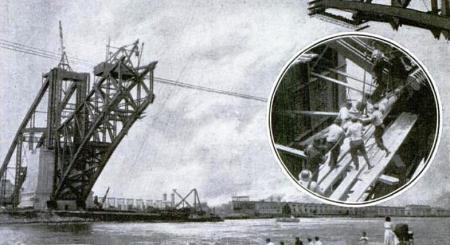
Construction was overseen by Gustav Lindenthal, whose original design left a gap of 15 feet (4.6 m) between the steel arch and the masonry towers. Fearing that the public assumed that the towers were structurally integral to the bridge, Lindenthal added aesthetic girders between the upper chord of the arch and the towers to make the structure appear more robust. The original plans for the piers on the long approach ramps called for a steel lattice structure. The design was changed to smooth concrete to soothe concerns that asylum inmates on Wards and Randall’s islands would climb the piers to escape.
Hell_Gate_Bridge_1915_Arch_Construction

The engineering was so precise that when the last section of the main span was lifted into place, the final adjustment needed to join everything together was just 12 inch (13 mm). Construction of the Hell Gate Bridge began on March 1, 1912 and ended on September 30, 1916. It was the world’s longest steel arch bridge until the Bayonne Bridge opened in 1931, and was surpassed again by the Sydney Harbour Bridge in 1932.

During World War II, it was among the dozen or so targets of economic value of significant enough importance to attract the attention of Nazi German sabotage planners. The Nazis’ Operation Pastorius landed German agents on US soil in 1942 in hopes of wrecking the bridge and other key targets. (Operation Pastorius failed due to detection of some landing activity by US shore patrols and subsequent defections among some of the German landing team’s members to the Allied side.)

In the 1990s, the bridge was repainted for the first time since it opened. It was painted a deep red called “Hell Gate Red”. Due to a flaw in the paint, however, the red color began to fade before the work was completed, leading to the bridge’s currently faded, splotchy appearance.

The bridge would be the last New York City bridge to collapse if humans disappeared, taking at least a millennium to do so, according to the February 2005 issue of Discover magazine. Most other bridges would fall in about 300 years.
hell gate lionel

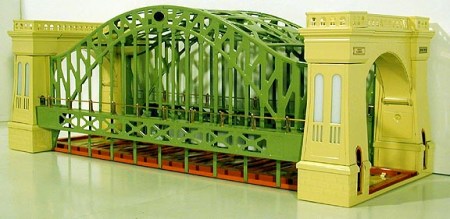
Lionel has a wonderful model of this bridge (which I covet).

The article was copied from Wikipedia because I thought the whole thing was interesting.

h1

Whose birthday am I noting on tattoo Tuesday?

September 15, 2015

fay ray and man ray


No, no.  Not this Fay Ray . . .
 

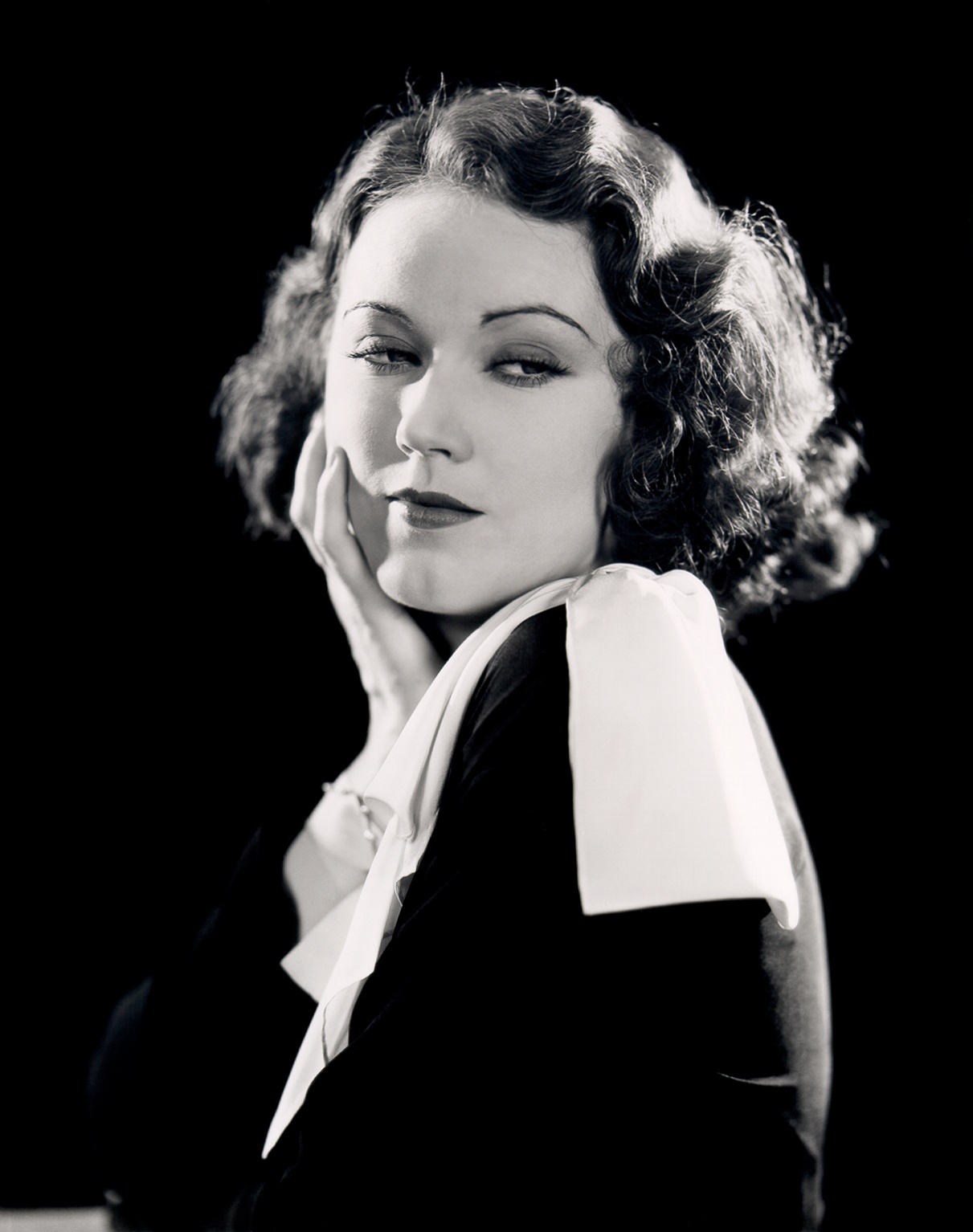
Wray, Fay_05

This Fay Wray – who was born on September 15 in 1907.  Although best known for her role in King Kong, Miss Ray had a career in film and television that spanned 57 years.

She appeared other films such as The Countess of Monte Cristo,  Doctor X, and The Most Dangerous Game, and on television in shows such as Alfred Hitchcock Presents, Perry Mason, and Playhouse 90.

Fay Wray died quietly in her sleep on August 8, 2004.  She was 96 years old.  Two days after her death, the lights of the Empire State Building were extinguished for 15 minutes in her memory.

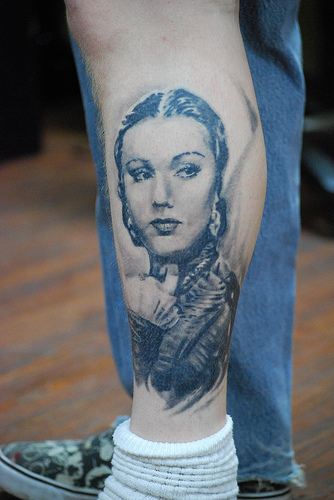
Of course, someone is sporting a tattoo of this lovely lady . . .

wray tattooCredit:  Wikipedia

h1

Whose birthday am I noting on tattoo Tuesday?

August 18, 2015

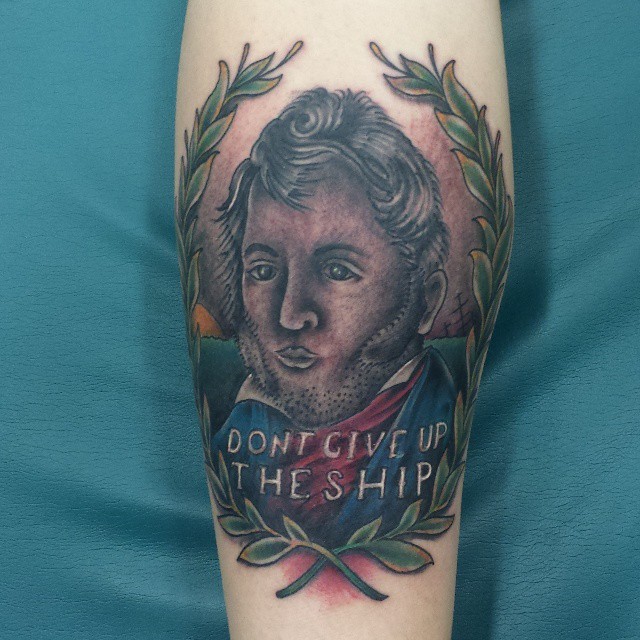
perry tattoo

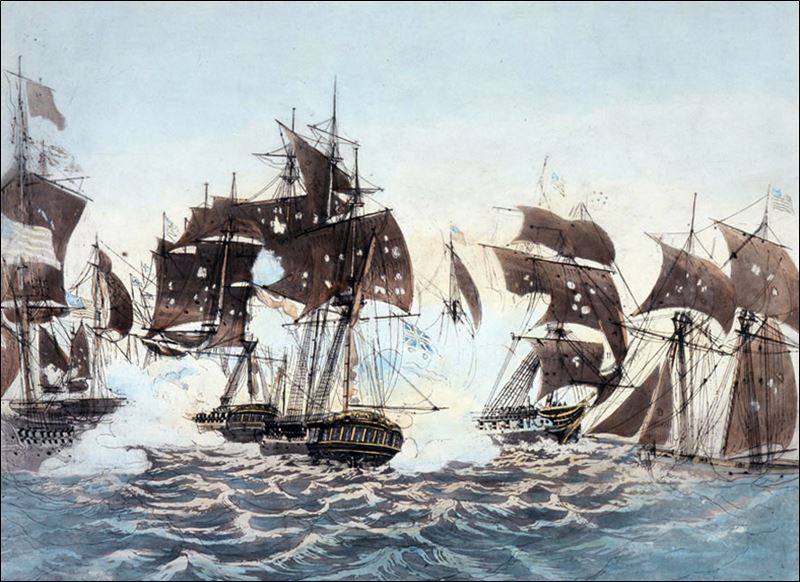
Oliver Hazard Perry, the Hero of Lake Erie, was born August 23, 1785 in Rhode Island.  His family, on both sides,  included a long line of accomplished naval men.

During the War of 1812 against Britain, Perry supervised the building of a fleet at Erie, Pennsylvania, at the age of 27. He lead American forces in a decisive naval victory at the Battle of Lake Erie, receiving a Congressional Gold Medal and the Thanks of Congress. His leadership materially aided the successful outcomes of all nine Lake Erie military campaign victories, and the fleet victory was a turning point in the battle for the west in the War of 1812. He is remembered for the words on his battle flag, “Don’t Give Up the Ship” and his message to General William Henry Harrison which reads in part, “We have met the enemy and they are ours; …” (Wikipedia)


C-130H_Ohio_ANG_over_Perry_Monument_2008

Perry’s Victory and International Peace Monument at

Put-in-Bay, Ohio on South Bass Island.

Perry’s career began when he was 12 when he sailed to the West Indies with his father, who was a ship’s captain.  He was appointed a midshipman in the US Navy when he was 13 years old.  He first experienced combat at age 15 off the coast of Haiti.

Perry’s life was cut short at age 34 when he died on his birthday after contracting yellow fever while on a trip to South America.  In spite of that, Perry was a popular figure with many ships named in his honor, many memorials and monuments – particularly in Rhode Island and around Lake Erie – named for him, and many places across the country bearing his name.

Perry-Victory-paintingPerry Victory

Battle of Lake Erie


h1

What am I building?

August 5, 2015

We drove by Stan Hewett Hall a couple of weeks ago and saw this amazing reconstruction of the 2200 linear foot long dry stone wall surrounding the property.

Stan Hewett Hall and Gardens is the former home of industrialist, Frank Seiberling, who founded Goodyear Tire and Rubber Company in Akron, Ohio.  Finished in 1915, the estate, now a museum and garden, is celebrating its 100th year.

The stone wall reconstruction is just  one of the restoration projects going on at the mansion.

h1

What am I reading?

July 27, 2015

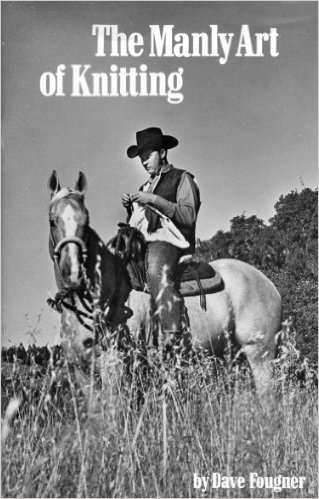
manly art of knittingThe stereotypical knitter is a granny with a cat at her feet who sits by the fire knitting mittens for her grandchildren.  Throughout history, however, men dominated the craft and it is only recently that knitting has been thought of as the province of women.

Here is a (totally factual) story from Huffington Post that talks about the history of men and knitting:

“About 200 A.D., Arabian men were fishing for food but they had no way to catch several fish at once. They caught one fish. Then a second fish. And it was like, Geeze, this is slow as a camel. Then one day, perhaps down by the dock, one of the guys was messing with yarn, forming loops in it, and bam! Fishing net. (Other cultures likely invented knitting elsewhere around the world.)

They stuck the net it in the water and caught a boatload of fish. And someone said, “We just invented the fishing net.” And someone else said, “Let’s invent sweaters.”

Then the Middle Ages came and knitting spread like the plague. There were knitting guilds, which were labor unions–and again this is men we’re talking about. The guild’s head honcho would say, “Join us. We’ll protect your income. We’ll give you insurance. We’ll give you benefits. If your wife dies, we’ll help you with the funeral ceremony.” Nice stuff like that.”

CLICK HERE for more of the story.

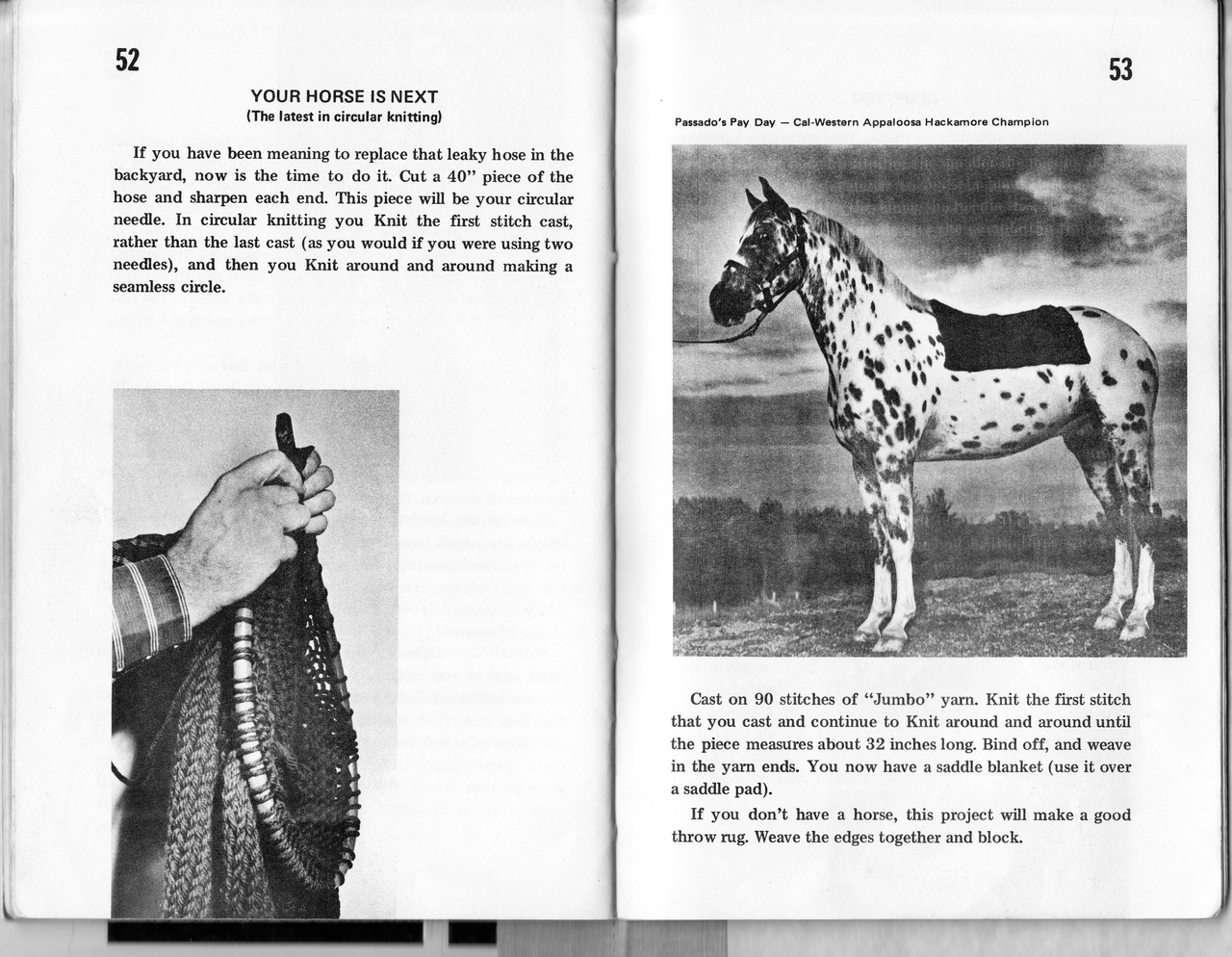
Fast forward to 1972 when Dave Fougner thought it was time to bring men back to knitting and The Manly Art of Knitting was published.  This book has been revived by Ginko Press.  You too can follow along with the book’s directions for knitting saddle blankets and dog beds. Good stuff.

saddle blanket

h1

Whose birthday am I noting?

June 21, 2015

Kent Maine-Headland-Winter

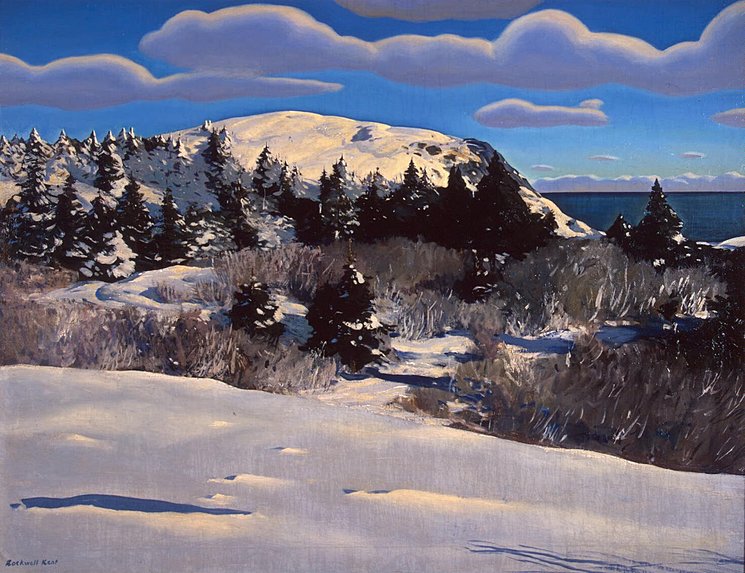
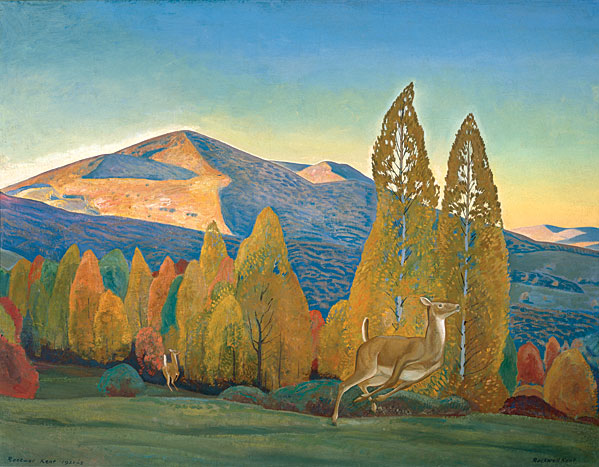
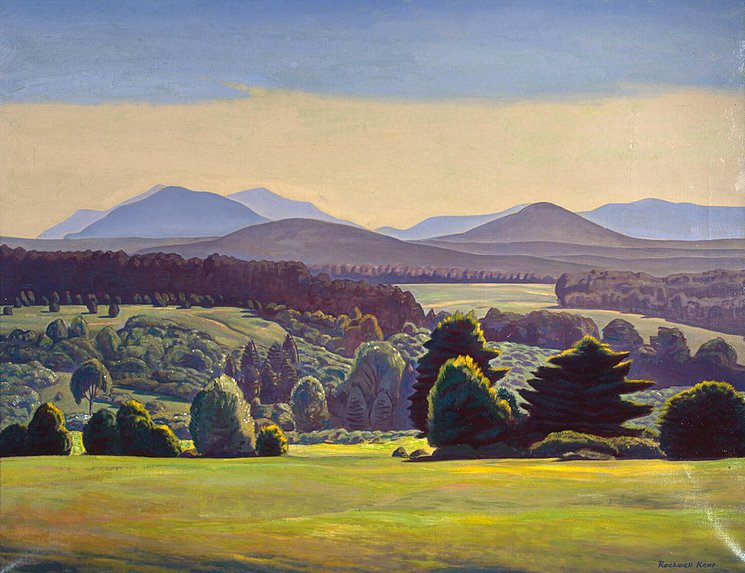
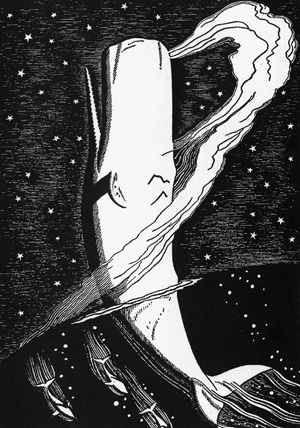
Rockwell Kent, born June 21, 1882

Rockwell Kent, artist, author, and political activist, had a long and varied career. During his lifetime, he worked as an architectural draftsman, illustrator, printmaker, painter, lobsterman, ship’s carpenter, and dairy farmer. Born in Tarrytown Heights, New York, he lived in Maine, Newfoundland, Alaska, Greenland, and the Adirondacks and explored the waters around Tierra del Fuego in a small boat. Kent’s paintings, lithographs, and woodcuts often portrayed the bleak and rugged aspects of nature; a reflection of his life in harsh climates.

kent mt equinox

Kent had an unusually long and thorough training as an artist. He was a student at the Horace Mann School in New York City and subsequently studied architecture at Columbia University, toward the end of which he felt a strong inclination toward painting and took up the study of art under William Merritt Chase at the Shinnecock Hills School. He studied later at the New York School, under Robert Henri and Kenneth Hayes Miller, and finally as an apprentice to Abbott Thayer at Dublin, New Hampshire. Henri encouraged him to go to Monhegan Island where Kent painted on his own. He was absorbed in the awesome power of the environment; nature’s timeless energy and contrasting forces influenced his work throughout his lifetime. His early and lasting relationship with the sea was portrayed again and again in his work.

Biography from The Plattsburgh State Art Museum.

kent north by east

kent Asgaard

kent mobydick1