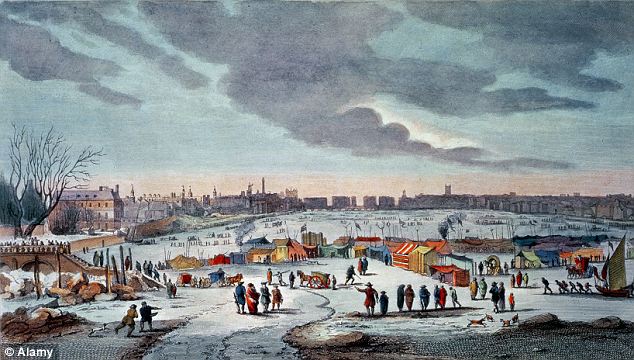
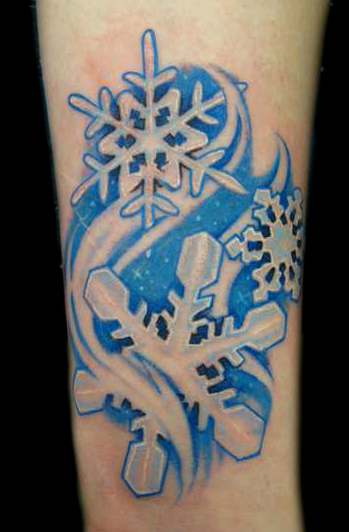
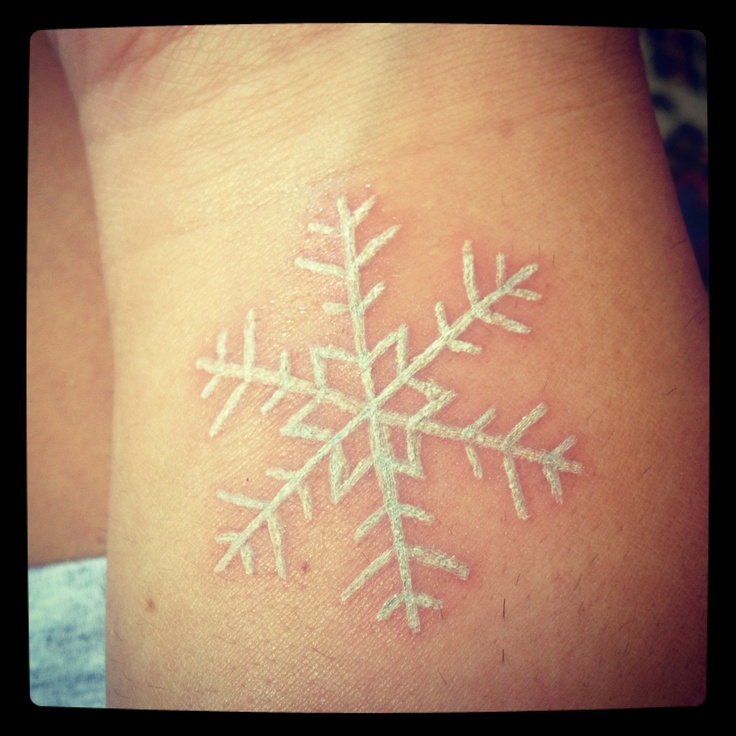
Today is King Frost Day – which harkens back to the Little Ice Age when temperatures in northern hemisphere, at least, were below normal. This led to freezing in areas such as London, which were not normally so affected by the deep cold of winter. Frost fairs were held that are reminiscent of other modern and ancient festivals held in the depth of winter. These gatherings provided activity and entertainment, yet were probably rooted in other ancient festivals that marked not so much the long nights of winter as at the Solstice, but the hope that the warmth of the sun would not be too long in returning.
Today (February 4th) is King Frost Day, when the people of London used to celebrate the harbinger of the winter freeze by holding frost fairs on the frozen River Thames. Before embankment, when the river was wider and therefore flowed much slower, it would freeze in winter. Between the 15th century and early 19th century – a period known as the Little Ice Age – temperatures were much lower than they are now, and, during the Great Frost of 1683–84 (the worst recorded in England), the Thames was completely frozen for two months, with the ice reaching a thickness of 11 inches. People could easily walk from one side of the river to the other.
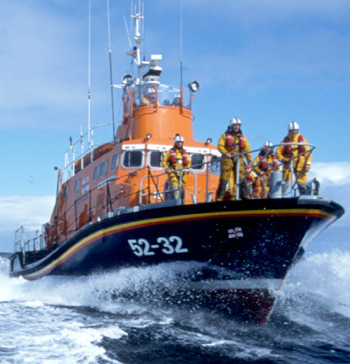
1790: The first shore-based boat designed specifically for use as a lifeboat is tested on the River Tyne in northern England.
Christened the Original, she was a 30-foot-long, double-ended, 10-oar longboat built by Henry Greathead of South Shields. She carried 7 hundredweight (784 pounds or 356 kilograms) of cork for added buoyancy and was designed to be self-righting.
Although smaller craft had been pressed into service as lifeboats in the past, Original was the first boat built specifically for sea rescue. She was stationed at the mouth of the Tyne and launched from a shore station. In a career spanning 40 years, she was responsible for saving hundreds of lives.
By 1839, there were 30 lifeboat shore stations operating in the British Isles.
Original was built as the result of an incident in 1789, when a crew was lost after its ship ran aground in stormy seas off the mouth of the river. Although the eight men were in sight of the shore, no one could be persuaded to attempt a rescue that was viewed as suicidal.
Local businessmen upset by the tragedy offered a prize to anyone who could design a true rescue boat. A local parish clerk named William Wouldhave was the winner, and Greathead built Original using Wouldhave’s design.
The first lifeboat association, Britain’s National Institution for the Preservation of Life from Shipwreck (later renamed the Royal National Lifeboat Institution), was organized in 1824. By 1860, the RNLI could claim to have saved more than 12,000 lives at sea.
Shipboard lifeboats — carried on davits aboard larger ships and generally associated with this type of craft — did not appear until later in the 19th century.
(Source: Maritime and Coastguard Agency, RNLI)
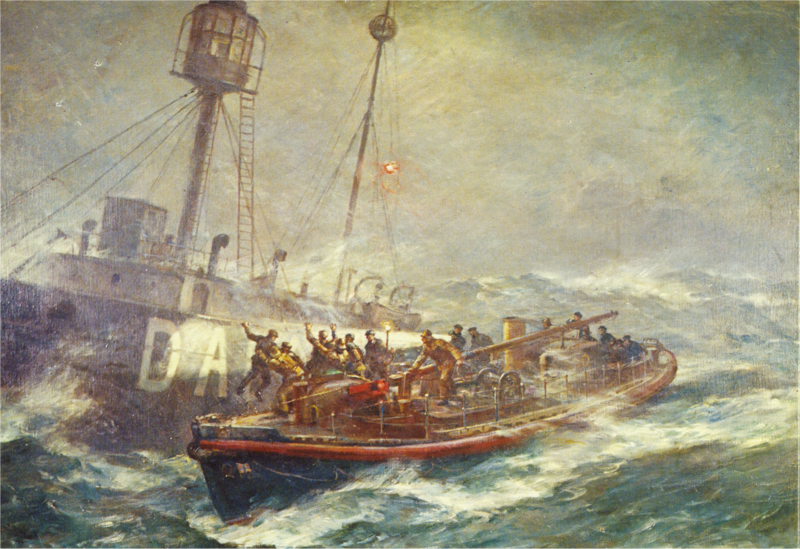
A British postage stamp was issued in 1974 to mark the 150th anniversary of the RNLI. This depiction of the rescue of the crew of the Daunt Lightship by the Ballycotton lifeboat Mary Stanford was chosen as the image to be represented on that postage stamp. (source-Wiki)
This is a reposting, but I think it bears the repetition.
Raise a glass to the members of the Lifeboat Service.
Following the demise of the favorite bakery of my childhood (Hough Bakery) it has been my quest to discover excellent bakeries in the Western Reserve, or in places to which I travel. These are the subject of the Bakery Blogumentary.
This time the Bakery Blogumentary features Blackbird Baking Company in Lakewood, Ohio. The folks at Blackbird specialize in a type of bread that uses a levain to make the bread rise:
Levain is not only this traditional French bread’s name, but levain is actually a bread starter used as a leavening agent and sometimes called “wild yeast.” Acting in much the way yeast does, levain helps dough rise but also effects the flavor and characteristics of the Pain au Levain (bread of a wild yeast.) The essence of levain rests in patience. To make levain, water and flour are mixed together and allowed to sit for up to several days to develop flavor and strength as the starter is exposed to air and grows good fungus (this fungus actually keeps bad bacteria away making levain safe.) A well-ripened levain will be bubbly, and extremely elastic. Levain can be kept for years if fed often and maintained.
The levain cannot be bought, making levain unique to each baker who begins to cultivate this starter. Some are soupy, some are firm and tough. Theses differences ultimately effect the mildness or sourness, the weight, texture and look of the finished bread.
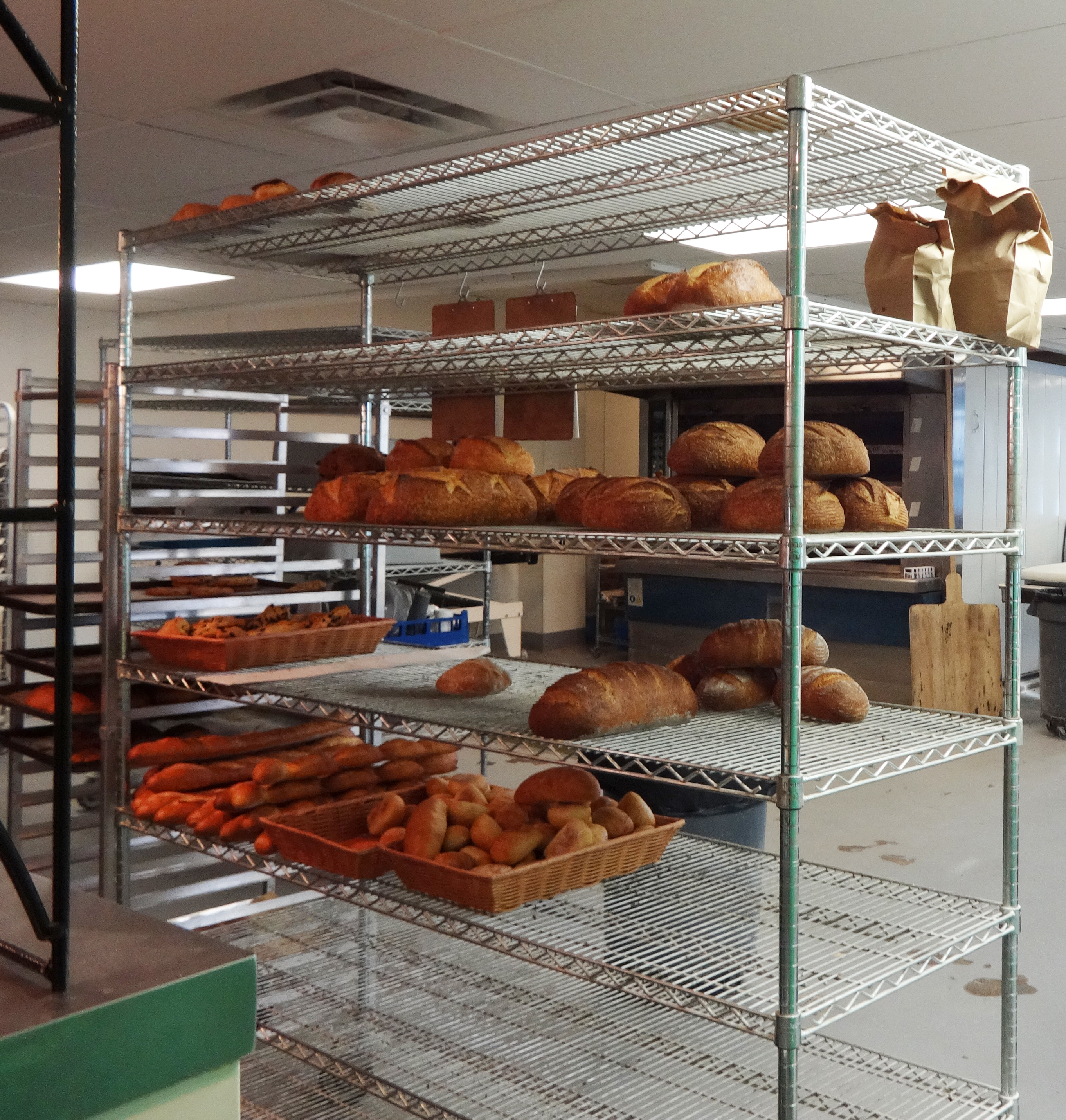
In addition they make a variety of incredible baked goods, such as filled croissants (chocolate, apricot, raspberry, etc.), cream biscuits, cinnamon buns, pecan rolls, savory filled croissants, scones, and cookies.
And you can watch the busy bakers work.
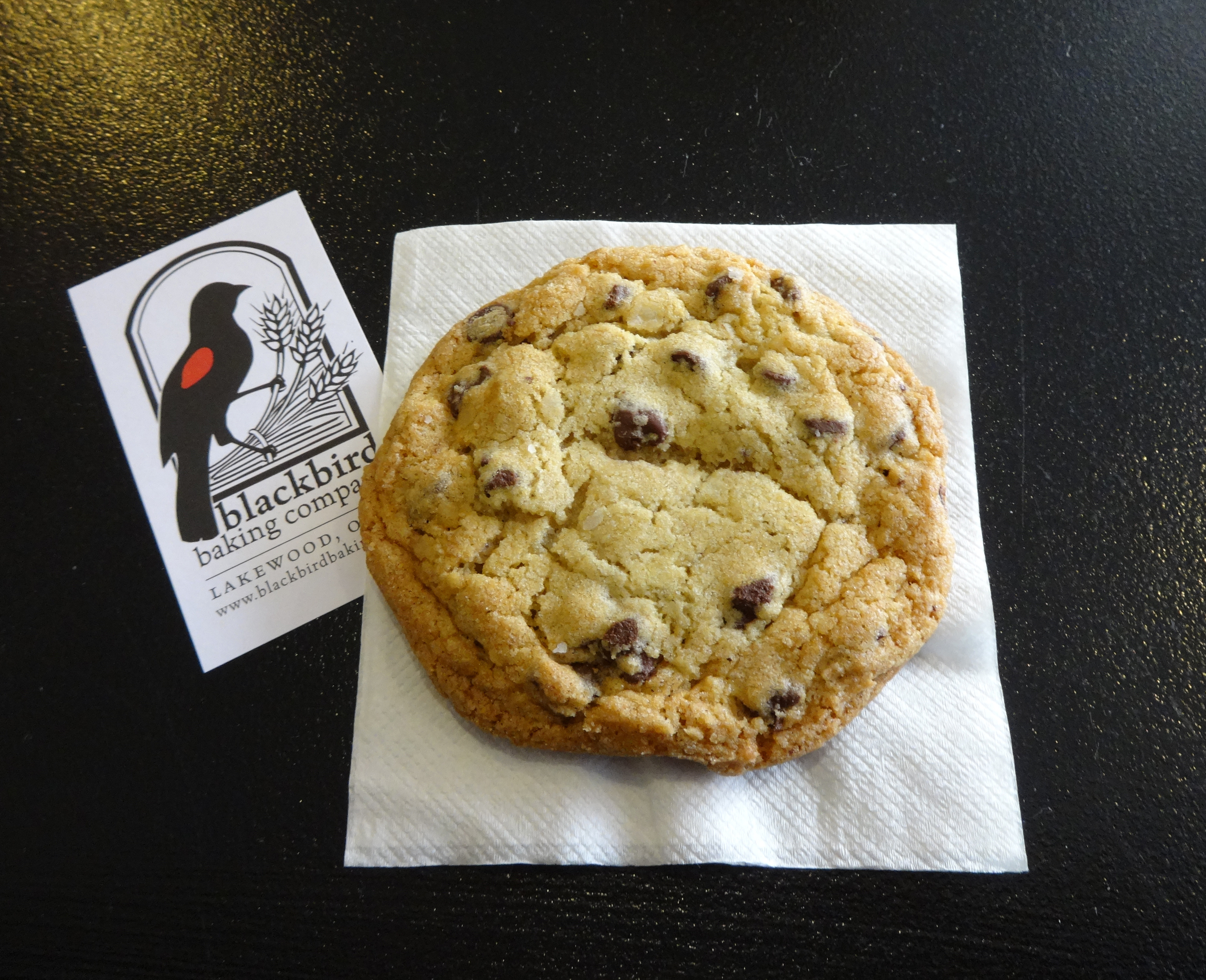
Stop here for a moment of silence for the chocolate chip cookies. I read reviews of them before I tried them. I wondered if any cookie could possibly rate that much devotion. Yes – It – Can. These cookies sell out quickly, but if you are fortunate to get to the bakery when there are still some left, the experience is indescribable.
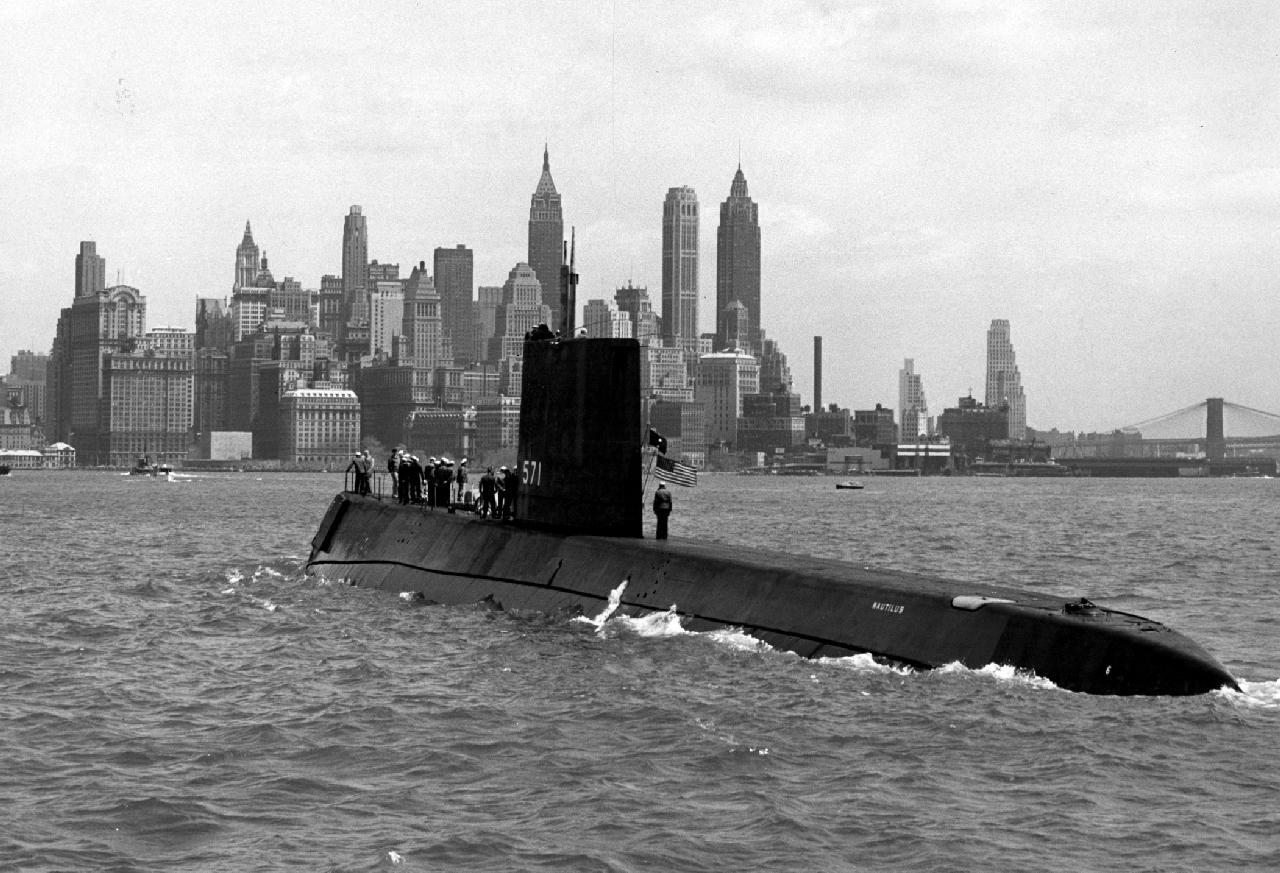
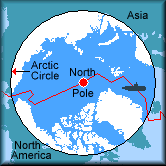
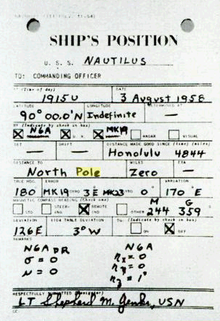
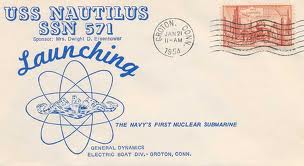
The USS Nautilus, the world’s first nuclear submarine, was launched today in 1954. This occurred in the midst of the Cold War and advances by Soviet scientists into the space race. Nautilus was the first vessel to reach and cross the north pole while submerged – which brought Russia much closer to the reach of this new nuclear Navy.
USS Nautilus (SSN-571) was the world’s first operational nuclear-powered submarine. She was the first vessel to complete a submerged transit to the North Pole on 3 August 1958. Sharing names with the submarine in Jules Verne’s Twenty Thousand Leagues Under the Sea, and named after another USS Nautilus (SS-168) that served with distinction in World War II, Nautilus was authorized in 1951 and launched in 1954. Because her nuclear propulsion allowed her to remain submerged far longer than diesel-electric submarines, she broke many records in her first years of operation, and traveled to locations previously beyond the limits of submarines. In operation, she revealed a number of limitations in her design and construction. This information was used to improve subsequent submarines. (Wikipedia)
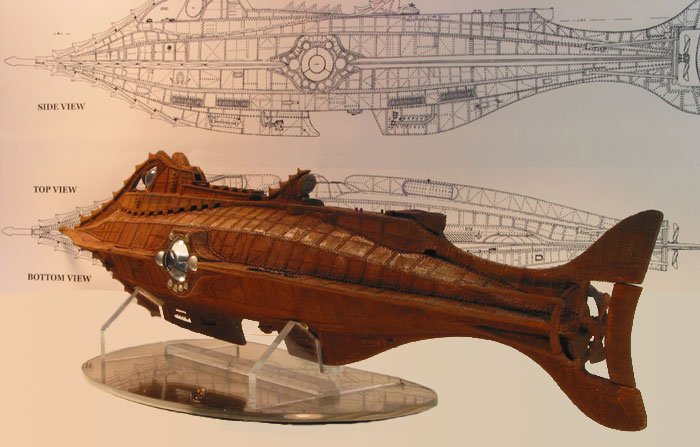
Sharing the same name is the craft from the Jules Verne novel, Twenty Thousand Leagues Under the Sea.
And, of course, the tattoos – of the chambered nautilus.
The game Scrabble has a history dating back to at least 1938, when a board game based on Lexiko (which had no board) was designed by Alfred Butts, an architect living New York. Butts did an analysis of the frequency of letters in the English language to determine how many tiles of each letter should be included in the game. Here is his tally sheet.
(from Wiki)
The game passed from company to company, and varied in design. It had been around in the US for a while, but was sold for this first time in Australia and the UK on January 19, 1955.
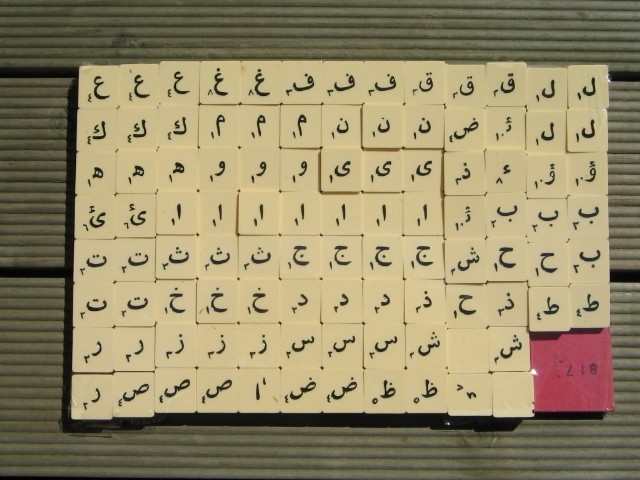
Scrabble remains a popular game, now with on-line versions available. The game is available in 31 different languages including Afrikaans and Croatian. The tiles below represent neither of those languages.
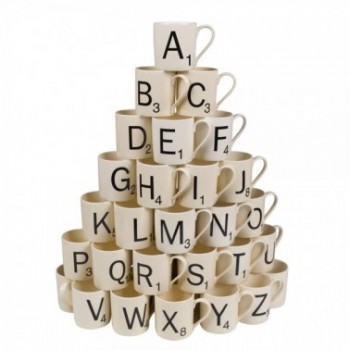
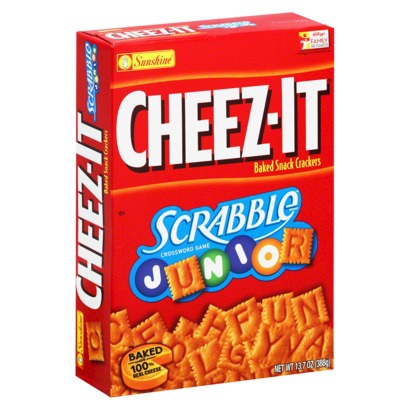
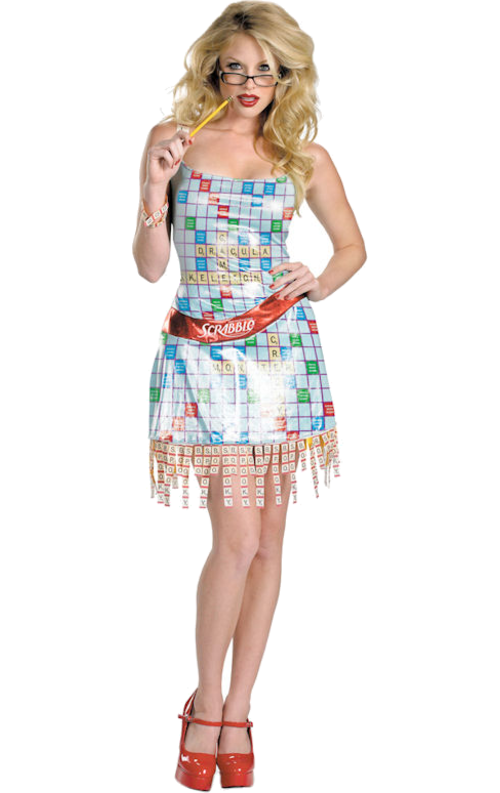
Scrabble has been the influence for a number of different products over the years, such as those below:
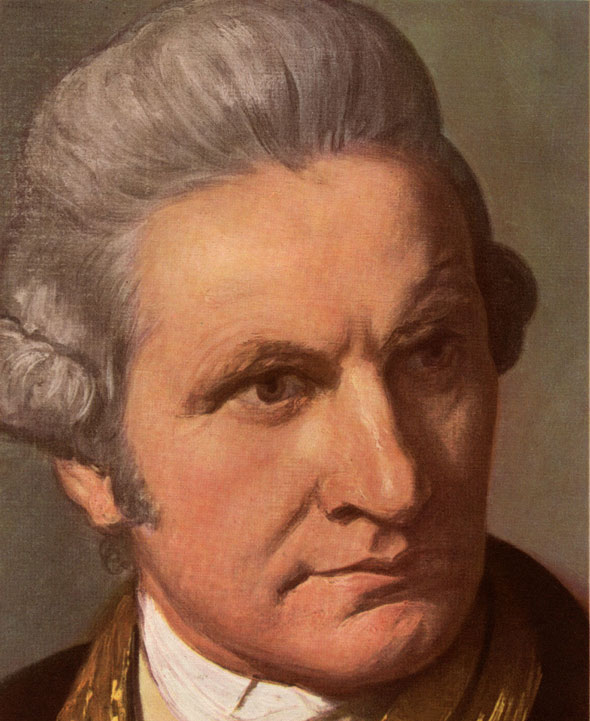
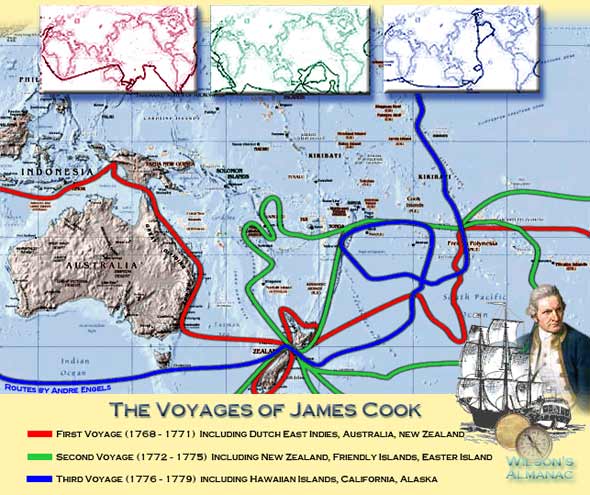
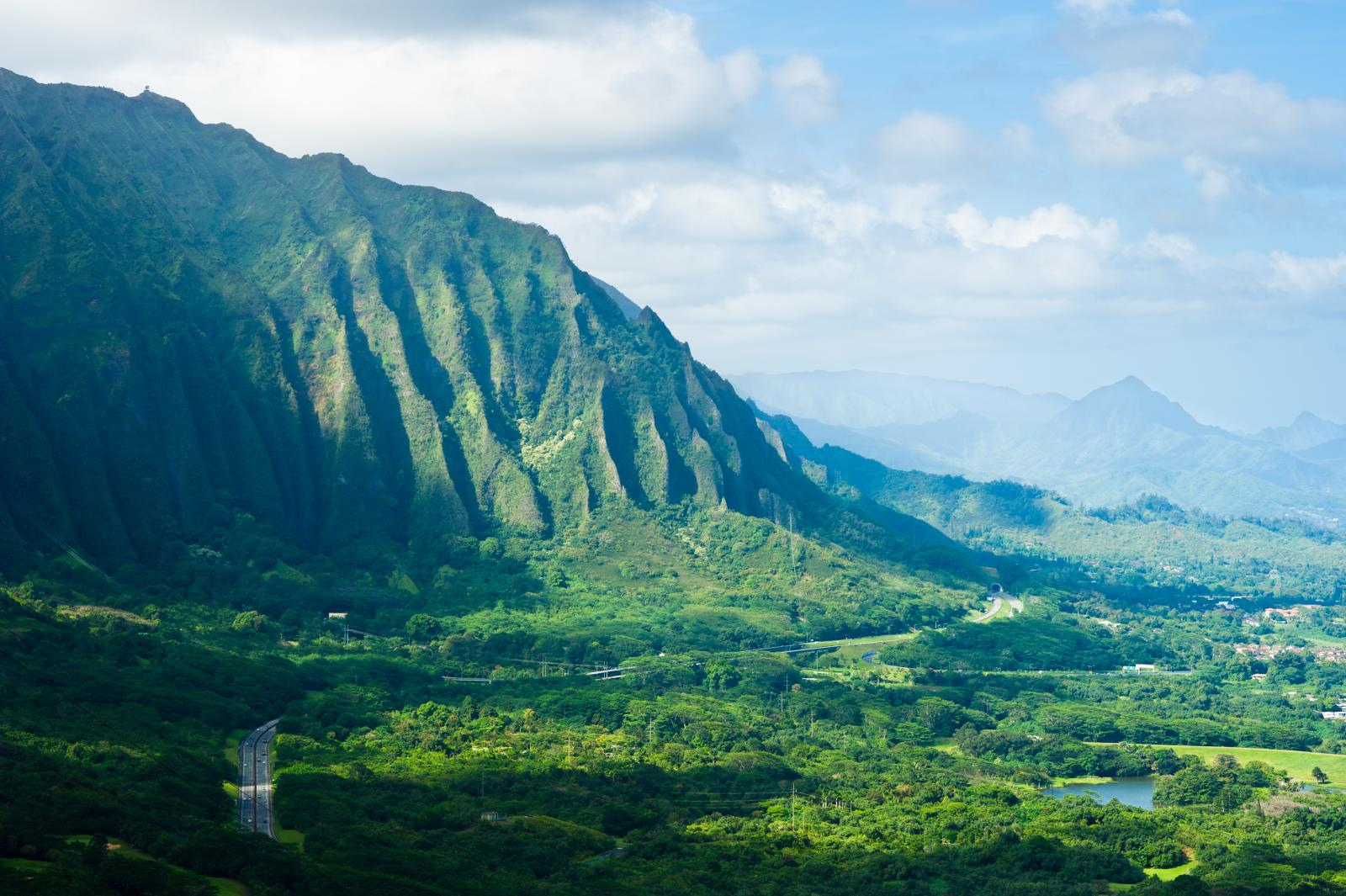
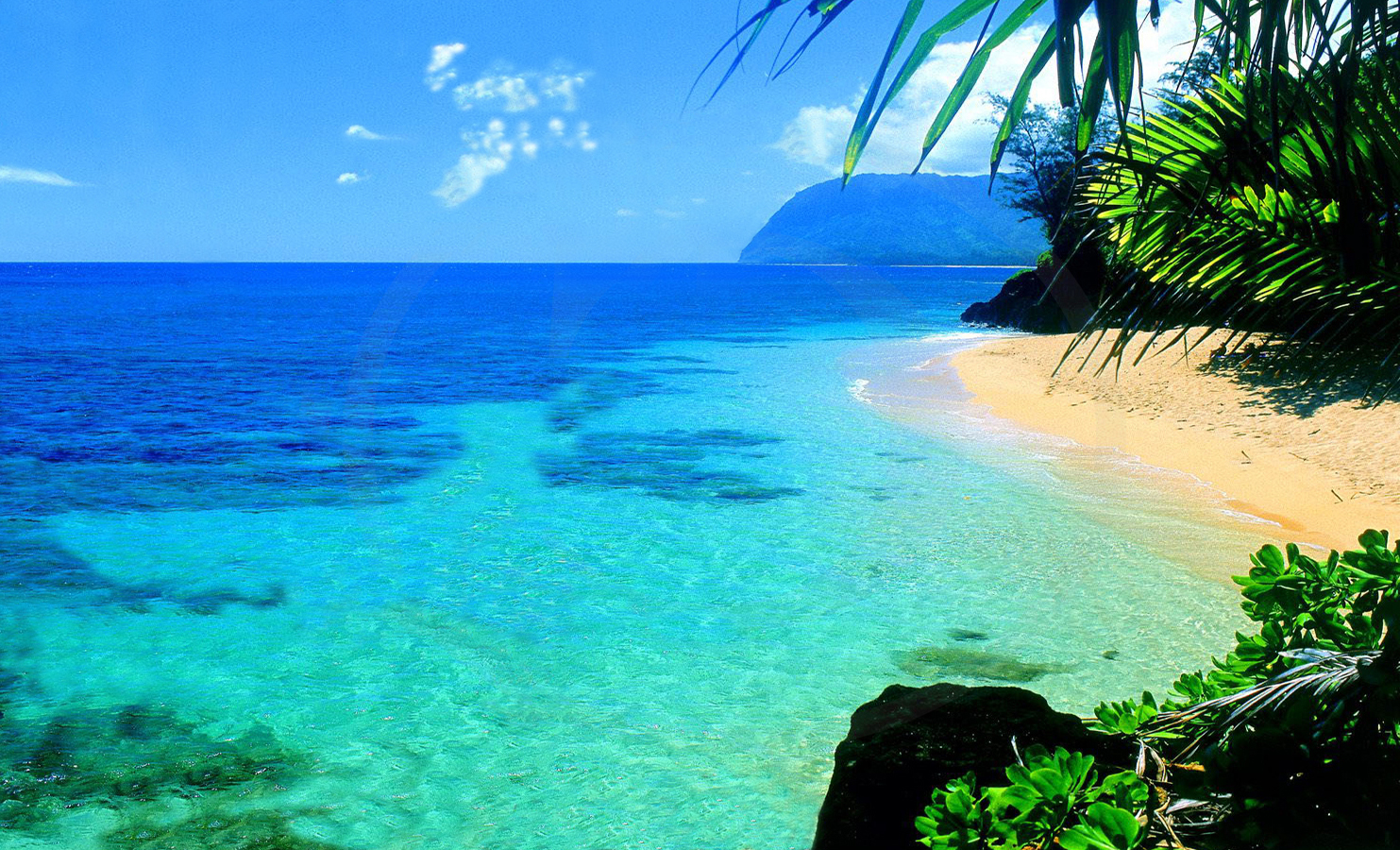
On January 18, 1778, the English explorer Captain James Cook becomes the first European to discover the Hawaiian Islands when he sails past the island of Oahu. Two days later, he landed at Waimea on the island of Kauai and named the island group the Sandwich Islands, in honor of John Montague, who was the earl of Sandwich and one his patrons.
While the encounter started out brilliantly for the Europeans, it did not end well for them. On a subsequent voyage, they were exposed as mortals and not the gods the Hawaiians first believed them to be and trouble reigned in this island paradise. However, ultimately, things did not end well for the Hawaiians.
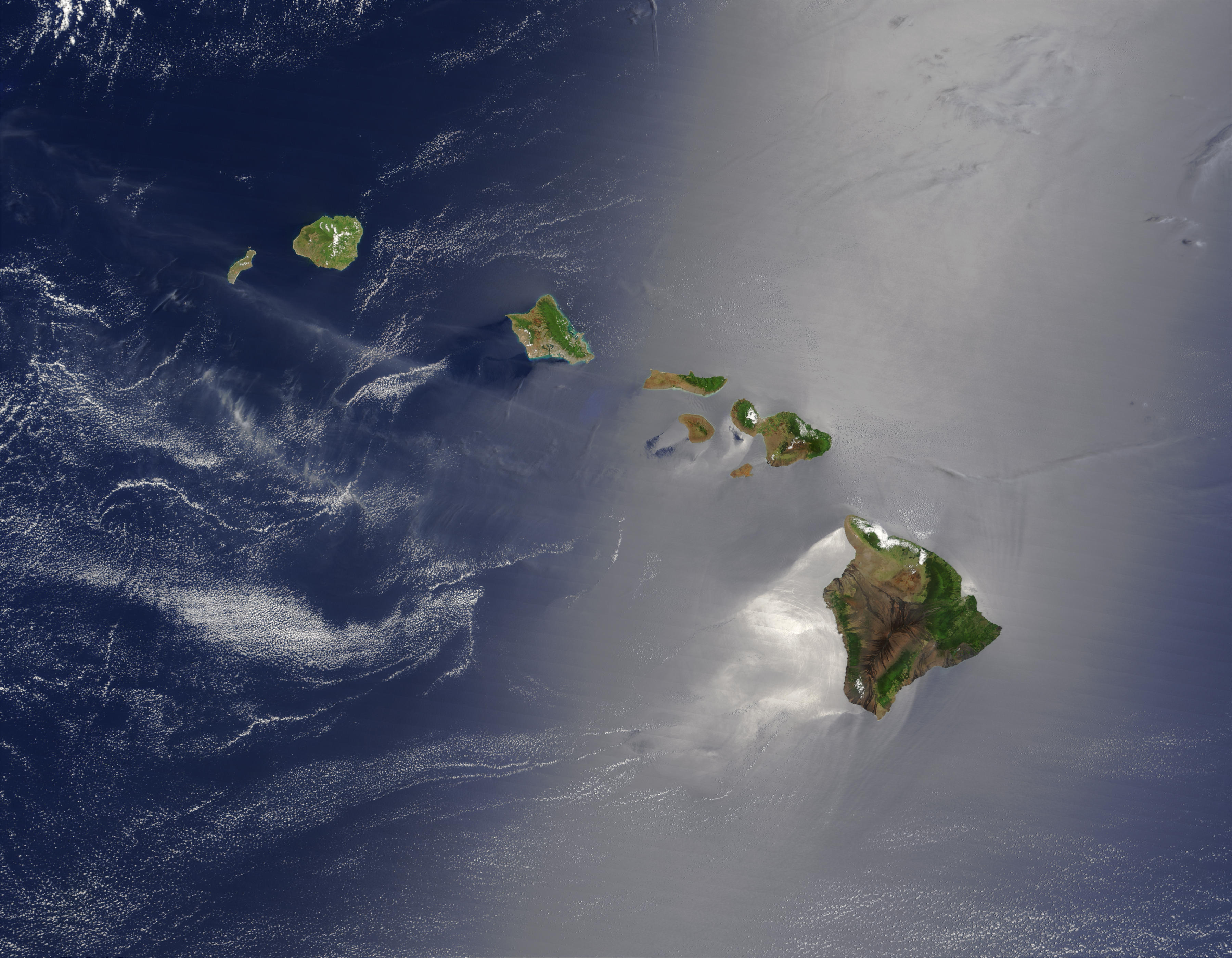
Here is a little geology information about the Hawaiian Islands that are traveling on the Pacific Plate over a hot spot on the ocean floor.
According to fashion historians, the top hat may have descended directly from the sugarloaf hat; otherwise it is difficult to establish provenance for its creation. Gentlemen began to replace the tricorne with the top hat at the end of the 18th century; a painting by Charles Vernet of 1796, Un Incroyable, shows a French dandy (one of the Incroyables et Merveilleuses) with such a hat. The first silk top hat in England is credited to George Dunnage, a hatter from Middlesex, in 1793.[5] The invention of the top hat is often erroneously credited to a haberdasher named John Hetherington.
There is are a lot of other interesting “facts” onWiki.
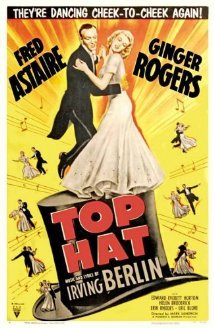
Also, here is a nod to the 1935 Fred Astaire, Ginger Rogers film, Top Hat.
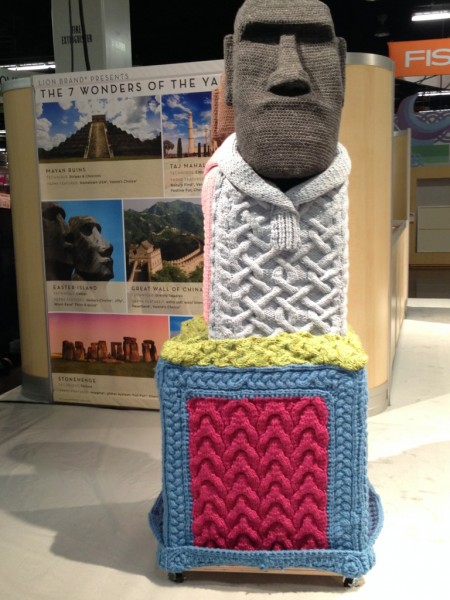
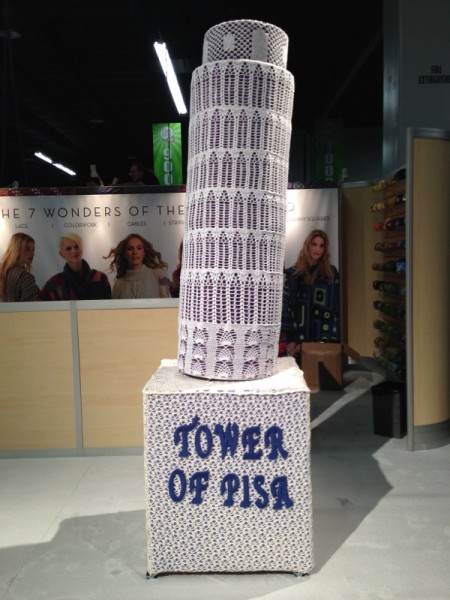
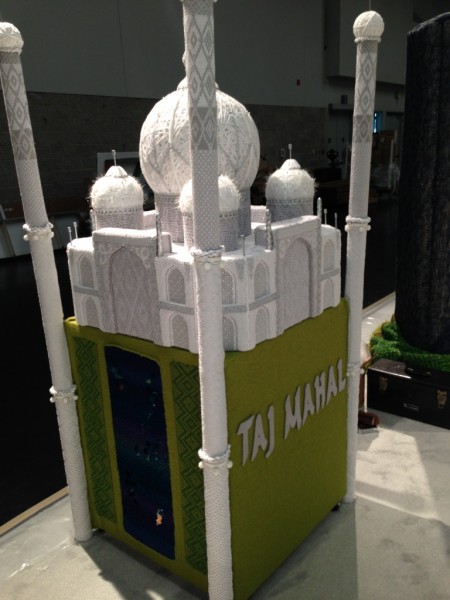
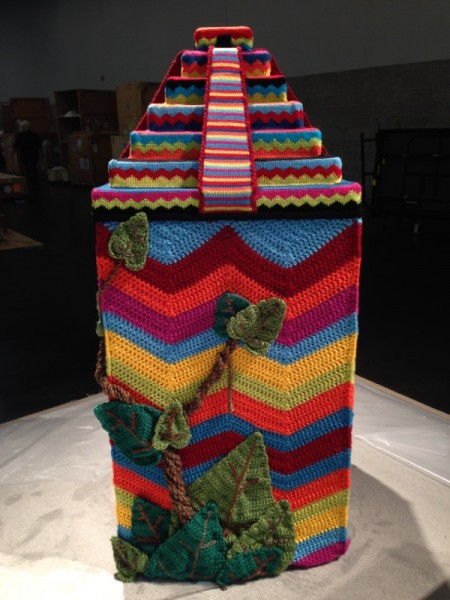
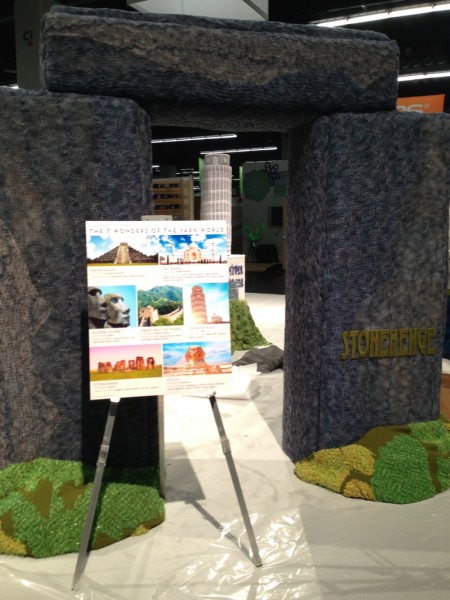
This knitted Great Wall and other wonders of the world are part of the Craft and Hobby trade show going on in Anaheim, California. This exhibit is sponsored by Lion Brand Yarn and was created by Nathan Vincent. Below are other wonders of the world in the exhibit I love the Great Wall on a landscape of crocheted granny squares (above), but also am tickled by the Easter Island fellow wearing an Irish fisherman’s sweater.
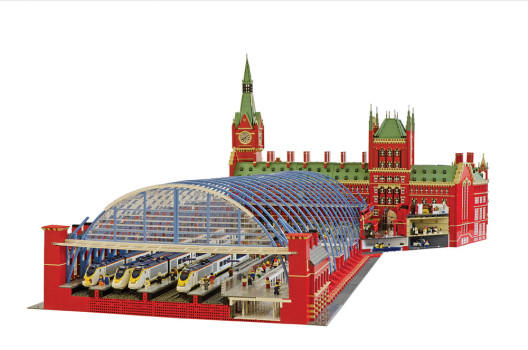
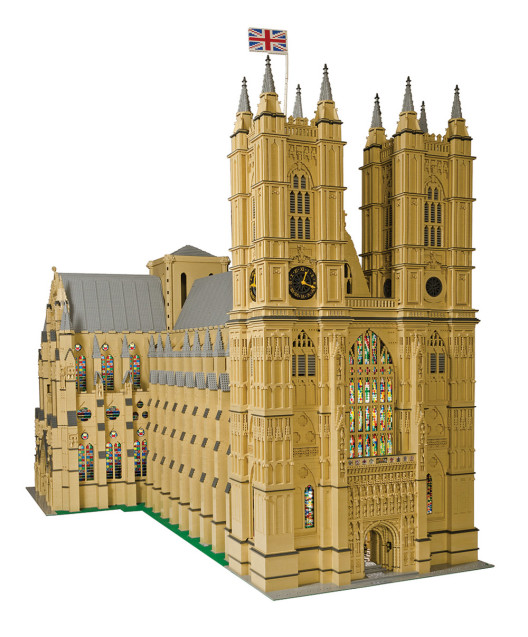
“In 1958, the modern brick design was developed, and it took another five years to find the right material for it, ABS (acrylonitrile butadiene styrene) polymer.Before they used ABS they used a plastic called Cellulose Acetate. The modern Lego brick was patented on 28 January 1958, and bricks from that year are still compatible with current bricks.”
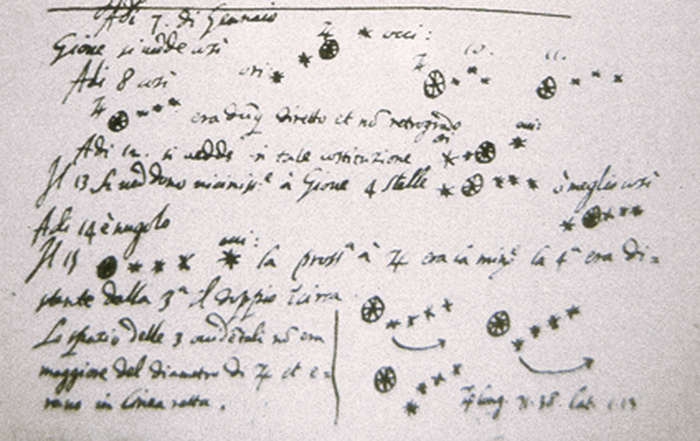
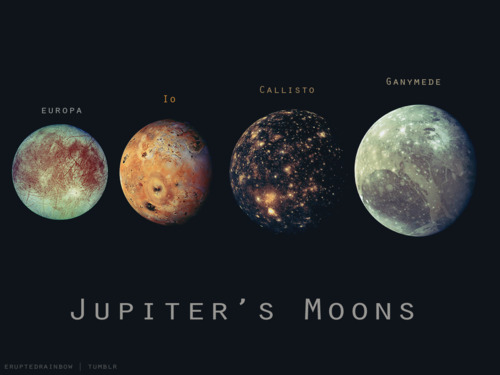
This is a page from Galileo’s notebook. On this day in 1610, he recorded his observations of the moons of Jupiter, noting that they did not behave as stars, but appeared to travel with the planet. It was this and other observations that cause Galileo trouble with the church. They are also the reason his name and work endure today – 404 years later. While Galileo was able to discern Jupiter’s 4 largest moons, the actual number of this planet’s moons is 50 or more. Thanks to Lights in the Dark for this reference.






















 Gunsmoke and Knitting