According to the producer, “This is a working particle accelerator built using LEGO bricks. I call it the LBC (Large Brick Collider). It can accelerate a LEGO soccer ball to just over 12.5 kilometers per hour.”
Thank you, HMS Defiant

According to the producer, “This is a working particle accelerator built using LEGO bricks. I call it the LBC (Large Brick Collider). It can accelerate a LEGO soccer ball to just over 12.5 kilometers per hour.”
Thank you, HMS Defiant
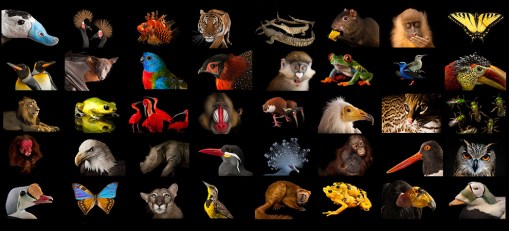
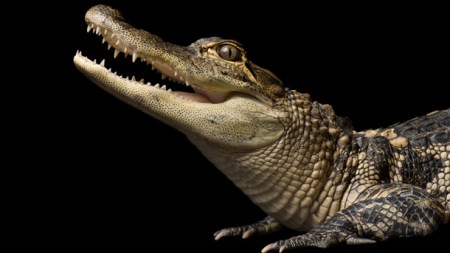
Recently, I saw an exhibit called “Rare” at our Museum of Natural History. The exhibit featured photographer Joel Sartore’s work documenting endangered animals across the globe. His beautiful and sensitive photographs are now in a new project called “Photo Ark.”
Here is a link to a video showing how the work is accomplished.
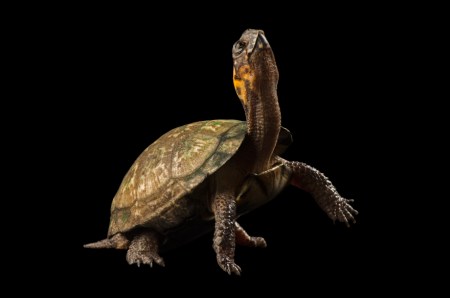
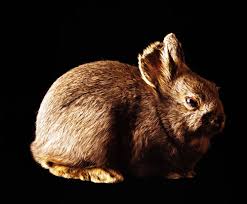
“Photo Ark is a multiyear National Geographic project with a simple goal— to create portraits of the world’s species before they disappear and to inspire people to care. Each image is a visual connection between the animals and people who can help protect them.
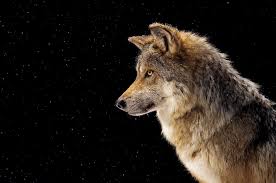
With ingenuity and wit, National Geographic photographer Joel Sartore has captured portraits of more than 5,000 creatures to date, with more to come. Many of the animals live in the world’s zoos and aquariums, institutions dedicated to preserving and caring for species of all kinds. This exhibition features many
iconic images and allows visitors to follow Sartore around the world on this exciting and important project.”


This post is for my friend Carol, who is participating in the “Color My World” challenge.

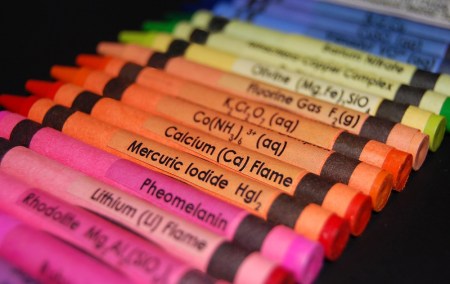
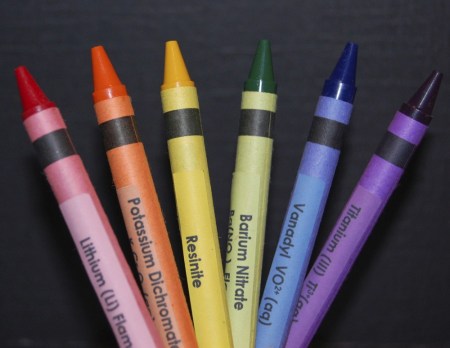
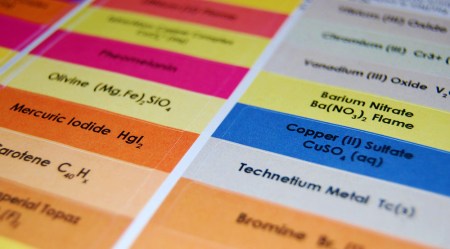
The folks over at Que Interesante created this clever sticker pack for crayons, effectively turning color names into the chemical compounds the correlate with each hue. The sets seem like a fun way to learn for a science-minded family and are available in number of different packs or in bulk for schools.
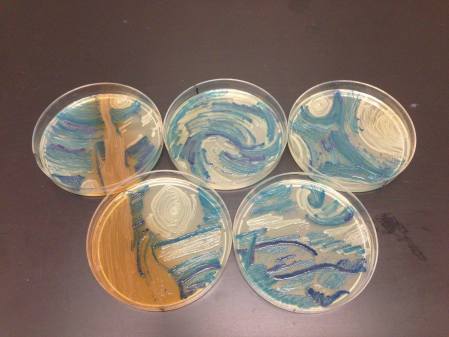
This homage to Vincent’s Starry Night is created by colorful colonies of bacteria grown in petri dishes.
Here’s a little ditty to get you in the mood for the holiday season.
It’s Tuesday. Here is an unrelated, but amusing, tattoo.

I heard a story on NPR recently about how observation drones employed to observe wildlife raise the heart rates of the animals they are observing.
In the case of the story, black bears in the wild. The take-home message was that the drones interfere with the health and well-being of the critters.
The bears that the drones were being tested on had previously been caught, anesthetized, radio-tagged, and had heart rate monitors surgically implanted.
I wonder how those interventions affected their heart rate. Hmmm?
Anyway, this is what an eagle thinks of the drones.
Firearms, fibers, any news or behaviors that make me say, "hmm, let me take another look at this."
I still miss my man, but my aim is getting better.











 Gunsmoke and Knitting