Happy Valentine’s Day!

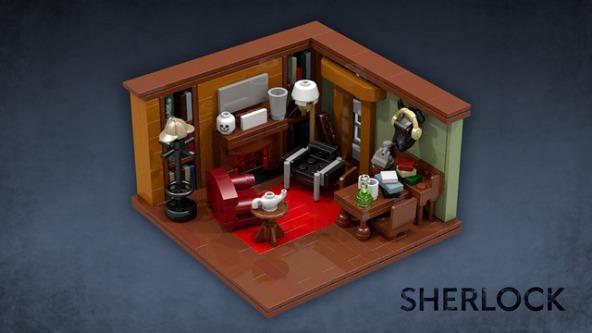
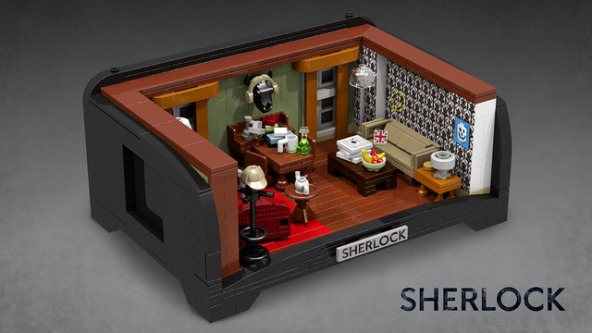
The “Sherlock” collection design was created as part of the Lego CUUSOO project, which allows fans to share concepts in the hopes of getting official Lego approval. “Sherlock,” submitted by a user called Flailx, is one of six Lego Review qualifiers for the Winter 2014 slot. Having received support from more than 10,000 Lego fans, the “Sherlock” project is now being reviewed by the company’s designers and product managers.
Thank you, Robb for the link and the continuing cultural enlightenment.
And the tattoos:


I hesitated putting the following one in because at first glance it looks like, you know, but it’s not.

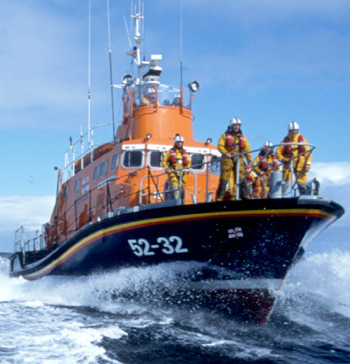
Today is Lifeboat Day – the day the first purpose-built lifeboat was launched in England on the River Tyne. More below from the Royal National Lifeboat Institution.
1790: The first shore-based boat designed specifically for use as a lifeboat is tested on the River Tyne in northern England.
Christened the Original, she was a 30-foot-long, double-ended, 10-oar longboat built by Henry Greathead of South Shields. She carried 7 hundredweight (784 pounds or 356 kilograms) of cork for added buoyancy and was designed to be self-righting.
Although smaller craft had been pressed into service as lifeboats in the past, Original was the first boat built specifically for sea rescue. She was stationed at the mouth of the Tyne and launched from a shore station. In a career spanning 40 years, she was responsible for saving hundreds of lives.
By 1839, there were 30 lifeboat shore stations operating in the British Isles.
Original was built as the result of an incident in 1789, when a crew was lost after its ship ran aground in stormy seas off the mouth of the river. Although the eight men were in sight of the shore, no one could be persuaded to attempt a rescue that was viewed as suicidal.
Local businessmen upset by the tragedy offered a prize to anyone who could design a true rescue boat. A local parish clerk named William Wouldhave was the winner, and Greathead built Original using Wouldhave’s design.
The first lifeboat association, Britain’s National Institution for the Preservation of Life from Shipwreck (later renamed the Royal National Lifeboat Institution), was organized in 1824. By 1860, the RNLI could claim to have saved more than 12,000 lives at sea.
Shipboard lifeboats — carried on davits aboard larger ships and generally associated with this type of craft — did not appear until later in the 19th century.
(Source: Maritime and Coastguard Agency, RNLI)
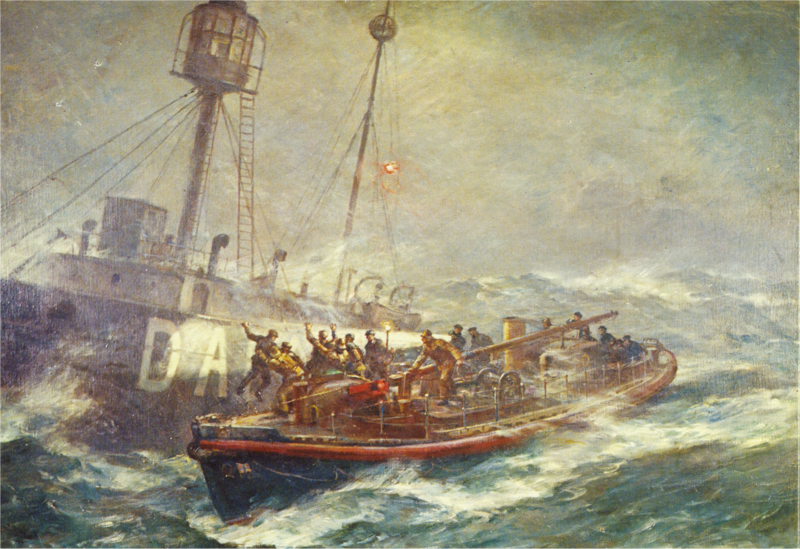
A British postage stamp was issued in 1974 to mark the 150th anniversary of the RNLI. This depiction of the rescue of the crew of the Daunt Lightship by the Ballycotton lifeboat Mary Stanford was chosen as the image to be represented on that postage stamp. (source-Wiki)
This is a reposting, but I think it bears the repetition.
Raise a glass to the members of the Lifeboat Service.
Just for fun from random spots across the internet.
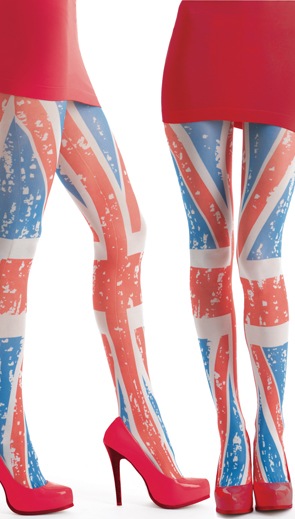
Nope
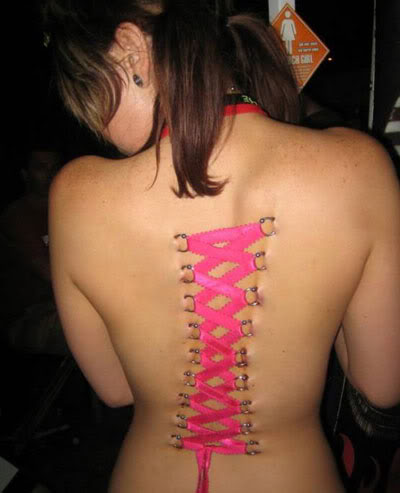 Oh, Really No
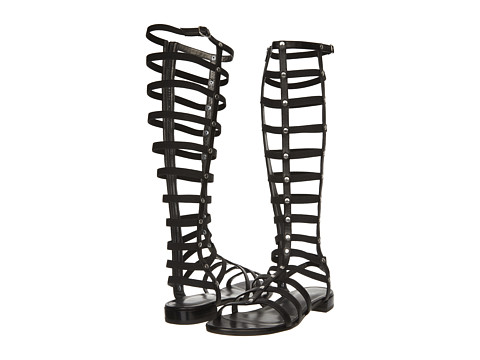 Nope
Nope

Maybe

I like these

Interesting

Lose the guy in the background, but I think this is lovely.

The Norwegian Curling Team
Oy!
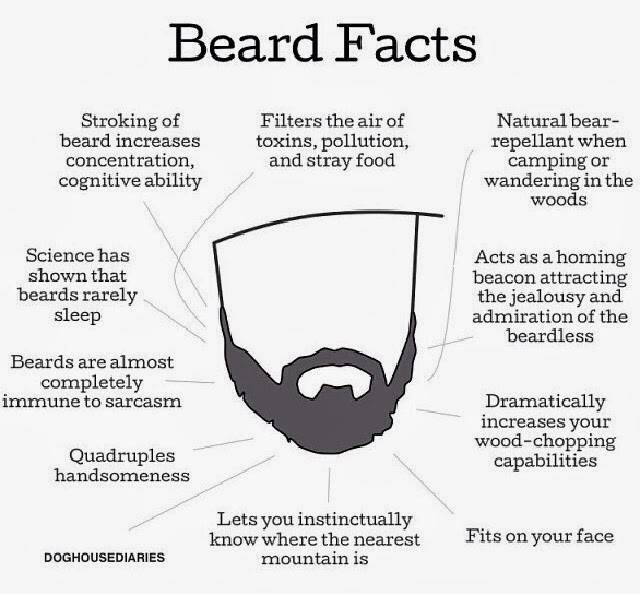
I have blogged in the past about masculine facial hair and thank Why? Because Science, for her sciency LOL of the Week.
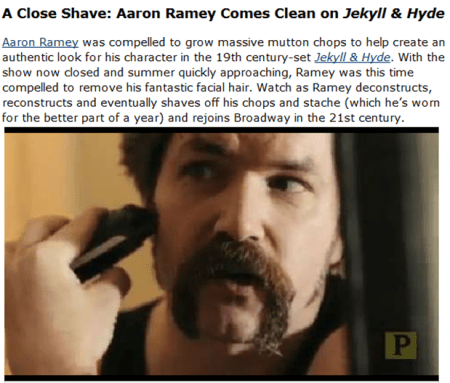
On the topic of beards, go see my cousin Aaron get rid of his in this video, click here.

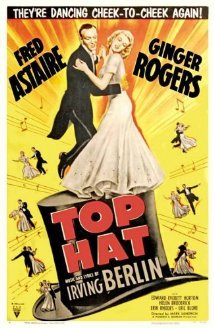
In addition to tattoo Tuesday, it is also Top Hat Day. Here is a little history from Wikipedia:
According to fashion historians, the top hat may have descended directly from the sugarloaf hat; otherwise it is difficult to establish provenance for its creation. Gentlemen began to replace the tricorne with the top hat at the end of the 18th century; a painting by Charles Vernet of 1796, Un Incroyable, shows a French dandy (one of the Incroyables et Merveilleuses) with such a hat. The first silk top hat in England is credited to George Dunnage, a hatter from Middlesex, in 1793.[5] The invention of the top hat is often erroneously credited to a haberdasher named John Hetherington.
There is are a lot of other interesting “facts” onWiki.
Also, here is a nod to the 1935 Fred Astaire, Ginger Rogers film, Top Hat.

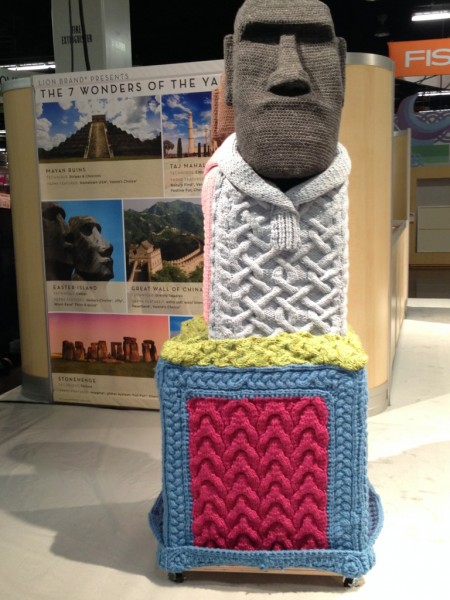
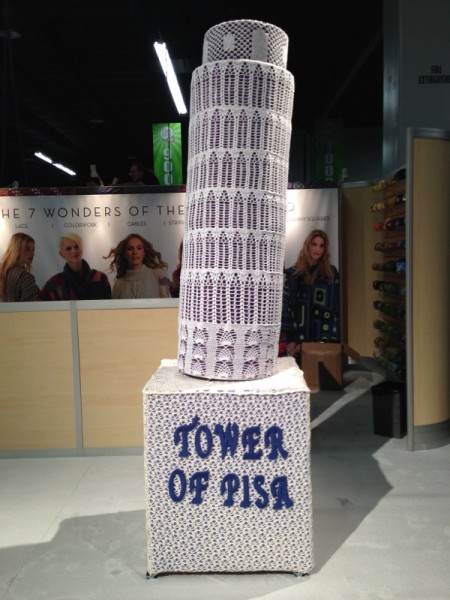
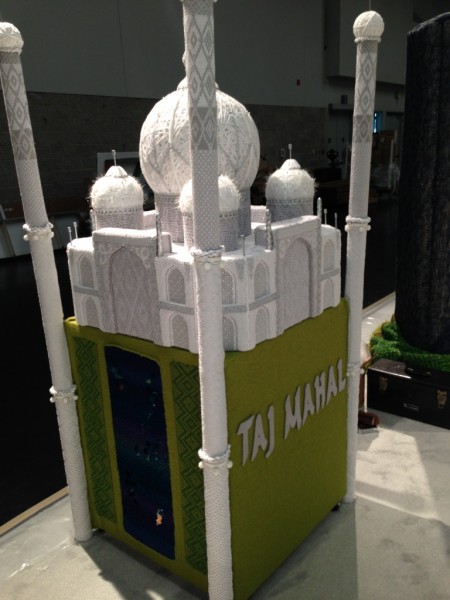
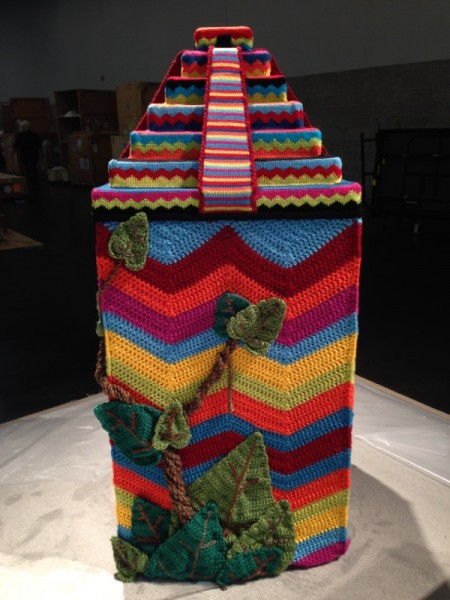
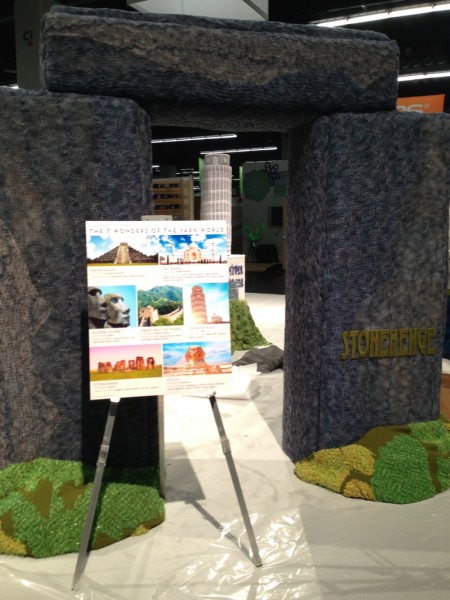
This knitted Great Wall and other wonders of the world are part of the Craft and Hobby trade show going on in Anaheim, California. This exhibit is sponsored by Lion Brand Yarn and was created by Nathan Vincent. Below are other wonders of the world in the exhibit I love the Great Wall on a landscape of crocheted granny squares (above), but also am tickled by the Easter Island fellow wearing an Irish fisherman’s sweater.

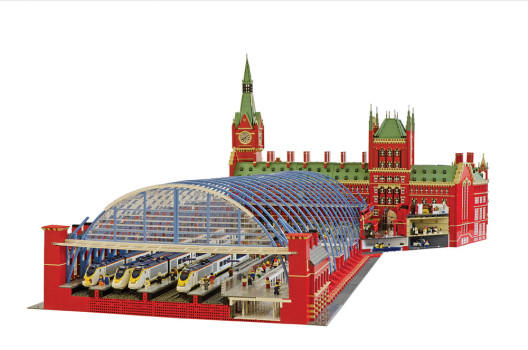 It turns out that I am not the only LEGO-loving grown up around. Have you seen the book, Brick City, by Warren Elsmore. He is, I assume an adult, who has recreated landmarks in LEGO. Above is St Pancras Station.
Among other London landmarks Elsmore has also created Battersea Power Station (with flying pig), and Westminster Abbey.

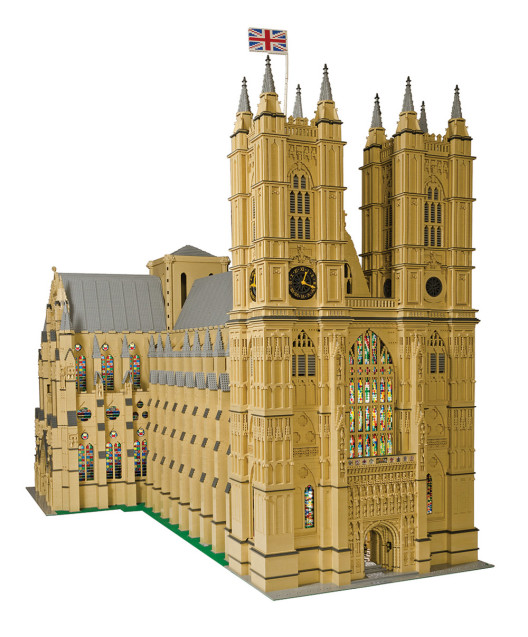

London landmarks are not the only icons Elsmore has rendered in LEGO, but they are the ones featured in the Time Out London article which is my reference.
A little LEGO history from Wiki:
“In 1958, the modern brick design was developed, and it took another five years to find the right material for it, ABS (acrylonitrile butadiene styrene) polymer.Before they used ABS they used a plastic called Cellulose Acetate. The modern Lego brick was patented on 28 January 1958, and bricks from that year are still compatible with current bricks.”
Thanks to Katie for this week’s sappy cat post, which coincidentally ties in with Fashion Week.
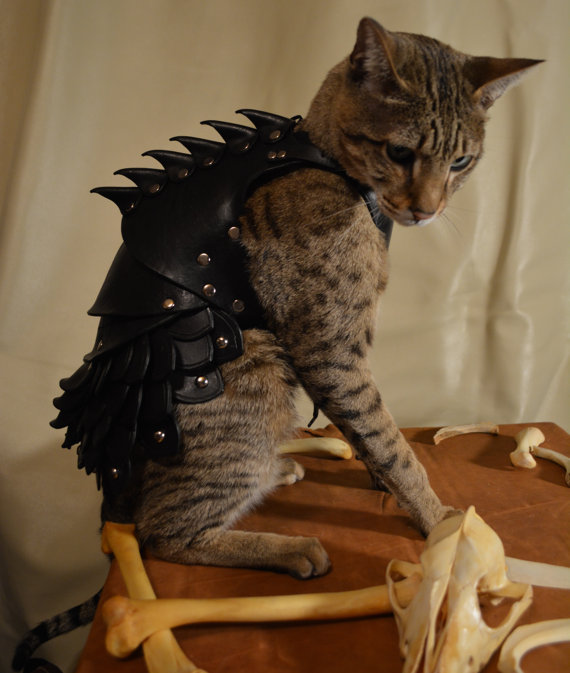
Give your kittie the Xena look. For more information, click this link to the Etsy site.
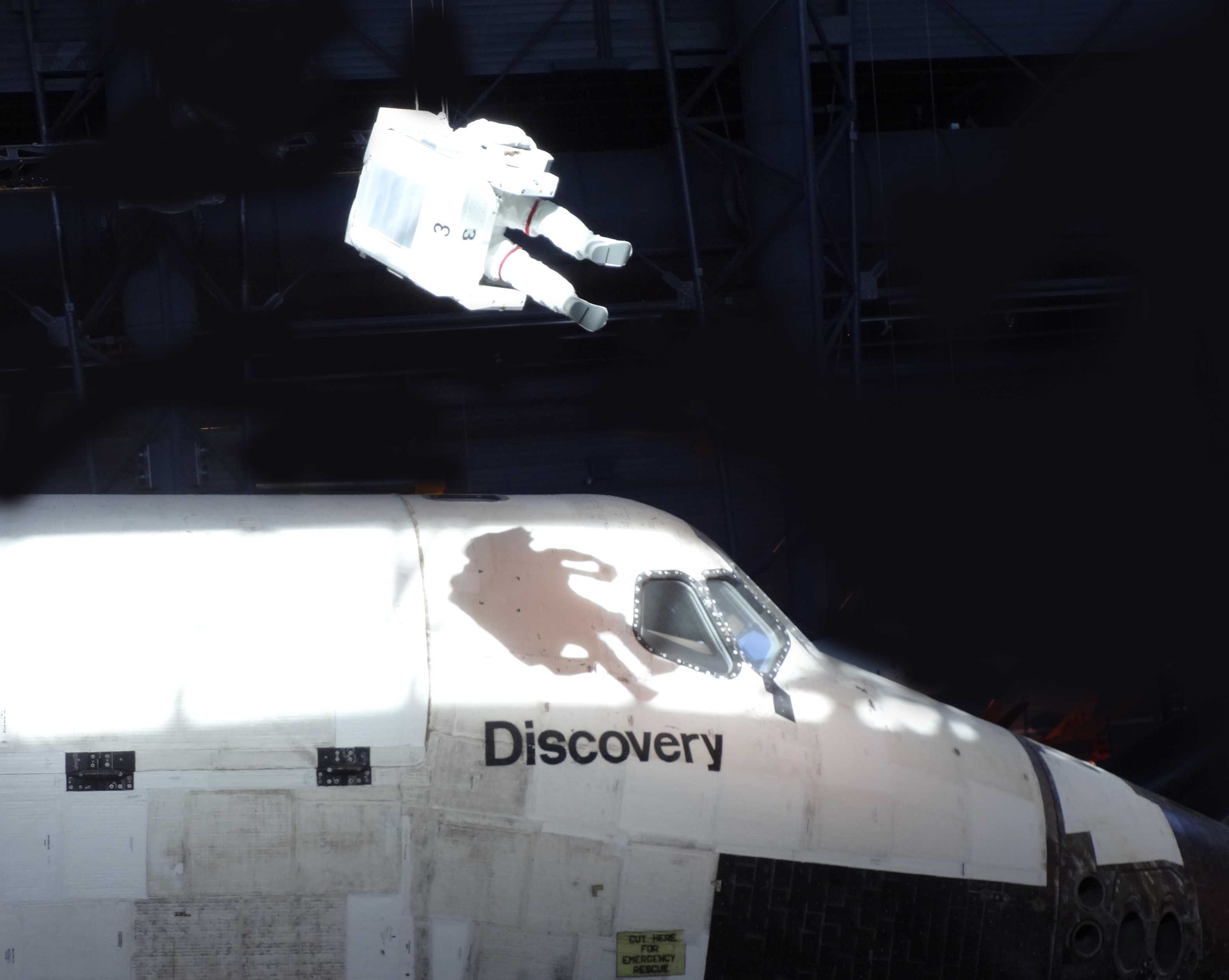
No, not really in space.
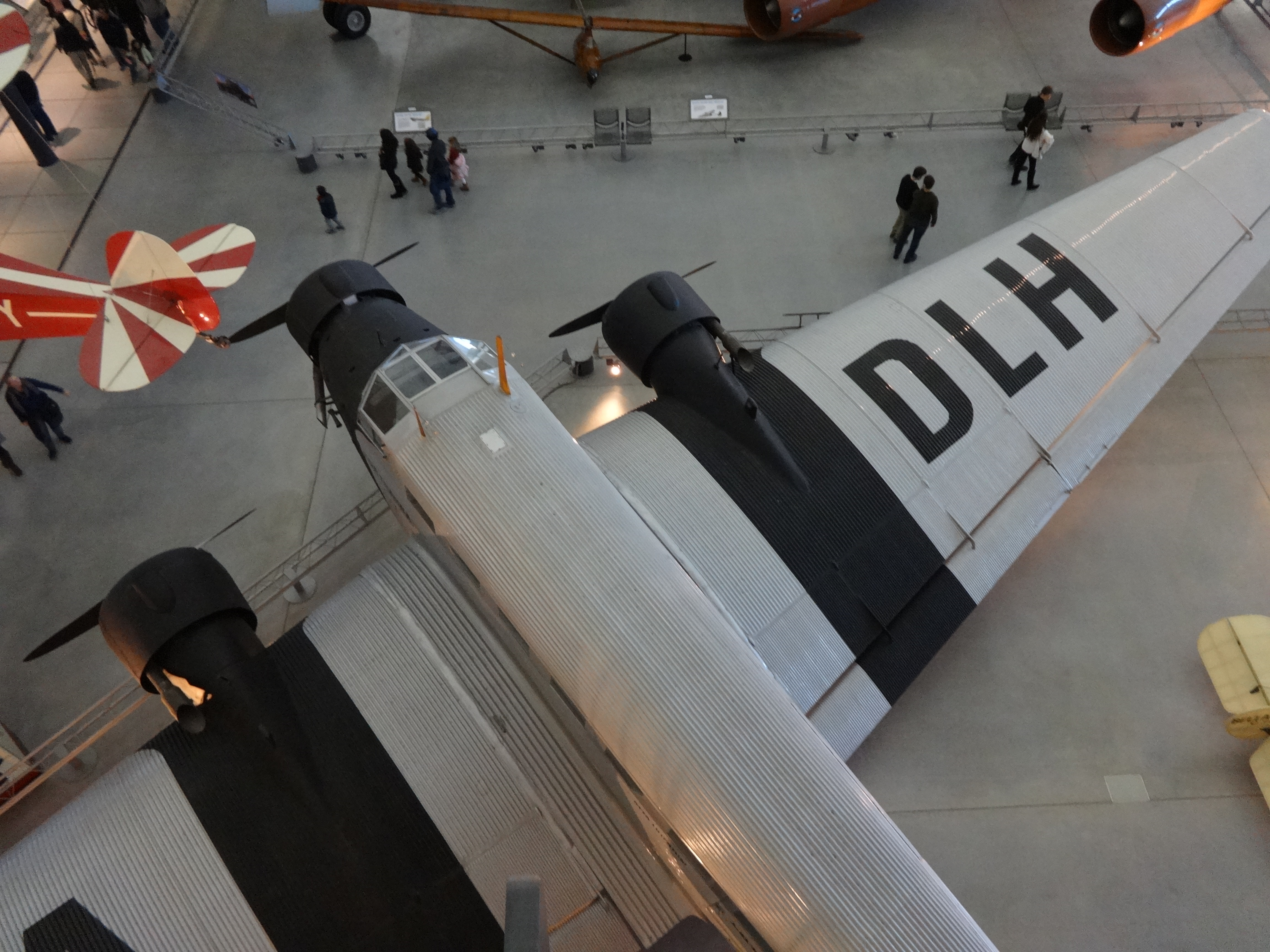
But one of the places we visited while in Virginia was the Stephen F. Udvar-Hazy Center of the National Air & Space Museum – and, if you have been there, you will know that it is spectacular! The space is immense, but with sky walks, stairs and balconies, it is easy to navigate. There were a lot of people there the day we visited. The logical way the exhibits are laid out – and quality of the light and airiness of the space – contributed to a very pleasant experience.
Here are some more photos – but go there if you can.



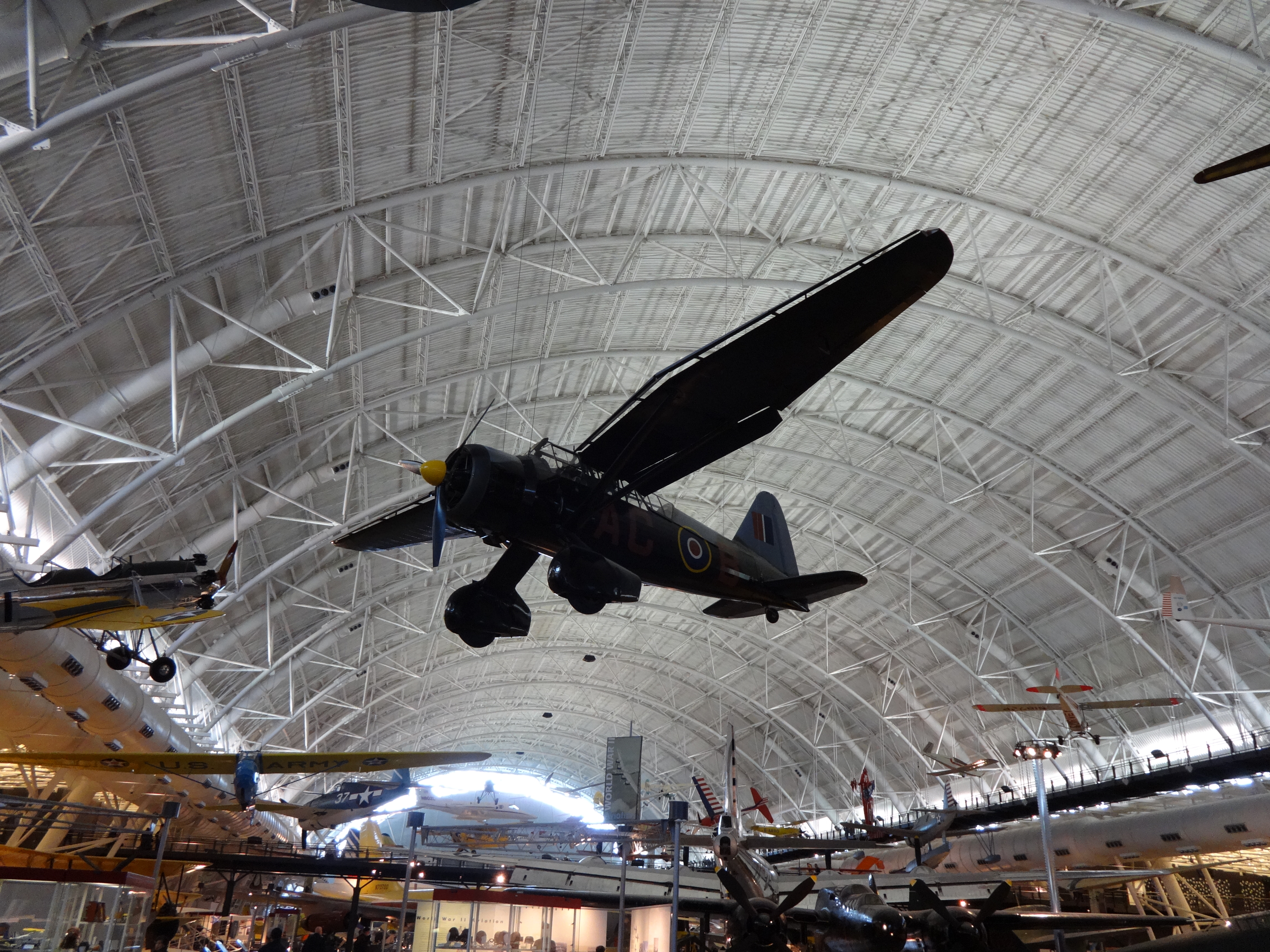

Want to know how big the space shuttle is? That is my almost six foot tall person standing there under it.
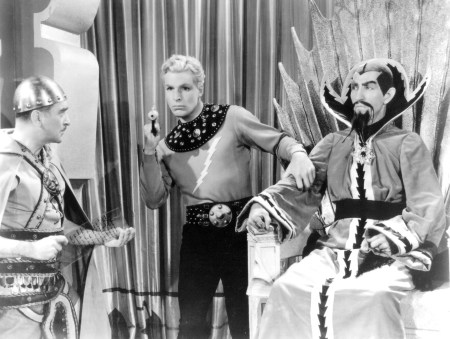
Since the topic is related to Air & Space, let me mention the 80th birthday of Flash Gordon:
Flash Gordon is the hero of a science fiction adventure comic strip originally drawn by Alex Raymond. First published January 7, 1934. Ref. Wiki.
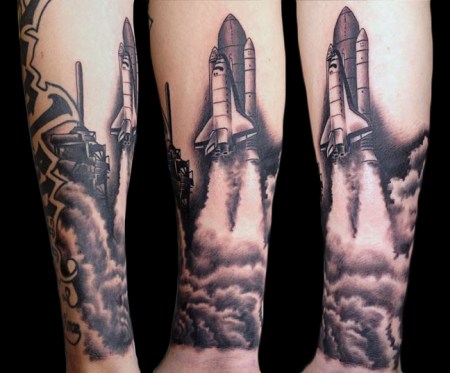
And this week’s Tattoo Tuesday photo:
Firearms, fibers, any news or behaviors that make me say, "hmm, let me take another look at this."
I still miss my man, but my aim is getting better.








 Gunsmoke and Knitting