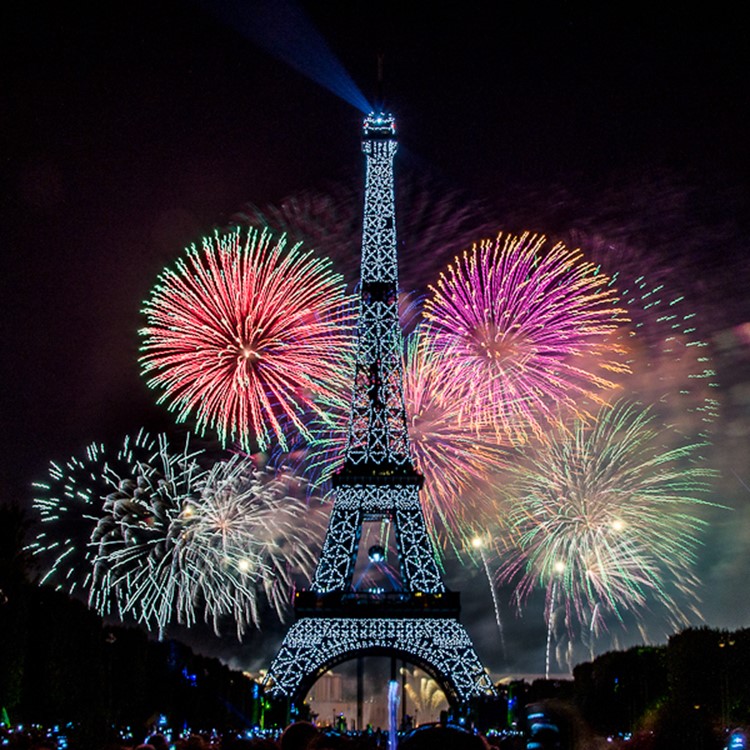
La Fête nationale de la belle France – le quatorze juillet!
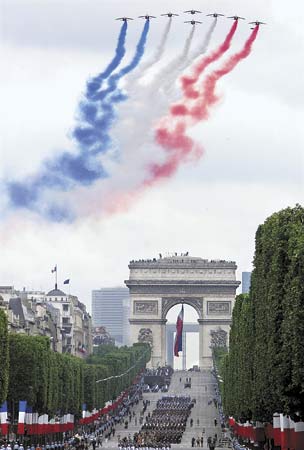
Americans have The 4th of July; the French have Bastille Day. On July 14, 1789, an outraged group of Parisians stormed the Bastille, a fortress and prison in France where prisoners of influence were held, in hopes of capturing ammunition.
Shortly thereafter, King Louis XVI and his wife Marie Antoinette took refuge in Versailles as the violent peasants pillaged and burned châteaux, and destroyed records of feudal dues—this reaction is known as the grande peur (great fear).
For the peasant class, the Bastille stood as a symbol of the hypocrisy and corruption of the aristocratic government – controlled mostly by nobility and clergy. This important event marked the entry of the popular class into the French Revolution.
The French recognize Bastille Day as the end of the monarchy and beginning of the modern republic. The lasting significance of the event was in its recognition that power could be held by ordinary citizens, not in the king or in God.
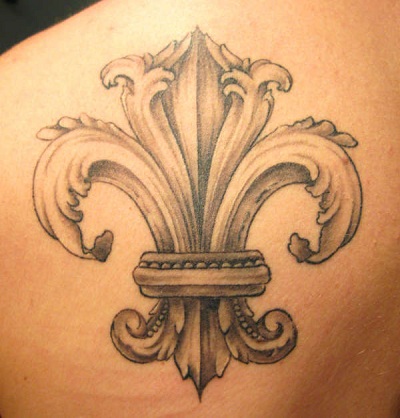
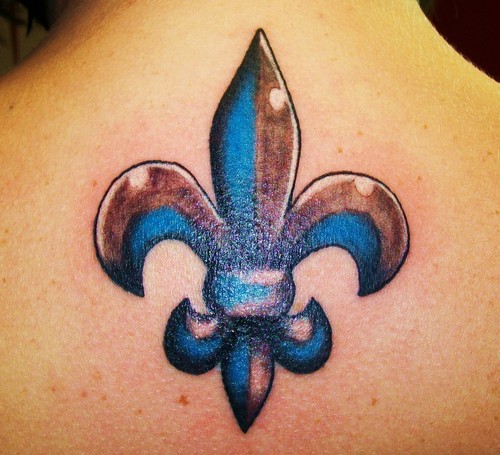
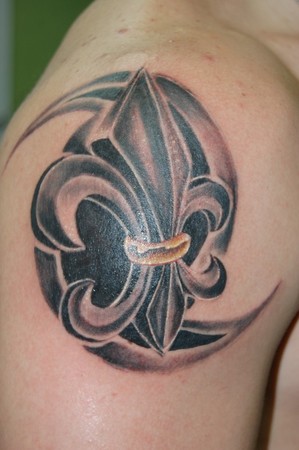
In honor of Charlemagne’s birthday, here is a series of fleur de lis tattoos.
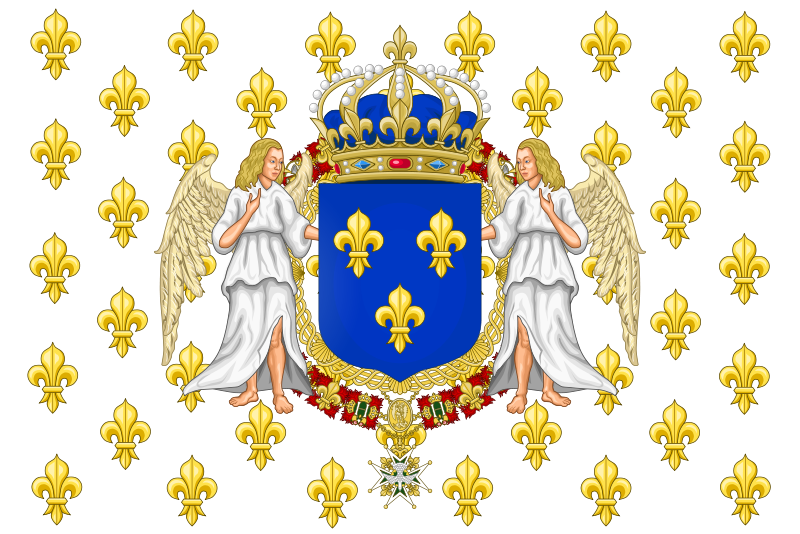
The fleur de lis is a stylized lily. It figures prominently in heraldry, particularly in European royal coats of arms, such as on this flag of the Kingdom of France.
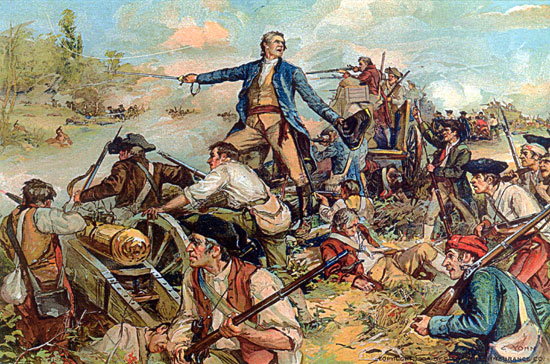
The Battle of Lake George, September 8, 1755. This battle was actually a collection of skirmishes fought on and around Lake George in northern New York, and was part of the effort to force the French from North America. All of these conflicts are within the context of the French and Indian War (in North America) and the Seven Years War (in Europe).
It is interesting that, although called the French and Indian War, native soldiers were engaged in the fighting on both sides of the conflict in North America. In addition to shaping the political interests in the early years of our nation (and Canada), the French and Indian War also brought leaders such as George Washington to the forefront, while foreshadowing the lessening of British dominance in the area.
Just when you pancake it any longer, it’s time to celebrate – National Waffle Day. On August 24, 1869, the first waffle iron was patented in the U.S. by Cornelius Swarthout.
13th Century A.C. – Ancient Greeks cook flat cakes between two metal plates. These early waffles were called obleios and were primarily savory in nature, prepared with cheeses and herbs.
1620 – The pilgrims bring Dutch “wafles” to America.
1735 – The word “waffle” – with two “f”s – appears in English print for the first time.
Late 1800’s – Thomas Jefferson returns to the U.S. from France with a long handled, patterned waffle iron.
1869 – Cornelius Swarthout patents the first U.S. Waffle Iron.
1953 – Frank Dorsa’s Eggo Frozen Waffles are sold in Supermarkets for the first time.
1964-65 – Brussels restaurateur Maurice Vermersch brings his wife’s Brussels Waffle recipe to the World’s Fair in New York. The fluffy yeast-infused waffle becomes a huge hit and becomes known as the Belgium waffle.
August 4, 1693 – The Night They Invented Champagne
Tradition has it that a monk invented champagne accidentally, leading to the fabled quotation, “Come quickly, I am tasting stars!” The story has probably been embellished over the years, but let us lift our glasses in a toast to whoever invented champagne, on this date in 1693, or some other time.
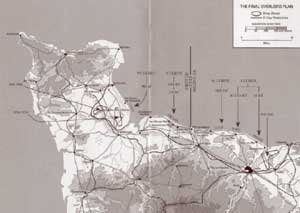
Today marks the 68th anniversary of D-Day – the landing of Allied troops on the Normandy coast.
June 6, 1944, 160,000 Allied troops landed along a 50-mile stretch of heavily-fortified French coastline to fight Nazi Germany on the beaches of Normandy, France. General Dwight D. Eisenhower called the operation a crusade in which “we will accept nothing less than full victory.” More than 5,000 Ships and 13,000 aircraft supported the D-Day invasion, and by day’s end on June 6, the Allies gained a foot- hold in Normandy. The D-Day cost was high -more than 9,000 Allied Soldiers were killed or wounded — but more than 100,000 Soldiers began the march across Europe to defeat Hitler.













 Gunsmoke and Knitting