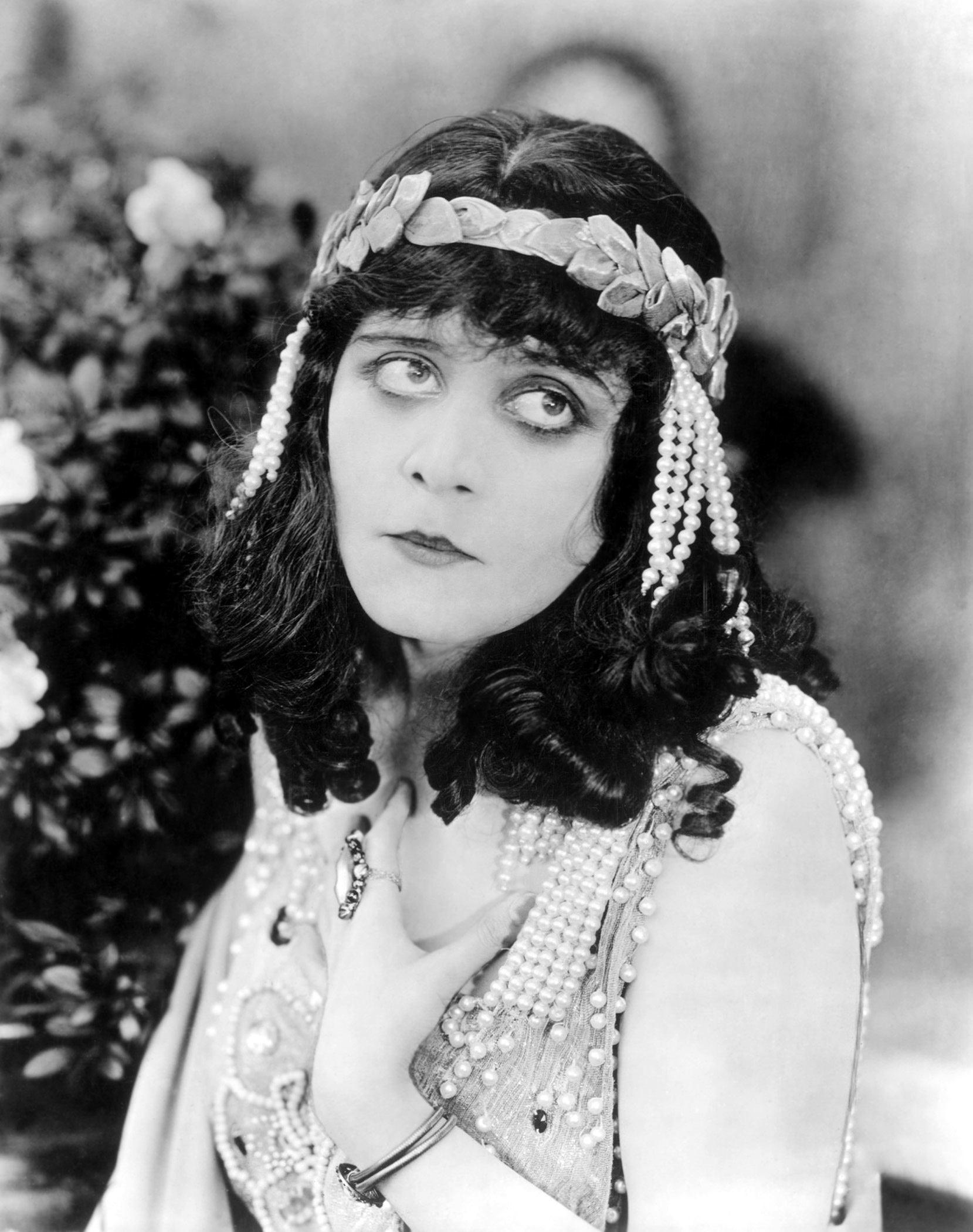
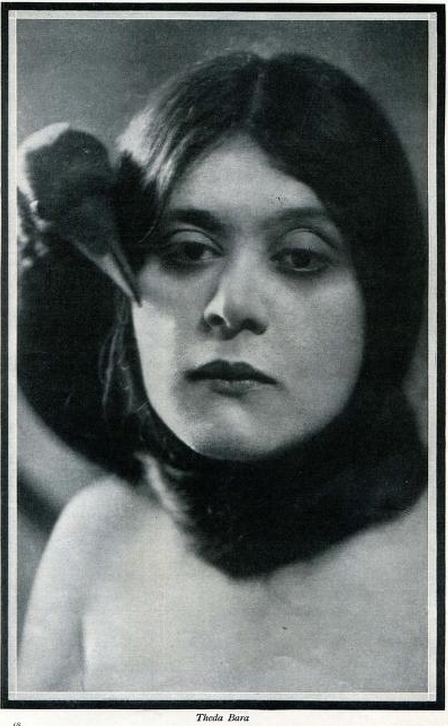
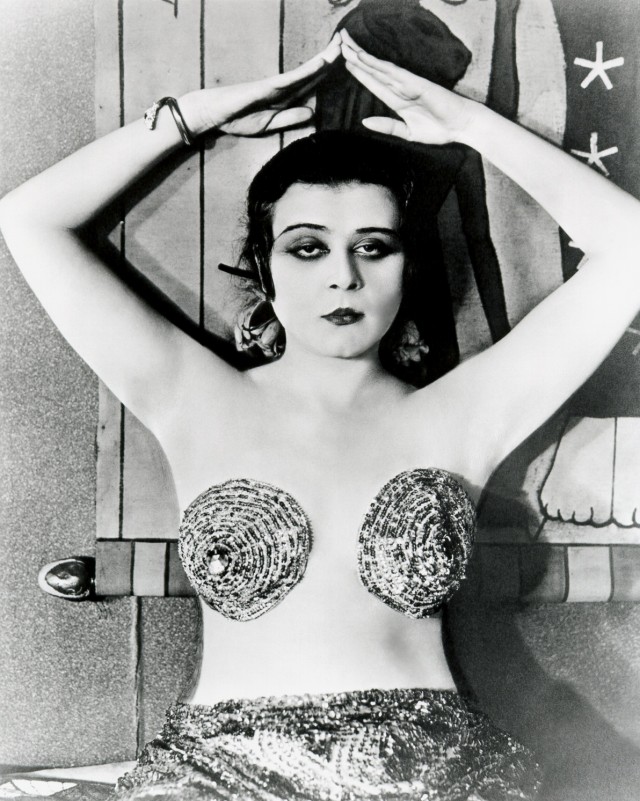
Theda Bara was an American silent film and stage actress. Bara was one of the most popular actresses of the silent era, and one of cinema’s earliest sex symbols. Her femme fatale roles earned her the nickname The Vamp. – Wikipedia
Theda Bara’s persona was an early Hollywood creation. Fox studios made up a history of her parents and upbringing. The photos of her remind me of a Gibson Girl gone Goth and, in spite of the erotic and just plain weird costumes, there is a certain innocence about her. She probably spent a fortune on eye makeup, though. She was born Theodosia Burr Goodman on July 29, 1885 in Cincinnati, Ohio, of all places.
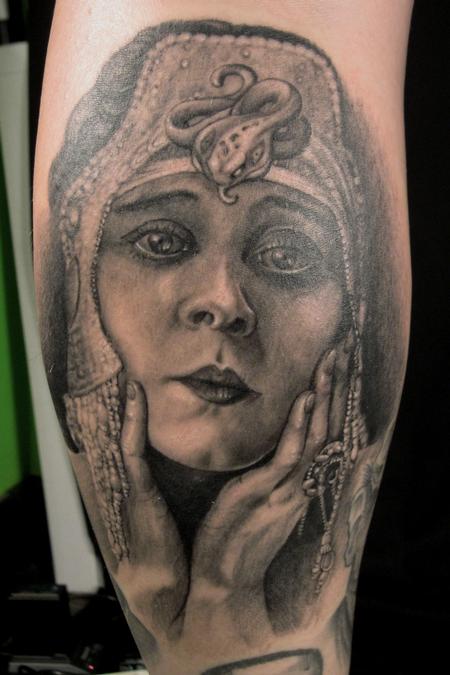
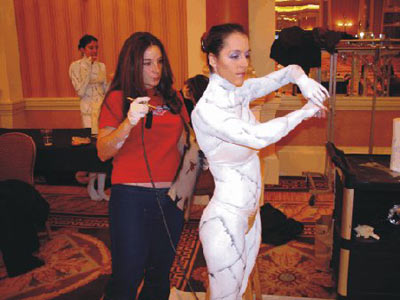
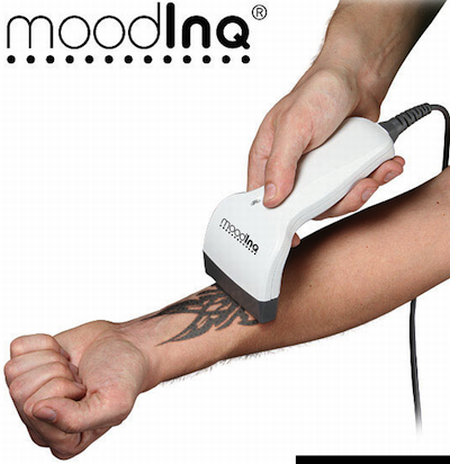
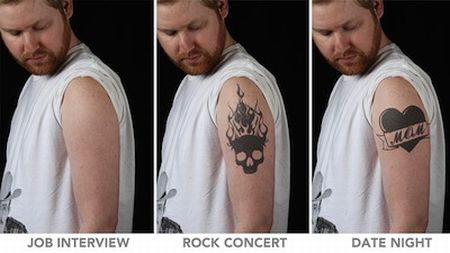
Since it is tattoo Tuesday, here is one honoring Theda Bara.
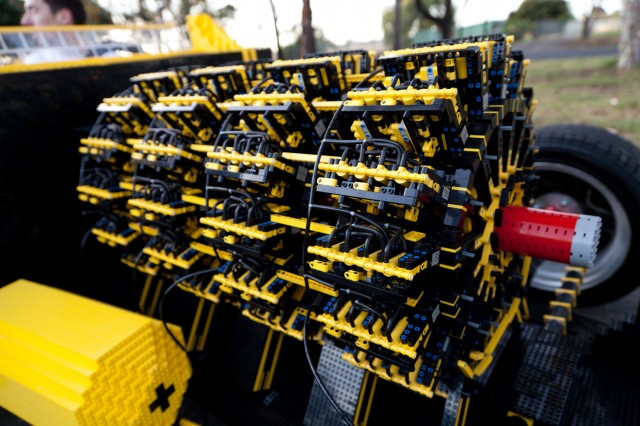
This article from American Digest depicts what every kid wants – enough pieces and parts of building toys to make something REALLY BIG.
This is a fantastic marble raceway – and speaking of marbles. Wikipedia provides some insight into their history:
Various balls of stone were found on excavation near Mohenjo-daro. Marbles are also often mentioned in Roman literature, and there are many examples of marbles from ancient Egypt. They were commonly made of clay, stone or glass.
Marbles were first manufactured in Germany in the 1800s. The game has become popular throughout the US and other countries.
Ceramic marbles entered inexpensive mass production in the 1870s.
A German glassblower invented marble scissors in 1846, a device for making marbles. The first mass-produced toy marbles (clay) made in the U.S. were made in Akron, Ohio, by S. C. Dyke, in the early 1890s. Some of the first U.S.-produced glass marbles were also made in Akron, by James Harvey Leighton. In 1903, Martin Frederick Christensen—also of Akron, Ohio—made the first machine-made glass marbles on his patented machine. His company, The M. F. Christensen & Son Co., manufactured millions of toy and industrial glass marbles until they ceased operations in 1917. The next U.S. company to enter the glass marble market was Akro Agate. This company was started by Akronites in 1911, but was located in Clarksburg, West Virginia. Today, there are only two American-based toy marble manufacturers: Jabo Vitro in Reno, Ohio, and Marble King, in Paden City, West Virginia.
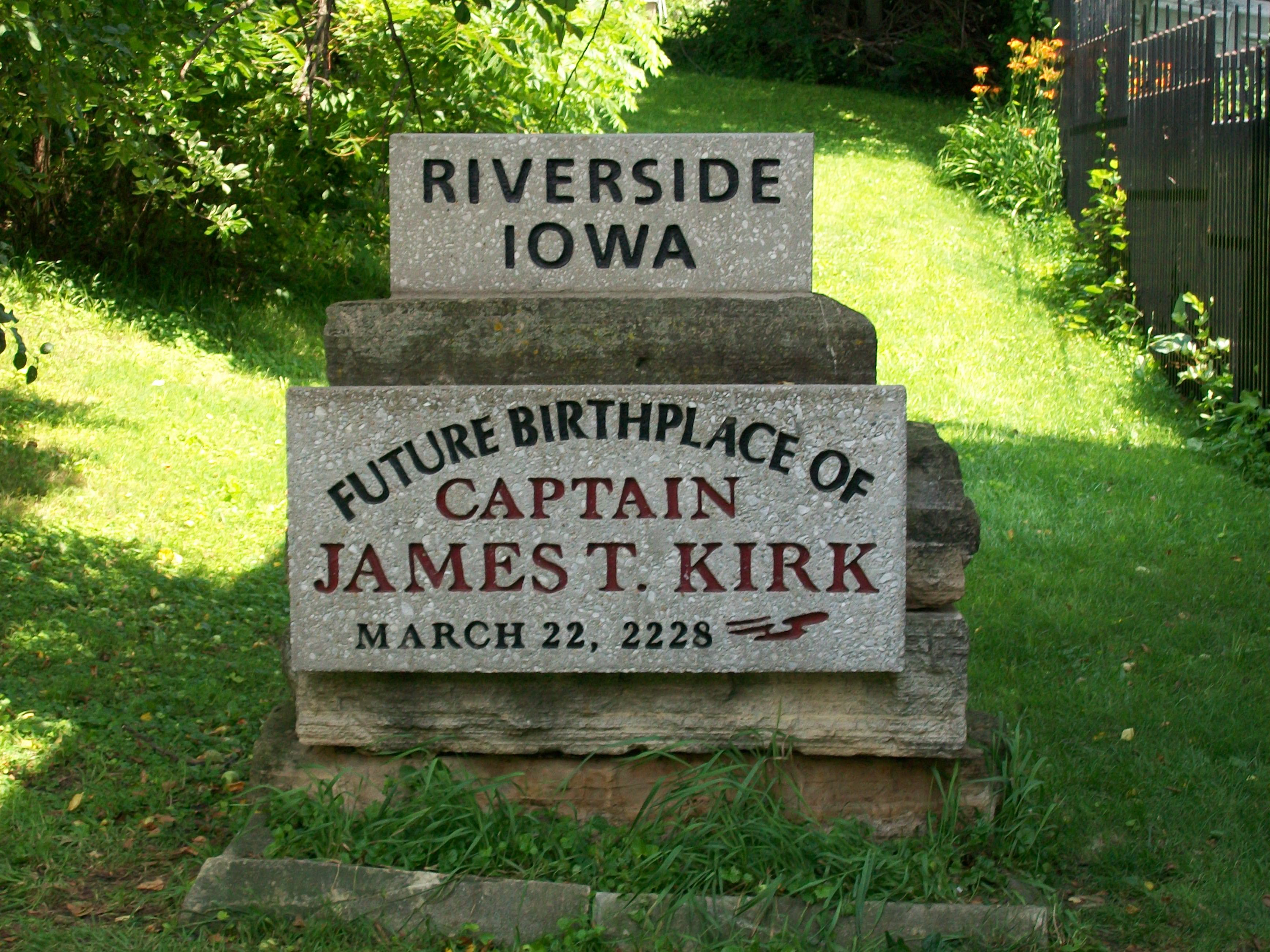
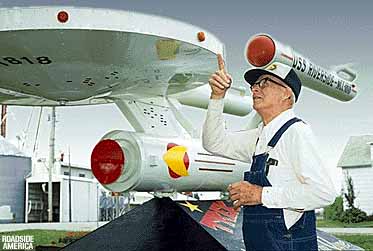
On March 22, 2228, James Tiberius Kirk will be born in Riverside, Iowa. This is a town that takes its future seriously. There is a plaque in town to pre-commemorate the event and a starship graces the town square.
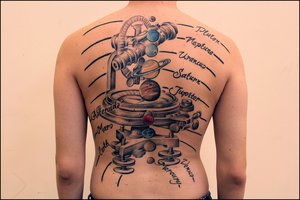
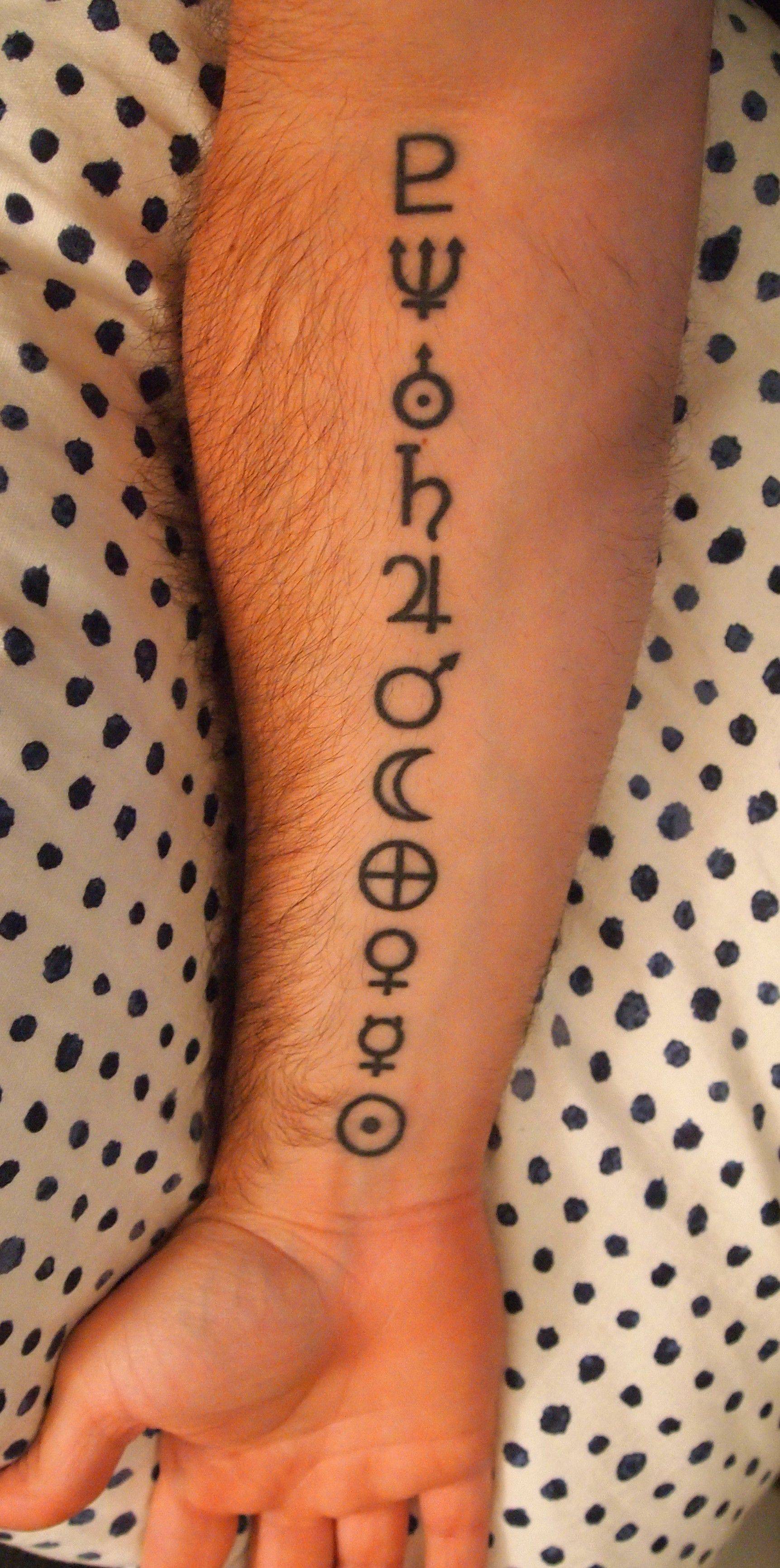
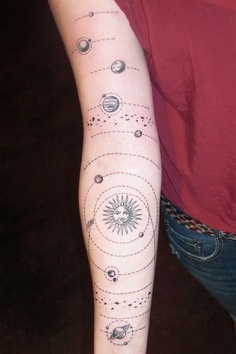
On February 18, 1930, Clyde W. Tombaugh, an assistant at the Lowell Observatory in Flagstaff, Arizona, discovered Pluto. For over seven decades, Pluto was considered the ninth planet of our solar system.
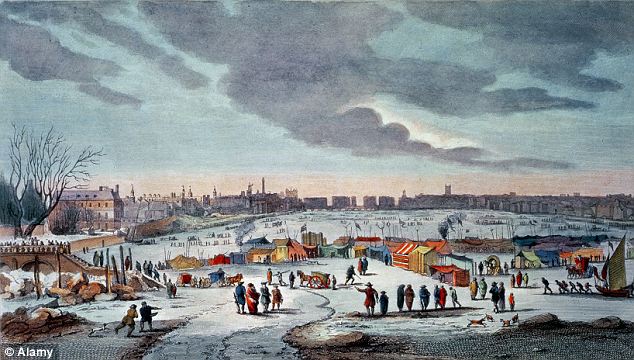
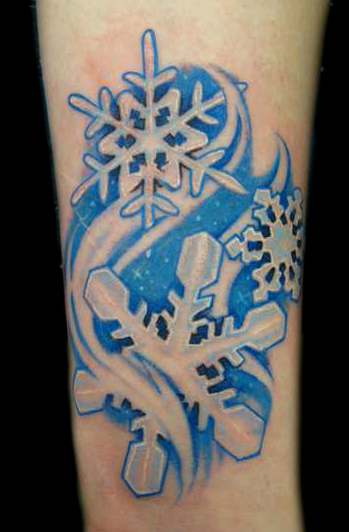
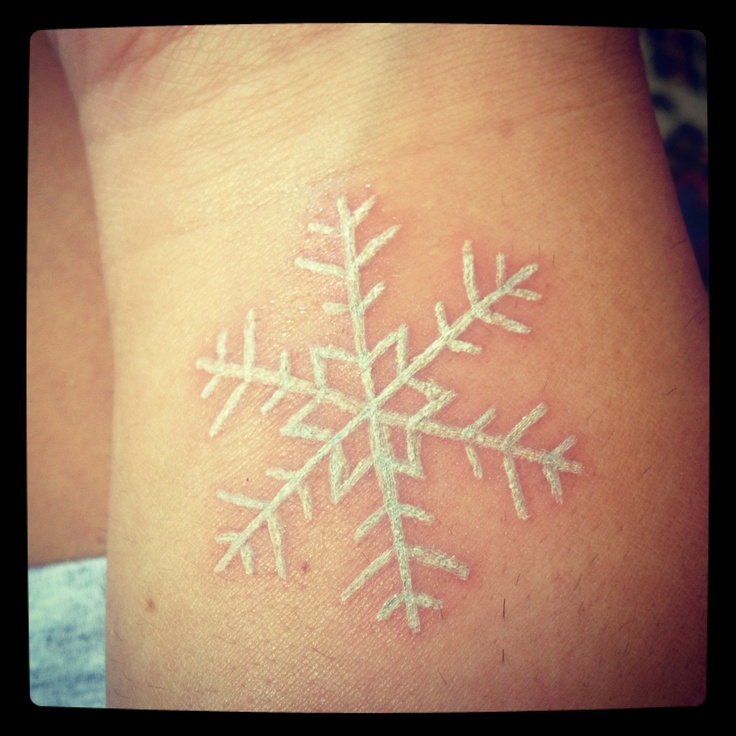
Today is King Frost Day – which harkens back to the Little Ice Age when temperatures in northern hemisphere, at least, were below normal. This led to freezing in areas such as London, which were not normally so affected by the deep cold of winter. Frost fairs were held that are reminiscent of other modern and ancient festivals held in the depth of winter. These gatherings provided activity and entertainment, yet were probably rooted in other ancient festivals that marked not so much the long nights of winter as at the Solstice, but the hope that the warmth of the sun would not be too long in returning.
Today (February 4th) is King Frost Day, when the people of London used to celebrate the harbinger of the winter freeze by holding frost fairs on the frozen River Thames. Before embankment, when the river was wider and therefore flowed much slower, it would freeze in winter. Between the 15th century and early 19th century – a period known as the Little Ice Age – temperatures were much lower than they are now, and, during the Great Frost of 1683–84 (the worst recorded in England), the Thames was completely frozen for two months, with the ice reaching a thickness of 11 inches. People could easily walk from one side of the river to the other.
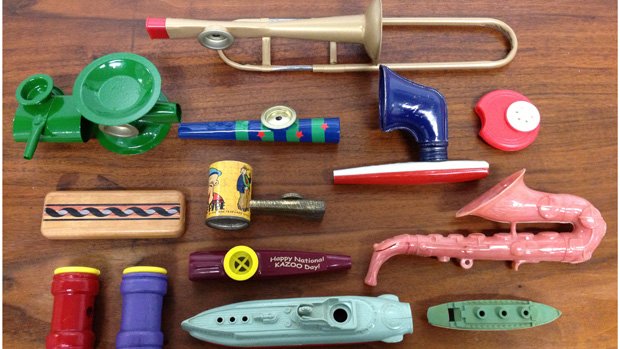
The kazoo is a musical instrument that adds a “buzzing” timbral quality to a player’s voice when the player vocalizes into it. The kazoo is a type of mirliton, which is a membranophone, one of a class of instruments which modifies its player’s voice by way of a vibrating membrane. (Wikipedia)
This weirdly disturbing video describes the history of kazoos.
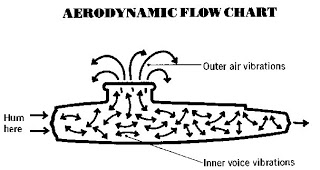
A little bit of kazoo science:
I really, really want this one:
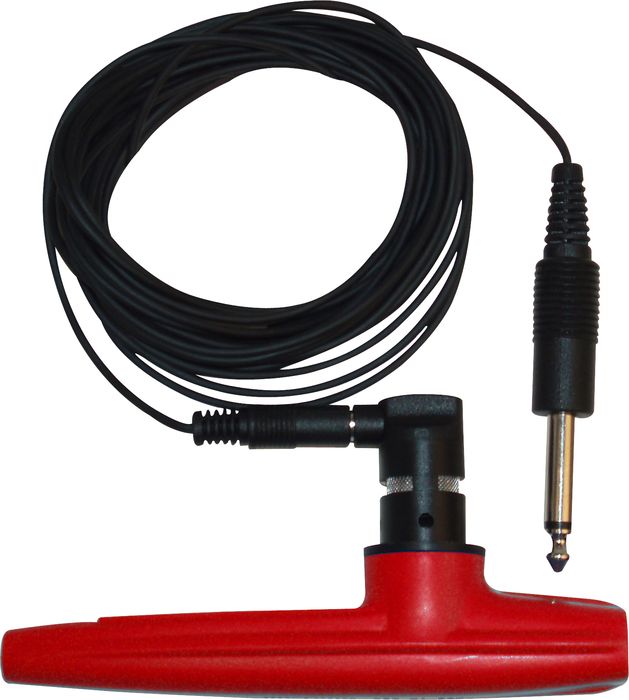
You can even buy an electrified kazoo that will plug into your amplifier:
Fun for the whole family:
Did I ever tell you that I was once the director of a kazoo band?























 Gunsmoke and Knitting