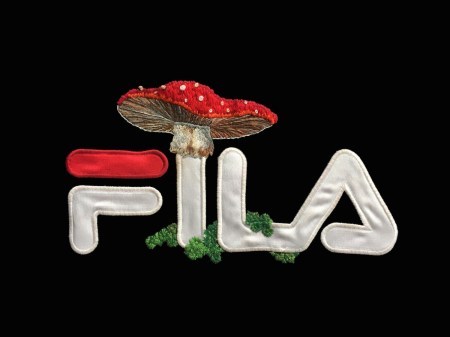


Artist James Merry cannot stop doodling. In this case he doodles beautifully embroidered flowers integrated into company logos on apparel. I admire the skill – all hand-done – not machine embroidery.

Artist James Merry cannot stop doodling. In this case he doodles beautifully embroidered flowers integrated into company logos on apparel. I admire the skill – all hand-done – not machine embroidery.
Last week I included a reference to Alexander McQueen’s Tattoo Dress in my Tuesday posting. In spite of being a complete fashionista, I was unaware of this designer – even though he did do Whats-her-name’s wedding dress.
Unfortunately, McQueen ended his own life in 2010. I find his designs imaginative and striking . . .
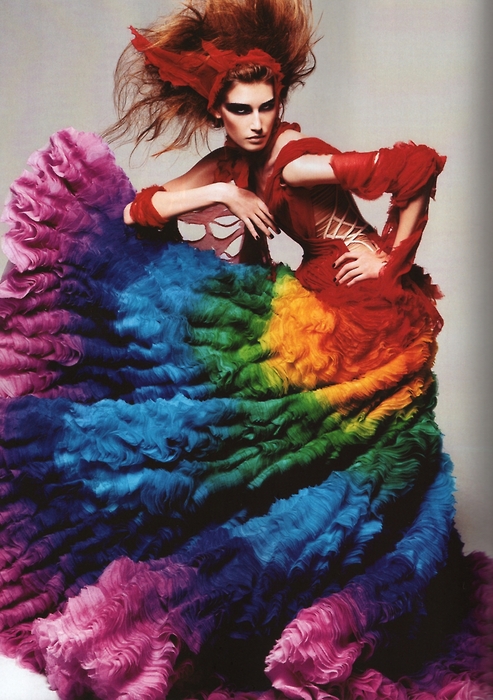
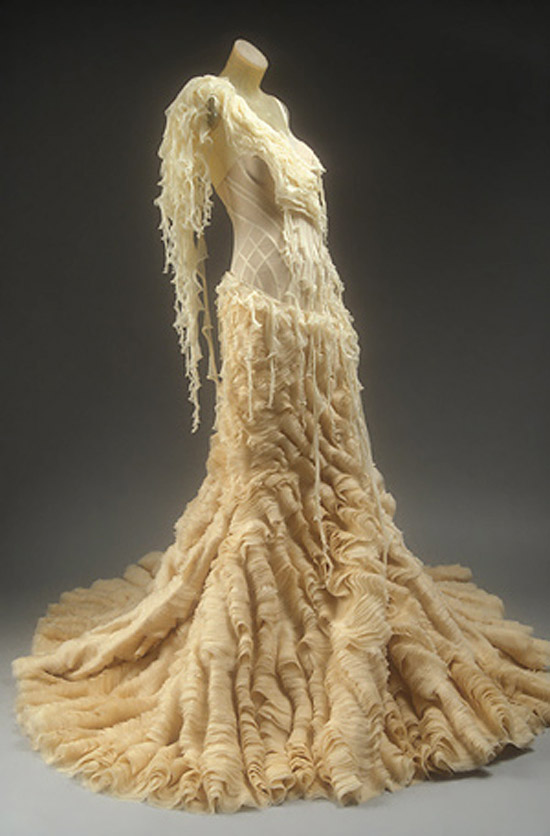
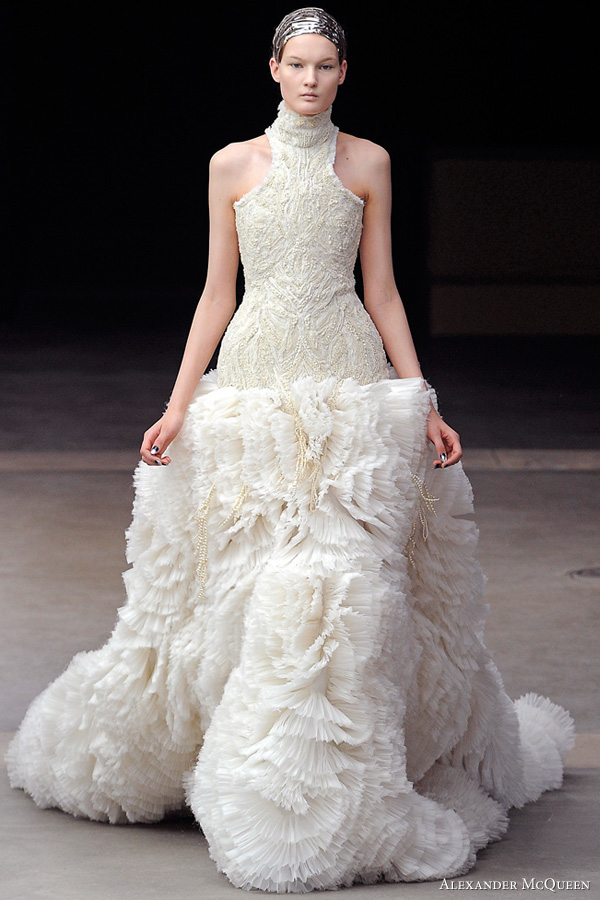


And sometimes, weird . . .
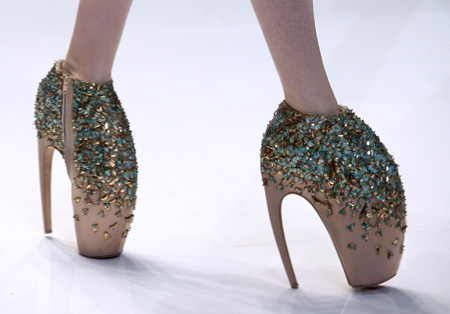

The Tattoo Dress
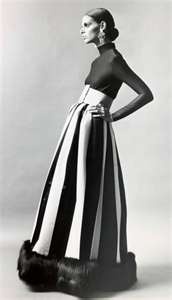
She was noted not only for her designing skills, but also for her tailoring and such touches as constructing dresses with no obvious seams.
Miss Trigère wore only her own designs, and she generally punctuated them with several of her trademark turtle pins. She was known both for her meticulous grooming and for a charm that surmounted her blunt, sometimes impolitic comments, spoken in a Gallic accent she never lost.
I remember sewing this dress, or something similar when I was in junior high or high school. It was not as simple as it looks.
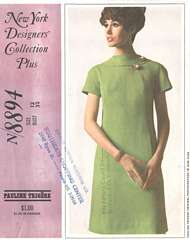
And I forgot that you had to stand all funny when wearing her dresses:


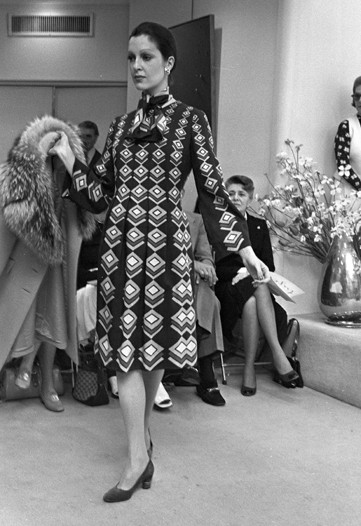
I could not find a Trigere tattoo, but I did find this super tattoo dress by Alexander McQueen:
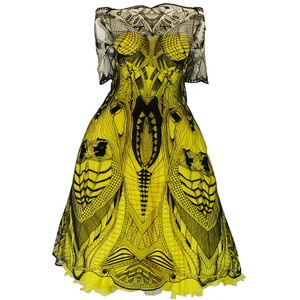 Want.
Want.
Just for fun from random spots across the internet.
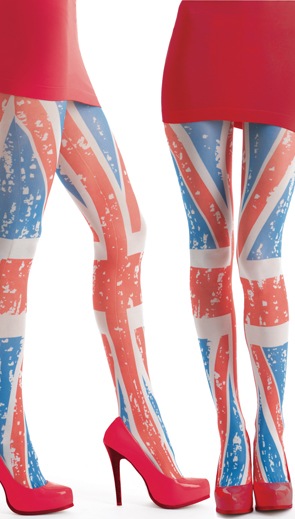
Nope
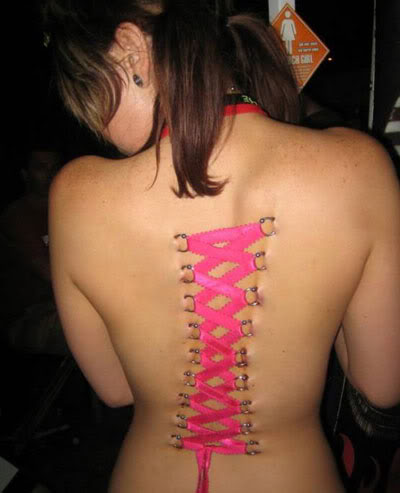 Oh, Really No
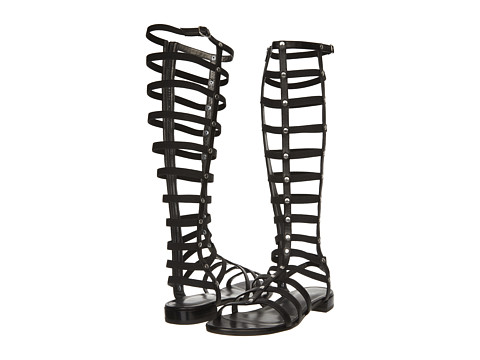 Nope
Nope

Maybe

I like these

Interesting

Lose the guy in the background, but I think this is lovely.

The Norwegian Curling Team
Oy!
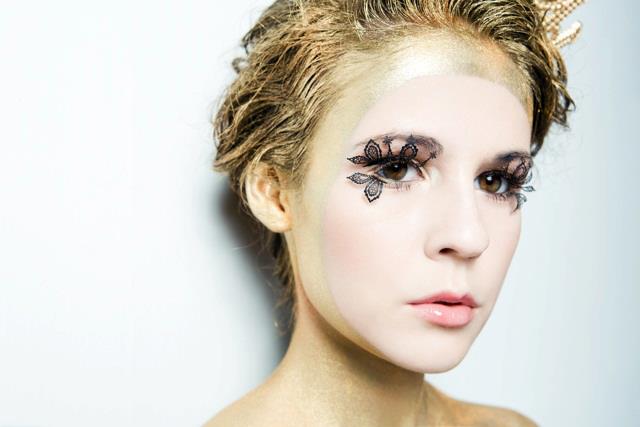 This is not a tattoo. The model is wearing paper lashes from here.
I cannot imaging wearing these without rubbing them off almost immediately.

Or these.
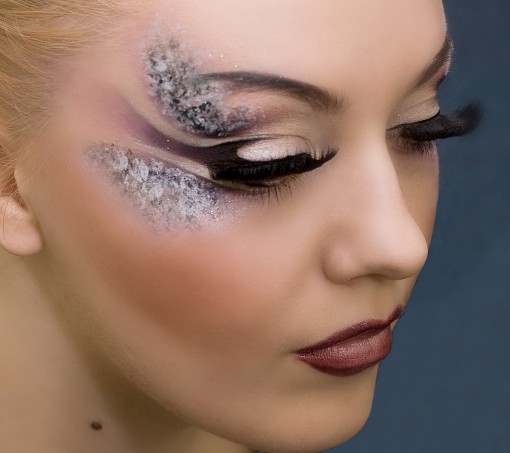
This is makeup, not a tattoo.
But this one is a tattoo. I would like permanent eyeliner like this (I think.)
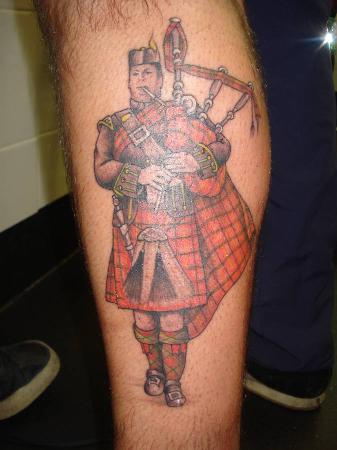
And now for something completely different, this is the opening of the 2012 Edinburgh Military Tattoo covered by the BBC
and supported by this flash
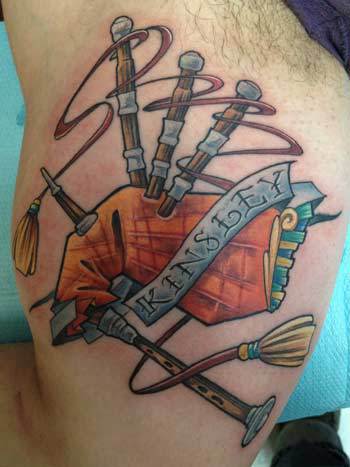

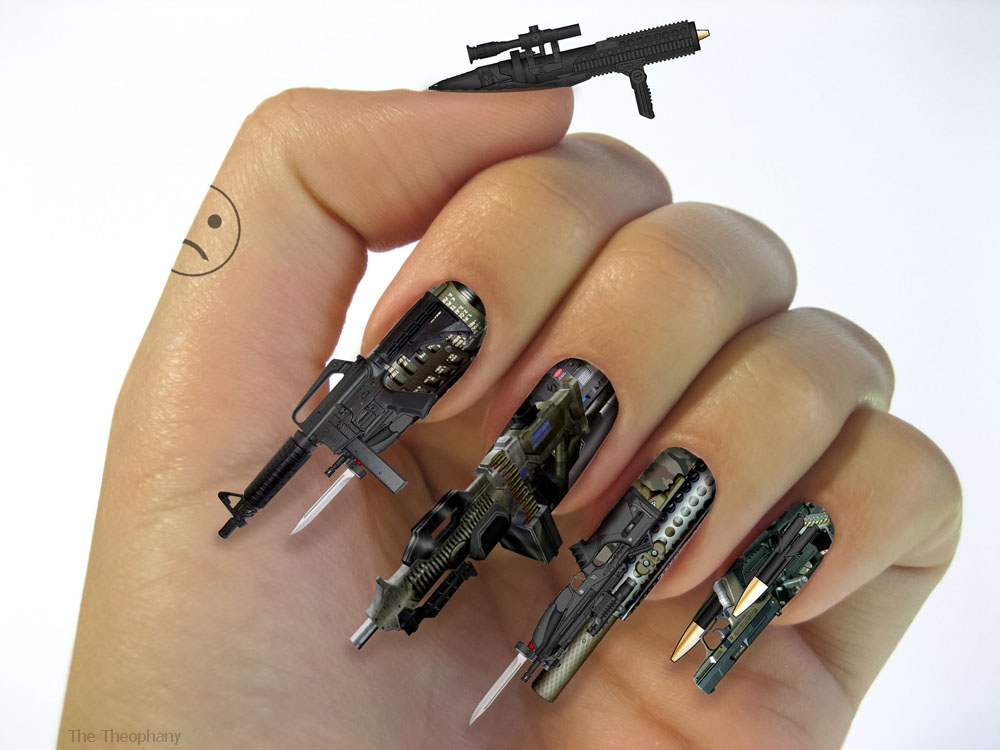
Category: Gunsmoke. Or at the very least Photoshop, from The Theophany.
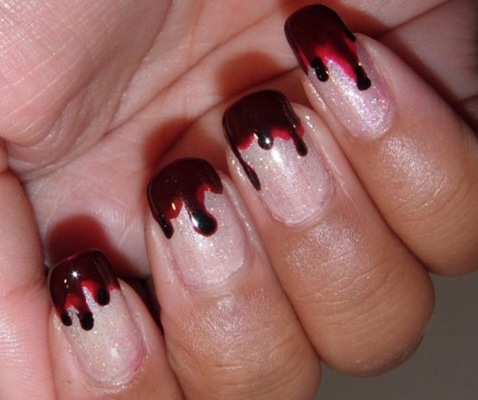
I also like this one. I am not a nail polish fan, but this one is interesting.
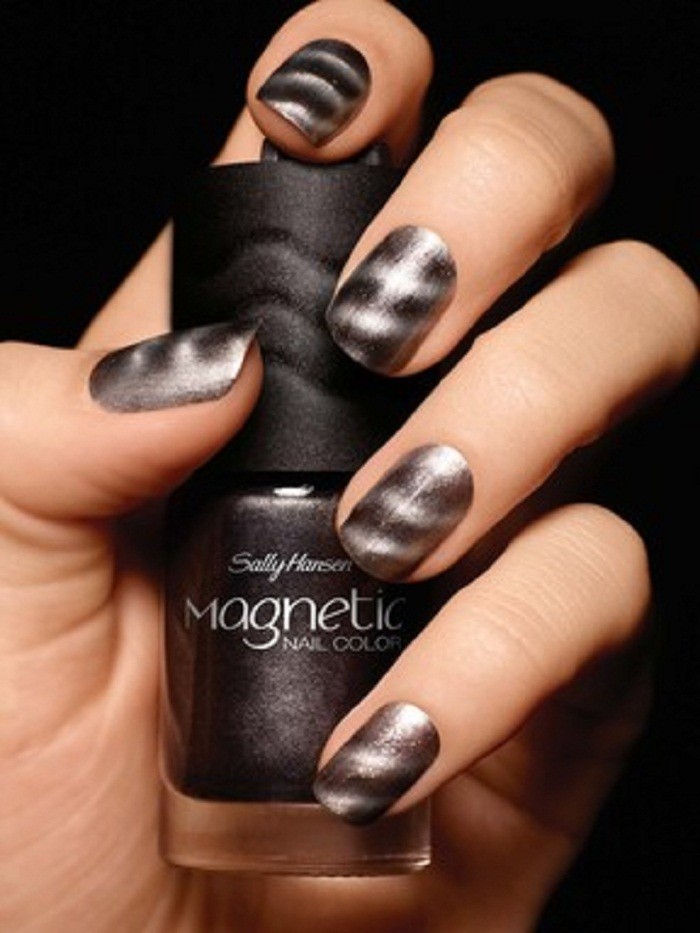
And this one. This is fun nail polish that a friend shared with me.
 I am referring to Levi’s, of course. Patented on May 20, 1873 by Levi Strauss, a dry goods merchant, and Jacob Davis, a tailor. Levi’s filled a need for the working man of the era – miners, cowboys, farmers – and endured to become an iconic American garment even though it was, ironically, invented by a Bavarian and a Latvian immigrant.*
Look here at an interview with Levi’s historian, Lynn Downey, in Cowboys and Indians Magazine.

*note: unless you are still living in the Great Rift Valley, you are probably the off-spring of immigrants.
Firearms, fibers, any news or behaviors that make me say, "hmm, let me take another look at this."
I still miss my man, but my aim is getting better.








 Gunsmoke and Knitting