July 7, 2012

Robert Anson Henlein – born July 7, 1907.
A highly quotable and prolific author. This is one of my favorite Heinlein quotes:
A human being should be able to change a diaper, plan an invasion, butcher a hog, conn a ship, design a building, write a sonnet, balance accounts, build a wall, set a bone, comfort the dying, take orders, give orders, cooperate, act alone, solve equations, analyze a new problem, pitch manure, program a computer, cook a tasty meal, fight efficiently, die gallantly. Specialization is for insects.
Posted in Uncategorized | Tagged birthday, books, Robert Heinlein, science fiction, The cat who walks through walls | 2 Comments »
July 6, 2012

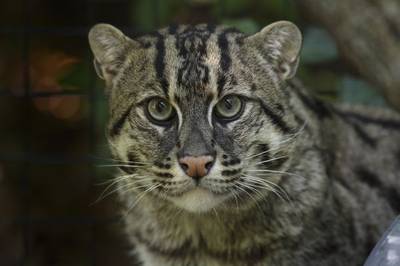
From the Smithsonian’s National Zoo in Washington, DC, again, click here to see the Asian fishing kittens which were recently born. Unfortunately these lovely animals are endangered due to habitat destruction.
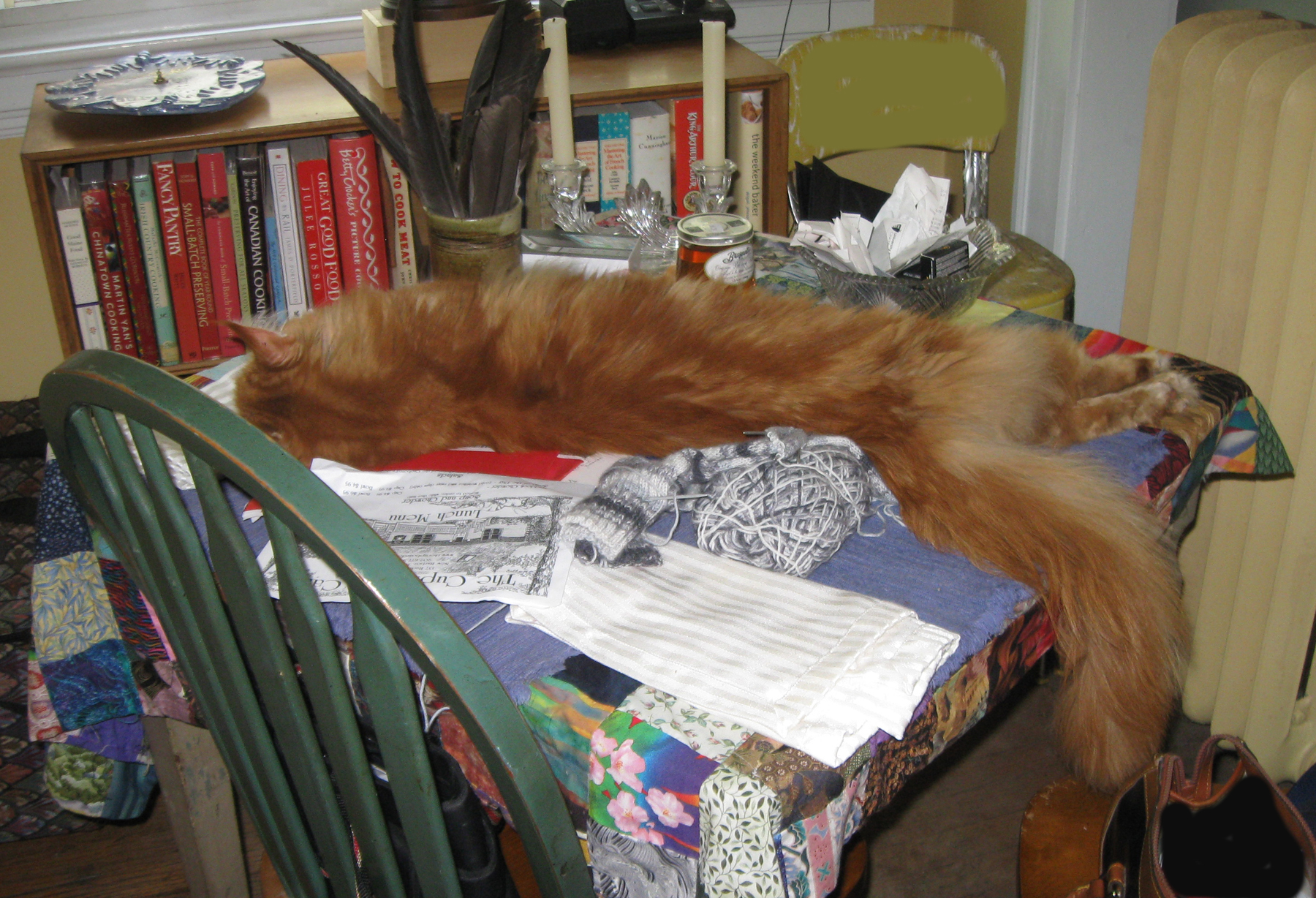
Bonus Sappy Cat photo:
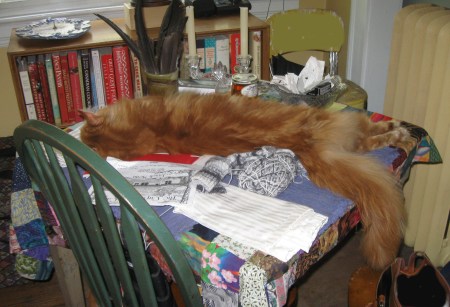
This is Maine Coon kittie, Sam Vimes lounging in the breakfast nook. (My cats never climb on the furniture.)
Reference and photo credit for the fishing cat: Smithsonian National Zoo.
Posted in Uncategorized | Tagged cat, fishing cat, Friday, nature, Sam Vimes, sappy cat, sappy cat blogging | 4 Comments »
July 3, 2012
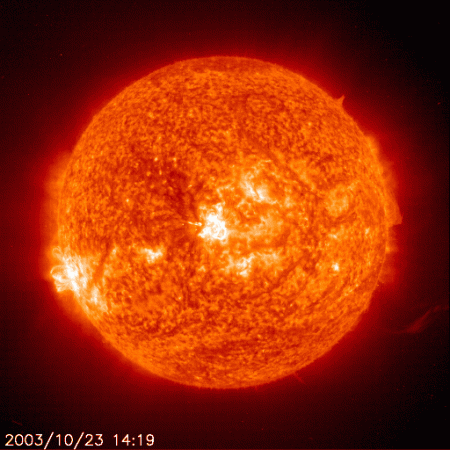
Some more astronomy stuff.
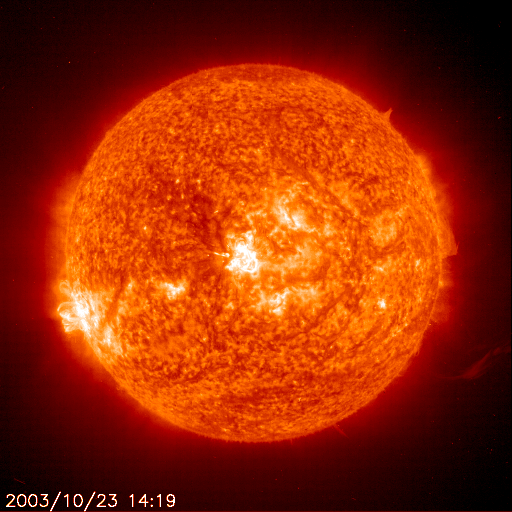
I saw this on the Space Weather site yesterday. A great video showing a solar flare.
And was reminded by Lights in the Dark about the Astronomy Picture of the Day site and this video featuring a fictional journal to the middle of our galaxy. (I probably did not have to say that it was fictional.)
I had forgotten about APOD. I find the site fascinating and they have begun to add videos since I last visited. I love this stuff.
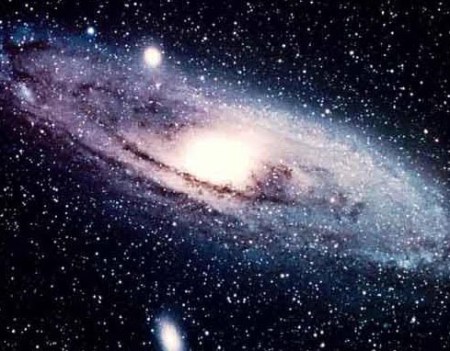
Photo credit: NASA
Posted in Uncategorized | Tagged astronomy, astronomy picture of the day, galaxy, geeky science blogging, milky way, NASA, science, solar flare, space, space weather, sun | 4 Comments »
July 2, 2012

“We like to stress her accomplishments rather than her disappearance,” said Louise Foudray, who serves as caretaker and historian of the Amelia Earhart Birthplace Museum. “However, everyone loves a mystery.”
Today marks the 75th anniversary of Amelia Earhart’s disappearance, along with navigator, Fred Noonan, over the Pacific Ocean while attempting to circumnavigate the globe.
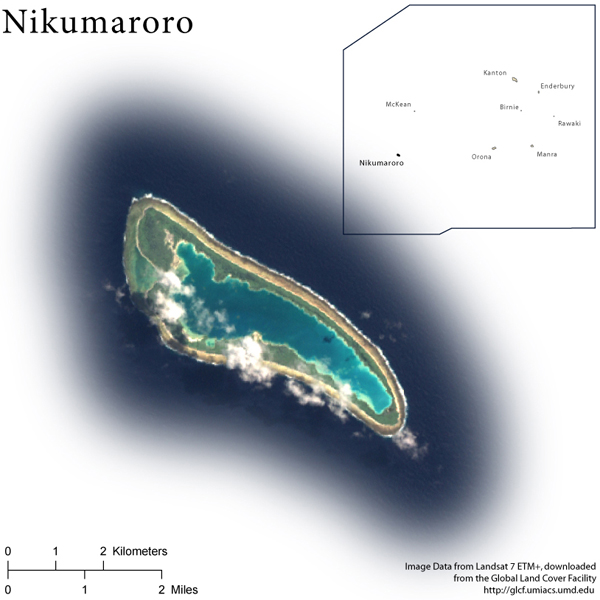
It seems strange to read that there is breaking news about the tragic loss of this pioneering figure, but a new search for her plane is being initiated off the island of Nikumaroro, which is part of the nation of Kiribati. The search was stimulated by a vintage jar of anti-freckle cream found on a island in the western Pacific near Earhart’s last reported location.
She was married to writer George Putnam, but had progressive ideas about marriage and the roles of women.
She placed third at the Cleveland Women’s Air Derby, later nicknamed the “Powder Puff Derby” by Will Rogers. As fate would have it, her life also began to include George Putnam. The two developed a friendship during preparation for the Atlantic crossing and were married February 7, 1931. Intent on retaining her independence, she referred to the marriage as a “partnership” with “dual control.” In a letter written to Putnam and hand delivered to him on the day of the wedding, she wrote, “I want you to understand I shall not hold you to any midaevil [sic] code of faithfulness to me nor shall I consider myself bound to you similarly.”

References:
Christian Science Monitor
The Official Website of Amelia Earhart
and, of course,
Wikipedia
Posted in Uncategorized | Tagged Amelia Earhart, aviation, aviation pioneer, circumnavigation of the globe, Cleveland Air Races, flight, Fred Noonan, George Putnam, history, Kiribati, Nikumaroro, Pacific Ocean | 1 Comment »
June 30, 2012
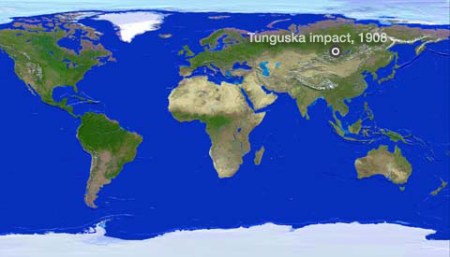
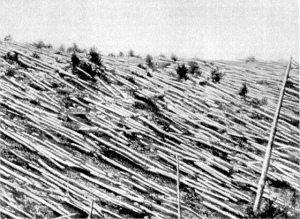
June 30 marks the 104th anniversary of the Tunguska Impact. This event was not well recognized at first. It happened in a remote location; 1908 was a time of political unrest in Russia; and the seismic activity from the event could have come from a number of sources.
The origin, track and outcome of the explosion that took place in the early morning on June 30 are still under debate by scientists.
Some have concluded that it was a near earth asteroid that came really near. A group of Italian scientists proposethat Lake Cheko in western Siberia might be a crater formed when a chunk of debris broke off the cosmic object and created a trench that then became the lake. The most often discussed possibility is that a comet, or piece of a comet, entered earth’s atmosphere and exploded before impact.
According to an eye witness who was questioned by an investigative team,
Suddenly in the north sky… the sky was split in two, and high above the forest the whole northern part of the sky appeared covered with fire… At that moment there was a bang in the sky and a mighty crash… The crash was followed by a noise like stones falling from the sky, or of guns firing. The earth trembled.
Most dramatic are the photographs of trees that were burned and blasted away from the impact, losing their branches and looking list the results of a clear cut on the most massive scale.

Tunguska remains a mystery and a talking point among scientists and lay people to this day,
“If you want to start a conversation with anyone in the asteroid business all you have to say is Tunguska,” says Don Yeomans, manager of the Near-Earth Object Office at NASA’s Jet Propulsion Laboratory. “It is the only entry of a large meteoroid we have in the modern era with first-hand accounts.”
References:
NASA Science News
National Geographic News
Geology at About.com
Posted in Uncategorized | Tagged asteroid, astronomy, geeky science blogging, history, meteorite, nature, near earth object, Russia, science, Siberia, space, Tunguska | 1 Comment »
June 27, 2012
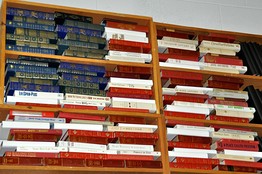
Have not posted for a while because I have been traveling – pleasure and then business – with limited connectivity. I saw this story this morning in the Wall Street Journal, “A House to Look Smart In.” It talks about how some people – 30 to 55 year-olds with money – are hiring people to design their libraries in order to look smart and well-read. There are probably other reasons that are not so cynical. The article also talks about luxury publishers and rare book dealers, as well as collection developers. All of this in opposition to the rise in e-publishing and the heralded demise of ink and paper books.
I particularly liked this quote from the rare book dealer, Donald Heald, “If you want to own a great atlas of London from the 18th century, that when you hold it in your hands you’re transported, there is no app for that.”
I have an e-reader and a Kindle and I still buy books and go to the library and lend and borrow books from my friends. I don’t know what that says about me, except that, as you know, I own over 300 cookbooks. More about them later.
Posted in Uncategorized | Tagged book collecting, books, collection developers, libraries, library, literature, rare books, travel | 3 Comments »
June 12, 2012
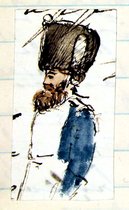
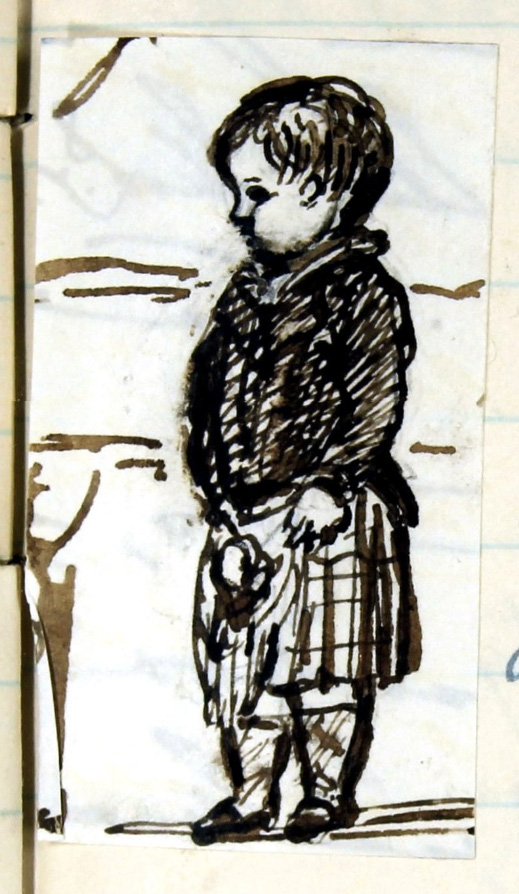
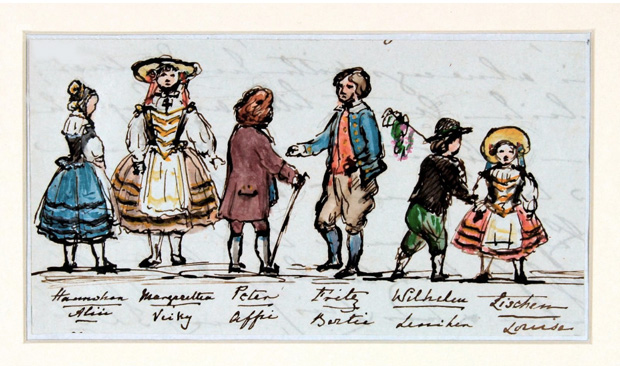
Queen Victoria’s journal – particularly her drawings, which I found charming. This serves as a reminder to me to Draw Something Every Day. Not that my sketchbooks will be preserved like Queen Vickie’s are. Just because.
Here are some samples of HRH’s work:

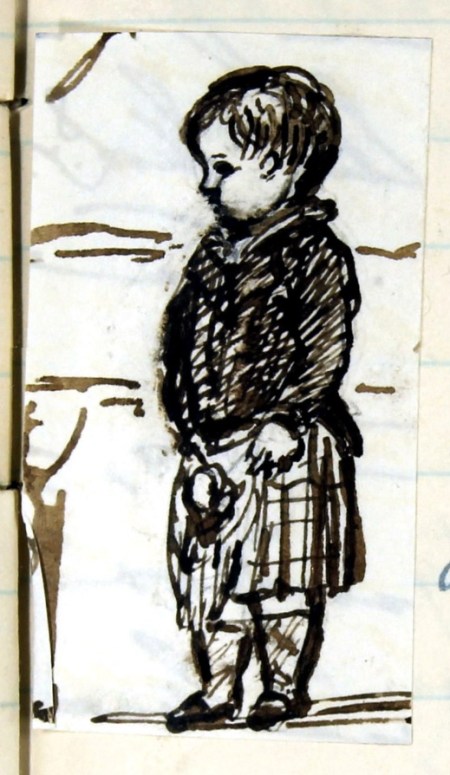

Referred to this site by Brain Pickings (always interesting postings)
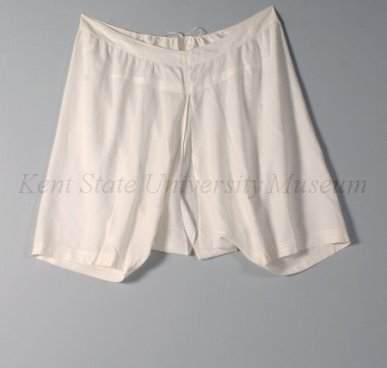
Bonus material on Queen Victoria: I did see her knickers at the Kent State Museum. Think Victoria’s Tent Sale rather than Victoria’s Secret.
Posted in Uncategorized | Tagged art, drawings, history, illustration, Journal, knickers, Queen Victoria, sketchbook, style, watercolors, whimsey | 3 Comments »
June 11, 2012
Pretty much any bookstore, actually. And I am still missing the Library at Alexandria, but don’t get me started on that.
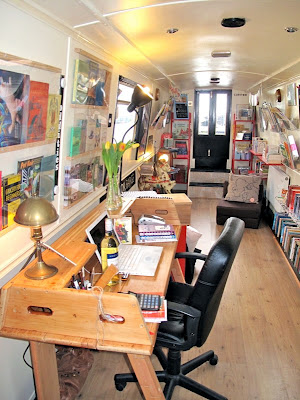
The bookstore which has caught my fancy today is the Book Barge (generally) moored in Staffordshire, UK. I love re-purposed buildings and a re-purposed houseboat – 57′ narrowboat – fills the bill.
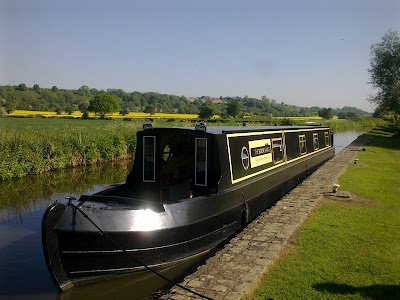
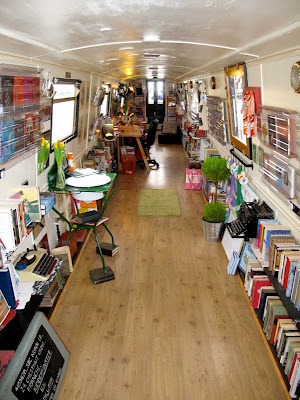

The reference for this post is Bookshelf.
As with any independent bookstore, success is not a given. I wish these folks well and hope they prosper.
Posted in Uncategorized | Tagged barge, books, bookshelf, bookstore, canal, houseboat, re-purposed, Staffordshire, transportation | Leave a Comment »
June 9, 2012

On this day in 1534, Jacques Cartier is purported to be the first European explorer to set eyes on the St. Lawrence River.
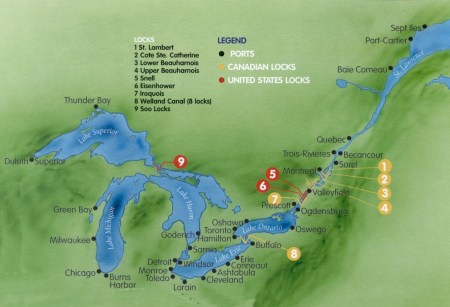
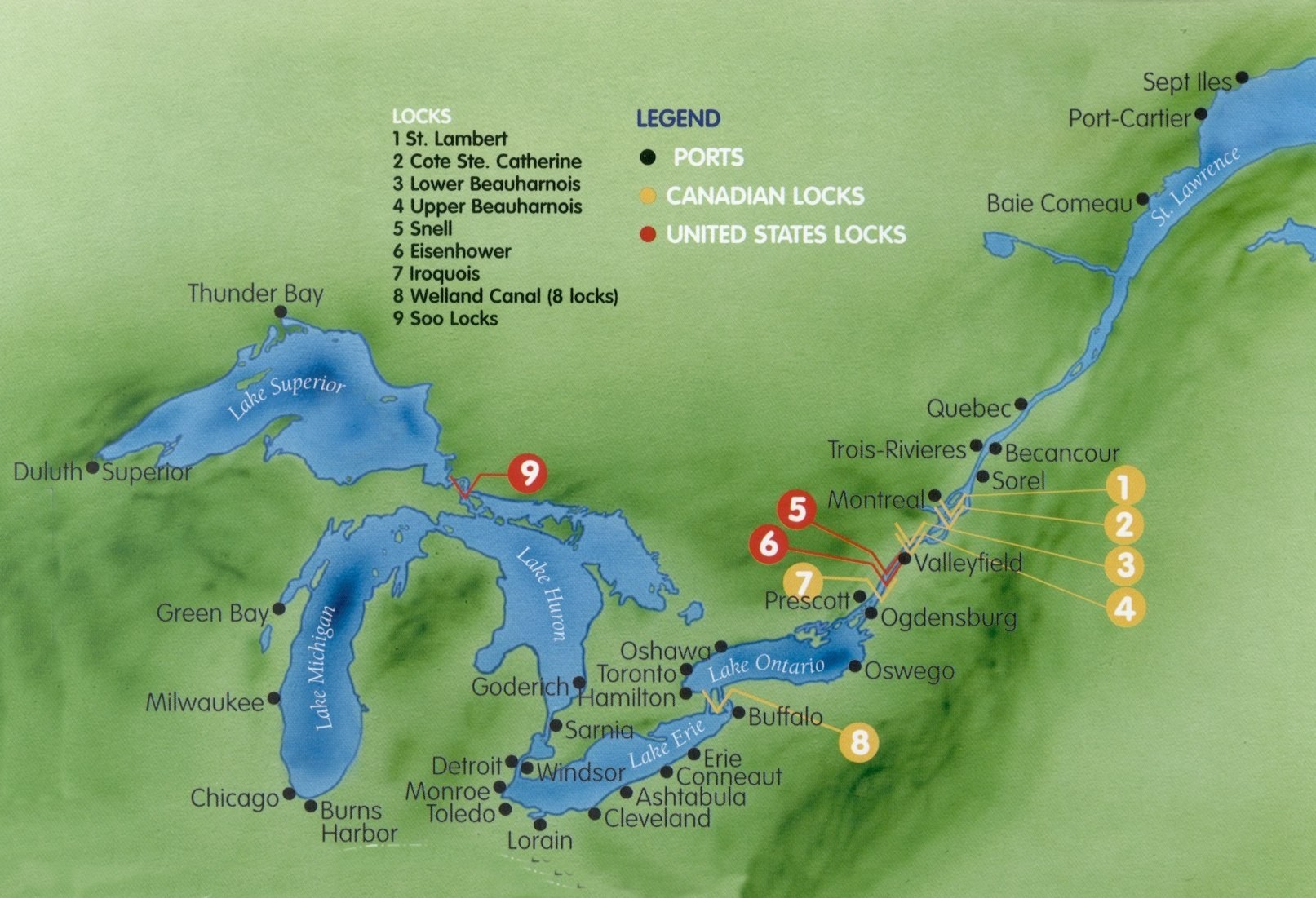
I thought this depiction of the locks and ports along the St. Lawrence Seaway was interesting. I read that before the lock system was built, the St. Lawrence was navigable only as far as the Lachine Rapids near Montreal. The St. Lawrence Seaway system was actually not completed (for use by modern ocean-going vessels) until 1959. So up to this point, people could not leave the Great Lakes! ; )
This text is from History.com:
French navigator Jacques Cartier becomes the first European explorer to discover the St. Lawrence River in present-day Quebec, Canada.
In 1534, Cartier was commissioned by King Francis I of France to explore the northern American lands in search of riches and the rumored Northwest Passage to Asia. That year, Cartier entered the Gulf of St. Lawrence by the Strait of Belle Isle, explored its barren north coast for a distance, and then traveled down the west shore of Newfoundland to Cape Anguille. From there, he discovered Magdalen and Prince Edward islands, explored Chaleur Bay, and claimed Quebec’s Gaspe Peninsula for France. He then discovered the inlet of the St. Lawrence River, sailed north to Anticosti Island, and then returned to Europe.
Previously thought to be a barren and inhospitable region, Cartier’s discoveries of the warm and fertile lands around the Gulf of St. Lawrence inspired Francis I to dispatch him on a second expedition in 1535. On this voyage, he ascended the St. Lawrence to the native village of Hochelaga, site of the modern-day city of Montreal. On his return voyage to France, he explored Cabot Strait along the southern coast of Newfoundland. Cartier led a final expedition to the region in 1541, as part of an unsuccessful colonization effort. His extensive geographical discoveries formed the basis of France’s claims to the rich St. Lawrence Valley in the 17th century.
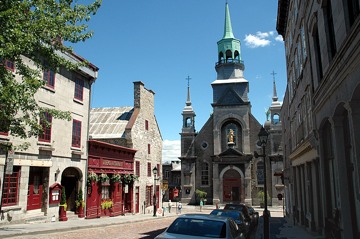
This photo is of Vieux Montreal. It is really quite a sight to see a freighter traversing the canal from the vantage point of Montreal. Like a building moving sideways.
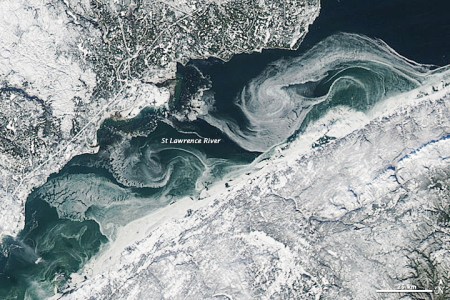
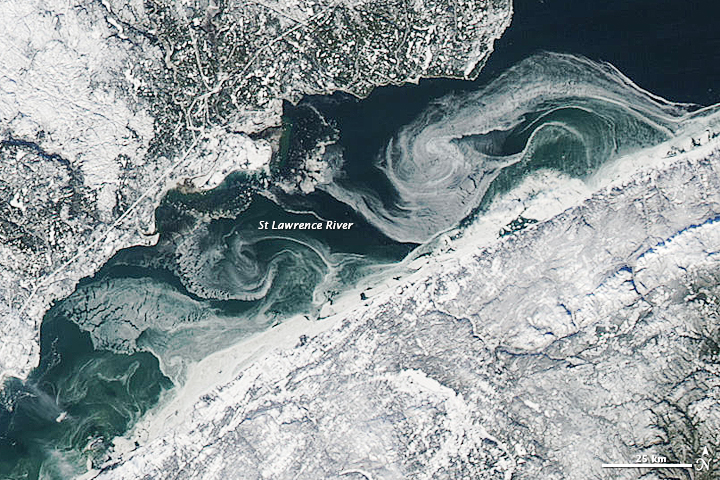
I put in this satellite photo of currents on an ice-covered St. Lawrence because it was so beautiful graphically.
Posted in Uncategorized | Tagged Great Lakes, history, Jacques Cartier, Montreal, St. Lawrence River, St. Lawrence Seaway | 2 Comments »
June 8, 2012
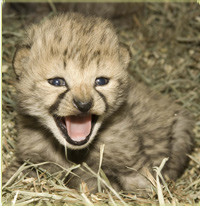
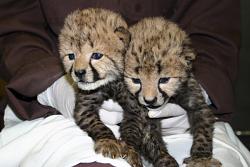
Cheetah cubs at the National Zoo in Washington, D.C.
Three weeks after their unconventional and rocky entrance into the world, two 3-week-old cheetahs were transported May 18 to the Smithsonian’s National Zoo in good health, thanks to the hard work and swift actions of animal care staff at the Smithsonian Conservation Biology Institute in Front Royal, Virginia. They are being hand-raised at the Zoo and will require around-the-clock care until they are ready to make their public debut late this summer.
Read more here.

Posted in Uncategorized | Tagged animals, big cats, cats, cheetah, DC, National Zoo, nature, sappy cat blogging, science, Smithsonian, Washington | 2 Comments »