Posts Tagged ‘nature’

What is tattoo Tuesday about?
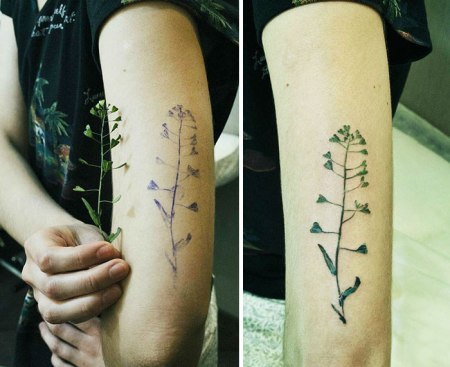
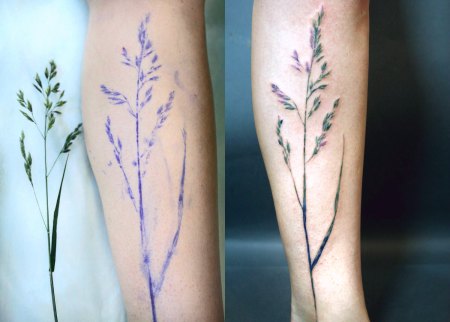
May 10, 2016 Rita Zolotukhina, a Ukrainian tattoo artist, creates realistic botanical tattoos. She takes the desired plant material, adds ink to it, and “prints” it on her client. She then removes the leaf and uses the impression left on the skin as a guide for her tattoo art. Oh, I hope that’s not poison ivy!
What am I photographing?
May 9, 2016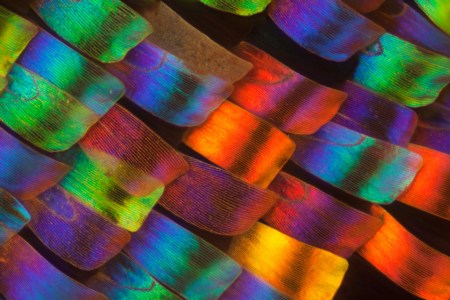
I’m not really taking these photographs – be sure to click on the links in the story.
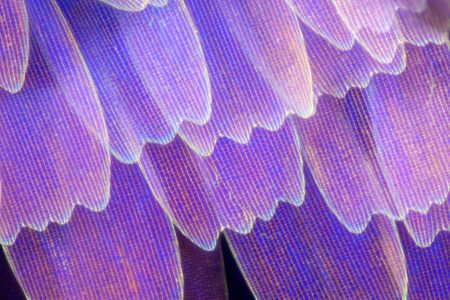
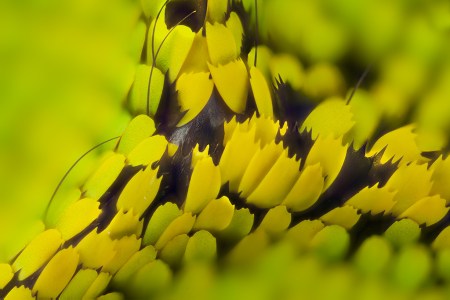
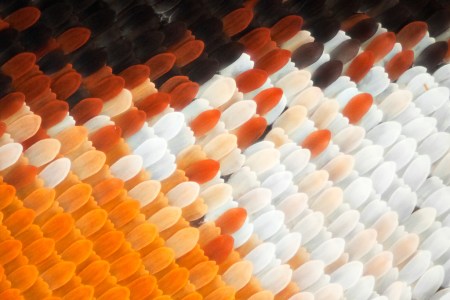
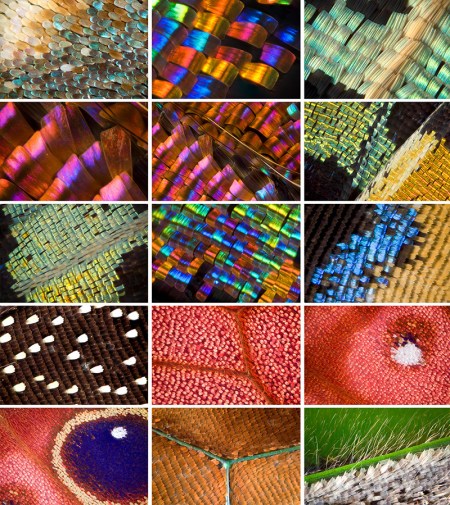
“A biochemist by training, photographer Linden Gledhill is fascinated by the beauty of infinitesimally small aspects of nature and science, from capturing the flight of insects to exploring the beauty of magnetic ferrofluid. Among his most jaw-dropping images are macro photographs of butterfly wings that reveal complex patterns that look like perfectly organized flower petals. These tiny protrusions are actually scales, similar to what you would find on reptile, though extremely small and fragile. Gledhill’s photography recently inspired an episode of Smarter Every Day where Destin Sandlin learns how to shoot similar photos. ”

What am I sappy octopus blogging?
April 29, 2016
“You probably don’t look this adorable when you swim… The deep-sea flapjack octopus, Opisthoteuthis “adorabilis,” is a cirrate octopus—meaning that a pair of hairlike filaments surround each sucker on its eight webbed arms. Incirrate octopuses—like the giant Pacific octopus—do not have these cirri, and are more commonly found in shallower waters.
A flapjack octopus can use its arms as a parachute to pulse about and catch the current, while two earlike fins help it maneuver over the deep sea floor. Find out more about our research on this adorable and mysterious critter!”
What am I celebrating today?
April 25, 2016
April 25 is National DNA Day. So put on your best genes and celebrate!
It commemorates the day in 1953 when James Watson, Francis Crick, Maurice Wilkins, Rosalind Franklin and colleagues published papers in the journal Nature on the structure of DNA. Furthermore, on that day in 2003 it was declared that the Human Genome Project was very close to complete, and “the remaining tiny gaps [we]re considered too costly to fill.” – Wikipedia
People do lots of interesting things with the double helix concept . . .
 Genome walk in Alabama
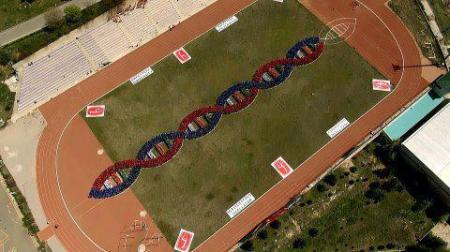
World’s largest DNA depiction made up of humans
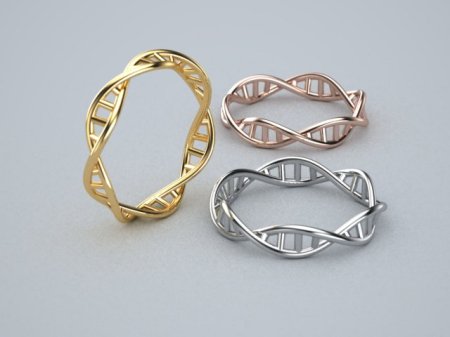
Cool jewelry
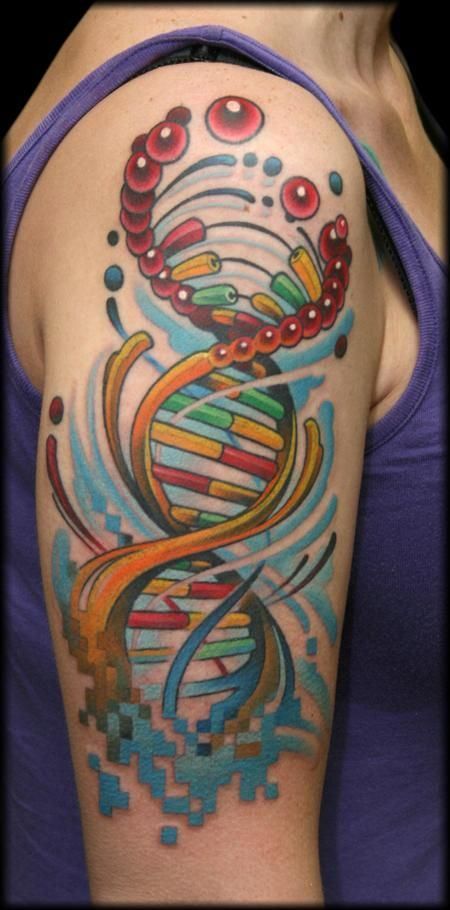 Tattoos, of course
What am sappy bearcat blogging?
April 22, 2016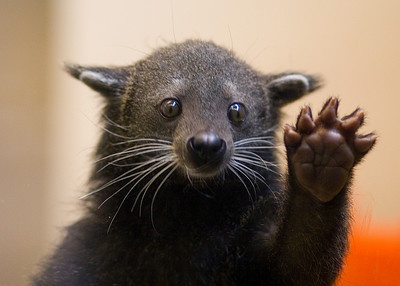
Arctictis binturong
Smells like buttered popcorn
“When nature employs smell, they’re either really nice or really bad, and it happens for a good reason: to lure things or to repel them away. But for bearcats, it’s quite a peculiar case, as their smell is rather… intriguing.
A joint team from several universities gave 33 bearcats routine physical examinations at the Carolina Tiger Rescue, a wildlife sanctuary in North Carolina. They took samples from the animals, including urine samples. The urine was analyzed with gas chromatography-mass spectrometry, an instrumental technique through which complex mixtures of chemicals may be separated, identified and quantified.
They distinguished 29 compounds, and one of these compounds was 2-acetyl-1-pyrroline (2-AP) – the very same chemical that gives buttered popcorn its unique smell. Just to make it clear, it’s not something that smells the same as buttered popcorn – it’s the same thing as buttered popcorn!
Researchers are not really sure how this happens without the very hot temperatures, but they have a hunch it could be caused by the bacteria the mammals have on their fur. As to why they’re doing this… it’s anyone’s guess.
Bearcats are mammals native to South and Southeast Asia. They spend most of their time in the foothills and hills with good tree cover. So if you find yourself in that area and feel a sudden smell of buttered popcorn… you’re probably surrounded by urine. I love nature.”
Story from ZME Science by Mihai Andrei
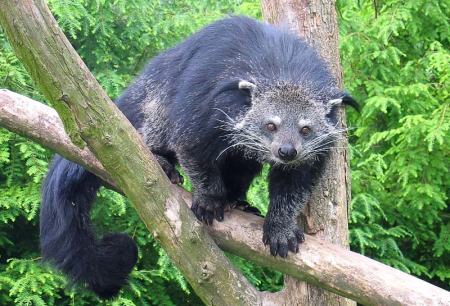
Photo by TassiloRau
What am I sappy cat blogging?
April 1, 2016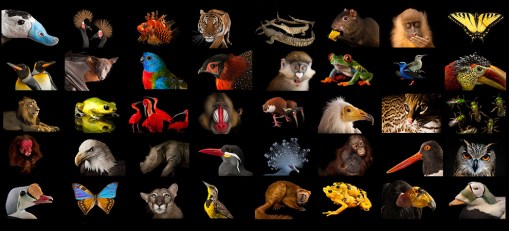
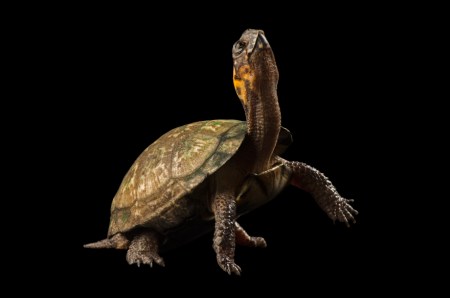
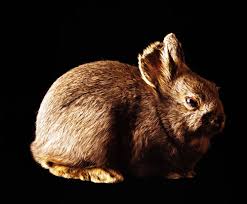
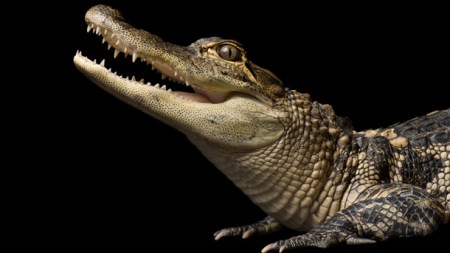
Recently, I saw an exhibit called “Rare” at our Museum of Natural History. The exhibit featured photographer Joel Sartore’s work documenting endangered animals across the globe. His beautiful and sensitive photographs are now in a new project called “Photo Ark.”
Here is a link to a video showing how the work is accomplished.
“Photo Ark is a multiyear National Geographic project with a simple goal— to create portraits of the world’s species before they disappear and to inspire people to care. Each image is a visual connection between the animals and people who can help protect them.
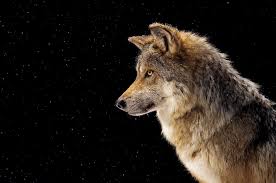
With ingenuity and wit, National Geographic photographer Joel Sartore has captured portraits of more than 5,000 creatures to date, with more to come. Many of the animals live in the world’s zoos and aquariums, institutions dedicated to preserving and caring for species of all kinds. This exhibition features many
iconic images and allows visitors to follow Sartore around the world on this exciting and important project.”


How does my garden grow?
March 24, 2016
This lovely video showing coral has been extremely time-compressed, so that movement that took place over hours is seen in just seconds. I do know that coral are animals, so this is not really a garden!
What am I sappy critter blogging?
March 4, 2016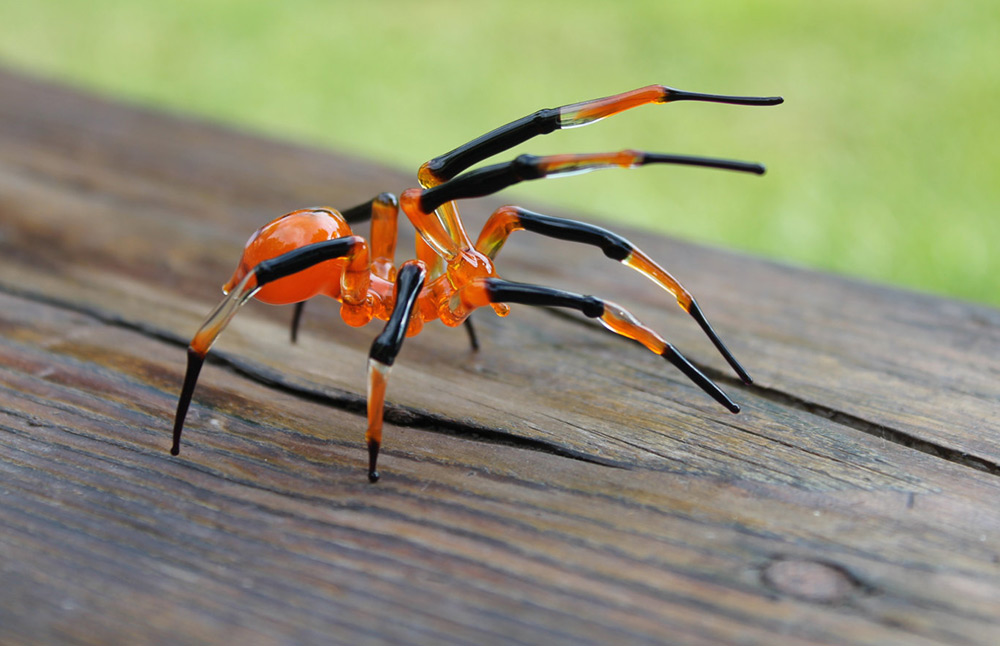
Ukrainian glass artist Nikita Drachuk of Glass Symphony creates all manner of glass spiders, octopi, and other critters by hand. He uses a method called lampworking, where a lamp or torch is used to melt rods of colored glass. Once in a molten state, the glass can be formed by blowing and shaping with various tools and small movements. You can see more of their delicate glass critters here.
 I want him

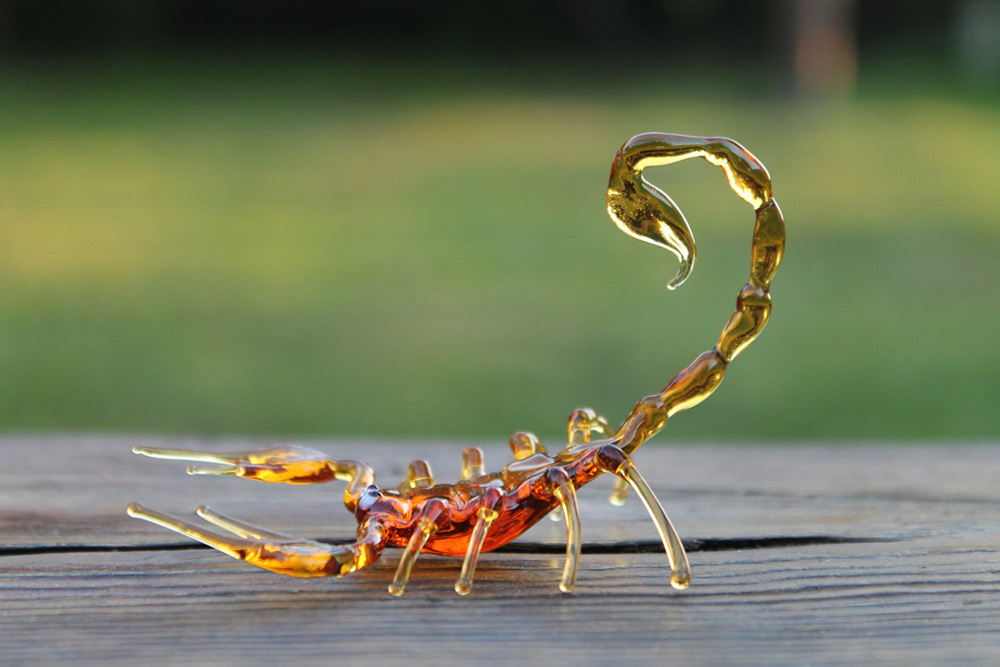

I do lamp work. This is hard. And they break.










 Gunsmoke and Knitting