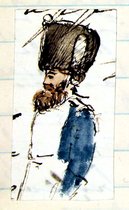
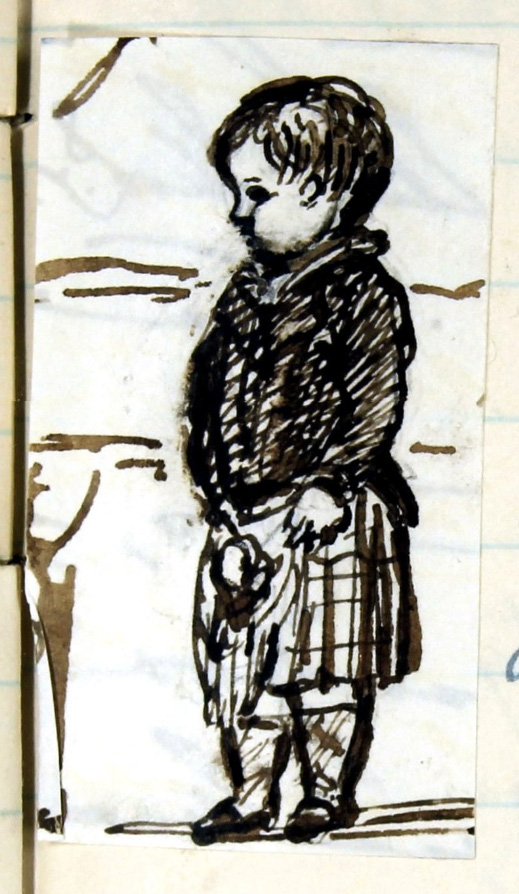
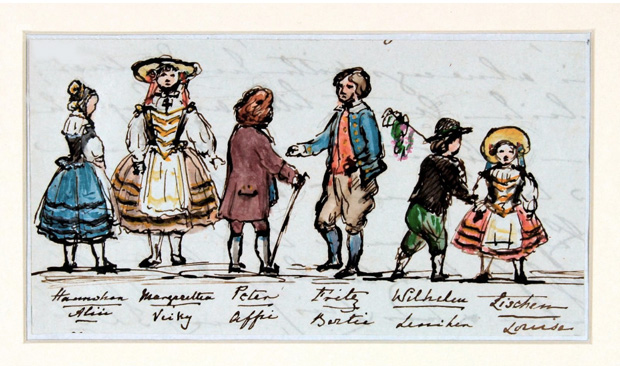
Queen Victoria’s journal – particularly her drawings, which I found charming. This serves as a reminder to me to Draw Something Every Day. Not that my sketchbooks will be preserved like Queen Vickie’s are. Just because.
On this day in 1534, Jacques Cartier is purported to be the first European explorer to set eyes on the St. Lawrence River.
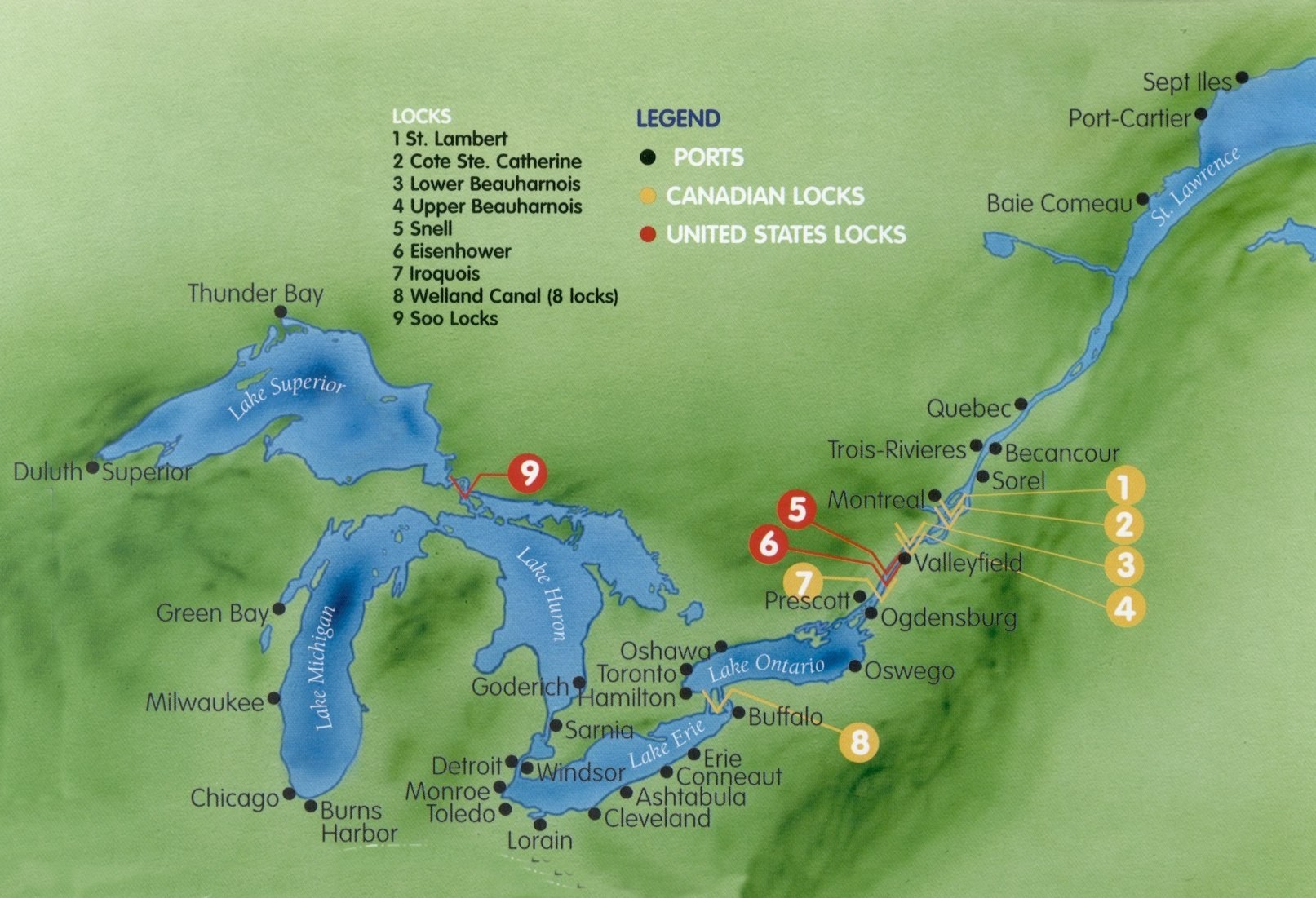
I thought this depiction of the locks and ports along the St. Lawrence Seaway was interesting. I read that before the lock system was built, the St. Lawrence was navigable only as far as the Lachine Rapids near Montreal. The St. Lawrence Seaway system was actually not completed (for use by modern ocean-going vessels) until 1959. So up to this point, people could not leave the Great Lakes! ; )
This text is from History.com:
French navigator Jacques Cartier becomes the first European explorer to discover the St. Lawrence River in present-day Quebec, Canada.
In 1534, Cartier was commissioned by King Francis I of France to explore the northern American lands in search of riches and the rumored Northwest Passage to Asia. That year, Cartier entered the Gulf of St. Lawrence by the Strait of Belle Isle, explored its barren north coast for a distance, and then traveled down the west shore of Newfoundland to Cape Anguille. From there, he discovered Magdalen and Prince Edward islands, explored Chaleur Bay, and claimed Quebec’s Gaspe Peninsula for France. He then discovered the inlet of the St. Lawrence River, sailed north to Anticosti Island, and then returned to Europe.
Previously thought to be a barren and inhospitable region, Cartier’s discoveries of the warm and fertile lands around the Gulf of St. Lawrence inspired Francis I to dispatch him on a second expedition in 1535. On this voyage, he ascended the St. Lawrence to the native village of Hochelaga, site of the modern-day city of Montreal. On his return voyage to France, he explored Cabot Strait along the southern coast of Newfoundland. Cartier led a final expedition to the region in 1541, as part of an unsuccessful colonization effort. His extensive geographical discoveries formed the basis of France’s claims to the rich St. Lawrence Valley in the 17th century.
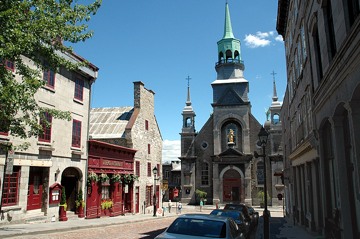
This photo is of Vieux Montreal. It is really quite a sight to see a freighter traversing the canal from the vantage point of Montreal. Like a building moving sideways.
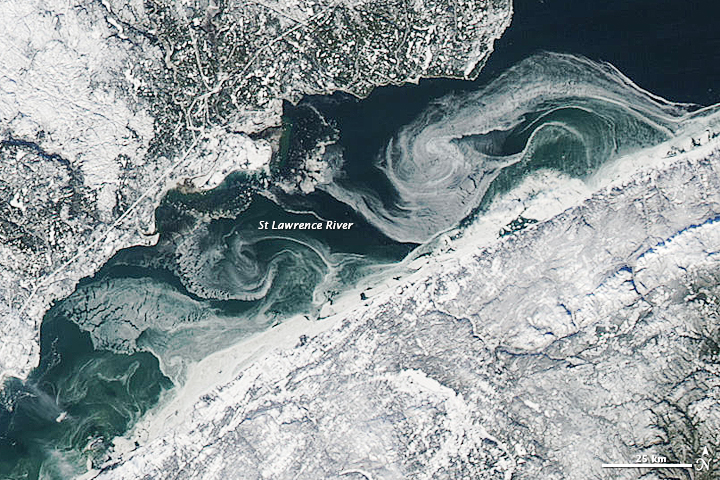
I put in this satellite photo of currents on an ice-covered St. Lawrence because it was so beautiful graphically.
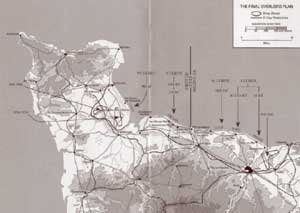
Today marks the 68th anniversary of D-Day – the landing of Allied troops on the Normandy coast.
June 6, 1944, 160,000 Allied troops landed along a 50-mile stretch of heavily-fortified French coastline to fight Nazi Germany on the beaches of Normandy, France. General Dwight D. Eisenhower called the operation a crusade in which “we will accept nothing less than full victory.” More than 5,000 Ships and 13,000 aircraft supported the D-Day invasion, and by day’s end on June 6, the Allies gained a foot- hold in Normandy. The D-Day cost was high -more than 9,000 Allied Soldiers were killed or wounded — but more than 100,000 Soldiers began the march across Europe to defeat Hitler.
The Man of Numbers by Keith Devlin. This is the story of Leonardo of Pisa, now known as Fibonacci, who essentially invented modern arithmetic. He took number out of the context of merely keeping track of things and set the stage for fields such as technology, design, and commerce to develop and prosper
“The change in society brought about by the teaching of modern arithmetic was so pervasive and all-powerful that within a few generations people simply took it for granted. There was no longer any recognition of the magnitude of the revolution that took the subject from an obscure object of scholarly interest to an everyday mental tool. Compared with Copernicus’s conclusions about the position of Earth in the solar system and Galileo’s discovery of the pendulum as a basis for telling time, Leonardo’s showing people how to multiply 193 by 27 simply lacks drama.“
Remember the Powers of Ten video? This is a similar concept, but explores the Fibonacci Sequence in nature:
I found this on Brain Pickings as I noodling around following links for the upcoming transit of Venus on June 5-6.
May 26, 1912 is the birthday of Jay Silverheels, most widely known for his role as Tonto, the Lone Ranger’s faithful Indian companion. Born Harry J. Smith in Brantford, Ontario, Silverheels has over 100 films to his credit.
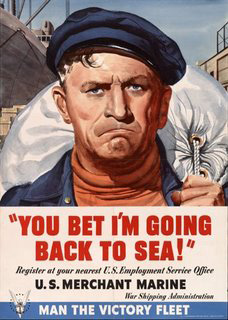
National Maritime Day is annually observed in the United States on May 22. It is a time to observe its maritime heritage, to honor those who served as merchant mariners, and to recognize the benefits of the maritime industry.
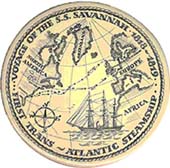
May 22 is the anniversary of the first transatlantic crossing under steam power by the Savannah in 1819. National Maritime Day was created as a day of observance by Congress in 1933. The contributions made by the US merchant marine ships and men are important throughout our history, but became particularly crucial during World War II, bringing supplies to our allies and playing an important role in bringing troops home. Here is a short history of this day of observance.
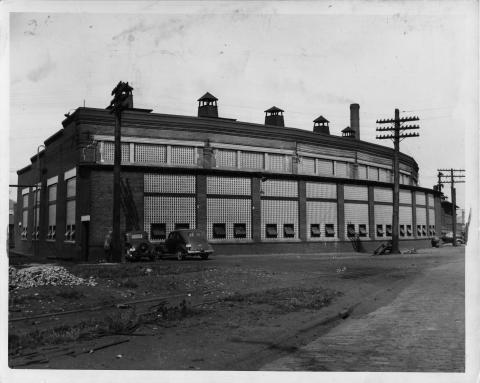
The Midwest Railway Preservation Society occasionally sponsors an open house of its historic roundhouse that is being developed into a museum largely through volunteer efforts. The roundhouse is located in Cleveland’s industrial “flats” area, adjacent to the working CXR tracks. The Flats was called that because it is on the flat flood plain of the Cuyahoga River. The land was developed for industry because of it proximity to the river for easy access for shipping.
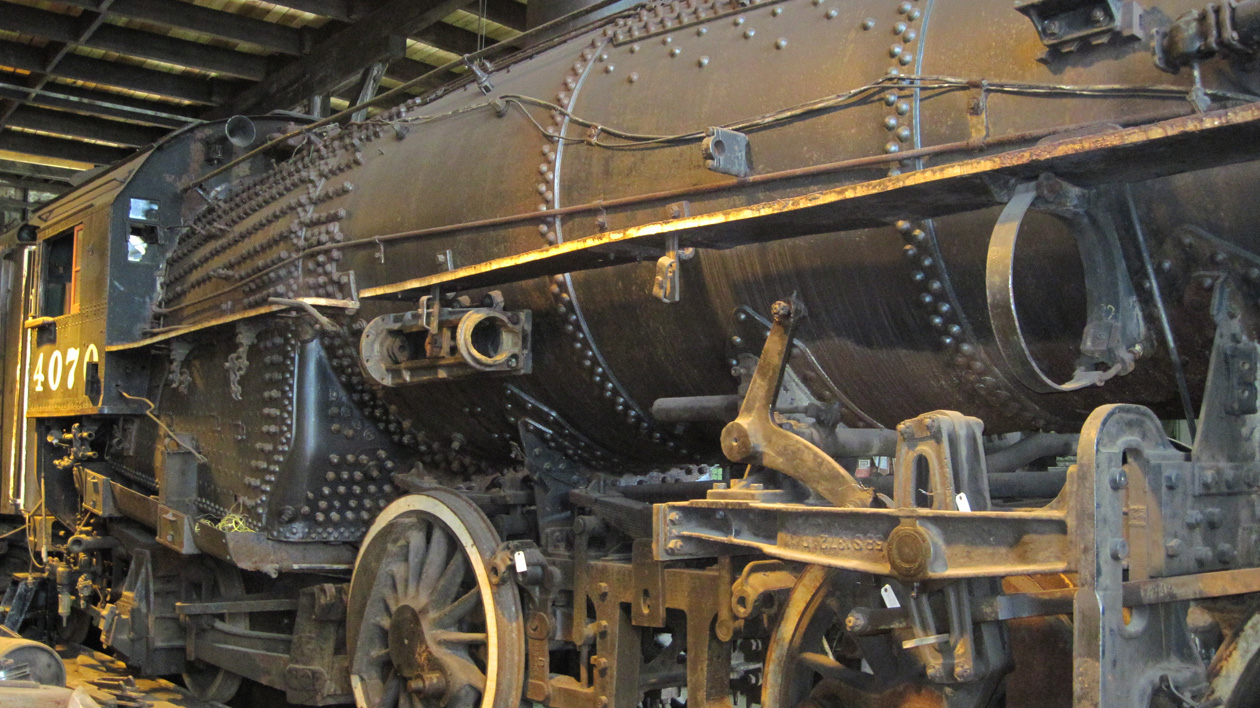
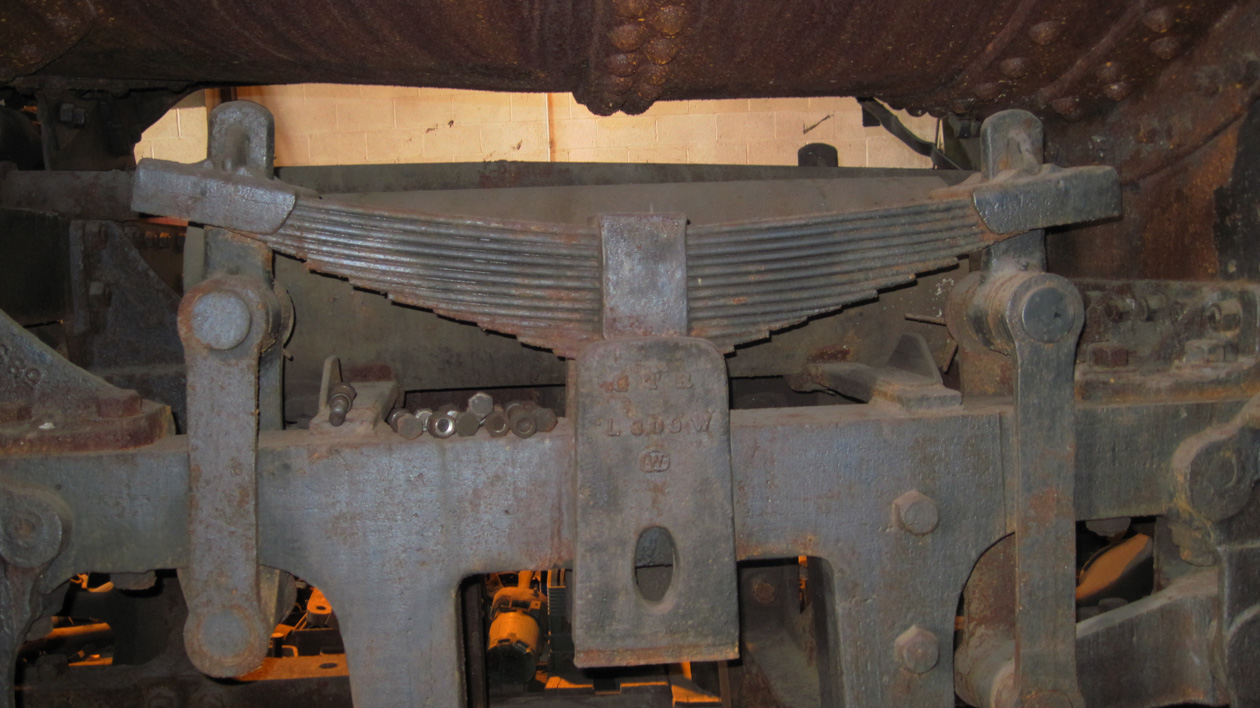
Last weekend was on of those open house events. The showpiece of the organization is Engine #4070 – a 1918 Mikado 2-8-2 steam engine that is being restored. The organization also owns several other pieces of vintage rolling stock, but this engine is a knock-out.
The Declaration of Breda, signed on April 4,1660, paved the way for Charles II to return to the throne of England. The document was sufficiently ambiguous that it allowed former allies of Cromwell to support the return of the monarchy – a stunning political document.
Charles II
Breda is not only city in the Netherlands, for those of you who know Breda, she is also stunning.






















 Gunsmoke and Knitting