I am headed for Ann Arbor, MI. If I’m are lucky, I may spy some of David Zinn’s sidewalk chalk art.
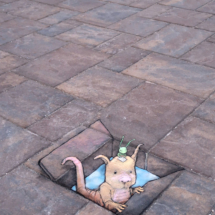
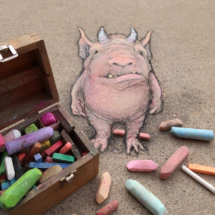
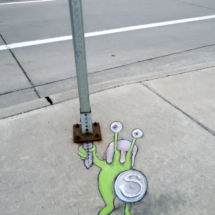
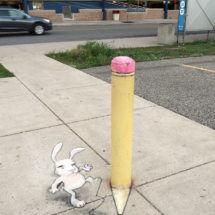

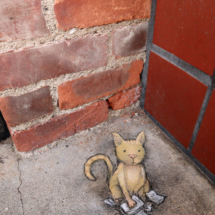

I am headed for Ann Arbor, MI. If I’m are lucky, I may spy some of David Zinn’s sidewalk chalk art.
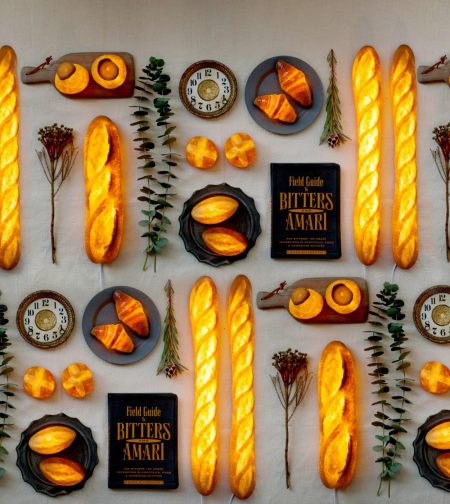
Japanese artist Yukiko Morita always loved bread. Not only was it delicious but there was something about that special combination of flour and yeast that produced wonderful flavors, beautiful tones, and adorable shapes that make people feel warm inside. This profound passion for pan (Japanese for bread and was borrowed from Portuguese) eventually led Morita down a unique path that combined lighting design and baking.
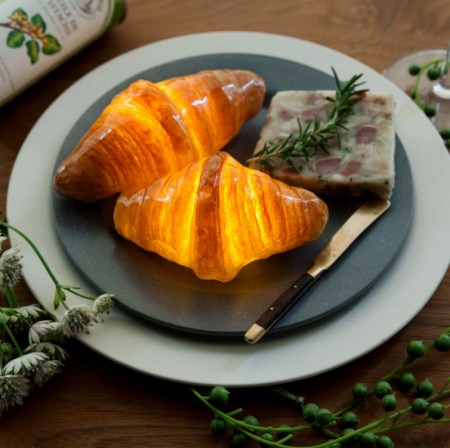
We originally discovered the artist at Tokyo Design Week back in 2014. Since then, Morita has made significant progress in making her one-of-a-kind lamps more accessible. She set up an online shop where she sells battery and wall-socket lamps. She’s developed some wonderful packaging design for them, and she even ships overseas. She also appeared at the trade show Maison & Objet in Paris over the weekend.
You can read more about Morita and her pan passion project here but yes, each lamp is made from actual bread and is preserved in a coating of resin.
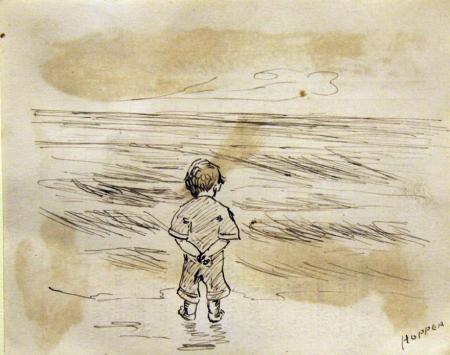
Edward Hopper, age 9
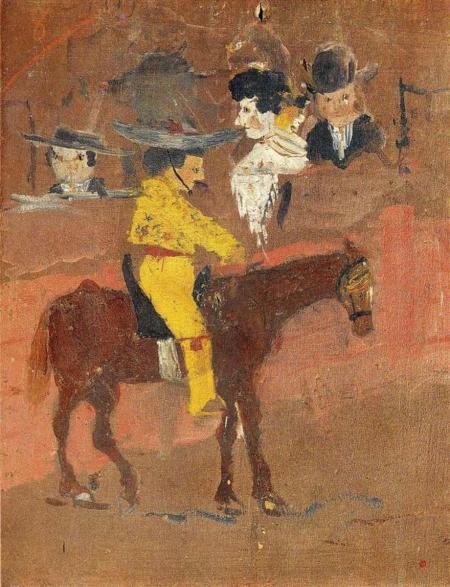
Pablo Picasso, age 8

Georgia O’Keefe, age 14
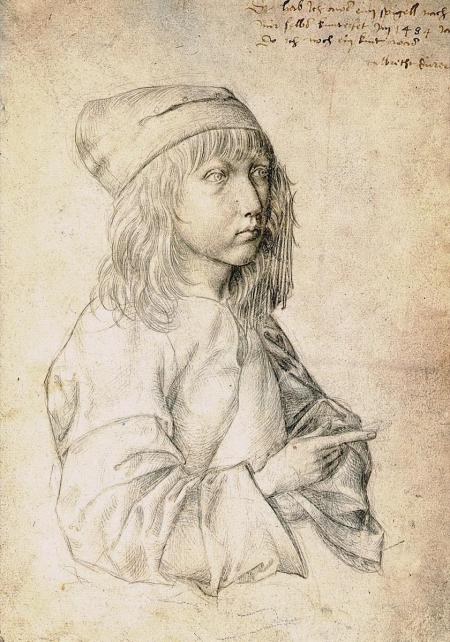
Albrecht Durer, age 13 (self-portrait)

Michelangelo, age 12 or 13
Some artists are late bloomers, but with others talent is obvious from an early age. An article by Abigail Cain on Artsy looks at the early works of famous artists and shares her discoveries here.
My favorite is that Hopper sketch of a little boy, drawn on the back of his third grade report card.
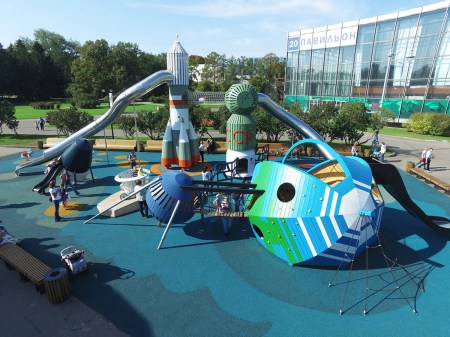
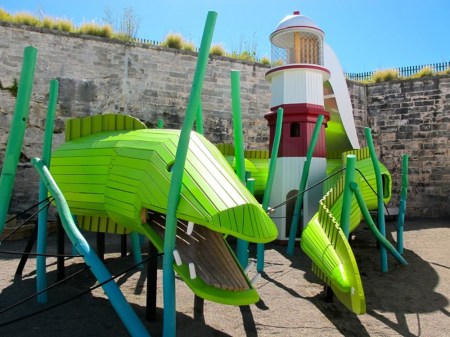
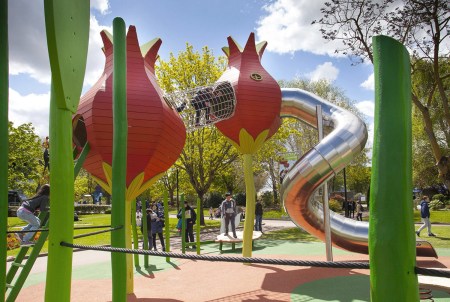
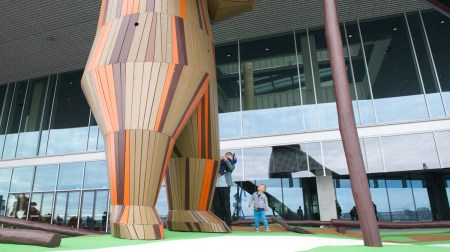
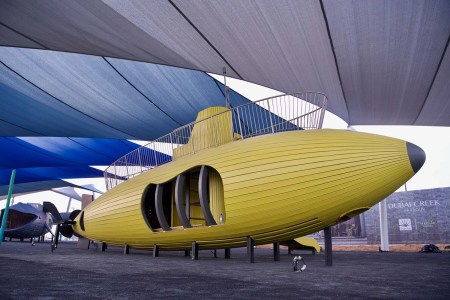
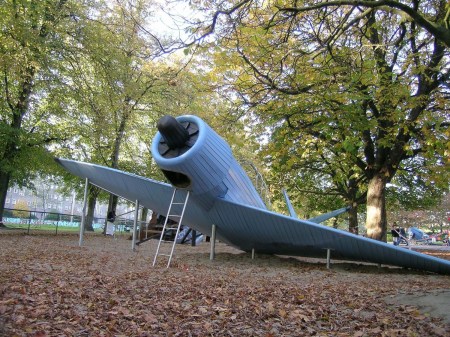
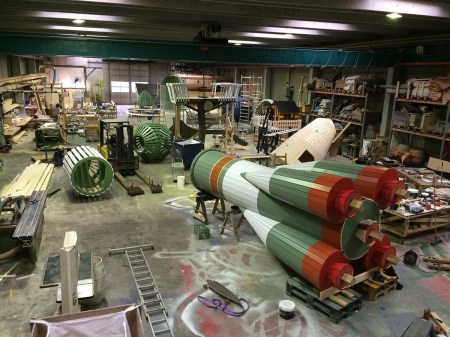
For the last several years, Danish design firm MONSTRUM has constructed wildly imaginative playscape features for playgrounds around the world with an intense focus on both artistic and architectural quality. The playgrounds are designed and built locally in their large studio just outside Copenhagen and then shipped in components to sites around Denmark, Sweden, Russia, and even Dubai. The design studio has a strong background in theatrical set design which lends itself to their thematic playscapes, one of our recent favorites being the “Justin Beiver” playround in Partille, Sweden. Collected here is a sampling of designs from the last few years, but you can see more on their website.




“The film is a trial to explore the idea that everything around us and inside us is made from simple elements or blocks which can be arranged in complex relationships and become compound structures,” says Zhestkov. “We could project this idea into emotions, behaviors, thought processes, relationships, life, planets and the universe.”

Grab your crayons, pens, markers, inks or colored pencils and have a good time.
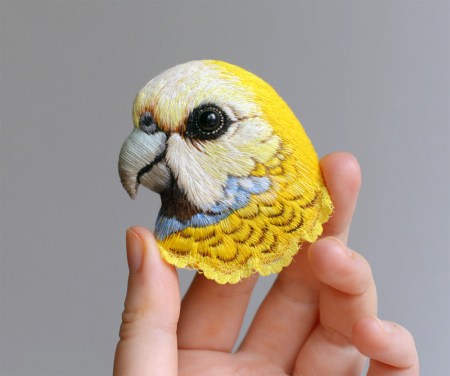
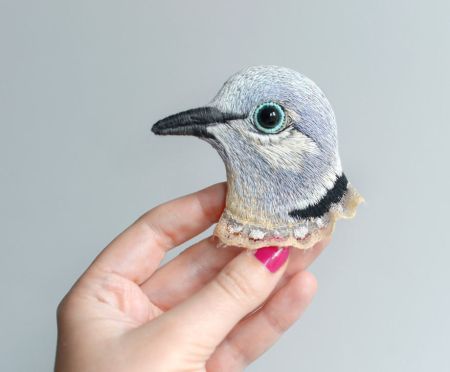
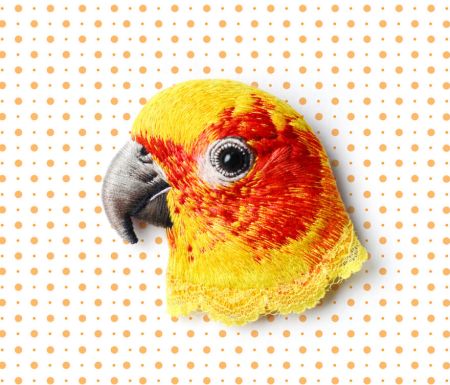
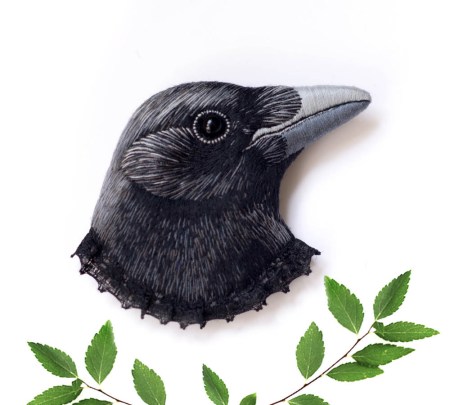
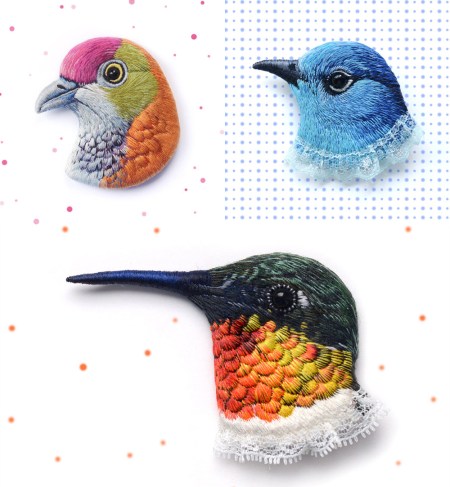
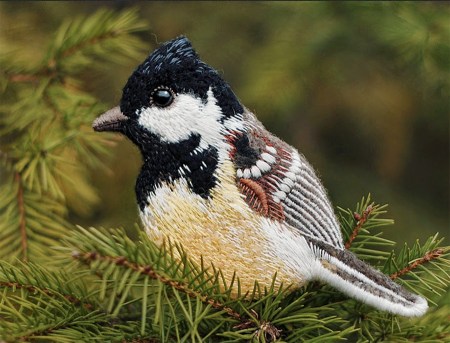
“Warsaw-based embroidery artist Paulina Bartnik stitches colorfully lifelike brooches of birds and other tiny creatures in a dense style called needle painting. Each object begins as a piece of wool which she prods with a special needle in a process called dry felting which results in a surface ideal for embroidery. She then paints with a needle directly on the felt and embroiders the finer details. You can see more of her creations in her Etsy shop.”
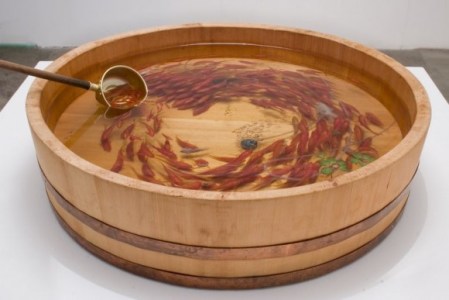
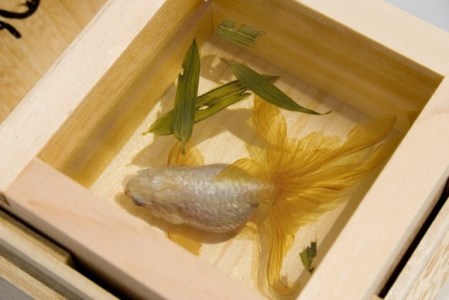
“The goldfish holds a very special place in the heart of any child who’s ever been to a matsuri (street festival) in Japan. Kingyo-sukui is the game of “goldfish scooping” and is a staple of any summer street festival, along with the masks, water balloon yo-yos, fireworks and yummy food.
But for artist Riusuke Fukahori, the goldfish was not just a relic of long-lost childhood. As he painfully lay in his room one night, struggling and suffering, about to give up on his art, he looked over and saw a goldfish. His neglected fish of 7 years sputtered about in a cesspool of mold and feces – a common fate endured by most festival souvenirs.
Fukahori felt a shiver run down his spine. What he suddenly saw was a beautiful animal, glowing in bright red, living and surviving. The artist pulled out his paint and set to work, immediately triggering some sort of chemical reaction in his brain. Fukahori had looked far and wide – in Europe, the U.S. and Japan – for his muse. But in an instantaneous form of enlightenment he knew that all along it was right there in his room, inside that dirty fish tank. The goldfish, writes Fukahori, was my salvation.
And did you know, with a little help from the grammar gods, Kingyo-sukui (金魚すくい), the festivities of goldfish scooping, can also be read 金魚救い- goldfish salvation.”
Ref: Spoon and Tamago
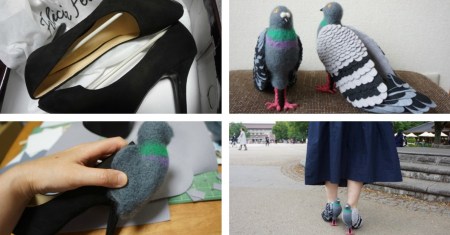
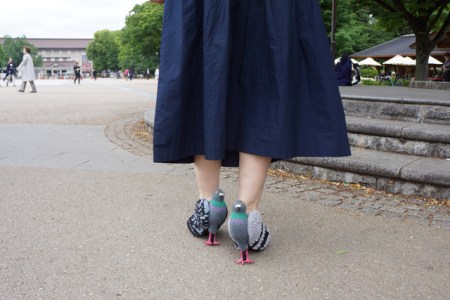 Japanese artist, Keiko Otsuhata, designed these high heels to look like pigeons. She then wore them to the park to see if she could attract the genuine article with her artifice. I don’t think she was particularly successful, but I give her credit for an amusing and original idea.
Firearms, fibers, any news or behaviors that make me say, "hmm, let me take another look at this."
I still miss my man, but my aim is getting better.









 Gunsmoke and Knitting