There are plenty of videos on how to make cute little latte critters @ You Tube.

There are plenty of videos on how to make cute little latte critters @ You Tube.
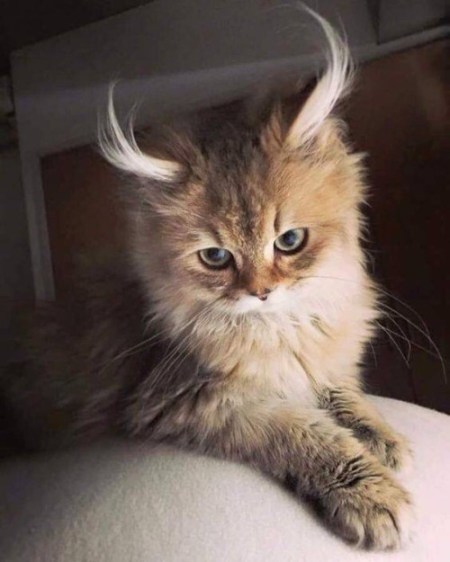
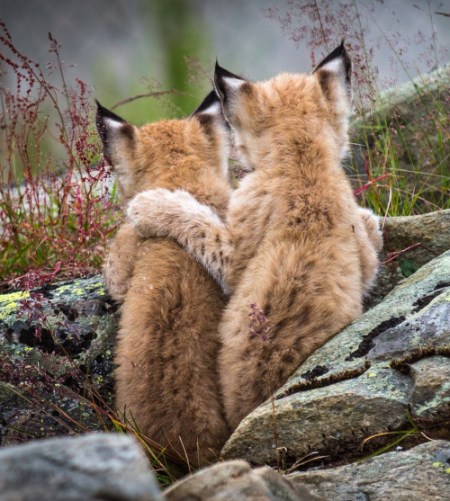
Cmdr. Vimes has lynx tips – but these are in another category altogether.
 While traveling through the Amazon to study reptile and amphibian diversity with the Herpetology Division at the University of Michigan, photographer Mark Cowan happened upon a strange sight: a caiman whose head was nearly covered in butterflies. The phenomenon itself isn’t particularly unusual, salt is critical to the survival of many creatures like butterflies and bees who sometimes drink tears from reptiles in regions where the mineral is scarce (we’ve seen the same thing happen with turtles). What made this sight so unusual was seeing the butterflies organize themselves into three different species groups atop the caiman’s head.
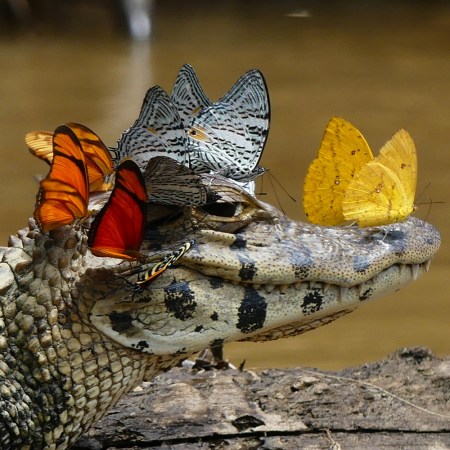
Uh, also, that side eye!
The story is by Christopher Jobson at Colossal and the photographs are by Mark Cowan .
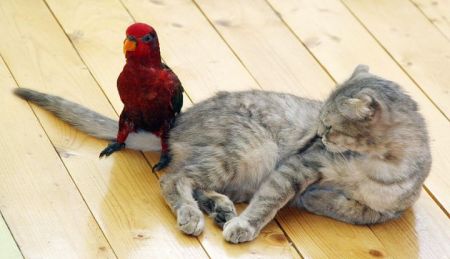
This is not quite the owl and the pussycat. Here is the original by Edward Lear.
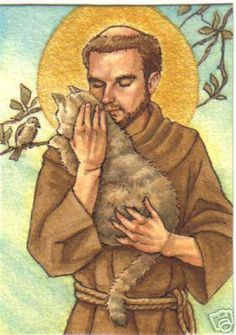
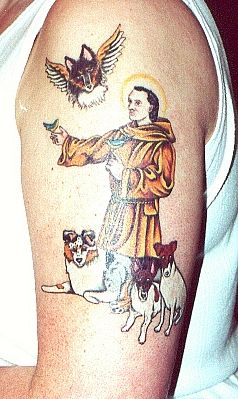
Today is the feast day of St. Francis of Assisi. Born in 1226, St. Francis is the patron saint of Italy, of animals, and the natural environment. He is also the founder of the Franciscan order of friars. Although he followed an ascetic life style, it is rumored that he had a fondness for honey cake. Here is a recipe (which is also appropriate for Rosh Hashana):
Ingredients
3 1/2 cups all-purpose flour
1 tablespoon baking powder
1 teaspoon baking soda
1/2 teaspoon salt
4 teaspoons ground cinnamon
1/2 teaspoon ground cloves
1/2 teaspoon ground allspice
1 cup vegetable oil
1 cup honey
1 1/2 cups granulated sugar
1/2 cup brown sugar
3 eggs
1 teaspoon vanilla extract
1 cup warm coffee or strong tea
1/2 cup fresh orange juice
1/4 cup rye or whisky (or orange juice)
1/2 cup slivered or sliced almonds (optional)
Preparation
This cake best baked in a 9-inch angel food cake pan, but you can also make it in a 10-inch tube or bundt cake pan, a 9 by 13-inch sheetpan, or three 8 by 4 1/2-inch loaf pans.
Preheat the oven to 350°F. Lightly grease the pan(s). For tube and angel food pans, line the bottom with lightly greased parchment paper. For gift honey cakes, I use “cake collars” (available from Sweet Celebrations) designed to fit a specific loaf pan. These give the cakes an appealing, professional look.
In a large bowl, whisk together the flour, baking powder, baking soda, salt, and spices. Make a well in the center and add the oil, honey, sugars, eggs, vanilla, coffee, orange juice, and rye or whisky.
Using a strong wire whisk or an electric mixer on slow speed, combine the ingredients well to make a thick batter, making sure that no ingredients are stuck to the bottom of the bowl.
Spoon the batter into the prepared pan(s) and sprinkle the top of the cake(s) evenly with the almonds. Place the cake pan(s) on 2 baking sheets stacked together and bake until the cake springs back when you touch it gently in the center. For angel and tube cake pans, bake for 60 to 70 minutes; loaf cakes, 45 to 55 minutes. For sheet-style cakes, the baking time is 40 to 45 minutes. This is a liquidy batter and, depending on your oven, it may need extra time. Cake should spring back when gently pressed.
Let the cake stand for 15 minutes before removing it from the pan. Then invert it onto a wire rack to cool completely.
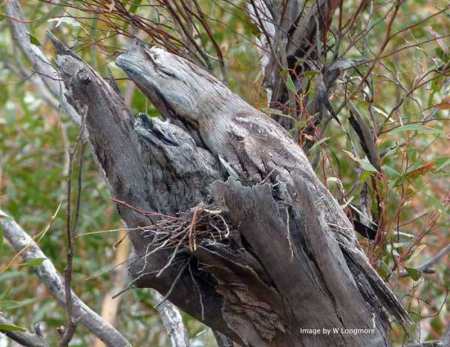
Can you see a bird? Can you see all of them?
Here is what they (tawny frogmouths) look like when they are awake. They live in Australia, naturally.
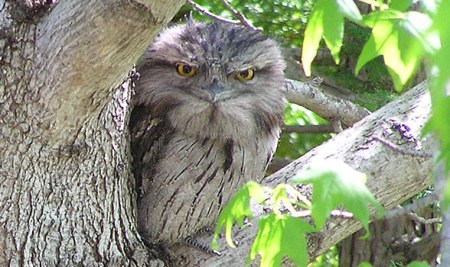
They look a bit like owls, but are actually in the nightjar family – think nighthawk, or whip-poor-will, or possibly Oscar the Grouch.
Firearms, fibers, any news or behaviors that make me say, "hmm, let me take another look at this."
I still miss my man, but my aim is getting better.










 Gunsmoke and Knitting