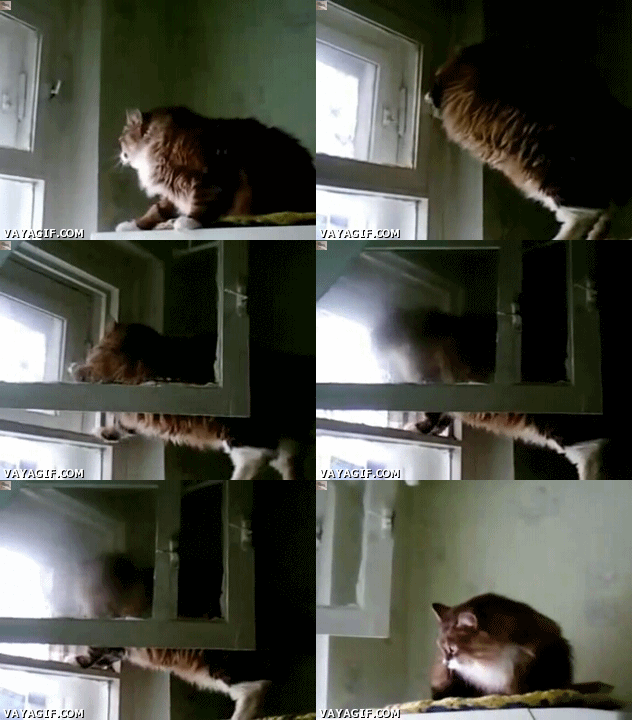
Someday soon at my house.


credit: SciSource
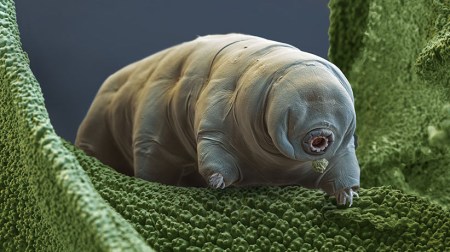
When I was studying biology, we knew them as water bears, however . . “the tiny tardigrade has been named the world’s most indestructible species after scientists discovered it is the only creature that will survive until the Sun dies.
Tardigrades, which are also known as space bears or moss piglets, are able to survive for up to 30 years without food or water and endure temperature extremes of up to 150 degrees celsius, the deep sea and the frozen vacuum of space.
credit: SciSource
Researchers from Oxford and Harvard University, found that their astonishing abilities would protect them from calamities which would wipe out all life on Earth. In fact the only forces capable of harming tardigrades, such as a gigantic asteroid, an exploding star or a deadly gammar ray burst will not happen before our own Sun dies.
Not only does it suggest that tardigrades will survive long after humans have died out, but it gives hope that life could exist on even the most barren and hostile planets.
“Life on this planet can continue long after humans are gone,” said Dr Rafael Alves Batista, of the Department of Physics at Oxford University.
“Tardigrades are as close to indestructible as it gets on Earth, but it is possible that there are other resilient species examples elsewhere in the universe.
“In this context there is a real case for looking for life on Mars and in other areas of the solar system in general. If Tardigrades are earth’s most resilient species, who knows what else is out there.”

Putting on the dog – a canine who knows the secret menu at In-N-Out.
Bright yellow flowers
Sunny exclamations bloom
Lights extinguished . . . deer.
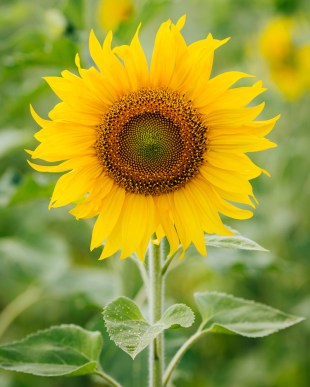
These were my sunflowers
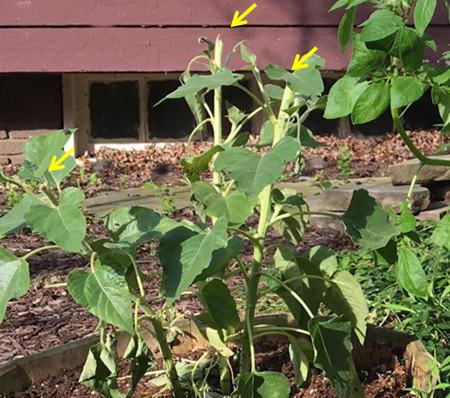
These are my sunflowers

“Priest Solodkov, the ship’s doctor and the ship’s cat on the deck of Kagul, Bizerta, 1921. Kagul (renamed Ochakov, later General Kornilov) was built by Sevastopol dockyard. Laid down 1900, launched October 1902, completed 1905, seized by the White forces in the Russian Civil War and interned in Bizerta in 1920 as part of Wrangel’s fleet, sold for scrap in 1933.
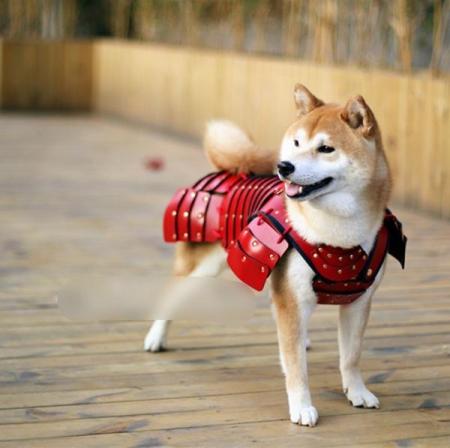
A suited-up Shiba Inu in custom-made armor | all photos courtesy of SAMURAI AGE
While it’s been over 150 years since the heyday of the samurai class, the fascination with them lives on. The talented craftsmen at SAMURAI AGE are doing their part to honor samurai tradition with handmade, high-quality samurai armor for you and your pets.
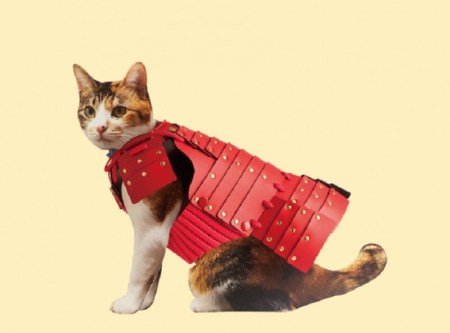
The handmade armor is made with polystyrene, polyurethane, metal fastenings, fusahimo cord, and metal snaps.
One of the selling points of this Fukuoka-based brand’s armor is how lightweight it is. Unlike traditional samurai armor, which could sometimes weigh over 60 pounds, SAMURAI AGE’s pet armor is constructed from light plastic that they claim can be worn for long stretches of time without tiring out its wearer. So although your pet will probably not be protected from any katana strikes, they will at the very least feel both badass and comfortable.
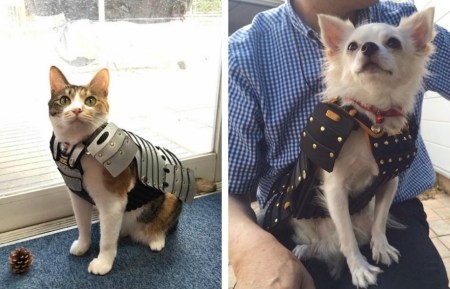
Also available in black, silver, and gold.
When not in use by your dog or cat, the armor can be repurposed in other creative ways.
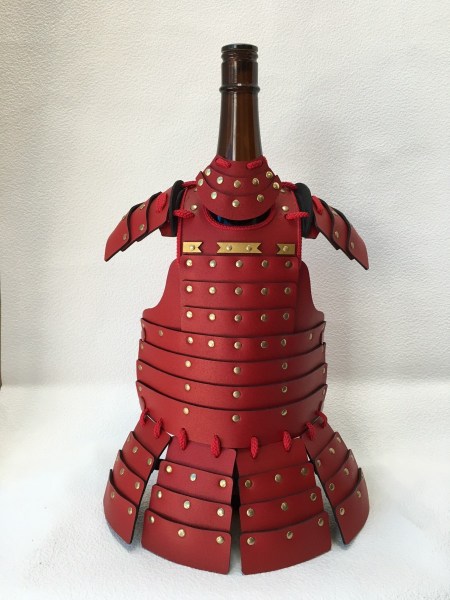
As a bottle cover for a large bottle of sake…
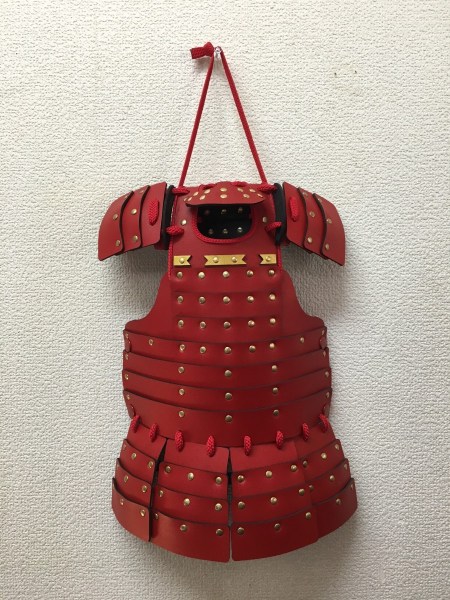
…or hung up on your wall for decoration.
Human-sized armor for adults and children is also available for purchase, as well as helmets and bottle covers. All items are made of the same materials as the pet armor. The website suggests wearing the armor for birthdays or special occasions, but given the stylish, lightweight material there’s no reason not to wear it on a regular basis, too.
For those interested in a more “casual” look, SAMURAI AGE offers samurai helmets fashioned from polyester baseball caps. Customers can choose helmet designs based on those worn by famous Japanese historical figures such as Tokugawa Ieyasu, Oda Nobunaga, and Toyotomi Hideyoshi.
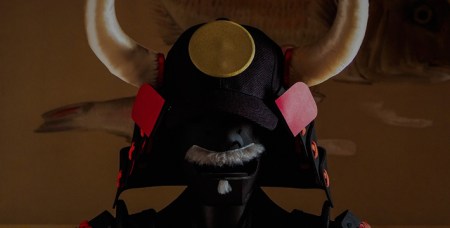
A cap based on Fukuoka daimyo Kuroda Nagamasa’s helmet. Mustache included.
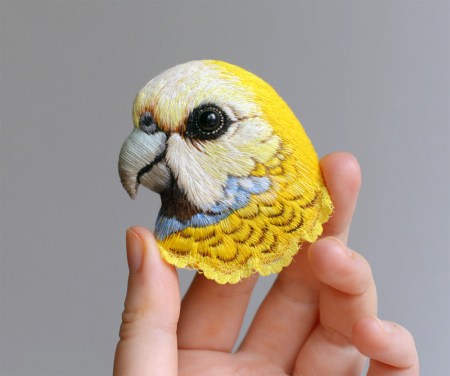
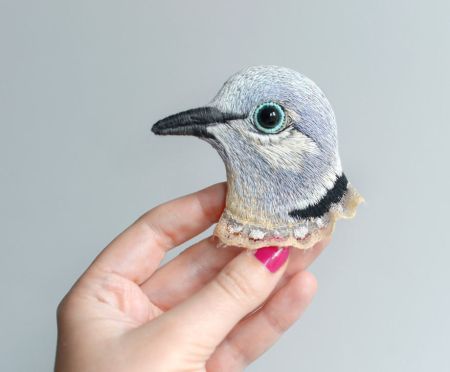
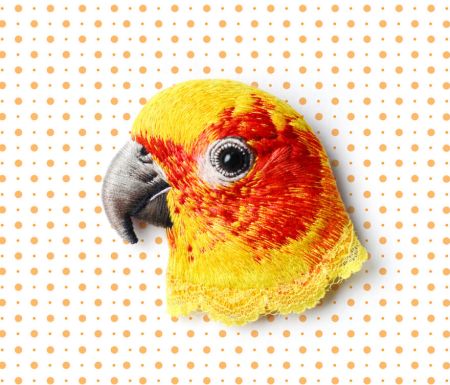
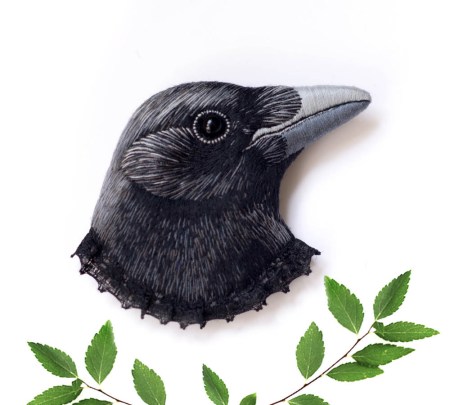
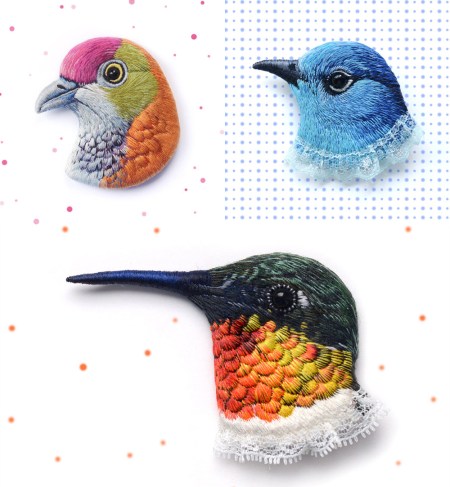
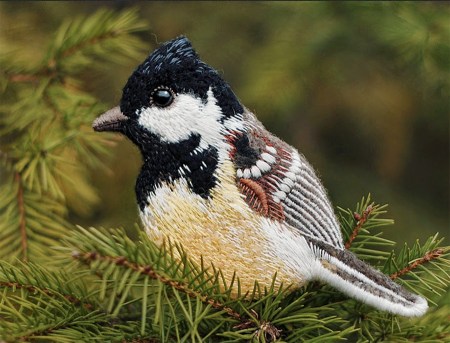
“Warsaw-based embroidery artist Paulina Bartnik stitches colorfully lifelike brooches of birds and other tiny creatures in a dense style called needle painting. Each object begins as a piece of wool which she prods with a special needle in a process called dry felting which results in a surface ideal for embroidery. She then paints with a needle directly on the felt and embroiders the finer details. You can see more of her creations in her Etsy shop.”
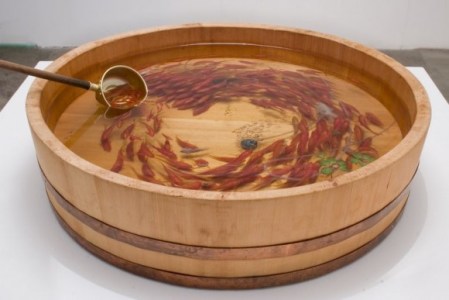
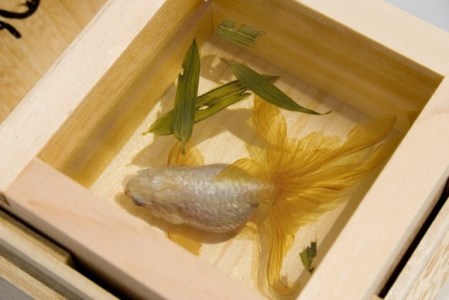
“The goldfish holds a very special place in the heart of any child who’s ever been to a matsuri (street festival) in Japan. Kingyo-sukui is the game of “goldfish scooping” and is a staple of any summer street festival, along with the masks, water balloon yo-yos, fireworks and yummy food.
But for artist Riusuke Fukahori, the goldfish was not just a relic of long-lost childhood. As he painfully lay in his room one night, struggling and suffering, about to give up on his art, he looked over and saw a goldfish. His neglected fish of 7 years sputtered about in a cesspool of mold and feces – a common fate endured by most festival souvenirs.
Fukahori felt a shiver run down his spine. What he suddenly saw was a beautiful animal, glowing in bright red, living and surviving. The artist pulled out his paint and set to work, immediately triggering some sort of chemical reaction in his brain. Fukahori had looked far and wide – in Europe, the U.S. and Japan – for his muse. But in an instantaneous form of enlightenment he knew that all along it was right there in his room, inside that dirty fish tank. The goldfish, writes Fukahori, was my salvation.
And did you know, with a little help from the grammar gods, Kingyo-sukui (金魚すくい), the festivities of goldfish scooping, can also be read 金魚救い- goldfish salvation.”
Ref: Spoon and Tamago
Firearms, fibers, any news or behaviors that make me say, "hmm, let me take another look at this."
I still miss my man, but my aim is getting better.










 Gunsmoke and Knitting