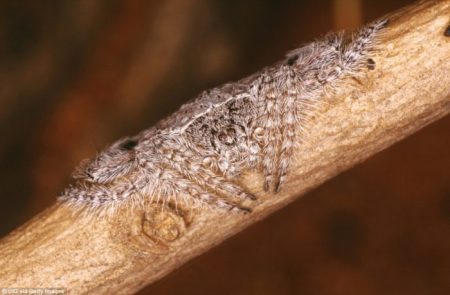
This is a wrap around spider . . . at least it is in Australia . . . and it is not too big . . . and it is not poisonous to humans . . . but, still . . .

This is a wrap around spider . . . at least it is in Australia . . . and it is not too big . . . and it is not poisonous to humans . . . but, still . . .
“Goldfish and octopuses that look like glass, tiny real looking pandas, shiba inu dogs, rabbits, dragons, and snakes… all edible. In the art of Amezaiku (飴細工), artisans craft small candy lollipop sculptures.
During the Heian period, the art of amezaiku was imported from China and was probably first used in Japan for candy offerings made at temples in Kyoto. The amezaiku craft spread beyond the temple during the Edo period, when many forms of street performance flourished in Japan and when its base ingredient, mizuame, became widely available. In Edo it emerged in its present artistic form.
The Great Big Story episode above shares the work of 27 year old Shinri Tezuka, and one of two Japanese Amezaiku artisan candy makers that are crafting these sweet sculptures commercially. You can visit his Asakusa workshop or his Tokyo Sky Tree Town Soramachi shop, both in Tokyo.”
I’m a sucker for these things.
ref: Chin Ping, Goh/Moment/Getty
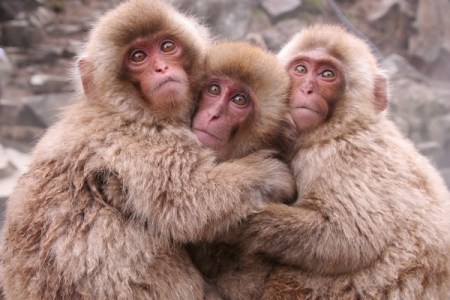
monkey dumpling noun [C]
/ˈmʌŋ.ki.dʌm.plɪŋ/
a group of macaque monkeys standing very close together in order to stay warm
When temperatures drop, macaques often huddle together to pool their body heat, forming what’s known as a saru dango, or “monkey dumpling.” This behavior is common among the 23 species of macaques, all of which form complex matriarchal societies. It is especially important for Japanese macaques (Macaca fuscata), which live in colder climates than any other primate aside from humans. On frigid days, their need for warmth clearly outweighs their desire for personal space.
[www.theatlantic.com, 29 June 2017]
Firearms, fibers, any news or behaviors that make me say, "hmm, let me take another look at this."
I still miss my man, but my aim is getting better.








 Gunsmoke and Knitting