

Bring back the mammoths!
September 15, 2021
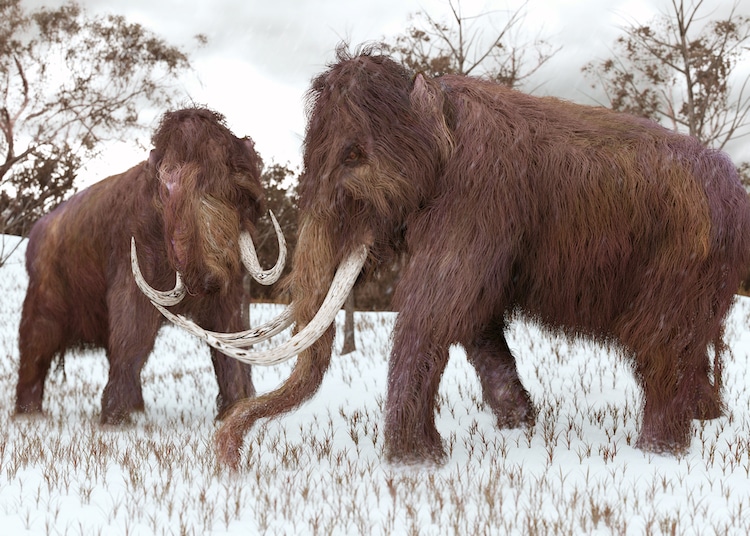
Not so much like Jurassic Park and not quite like Przewalski’s horse, tech entrepreneur Ben Lamm and Harvard Medical School genetics professor George Church, have raised $15 million to resurrect the Woolly Mammoth.
Frozen mammoths are regularly found in the Siberian tundra. The conjecture is that some of them will still have viable, or readable DNA, and manipulating DNA is Dr. Church’s area of specialization.
Dr. Church, “feels that if he modified the genes of the woolly mammoth’s closest living relative, he could revive the species. That relative is the Asian elephant, though their link is distant. Their closest common ancestor lived six million years ago, but Dr. Church is confident that he can modify the genetics of the elephant to produce a woolly mammoth hybrid.” (My Modern Met)
How cool is that!?
Read more about it here and here.

Electrifying – how the U.S.A. generates energy
September 8, 2021The below animated .gif, which starts with data from 1990, displays the evolution of how electricity is generated in every U.S. state up until 2014.
In this stretch of just 24 years, the way we generate electricity has evolved dramatically:

Why is coal declining? The surge in the use of natural gas and renewables.
Natural gas power now generates 30% of the U.S. electricity, and renewable sources such as solar and wind have grown significantly in the last decade.
In 2005, there were zero states that generated more than 10% of their electricity from renewables. Today, that number is up to 11 states.
Original graphics by: Synapse Energy, RenewEconomy
Library tattoos
September 7, 2021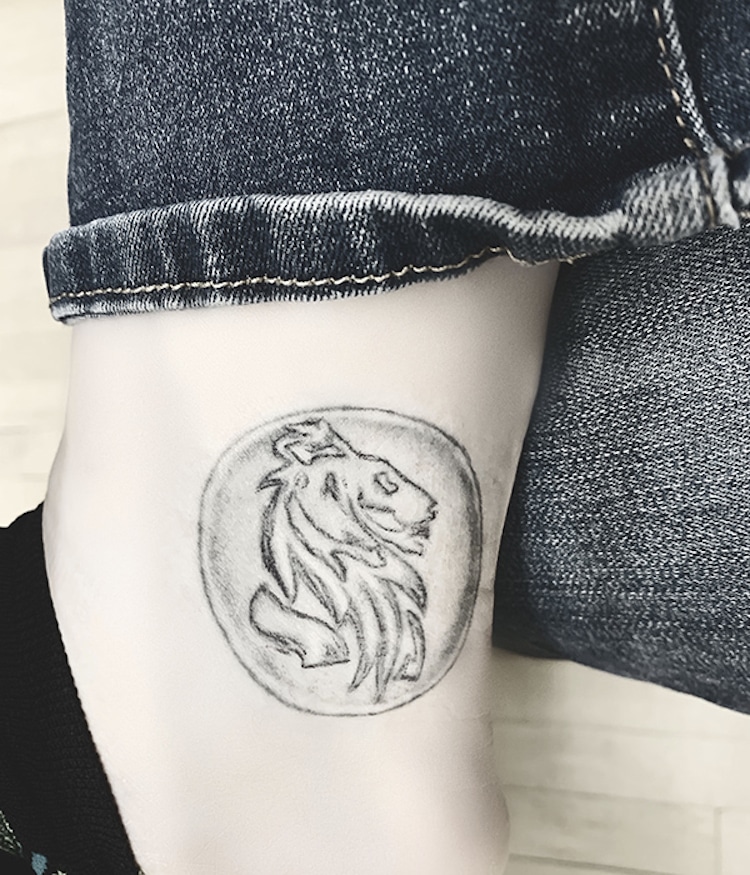
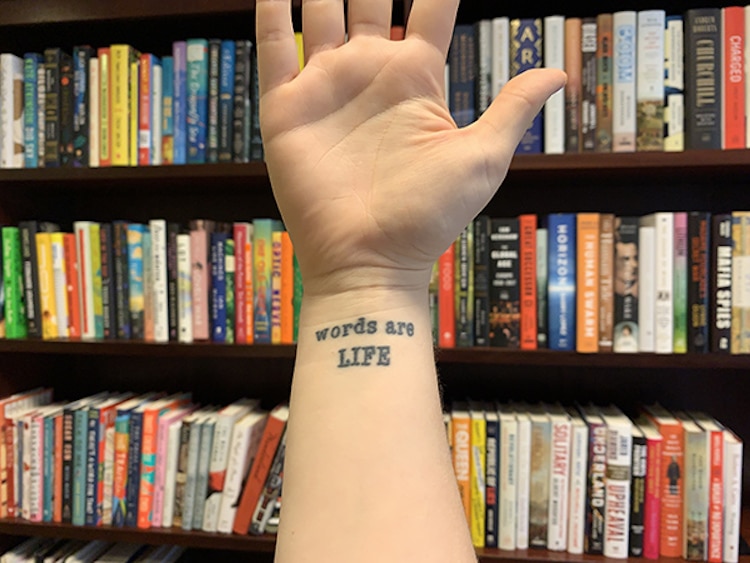
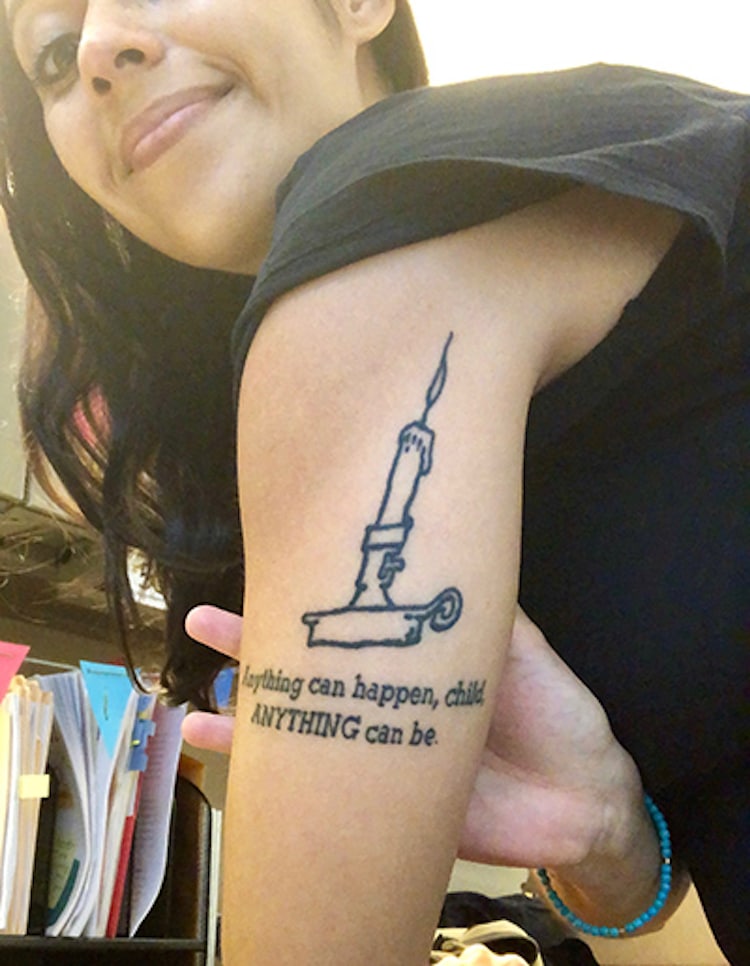
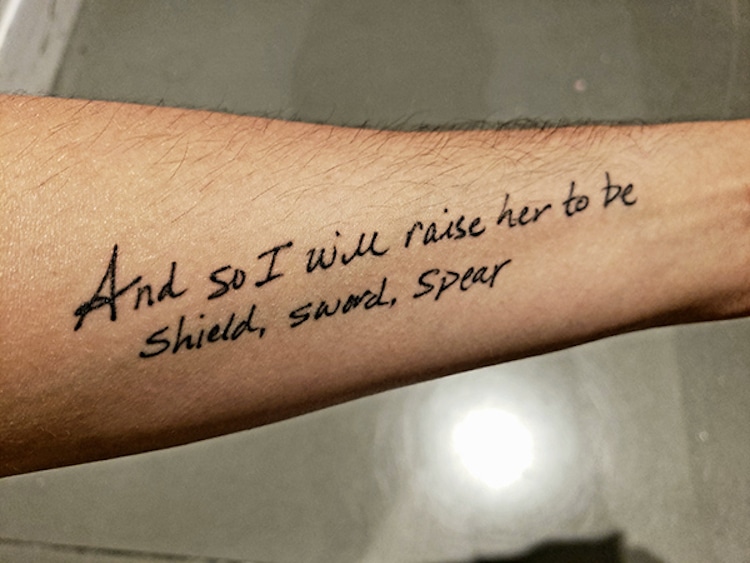
These literary tattoos may be found on the staff and librarians of the New York Public Library.
Labor Day
September 7, 2021To work is a blessing. Even having a job you hate is better than not having a job at all. – Russel Honore


What happened on September 2, 1666?
September 2, 2021“In the early morning hours, the Great Fire of London breaks out in the house of King Charles II’s baker on Pudding Lane near London Bridge. It soon spread to Thames Street, where warehouses filled with combustibles and a strong easterly wind transformed the blaze into an inferno. When the Great Fire finally was extinguished on September 6, more than four-fifths of London was destroyed. Miraculously, only 16 people were known to have died.”
“The Great Fire of London was a disaster waiting to happen. London of 1666 was a city of medieval houses made mostly of oak timber. Some of the poorer houses had walls covered with tar, which kept out the rain but made the structures more vulnerable to fire. Streets were narrow, houses were crowded together, and the firefighting methods of the day consisted of neighborhood bucket brigades armed with pails of water and primitive hand pumps. Citizens were instructed to check their homes for possible dangers, but there were many instances of carelessness.”

The devastation was immense, yet it paved the way for the newly imagined city of London by Christopher Wren, including the new St. Paul’s Cathedral, arguably Wren’s most famous structure.
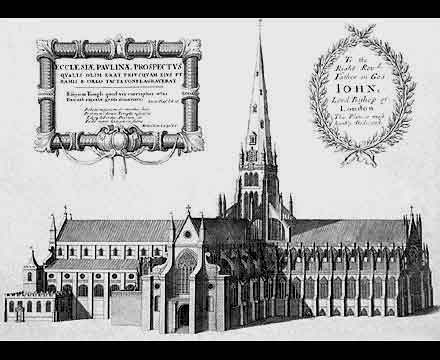
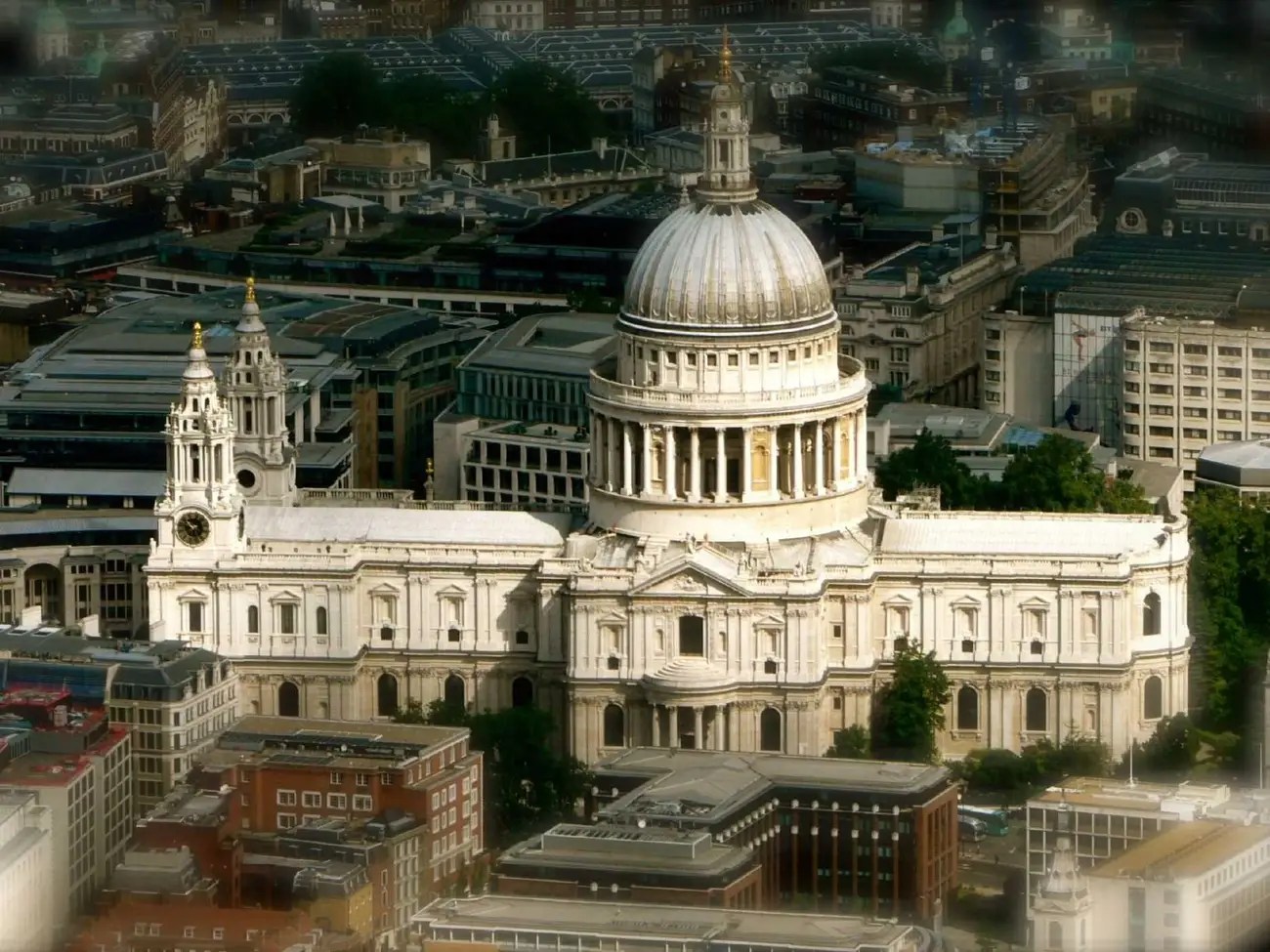
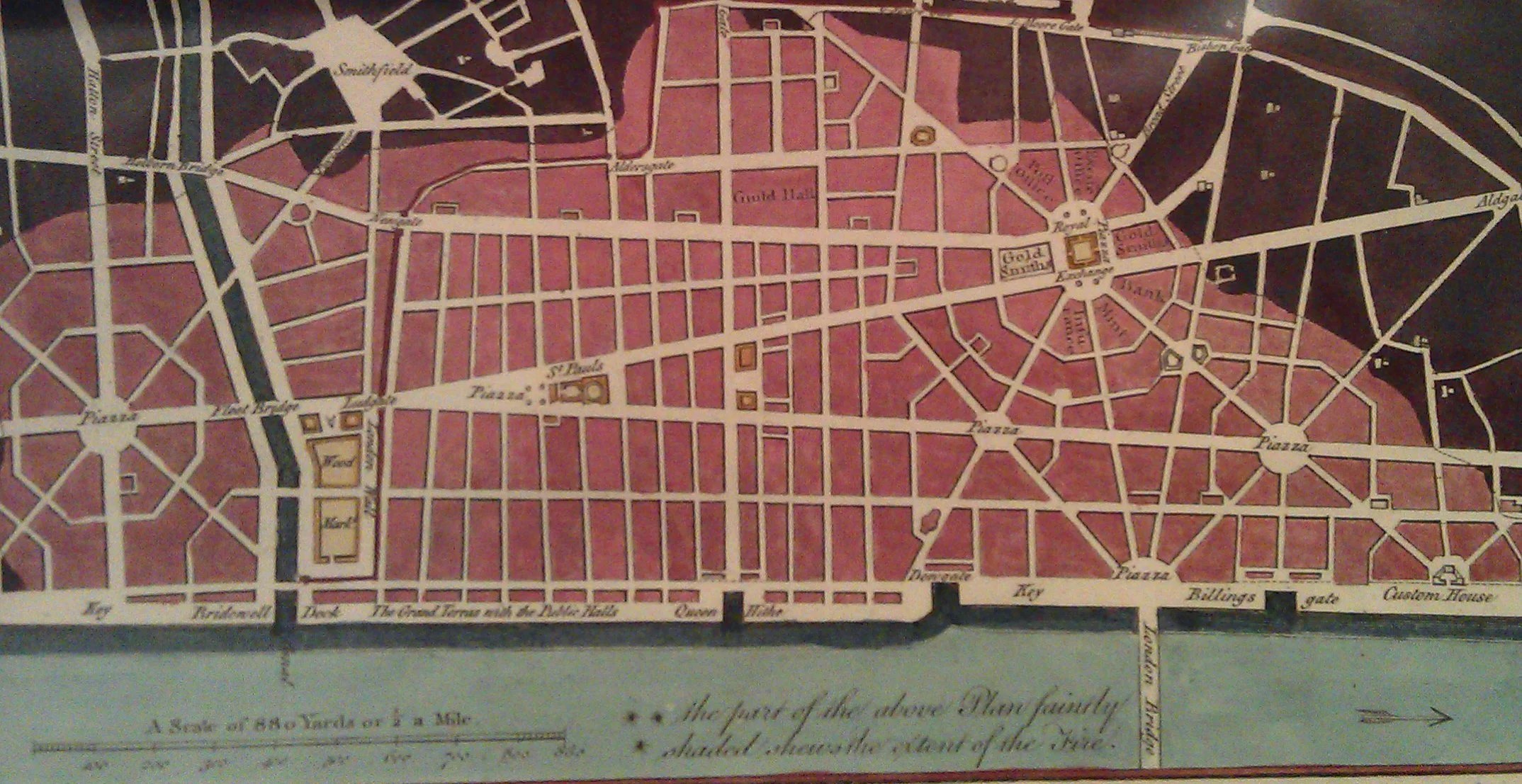
See more Christopher Wren buildings here.










 Gunsmoke and Knitting