
Nice
January 25, 2022



Did you know this?
January 20, 2022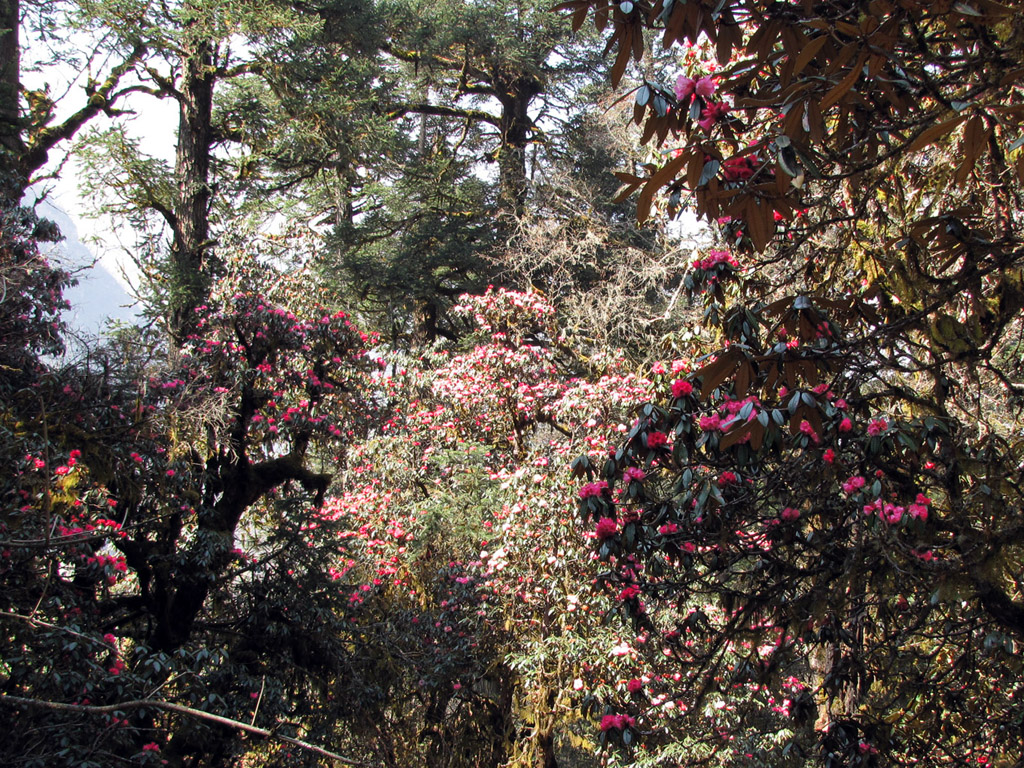
When bees feed on the pollen of rhododendron flowers, the resulting honey can pack a hallucinogenic punch.
It’s called mad honey, and it has a slightly bitter taste and a reddish color. More notably, a few types of rhododendrons, among them Rhododendron luteum and Rhododendron ponticum, contain grayanotoxin, which can cause dramatic physiological reactions in humans and animals. Depending on how much a person consumes, reactions can range from hallucinations and a slower heartbeat to temporary paralysis and unconsciousness.
There have been no modern deaths recorded from eating mad honey. But as rhododendrons flourish at high altitudes, and as the bees often nest on sheer cliffs, gathering the honey may be more dangerous than consuming it. In Nepal, honey hunters make dangerous vertical climbs—while enduring stings from enormous bees—to harvest mad honey.
But eating the honey can be an unpleasant venture too. One of the earliest accounts of mad honey, which comes from Xenophon of Athens, a student of Socrates, describes a company of Greek soldiers in 401 B.C. passing through Turkey. After eating honey stolen from beehives along the route, they vomited, had diarrhea, became disoriented and could no longer stand. But, as recounted by Vaughn Bryant, a honey expert and anthropology professor, they were fine the next day. (Modern consumers describe similar effects from too much mad honey.) In 69 B.C., it was recorded that Pompey the Great’s army fell victim to a literal honeytrap in the same region. Local forces placed honey along the marching route, and then swooped in to massacre the intoxicated soldiers.
Mad honey has non-culinary uses too. Turkey and Nepal, the epicenters of mad honey production, have traditionally cultivated the honey as medicine. Today, it’s touted as relieving hypertension, providing a burst of energy, and being a sweet substitute for Viagra. As a result, mad honey ranks among the most expensive honeys in the world. It sells for $60 to $80 dollars a pound on the black markets of some Asian countries, several of which have very strict anti-drug laws.
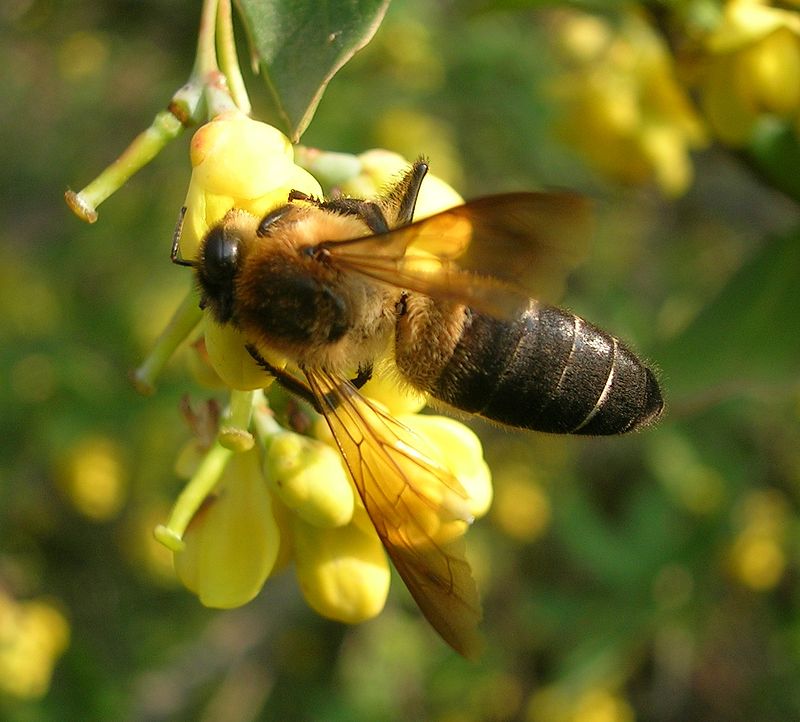
Mad honey can be purchased in the regions of Nepal and Turkey where it is produced, typically from the beekeepers themselves. It is also available online.








RIP Dobie
January 10, 2022
“Broadcast on CBS from 1959 to 1963, “The Many Loves of Dobie Gillis” was an essential ingredient of adolescence for the postwar generation and remained popular in syndication for years. Mr. Hickman became one of TV’s first teenage idols for his portrayal of its lovelorn hero, and he remained indelibly identified with the character ever after, a fate he bore with genial resignation.
“Dobie Gillis” followed the fortunes of its hero, his friends and family in Central City, a community whose precise location was never specified but that in all its wholesomeness seemed eminently Midwestern.”










 Gunsmoke and Knitting